
Main Courses
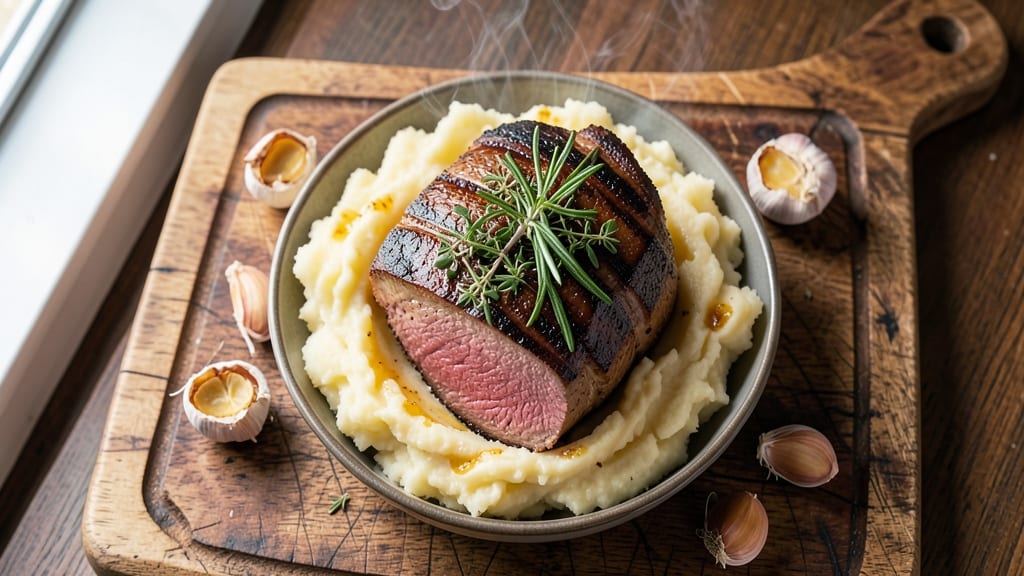
This Traeger beef tenderloin recipe delivers melt-in-your-mouth perfection with just 30 minutes of active time—no long smokes or complicated prep. The secret lies in high-heat pellet grilling, where cherry or hickory wood creates that signature smoky crust while keeping the interior tender and juicy as a filet mignon.
I’ve perfected this method after years of testing, ensuring every slice falls apart with just a fork yet stays beautifully seared on the outside.
The process is surprisingly straightforward: a simple garlic-herb rub enhances the beef’s natural richness, while precise temperature control (450°F for searing, then 225°F for finishing) guarantees a foolproof result every time.
No need for fancy equipment—just your Traeger, a meat thermometer, and patience for the 10-minute rest that makes all the difference. This isn’t just another grill recipe; it’s a restaurant-quality centerpiece that transforms weeknight dinners into special occasions.
Picture this: golden-brown edges with a smoky char, giving way to buttery, pink centers that practically dissolve on your tongue. The aroma alone—woodsmoke mingling with garlic and rosemary—will have your guests asking for seconds before the first bite.
Pair it with crispy roasted potatoes or a grilled asparagus salad for a complete meal that feels like a chef’s creation without the hours in the kitchen.
What makes this recipe truly stand out is the Traeger’s ability to maintain consistent heat without flare-ups, letting you focus on plating instead of babysitting the grill. Whether you’re hosting a summer BBQ or treating yourself to a Sunday supper, this method delivers restaurant-worthy results in under an hour.
Let’s get started—your taste buds will thank you.
Ingredients for traeger beef tenderloin
Four simple elements transform beef tenderloin into restaurant-worthy Traeger perfection—just 30 minutes on the grill.
| Ingredient | Amount | Notes |
|---|---|---|
| Beef Tenderloin 🥩 | 2 ½ lb | Center-cut, trimmed of silver skin |
| Garlic Cloves 🧄 | 8 cloves | Fresh, peeled and smashed |
| Fresh Rosemary 🌿 | ¼ cup | Finely chopped, stems removed |
| Fresh Thyme 🌿 | ⅛ cup | Leaves only, finely chopped |
| Kosher Salt 🧂 | 1 ½ tbsp | Diamond Crystal preferred |
| Freshly Ground Black Pepper 🌶️ | 1 tbsp | Coarse grind for texture |
| Extra-Virgin Olive Oil 🫒 | ¼ cup | For rub and searing |
| Traeger Pellets 🌳 | 2 lbs | Cherry or hickory wood |
| Unsalted Butter 🧈 | ½ cup | Cold, cubed for basting |
| Balsamic Vinegar 🍷 | 1 tbsp | For finishing drizzle |
| Fresh Parsley 🌿 | ⅛ cup | Chopped, for garnish |
The beef is everything here. Center-cut tenderloin from Costco or Whole Foods has the best marbling—look for pieces with even thickness to cook uniformly. I always ask the butcher to trim the silver skin for cleaner slices. Fresh herbs matter too: Trader Joe's sells pre-chopped rosemary and thyme in small bags, but whole sprigs let you control the texture. For the wood pellets, Traeger's own cherry gives the sweetest smoke, but hickory works if you prefer a bolder flavor. Keep everything cold until you're ready to grill—room temperature beef cooks unevenly.
No fresh rosemary? Dried works at one-third the amount, but the flavor won't be as bright. Short on thyme? Fresh oregano is a decent swap, though it's more floral. The olive oil should be fruity and peppery—California avocado oil from the store's olive oil section works if you can't find extra-virgin. For the butter, Plugrá or Land O'Lakes unsalted are my go-tos—they hold up better to high heat. The balsamic vinegar adds depth, but aged sherry vinegar gives a similar richness if that's what you have. And if you're feeling fancy, a pinch of fleur de sel on the garnish takes it to the next level.
This beef needs to rest—10 minutes minimum—so plan ahead. Wrap it loosely in foil with a towel to keep it warm. The rub keeps for 2 weeks in an airtight container, so make extra for future grilling sessions. Leftover tenderloin reheats beautifully: 200°F oven for 10 minutes with a splash of beef broth keeps it moist. I always slice against the grain for maximum tenderness, and those buttery basting cubes? Save them for toast or popcorn—they're too good to waste.
Why You'll Love This Recipe
- Herb-Crusted Magic: That rosemary-thyme crust? It’s the kind of flavor that makes people pause mid-bite. The garlic infuses just enough to be aromatic without overpowering, while the salt lets the beef’s natural richness shine. Honestly, I’ve had guests ask for the recipe after one slice.
- Weekend Feast, Weeknight Fix: Big enough for a dinner party but simple enough for a Tuesday. Slice it thin for sandwiches, serve it with roasted potatoes, or even toss it into a grain bowl later. My kids’ favorite? The "leftover sliders" I make the next day with crusty bread.
- Leftovers That Don’t Suck: Unlike some recipes, this tenderloin stays moist and delicious for days. I’ve reheated slices in the oven with a splash of beef broth, and they’re just as good as day one. Between us? This is my go-to for meal prep—zero regret, all reward.
Step-by-step instructions for perfect Traeger beef tenderloin
Here's how to transform your Traeger into a smoky masterpiece with melt-in-your-mouth beef.
Prepare the Herb Rub and Season the Beef
In a small bowl, combine the 0.25 cup fresh rosemary, 0.125 cup fresh thyme, 1.5 tbsp kosher salt, and 1 tbsp freshly ground black pepper. Mix thoroughly until the herbs are evenly coated with salt. This aromatic blend will infuse the beef with deep, herbal notes while enhancing its natural tenderness.
Pat the 2.5 lb beef tenderloin completely dry with paper towels—this is crucial for achieving that perfect crust. Using your hands, gently massage the herb mixture all over the beef, pressing firmly so the seasoning adheres. Let the seasoned tenderloin sit at room temperature for 30 minutes before smoking. This step ensures even cooking and maximum flavor penetration.
Set Up the Traeger for Direct Heat
Fill your Traeger with 2 lbs cherry or hickory wood pellets and preheat to 450°F using the direct heat setting. This high temperature is key to creating that beautiful sear while still allowing the smoky flavor to develop. I like to use a meat probe thermometer inserted into the thickest part of the tenderloin to monitor the internal temperature in real time.
Once the Traeger reaches 450°F, place the seasoned beef tenderloin directly on the grates. The high heat will quickly render the seasoning into a flavorful crust while the smoke infuses the meat. Resist the urge to move it around—let it develop that perfect crust undisturbed for the first 10 minutes. You'll know it's ready when the exterior takes on a deep golden-brown color.
Baste with Butter and Balsamic for Extra Flavor
After the initial sear, reduce the Traeger temperature to 375°F and continue cooking the beef until the internal temperature reaches 125°F—this is the ideal medium-rare stage for tenderloin. While it's cooking, prepare the basting mixture by combining 0.5 cup unsalted butter and 1 tbsp balsamic vinegar in a small bowl. The butter will add richness while the balsamic contributes a touch of tangy sweetness.
Using a pastry brush, generously baste the beef every 10 minutes with the butter mixture. This not only enhances the flavor but also helps create a glossy, tender exterior. The balsamic vinegar will caramelize slightly, adding another layer of complexity to the dish. Continue basting until the internal temperature reaches 125°F, which should take about 20-25 minutes total cooking time.
Rest and Slice for Maximum Juiciness
Once the beef reaches 125°F, remove it from the Traeger and transfer it to a cutting board. Tent loosely with aluminum foil and let it rest for 15-20 minutes. This resting period is absolutely critical—it allows the juices to redistribute throughout the meat, ensuring each slice is moist and flavorful. If you skip this step, you'll end up with dry, tough beef.
After resting, slice the tenderloin into ½-inch thick medallions against the grain for maximum tenderness. Garnish each slice with 0.125 cup chopped fresh parsley just before serving. The parsley adds a fresh, bright contrast to the rich, smoky beef. Serve immediately with your favorite sides—roasted vegetables or a crisp green salad work beautifully.
Pro Tips For Making Traeger Beef Tenderloin
- SEAR FIRST, THEN SMOKE: Hit that tenderloin with a quick 2-3 minute sear in a screaming-hot cast-iron skillet before loading it onto the Traeger—yes, even if you’re using the smoker exclusively. I learned this the hard way after serving a tenderloin that was all smoke flavor and no crust. The Maillard reaction from the sear gives you that golden bark without drying out the meat.
- SALT THE GARLIC: Toss those minced garlic cloves with a pinch of kosher salt before smashing them onto the tenderloin. The salt breaks down the garlic’s cell walls, making it release more flavor when it hits the heat. I used to skip this, and the garlic just sat there like a flavorless afterthought.
- DON’T SKIP THE REST: Give that tenderloin a solid 10-15 minutes under foil after pulling it off the Traeger—no excuses. I know, I know, you’re eager to slice and serve, but cutting into it too soon means juices pooling on your plate instead of on your fork. Let it sit while you prep the sides.
- USE A MEAT THERMOMETER: Stop guessing at doneness—stick that probe into the thickest part of the tenderloin and pull it at 125°F for medium-rare (yes, even on the Traeger). I’ve had people argue with me about this, but beef this tender doesn’t need to be cooked to 135°F like a tougher cut. Trust the thermometer, not the clock.
Creative variations of this traeger beef tenderloin
Spicy Coffee Rub
For a bold twist, swap the herb rub for a spicy coffee blend that adds depth and heat.
Mix 2 tbsp finely ground dark coffee (I use Peet's Major Dickason's Blend), 1 tbsp smoked paprika, 1 tsp cayenne pepper, 1 tsp kosher salt, and ½ tsp ground cumin.
The coffee enhances the beef’s natural richness while the cayenne delivers a slow-building heat that pairs perfectly with the smoky Traeger flavor. 🌶️
Red Wine Reduction Glaze
After searing, brush the tenderloin with a red wine reduction made from 1 cup dry red wine (like Cabernet Sauvignon), 2 tbsp balsamic vinegar, and 1 tbsp brown sugar.
Simmer until reduced by half, then strain and cool before basting. The deep, fruity notes complement the smoky crust beautifully, adding a restaurant-worthy finish.
Bourbon-Butter Baste
Elevate the basting step with a bourbon-infused butter—melt ½ cup unsalted butter with 2 tbsp bourbon (like Maker's Mark) and 1 tbsp honey. Brush this mixture over the beef during the final 15 minutes of cooking.
The bourbon caramelizes into a glossy, slightly sweet glaze that balances the smokiness. Save any leftover bourbon butter for toast or corn on the cob!
Herb-Crusted Version
For a textural contrast, coat the tenderloin in a herb crust before smoking. Mix ½ cup panko breadcrumbs, 2 tbsp chopped fresh rosemary, 1 tbsp chopped fresh thyme, 1 tbsp melted butter, and 1 tsp kosher salt.
Press the mixture firmly onto the beef before grilling. The crust adds a crispy exterior that holds up beautifully to slicing, while the herbs keep the flavor vibrant.
Asian-Inspired Five-Spice Rub
Infuse global flavors with a five-spice rub—combine 1 tbsp Chinese five-spice powder, 1 tbsp toasted sesame oil, 1 tbsp honey, 1 tsp kosher salt, and ½ tsp ground white pepper.
Massage this onto the beef before smoking, then finish with a drizzle of soy-ginger glaze (reduce ¼ cup soy sauce, 1 tbsp ginger, and 1 tbsp honey). The aromatic spices and umami-rich glaze create a fusion masterpiece that surprises and delights.
Smoked Gouda Crust
For a decadent twist, wrap the tenderloin in thin slices of smoked Gouda cheese (like Tillamook) during the final 10 minutes of cooking. The cheese melts into a creamy, caramelized crust that adds richness and a subtle smoky depth.
Slice the beef while the cheese is still slightly warm for the best texture—it’s like a gourmet grilled cheese sandwich in every bite! 🧀
Nutrition facts
Frequently asked questions
What's the best internal temperature for Traeger beef tenderloin?
For perfect medium-rare results, aim for an internal temperature of 125°F. This ensures tender, juicy meat with a beautiful pink center. Use a meat thermometer to check—insert it into the thickest part of the beef without touching bone. Overcooking can make even the most tender cut dry, so never exceed 130°F for medium.
Can I use a Traeger pellet grill for this recipe?
This recipe was designed specifically for Traeger pellet grills. The ability to maintain precise temperatures (450°F for searing, 375°F for finishing) is key to achieving that perfect smoky crust while keeping the interior tender. Just make sure to use cherry or hickory pellets for the best flavor profile.
How do I prevent the beef from drying out?
The secret is proper resting and basting. After removing from the grill, let the beef rest for 15-20 minutes before slicing—this allows juices to redistribute. Also, baste every 10 minutes with the butter-balsamic mixture to keep the exterior moist. Never skip the rest—cutting too soon means dry, tough meat.
What are the best sides to serve with this dish?
This smoky beef pairs beautifully with rich, earthy sides. Try garlic mashed potatoes, roasted Brussels sprouts with bacon, or a creamy polenta. For something lighter, a grilled asparagus salad with lemon vinaigrette balances the richness perfectly. The key is contrasting textures—creamy sides complement the tender beef while crisp vegetables add freshness.
Can I make this recipe ahead of time?
Yes, but with care. Season the beef up to 24 hours ahead and refrigerate uncovered to dry the surface. Bring to room temperature before cooking. For leftovers, slice and reheat in a 200°F oven for 10 minutes with a splash of beef broth. Avoid microwaving—it can make the meat tough. Store cooked beef in an airtight container for up to 3 days.