
Main Courses
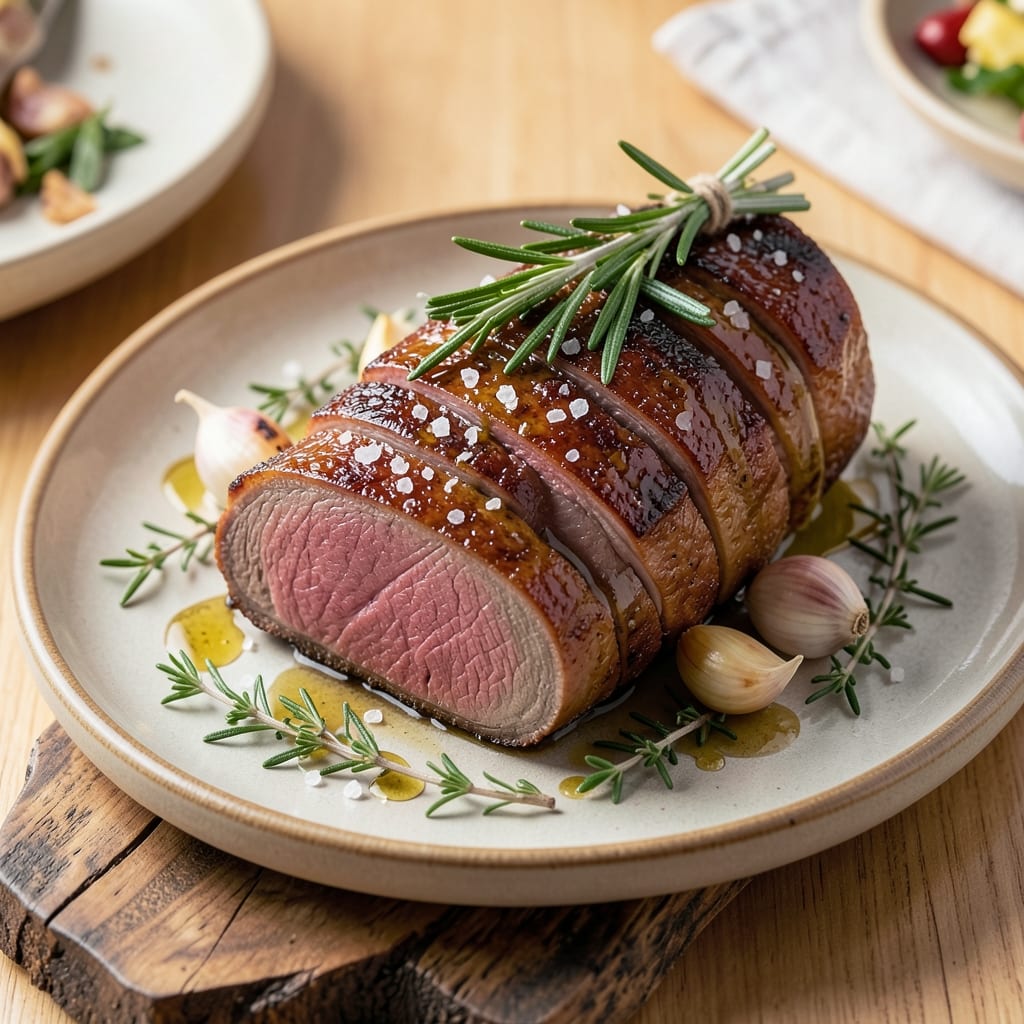
An 8 lb beef tenderloin transforms any gathering into a showstopping centerpiece—juicy, perfectly cooked, and impossible to resist. 🔥 The secret lies in precision: a dry-brine overnight, herb crust that clings without burning, and 145°F internal temperature for medium-rare perfection. This isn't just a recipe; it's a method that guarantees restaurant-quality results at home, even for large roasts.
What sets this apart is the technique: starting the tenderloin cold in the oven prevents overcooking, while the herb crust adds depth without overwhelming the beef's natural richness. The key to slicing is patience—letting it rest for 20 minutes ensures clean cuts that stay juicy. This is the kind of dish that makes guests ask for seconds before they even sit down.
By the time you serve, you'll have a tender, flavorful masterpiece with a golden crust and pink center, sliced into perfect medallions. The aroma alone will have everyone anticipating dinner, and the first bite delivers on that promise—juicy, tender, and bursting with herbaceous flavor. This is the recipe that elevates your cooking game.
Pair with roasted garlic mashed potatoes or a crisp winter salad to complete the meal. The method scales perfectly, so whether it's a holiday feast or a special weekend dinner, this tenderloin delivers every time. Let's get started on creating your showstopper.
Ingredients for 8 lb beef tenderloin
Precision-cut ingredients for an 8 lb beef tenderloin masterpiece—where technique meets restaurant-quality flavor.
| Ingredient | Amount | Notes |
|---|---|---|
| Beef Tenderloin 🥩 | 8 lb | Center-cut, trimmed of silver skin |
| Kosher Salt 🧂 | 1 ½ cups | Diamond Crystal preferred for precision |
| Fresh Thyme Leaves 🌿 | ½ cup | Stems removed, finely chopped |
| Fresh Rosemary 🌿 | ¼ cup | Needles finely chopped, no stems |
| Garlic Cloves 🧄 | 8 cloves | Minced into paste with olive oil |
| Extra-Virgin Olive Oil 🫒 | ½ cup | High-quality, fruity variety |
| Black Peppercorns 🌶️ | 2 tbsp | Freshly cracked, coarse grind |
| Fresh Sage Leaves 🌿 | ¼ cup | Finely chopped, vibrant green |
| Unsalted Butter 🧈 | ½ cup | Cold, cubed for crust |
| Vegetable Oil 🫒 | 2 tbsp | For greasing roasting pan |
| Fresh Parsley Leaves 🌿 | ¼ cup | Chopped, for garnish |
The beef tenderloin must be center-cut, with the silver skin meticulously trimmed—this ensures even cooking and a flawless presentation. Source from a reputable butcher or high-end grocery like Whole Foods or D'Artagnan for optimal marbling. If buying frozen, thaw in the refrigerator for 48 hours to maintain texture. The herb crust relies on freshness, so prioritize organic herbs from your local market or specialty store like Trader Joe's. For the garlic, use pearl onions if available—they add subtle sweetness without overpowering the beef's natural flavor.
No fresh herbs? Dried thyme and rosemary work at one-third the amount, but texture suffers. Substitute lemon zest for parsley if needed—it adds brightness without altering the herbaceous profile. The olive oil should be extra-virgin with a peppery finish; California Olive Ranch or Colavita are excellent choices. For the butter, European-style (like Plugrá) has higher fat content, ensuring a richer crust. If you lack vegetable oil, avocado oil works equally well for greasing the pan—just ensure it has a high smoke point.
The tenderloin should rest 20 minutes before slicing—this critical step ensures juices redistribute, preventing dryness. Store leftovers in an airtight container for 3-4 days in the fridge, or freeze for up to 3 months. For reheating, use a low oven (200°F) to maintain tenderness. The herb crust freezes beautifully, so portion it separately if making ahead. Always slice against the grain for maximum tenderness—this is non-negotiable for restaurant-quality results.
Why You'll Love This Recipe
- I’ll be real: most beef leftovers are sad. Not this. The rosemary and thyme keep it tasting fresh for days, so you’re not stuck reheating dry meat. Slice it thin for sandwiches or dice it into pasta—it’s a win either way.
- No-Fuss Prep: I swear by this recipe because it’s that simple—just a quick salt rub with thyme and rosemary, then let the oven do the work. No basting, no fussing, no stress.
- Herb-Crusted Magic: That crispy, golden crust from the garlic and rosemary? It’s the kind of flavor that makes people ask for seconds before they even take a bite. The tenderloin stays juicy inside while the edges get this perfect, savory crunch.
- Party in a Pan: Between us, this is my go-to for gatherings—whether it’s a holiday feast or a last-minute dinner for friends. The 8 lb cut feeds a crowd, and the leftovers? Chef’s kiss. (Yes, even on a Tuesday night.)
Step-by-step instructions for herb-crusted beef tenderloin
Master this technique and you'll achieve a perfectly tender, herb-infused center-cut roast with restaurant-quality crust.
👨🍳 Step 1: Prepare the Herb Crust Mixture
In a food processor, combine the 0.5 cup fresh thyme leaves, 0.25 cup fresh rosemary, 0.25 cup fresh sage leaves, 0.5 cup extra-virgin olive oil, and 2 tbsp freshly cracked black peppercorns. Pulse until you achieve a fine, paste-like consistency—this ensures even distribution across the meat. The mixture should be vibrant green with visible herb flecks.
Transfer this herb paste to a small bowl and set aside. I like to taste it at this stage—it should be aromatic with bright herbal notes and a peppery kick. This is your flavor foundation, so don't skip this sensory check. The oil helps bind the herbs while adding richness that will complement the beef's natural tenderness.
👨🍳 Step 2: Season and Rest the Beef Tenderloin
Remove the 8 lb beef tenderloin from refrigeration and pat it completely dry with paper towels. This drying step is critical—it prevents steam from forming during cooking, which would inhibit proper crust development. Work quickly but thoroughly, especially in the crevices and along the edges.
In a separate bowl, mix the 1.5 cups kosher salt with the minced 8 cloves garlic cloves (previously minced into a paste with a bit of olive oil). Rub this mixture all over the tenderloin, pressing firmly to ensure even coverage. The salt will begin drawing out moisture immediately, so work efficiently. Place the seasoned tenderloin on a wire rack set over a baking sheet and refrigerate uncovered for 4 hours or overnight.
🔥 Step 3: Create the Herb Butter Crust
Thirty minutes before roasting, remove the tenderloin from the refrigerator and let it sit at room temperature. In a small bowl, combine the 0.5 cup cold unsalted butter with the herb paste you prepared earlier. The butter should be firm but pliable—if it's too soft, chill it briefly. Spread this herb butter mixture evenly over the entire surface of the tenderloin, pressing gently to adhere.
Here's where the magic happens: the butter creates a golden crust while the herbs infuse flavor directly into the meat. Don't be tempted to skip this step—it's what transforms a simple roast into a showstopping centerpiece. The butter should coat the meat completely, with no dry spots visible.
🔥 Step 4: Roast to 145°F Precision
Preheat your oven to 400°F (convection if available). Grease a roasting pan generously with 2 tbsp vegetable oil—this prevents sticking and ensures easy removal. Place the tenderloin fat-side up in the prepared pan and insert a meat thermometer into the thickest part of the roast.
Roast for 25-30 minutes until the internal temperature reaches 145°F. The exterior should develop a beautiful golden-brown crust with visible herb flecks. Here's the crucial part: don't overcook. The meat will continue rising in temperature as it rests, so pull it out when it hits 145°F—any higher and you'll risk drying it out. The internal color should be a beautiful pink throughout.
⏰ Step 5: Rest and Garnish for Maximum Tenderness
Transfer the roast to a cutting board and tent loosely with aluminum foil. Let it rest for 20-30 minutes—this resting period allows the juices to redistribute throughout the meat, ensuring every slice remains moist and tender. During this time, preheat your serving platter in the oven to maintain warmth.
After resting, garnish the tenderloin with 0.25 cup chopped fresh parsley leaves and slice it into 1-inch thick medallions against the grain. Each slice should be perfectly tender with a crisp herb crust and juicy pink center. Serve immediately with your favorite sides—this beef is at its peak right now, so don't let it sit too long before serving.
Pro Tips For Making 8 Lb Beef Tenderloin
- Start with a Searing Scorch: Get your cast-iron or heavy pan screaming hot—think smoke starting to curl—before the beef hits. I learned this the hard way: a lukewarm pan means gray, sad meat instead of that golden crust. For an 8-lb tenderloin, work in batches if needed, but don’t rush the sear. The first few minutes are where the flavor magic happens. ---
- Salt Like It’s 1920: Generously coat the tenderloin with kosher salt at least 4 hours before cooking—overnight is even better. Yes, it feels excessive, but tenderloin is lean and absorbs salt like a sponge. Skip this, and you’ll end up with bland beef no matter how fancy your herbs are. Trust the process. ---
- Skip the Crowding: If you’re roasting the whole 8 lbs at once, resist the urge to tent it with foil early. Let the top crust form for the first 20-25 minutes, even if it looks uneven. I used to panic and cover too soon, and the result was a sad, steamy mess instead of a caramelized masterpiece. Patience here makes all the difference. ---
- Garlic Crush, Not Slice: Smash those garlic cloves with the flat side of your knife before tossing them in the pan. This releases more flavor and fries up into a fragrant paste that clings to the meat. Sliced garlic? It’ll burn before it adds much. Fresh rosemary and thyme should be finely chopped too—no one wants a mouthful of sprigs with their perfect slice.
Serving suggestions for 8 lb beef tenderloin
Classic Elegance
Serve your herb-crusted beef tenderloin on a wooden platter with roasted garlic mashed potatoes—their creamy texture contrasts beautifully with the beef's crust. Add a simple winter salad of arugula, shaved fennel, and lemon vinaigrette to cut through the richness. I like to arrange the slices in a fan shape around the platter for visual appeal. 🌟
Red Wine Pairing
A bold Cabernet Sauvignon from Napa Valley complements the herbaceous crust perfectly. Look for a 2018 or newer vintage with notes of blackcurrant and vanilla. For a lighter option, try a Pinot Noir from Oregon—its bright acidity balances the butter's richness. Serve at 60-65°F to enhance the wine's complexity alongside the beef. 🍷
Holiday Feast Presentation
For special occasions, elevate the presentation with rosemary sprigs and gold leaf accents. Serve with duchesse potatoes and caramelized Brussels sprouts for a luxurious touch. I often place the tenderloin on a slate board with crispy prosciutto wrapped around the edges. Garnish with edible flowers like nasturtiums for a pop of color. ✨
Leftovers Reinvented
Transform leftover slices into beef tenderloin sandwiches with brioche rolls, caramelized onions, and Gruyère cheese. For a hearty meal, create a beef tenderloin hash with diced potatoes, red peppers, and fried eggs. Store leftovers in an airtight container for up to 4 days—reheat gently in a skillet with butter to maintain moisture. 💪
Seasonal Adaptations
In summer, swap the herb crust for a citrus-infused version with lemon zest and orange peel. Pair with a chilled peach and mint salad for a refreshing contrast. For fall, add cranberry compote and walnuts to the platter—both enhance the beef's richness. Winter calls for roasted root vegetables and wild mushroom sauce to complement the dish. 🌿
Family-Style Serving
Slice the tenderloin into 1-inch medallions and arrange on a large platter with warm dinner rolls and horseradish cream for dipping. Let guests serve themselves for a communal dining experience. For kids, offer deconstructed beef bites with toasted baguette strips and melted cheese. Always keep extra slices warm in a chafing dish at 165°F. 👨👩👧👦
Nutrition facts
Frequently asked questions
Can I cook an 8 lb beef tenderloin without a meat thermometer?
While a meat thermometer is ideal, you can estimate doneness by touch and visual cues. For medium-rare, the tenderloin should feel slightly springy when pressed gently—like pressing your thumb against your palm. The exterior should be golden brown with visible herb crust. Pull it out when it reaches 25-30 minutes at 400°F, then let it rest for 20 minutes. The internal temperature will rise 5-10°F during resting, so aim for a slightly underdone feel.
How do I adjust cooking time for a smaller or larger tenderloin?
Cooking time scales roughly 15 minutes per pound for an 8 lb tenderloin at 400°F. For a 5 lb roast, reduce time to 10-12 minutes (or 12-15 minutes per pound for smaller cuts). For a 10 lb tenderloin, increase to 18-20 minutes. Always use a thermometer—thicker roasts need more time, while thinner ones cook faster. The key is hitting 145°F internal for medium-rare.
What's the best way to slice an 8 lb beef tenderloin?
Slice against the grain into 1-inch thick medallions for maximum tenderness. First, identify the grain by looking for the muscle fibers—slice perpendicular to them. Use a sharp chef's knife and cut through the roast in one smooth motion. For even slices, place the tenderloin on a cutting board and use a meat mallet to gently flatten any uneven areas before slicing.
Can I make this recipe with a frozen tenderloin?
Never cook directly from frozen—thaw in the refrigerator for 48 hours to maintain texture. For faster thawing, submerge the vacuum-sealed package in cold water, changing the water every 30 minutes. Once thawed, pat dry thoroughly and follow the recipe as written. The dry-brine step helps compensate for any moisture loss during thawing.
Why did my herb crust burn before the beef was done?
This happens when the butter melts too quickly, creating a sticky surface that browns too fast. To fix it: reduce oven temp to 375°F after the first 15 minutes to slow crust formation, or cover loosely with foil for the last 10 minutes to protect the crust while the center cooks. Always use cold butter for spreading—room-temperature butter melts faster.