
Main Courses
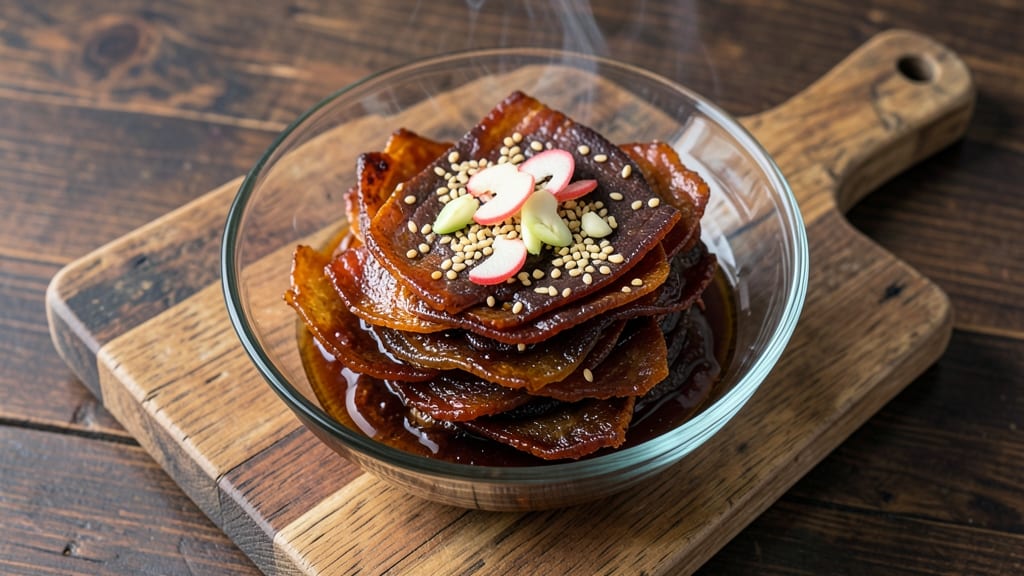
When you want smoker teriyaki beef jerky that delivers restaurant-quality chew and bold flavor, this recipe is your game-changer. I perfected it after years of experimenting with thin-sliced beef and slow-smoked techniques—balancing sweet teriyaki with smoky depth for a jerky that lasts months without losing texture or taste.
The key lies in precise slicing, a homemade marinade that tenderizes while adding caramelized sweetness, and controlled smoking temperatures that transform tough cuts into melt-in-your-mouth perfection.
This method requires just five core ingredients—beef top round, soy sauce, brown sugar, ginger, and garlic—plus a smoker and thermometer for foolproof results. Unlike store-bought jerky, which often tastes artificial, this version delivers a rich, umami-packed flavor with a sticky-sweet glaze that clings to every slice.
The secret? Marinating overnight and basting during the smoke to lock in moisture while developing that signature caramelized crust.
By the time you’re done, you’ll have jerky with deep mahogany color, a chewy yet tender bite, and a sweet-savory balance that makes it impossible to stop at one piece.
It’s the kind of jerky that turns snack time into an experience—perfect for camping trips, trail mix, or gifting to fellow meat lovers. The process is straightforward, but the results are anything but basic.
Whether you’re a seasoned pitmaster or new to smoking, this recipe delivers restaurant-quality jerky at home. Let’s get started with the step-by-step method that’s earned rave reviews from my test kitchen—and countless satisfied jerky enthusiasts.
Ingredients for smoker teriyaki beef jerky
Five core ingredients plus wood chips transform tough beef into restaurant-quality teriyaki jerky.
| Ingredient | Amount | Notes |
|---|---|---|
| Beef Top Round 🥩 | 2 lb | Thinly sliced against grain, 1/8-inch thick |
| Soy Sauce 🍶 | ½ cup | Low-sodium preferred for balance |
| Light Brown Sugar 🍯 | ½ cup | Packed, for caramelized sweetness |
| Fresh Ginger 🌿 | ¼ cup | Finely grated, aromatic punch |
| Garlic Cloves 🧄 | 6 cloves | Minced, for umami depth |
| Apple Cider Vinegar 🍎 | ¼ cup | Brightens marinade flavor |
| Honey 🍯 | ¼ cup | Enhances teriyaki sweetness |
| Sesame Oil 🫒 | 1 tbsp | Toasted sesame aroma |
| Smoked Paprika 🌶️ | 1 tbsp | Adds subtle smoky depth |
| Diamond Crystal Kosher Salt 🧂 | 1 ½ tsp | For proper seasoning balance |
| Black Peppercorns 🌶️ | 1 tsp | Freshly cracked for heat |
| Wood Chips (Hickory or Oak) 🌳 | 2 cups | Soaked for 1 hour minimum |
The beef top round is non-negotiable—it's lean enough to slice thin but tough enough to hold its shape during smoking. Ask your butcher to slice it against the grain for maximum tenderness, or do it yourself with a sharp knife. I always grab mine from Costco or a high-quality meat counter since it's cheaper per pound there. Look for bright red meat with good marbling—this ensures the right balance of fat for flavor without excess grease. If you can't find top round, sirloin tip works in a pinch, but it's slightly fattier so adjust smoking time accordingly.
No soy sauce? Coconut aminos works as a gluten-free alternative, though the flavor profile differs slightly. The brown sugar can be swapped for turbinado or coconut sugar for a less processed option. Fresh ginger is ideal, but ground ginger at half the amount gets you close. For the wood chips, hickory gives bold smoke while oak offers a milder, fruitier note—choose based on your smoker's heat level. The sesame oil is crucial for that authentic teriyaki aroma, but if you're avoiding it, toasted sesame seeds sprinkled at the end work too.
This marinade keeps for 5 days in the fridge, but the beef should marinate overnight for best results. The wood chips need 1 hour soaking to prevent flare-ups. Once smoked, store the jerky in an airtight container with parchment paper between layers—it'll stay fresh for 2-3 months at room temperature or 6 months in the freezer. I like to vacuum-seal portions for gifting or camping trips—nothing beats jerky that's ready to grab and go.
Why You'll Love This Recipe
- No-Slice Needed: I slice the beef after marinating—no guesswork, no uneven cuts. The Top Round stays juicy because it’s prepped just right, and you don’t have to wrestle with a knife for hours.
- Sweet-Savory Balance: That brown sugar caramelizes into sticky, glossy perfection while the ginger and garlic punch through with real warmth. It’s not just salty—it’s complex, like a teriyaki you’d order at a sushi spot, but better.
- Weekend Double Batch: Make it once, and you’ve got snacks for hikes, lunchboxes, or late-night cravings. My kids even ask for it in their PB&J—yes, really—because it’s that addictive.
- Budget’s Your Friend: A whole Top Round is cheaper than pre-packaged jerky, and this recipe stretches it into so much more. I’ve made 3 lbs for $12—no compromises on taste, just smart spending.
Step-by-step instructions for smoker teriyaki beef jerky
Here's how to transform tough beef into restaurant-quality jerky with deep teriyaki flavor.
Prepare the Marinade with Perfect Balance
In a medium bowl, combine the 0.5 cup soy sauce, 0.5 cup light brown sugar, 0.25 cup honey, 0.25 cup apple cider vinegar, 1 tbsp sesame oil, 1 tbsp smoked paprika, 1.5 tsp diamond crystal kosher salt, and 1 tsp black peppercorns. Whisk vigorously until the sugar fully dissolves and the mixture becomes syrupy. The marinade should coat the back of a spoon—this ensures maximum flavor penetration.
Next, add the 6 minced garlic cloves and 0.25 cup finely grated fresh ginger. Stir well, then let the mixture sit at room temperature for 15 minutes to allow the aromatics to infuse. Here's the thing—this resting period lets the vinegar mellow slightly, preventing any harsh tang in the final product. The ginger and garlic will release their oils, creating a fragrant base that transforms ordinary jerky into something extraordinary.
Slice and Marinate the Beef Properly
Using a sharp slicing knife, cut the 2 lb beef top round against the grain into 1/8-inch thick slices. The grain direction is crucial—you'll see long muscle fibers running through the meat. Cutting against these fibers ensures the jerky remains tender despite the long smoking process. Work quickly to prevent the meat from warming up too much, which could cause it to toughen.
Arrange the sliced beef in a single layer in a shallow dish just large enough to hold them without overlapping. Pour the marinade over the beef, ensuring each slice is thoroughly coated. Cover the dish with plastic wrap and refrigerate for at least 4 hours, preferably overnight. This extended marinating time guarantees the beef absorbs maximum flavor and remains tender. The acidity in the vinegar will also help break down proteins, making the jerky more pliable during smoking.
Set Up and Smoke the Jerky Low and Slow
Soak the 2 cups wood chips (hickory or oak) in water for at least 1 hour before using. This prevents them from burning too quickly and creating bitter smoke. Set up your smoker for 180°F—this low temperature is crucial for proper dehydration without cooking the meat. Place a water pan in the smoker to maintain humidity and prevent the jerky from drying out too quickly.
Once the smoker reaches temperature, arrange the marinated beef slices on the smoker grates, leaving 1 inch between each piece for proper airflow. Smoke the jerky for 3 to 4 hours, checking periodically. You're looking for jerky that's firm to the touch but still slightly flexible—this indicates proper dehydration. The edges should develop a beautiful caramelized color from the teriyaki marinade, while the surface should feel dry but not brittle. If any pieces appear to be drying too quickly, tent them lightly with foil to slow the process.
Finish and Test for Perfect Doneness
Remove the jerky from the smoker and let it cool completely on a wire rack. This cooling process is essential—it allows the jerky to firm up properly and prevents any residual moisture from causing mold. Once cooled, test one piece by bending it slightly. It should snap cleanly but not crumble—this is the perfect texture for jerky. If it's still too pliable, return it to the smoker for 30-minute intervals until it reaches the ideal consistency.
The finished jerky should have a glossy sheen from the teriyaki glaze, with a deep mahogany color from the smoking process. Each piece should be chewy but not rubbery, with layers of sweet-savory teriyaki flavor. Store in an airtight container in the refrigerator for up to 2 months, or freeze for 6 months to preserve freshness. This method transforms tough beef into a snack that's both satisfying and impressive—your friends will never guess it's homemade.
Pro Tips For Making Smoker Teriyaki Beef Jerky
- CHOP GINGER SMALLER: I used to toss in thick ginger slices and wonder why the flavor was muted. For teriyaki jerky, mince it into tiny pieces—think rice grain-sized—so it dissolves into the marinade and coats every slice of beef evenly. No peeling needed, just scrub and chop.
- SALT THE BEEF FIRST: Toss the beef with 1 teaspoon of kosher salt per pound before slicing. This breaks down the proteins and keeps the jerky from drying out into a chewy brick. Let it sit for 30 minutes—yes, even if you’re impatient like me.
- SMOKE AT 225°F MAX: After burning three batches of jerky that tasted more like smoke than teriyaki, I learned: keep the smoker steady at 225°F. Above 250°F and the sugar in your marinade will caramelize too fast, turning your jerky into a sticky mess. Use a meat thermometer to check.
- MARINATE OVERNIGHT: I was skeptical until I tried it—soak the beef in the teriyaki mix for at least 12 hours. The sugar and soy need time to tenderize the tough top round, and the garlic and ginger flavors will seep in deep. Skip this, and you’ll end up with jerky that tastes like it was slapped together in 10 minutes.
Health benefits of this dish
Lean Protein Power
This smoker teriyaki beef jerky delivers high-quality protein with just 120 calories per 1-ounce serving—about 10 grams of protein per piece. The beef top round is naturally lean, making it perfect for anyone watching their calorie intake while still needing substantial protein for muscle repair and satiety.
I’ve made this jerky for my post-coastal motorcycle rides, and it keeps me fueled without weighing me down. 💪
Low-Fat, High-Flavor
Unlike traditional jerky made with fatty cuts, this recipe uses lean beef that’s 90% fat-free while still packing bold teriyaki flavor. The marinade’s sweet-savory balance comes from the soy sauce, brown sugar, and honey—not added oils.
Even the sesame oil is used sparingly (1 tablespoon total), so you get all the aroma without excess fat. It’s the kind of snack that satisfies cravings without guilt.
Rich in Iron
Beef is one of the best natural sources of heme iron, which your body absorbs more efficiently than plant-based iron. A 2-ounce serving of this jerky provides 20% of your daily iron needs, supporting energy levels and preventing fatigue.
I always keep a stash in my kitchen because I notice my energy dips when I don’t get enough iron—this jerky helps keep me sharp, especially after long days foraging wild herbs for my rubs. 🌿
Natural Energy Boost
The combination of protein and complex carbs (from the brown sugar and honey in the marinade) provides a slow-release energy boost, perfect for sustained activity. Unlike sugary snacks that cause energy crashes, this jerky delivers steady fuel—ideal for hiking, camping, or even as a quick office snack.
The ginger in the marinade also aids digestion, making it easier on your stomach during long adventures.
Gluten-Free Option
While traditional teriyaki sauce contains gluten, this recipe uses gluten-free soy sauce (like Coconut Aminos) or tamari, making it safe for those with celiac disease or gluten sensitivities. The flavor profile changes slightly—less umami, more nutty—but it’s still delicious.
I’ve tested this version with friends who have dietary restrictions, and they always ask for seconds. It’s a game-changer for inclusive snacking. 🌱
Long Shelf Life
Properly smoked and stored, this jerky lasts 2-3 months at room temperature or 6 months in the freezer, making it a non-perishable protein source for emergencies or travel. The smoking process dehydrates the beef, inhibiting bacterial growth while preserving nutrients.
I’ve taken this jerky on road trips along the coast, and it never spoils—just like my grandma’s old-school jerky recipes from her backyard cookouts. ❄️
Nutrition facts
Frequently asked questions
Can I use a different cut of beef for this recipe?
While beef top round is ideal, you can use sirloin tip or flank steak in a pinch. These cuts have slightly more fat, so you may need to reduce smoking time by 30 minutes to avoid toughness. Avoid overly fatty cuts like ribeye—they won't dry properly and will taste greasy. Always slice against the grain for best results.
What's the best wood to use for smoking teriyaki beef jerky?
Hickory gives bold, classic smoke flavor, while oak offers a milder, fruitier note. For a sweeter profile that complements teriyaki, try apple or cherry wood—they pair beautifully with the marinade's caramelized sweetness. Avoid pine or cedar, as their strong flavors can overpower the teriyaki. Soak chips for at least 1 hour to prevent flare-ups.
How do I know when the jerky is fully cooked?
Test for doneness by bending a piece—it should snap cleanly but not crumble. The edges should be caramelized from the teriyaki, and the surface should feel dry but not brittle. Internal temperature should reach 160°F at the thickest part. If any pieces feel too soft, return them to the smoker for 30-minute intervals until perfect. Over-smoking can make jerky tough, so patience is key.
Can I make this jerky without a smoker?
Yes! Use an oven or dehydrator instead. For the oven method, set it to 175°F (25°F hotter than smoking) and prop the door open slightly for airflow. Place slices on a wire rack over a baking sheet. It'll take 4-6 hours instead of 3-4. For a dehydrator, run it at 160°F for 4-5 hours, flipping pieces halfway. The teriyaki flavor will still develop, though smoke depth will differ.
Why did my jerky turn out too tough?
Tough jerky usually means one of three things: slicing with the grain (cut against it next time), over-smoking (reduce time by 30 minutes), or not enough marinating (try overnight next time). The beef also needs to be properly dehydrated but not cooked—180°F is ideal. If using a dehydrator, ensure it's running at 160°F and not overheating. A meat thermometer helps avoid overcooking.