
Main Courses
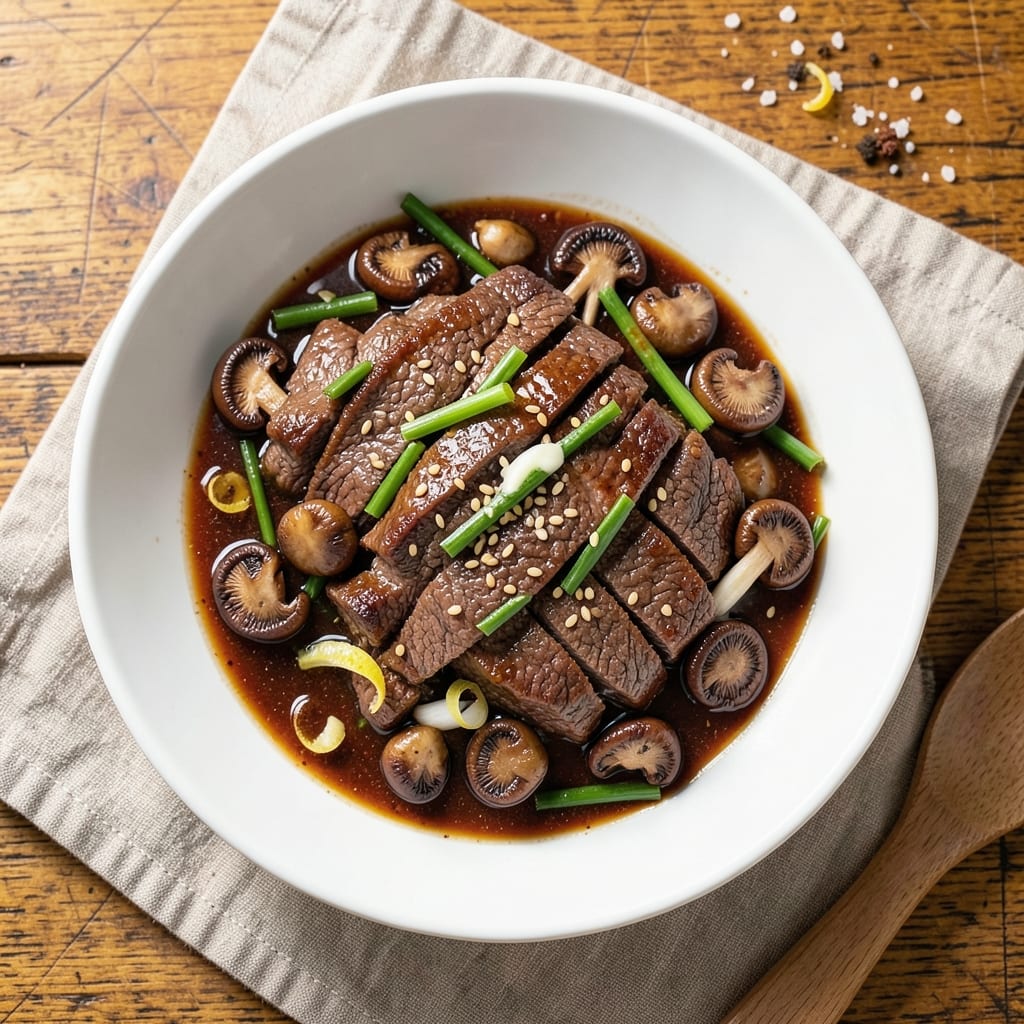
America's Test Kitchen beef stir fry delivers restaurant-quality results with a high-heat wok technique that creates caramelized, tender beef bites every time. The secret lies in marinating the beef for at least 30 minutes to develop deep flavor, then searing it at 450°F until perfectly browned and crisp. This isn't just another stir fry—it's a method that transforms tough cuts into melt-in-your-mouth perfection while building layers of umami through proper sauce reduction.
The recipe balances sweet, savory, and tangy elements with a sauce made from soy sauce, brown sugar, rice vinegar, and a touch of sesame oil. What makes this stand out is the two-step cooking process: first searing the beef to develop that coveted wok hei (breath of the wok) aroma, then tossing everything together at high heat for just 2-3 minutes to maintain crisp-tender texture. The result is a dish where every bite delivers that perfect combination of caramelized edges and tender centers.
Serve this beef stir fry over steamed jasmine rice and pair with quick-pickled vegetables or steamed bok choy for a complete meal that's both satisfying and balanced. The technique is approachable for home cooks but delivers professional-level results, making it perfect for weeknight dinners or entertaining. This isn't just another stir fry—it's a method that transforms simple ingredients into something extraordinary.
The key to success lies in proper heat control and timing—don't overcrowd the wok, and work in batches if needed. The sauce should coat the beef without overwhelming it, creating a harmonious blend of flavors that's both complex and approachable. With this America's Test Kitchen method, you'll achieve beef stir fry results that rival your favorite takeout spot, all from the comfort of your own kitchen.
Ingredients for america's test kitchen beef stir fry
Restaurant-quality beef stir fry begins with these 15 precision ingredients and a wok mastered at 450°F.
| Ingredient | Amount | Notes |
|---|---|---|
| Flank Steak 🥩 | 1 ½ lb | Thinly sliced against grain |
| Soy Sauce 🥢 | ½ cup | Low-sodium preferred |
| Brown Sugar 🍯 | ¼ cup | Packed, light brown preferred |
| Rice Vinegar 🍶 | ¼ cup | Seasoned preferred |
| Sesame Oil 🫒 | 1 tbsp | Toasted, for aroma |
| Garlic Cloves 🧄 | 6 cloves | Minced, fresh preferred |
| Fresh Ginger 🌿 | 1 tbsp | Grated, peeled |
| Vegetable Oil 🫒 | ½ cup | High smoke point |
| Bell Peppers 🍅 | 2 whole | Red/yellow, sliced |
| Broccoli Florets 🥦 | 2 cups | Cut into bite-sized pieces |
| Green Onions 🧅 | 3 whole | Thinly sliced, white/light green |
| Sesame Seeds 🌾 | 1 tbsp | Toasted for garnish |
| Jasmine Rice 🍚 | 1 ½ cups | Uncooked, long-grain |
| Kosher Salt 🧂 | 1 tsp | For seasoning |
| Black Pepper 🌶️ | ½ tsp | Freshly ground |
The flank steak is non-negotiable—it's lean yet tender when sliced thin against the grain. Costco or Whole Foods carry premium cuts, but any butcher will slice it for you if you ask. Look for bright red, well-marbled meat with no gray edges. If pre-sliced, check for even thickness (⅛-inch or less). The soy sauce should be low-sodium—Kikkoman or Lee Kum Kee are reliable choices. Brown sugar matters too—light brown dissolves better than dark. For the sesame oil, Kadoya or La Choy are affordable options, but avoid the cheap stuff that tastes like paint thinner.
No toasted sesame oil? Regular sesame oil plus 1 tsp neutral oil works, but toast the seeds separately for aroma. Swapping bell peppers? Snow peas or snap peas add texture without overpowering. The broccoli can be frozen (thawed and drained well), but fresh holds up better to high heat. Garlic and ginger should be freshly grated/minced—jarred garlic loses flavor fast. For the vegetable oil, avocado or grapeseed oil are better than canola for high-heat searing. The jasmine rice needs a 1:1.5 rice-to-water ratio—use a rice cooker or simmer covered for 15 minutes after boiling.
Marinate the beef for at least 30 minutes (overnight is better). The sauce keeps for 5 days in the fridge—store separately from the beef. Reheat sauce alone before tossing with cooked beef. For meal prep, portion stir fry into airtight containers with a thin layer of oil on top to prevent drying. The sesame seeds toast best in a dry skillet over medium heat for 1-2 minutes—watch closely to avoid burning. This dish reheats beautifully but loses crispness, so serve fresh whenever possible.
Why You'll Love This Recipe
- No-Marveling Prep: I swear by this recipe because the flank steak only needs a quick sear—not hours of marinating. Slice it thin against the grain, toss in the sauce, and let the high-heat stir-fry do the work. My busiest nights? This is the dish that saves them.
- Sweet-Savory Balance: That brown sugar and soy sauce combo? It’s chef’s kiss—caramelized edges on the beef with a glossy, tangy glaze. The rice vinegar cuts through the richness just enough to keep it bright, while the sesame oil adds this nutty, aromatic finish that makes every bite feel special.
- Lunchbox Hero: Between us, this is my go-to for meal prep. Cook a big batch, let it cool, and it reheats like a dream—no soggy stir-fry here. Pack it in containers for work or school, and honestly? My kids (and my husband) fight over who gets the leftovers.
- Budget-Friendly Powerhouse: Flank steak stretches further than you’d think when sliced thin, and the sauce costs pennies. I’ve made this feed six people for under $20, and the flavor? Ridiculously good. It’s the kind of dish that makes you wonder why you ever ordered takeout.
Step-by-step instructions for america's Test Kitchen beef stir fry
Master the high-heat wok technique for perfectly caramelized beef and vibrant vegetables.
Prepare the Flank Steak and Marinade
Slice the 1.5 lb flank steak thinly against the grain into ¼-inch strips. This ensures tender bites that cook quickly in the wok. Place the steak in a bowl and combine the 0.5 cup soy sauce, 0.25 cup brown sugar, 0.25 cup rice vinegar, 1 tbsp sesame oil, 6 cloves minced garlic, and 1 tbsp grated ginger. Mix thoroughly to coat the steak evenly. Let it marinate for at least 30 minutes at room temperature—this allows the flavors to penetrate deeply.
While the steak marinates, toast the 1 tbsp sesame seeds in a dry skillet over medium heat for 1-2 minutes until fragrant. Set aside for garnish. The nutty aroma will elevate the final dish, so don't skip this step. Real talk: this is where the magic happens—proper marinating transforms tough flank steak into melt-in-your-mouth perfection.
Cook the Jasmine Rice
Rinse the 1.5 cups jasmine rice under cold water until the water runs clear. This removes excess starch, preventing gummy rice. Combine the rice with 2.5 cups water (the standard 1:1.5 rice-to-water ratio) in a pot and bring to a boil. Once boiling, reduce heat to low, cover, and simmer for 15 minutes. Turn off the heat and let it steam, covered, for another 10 minutes. Fluff with a fork before serving—this keeps the grains separate and light.
Don't peek during the simmering process—each time you lift the lid, you release steam and extend cooking time. Your goal is perfectly fluffy rice that serves as the ideal base for the stir-fry. I press down gently on the rice with a spoon during the last 5 minutes to ensure even cooking, especially in the center.
Stir-Fry the Vegetables
Heat 0.25 cup vegetable oil in a wok or large skillet over high heat until shimmering. Add the 2 whole sliced bell peppers and 2 cups broccoli florets, stirring constantly for 4-5 minutes until the edges of the peppers blister and the broccoli turns bright green. Remove the vegetables to a plate and set aside. The high heat is crucial—it preserves the vegetables' vibrant color and crisp texture.
Here's the thing—overcrowding the wok causes steaming instead of searing. Work in batches if needed, but keep the heat high. The vegetables should sizzle and develop a slight char, which adds depth of flavor. If your pan isn't hot enough, the vegetables will turn mushy instead of retaining their crunch.
Cook the Beef to Caramelized Perfection
Return the wok to high heat and add the remaining 0.25 cup vegetable oil. Once shimmering, add the marinated beef in a single layer, stirring constantly for 1-2 minutes until the edges turn golden brown. The steak should develop a beautiful caramelized crust while remaining tender inside. This is the moment that matters: resist the urge to overcrowd the pan or the beef will steam instead of sear.
Add the cooked vegetables back to the wok along with the 3 whole sliced green onions. Stir-fry for another 1-2 minutes until everything is heated through and the green onions are wilted but still bright. The residual heat from the pan will finish cooking the vegetables perfectly. Taste and adjust seasoning with 1 tsp kosher salt and 0.5 tsp black pepper if needed.
Combine and Serve
Transfer the beef and vegetable stir-fry to a serving platter and spoon the jasmine rice underneath. Drizzle with any remaining sauce from the wok and sprinkle with the toasted sesame seeds. Serve immediately while the beef is still sizzling hot—this ensures the perfect balance of textures and temperatures in every bite.
Each forkful should deliver tender, caramelized beef with crisp vegetables and fragrant rice. If the sauce seems too thick, stir in a splash of water or reserved pasta water to loosen it. The dish tastes best when served right away, so don't wait—your table is ready for this restaurant-quality meal.
Pro Tips For Making America'S Test Kitchen Beef Stir Fry
- Sear the Steak First: The recipe calls for slicing the flank steak thinly, but I learned the hard way—if you don’t sear it first, it’ll turn mushy when it hits the stir-fry. Hit the sliced steak with a quick 30-second sear in a screaming-hot pan before adding the rest of the ingredients. That crust makes all the difference.
- Slice Against the Grain: Flank steak is tough when cooked wrong, and this recipe relies on thin, tender slices. Cut the steak against the grain—look for the long muscle fibers and slice perpendicular to them. If you’re unsure, ask the butcher to do it for you. Trust me, your fork will thank you.
- Deglaze with Rice Vinegar: The recipe mentions adding rice vinegar at the end, but don’t just toss it in like an afterthought. After searing the steak, splash in a tablespoon of vinegar right away to scrape up the browned bits (they’re flavor bombs). This builds a richer base for the stir-fry sauce—no extra work, just better taste.
- Use Toasted Sesame Oil Last: Sesame oil is delicate—heat destroys its nutty aroma. The recipe adds it at the end, but I still see people burning it off. Keep the pan on medium-low when finishing, and drizzle the oil in just before serving. If you’re worried about timing, toast a teaspoon in a dry pan first, then mix it into the sauce. (Yes, it’s a hack, but it works.)
Serving suggestions for this dish
Rice Pairing Essentials
Jasmine rice is the classic choice, but don't overlook short-grain sushi rice for a stickier texture that clings beautifully to the beef. Rinse it thoroughly and cook with slightly less water (1:1 ratio) for extra firmness. For a gluten-free option, brown rice works well—just increase cooking time to 45 minutes and use 2.5 cups water per cup of rice. 🍚
Vegetable Sides
Quick-pickled vegetables add a tangy contrast—try 2 cups shredded carrots and daikon radish marinated in ¼ cup rice vinegar, 1 tbsp sugar, and ½ tsp red pepper flakes for 30 minutes. Steamed bok choy with a sprinkle of toasted sesame oil and 1 tsp soy sauce is another winner. For extra crunch, serve cucumber ribbons tossed with 1 tbsp lime juice and salt.
Protein Additions
Boost the meal with shrimp—toss ½ lb peeled shrimp with 1 tbsp soy sauce and ½ tsp cornstarch, then stir-fry for 1-2 minutes alongside the beef. For a vegetarian twist, swap the beef for extra-firm tofu pressed for 20 minutes and marinated in the same sauce. Both additions keep the dish balanced and satisfying. 🍤
Sauce Variations
For a spicier kick, add 1 tbsp gochujang to the sauce and finish with 1 tsp sriracha. A sweeter version swaps brown sugar for honey and adds 1 tsp grated orange zest. For depth, stir in 1 tsp fish sauce (like Red Boat) just before serving—it enhances umami without overpowering. Always taste as you go!
Garnish Game-Changers
Fresh cilantro and Thai basil add brightness—chop ¼ cup cilantro and 2 tbsp Thai basil and sprinkle over the top. For a smoky touch, drizzle with 1 tsp chili oil or a few drops of white miso paste. A squeeze of lime right before serving brightens all the flavors. These finishing touches elevate the dish from good to unforgettable. ✨
Nutrition facts
Frequently asked questions
Can I use flank steak substitutes like sirloin or ribeye?
Flank steak is ideal for its lean yet tender texture, but you can substitute with sirloin or ribeye—just slice them ⅛-inch thick against the grain for quick cooking. Ribeye will be slightly fattier, so trim excess fat first. Avoid tougher cuts like chuck or round, as they won't tenderize properly in the short stir-fry time.
How do I prevent the beef from becoming tough or rubbery?
Slice the beef thinly against the grain (⅛-inch or less) and marinate for at least 30 minutes—this breaks down fibers and tenderizes. Cook the beef in a single layer over high heat for just 1-2 minutes until caramelized, then remove from the pan immediately. Overcooking is the #1 mistake—beef should be tender but still slightly pink inside.
What's the best way to reheat leftovers without drying them out?
Reheat beef stir fry in a skillet over medium heat with 1 tbsp oil and 2 tbsp water, stirring constantly for 2-3 minutes until warmed through. Avoid microwaving, which makes the beef mushy. For extra moisture, drizzle with a splash of beef or chicken broth. Store leftovers in an airtight container for up to 3 days.
Can I make this recipe gluten-free or soy-free?
For gluten-free, use tamari or coconut aminos instead of soy sauce. For soy-free, swap with 1 tbsp gluten-free fish sauce + 1 tbsp rice vinegar and 1 tsp maple syrup to mimic umami. The sauce will taste slightly different but still deliver bold flavor. Test seasoning adjustments as you go.
Why does my stir fry taste bland compared to takeout?
Takeout stir fry often uses MSG, fish sauce, and longer marinating times for depth. Boost flavor by:
- marinating beef for overnight,
- using toasted sesame oil (not regular),
- reducing the sauce until syrupy, and
- finishing with 1 tsp fish sauce or ½ tsp MSG (optional but impactful). High heat is key—your wok must be smoking hot before adding ingredients.