
Main Courses
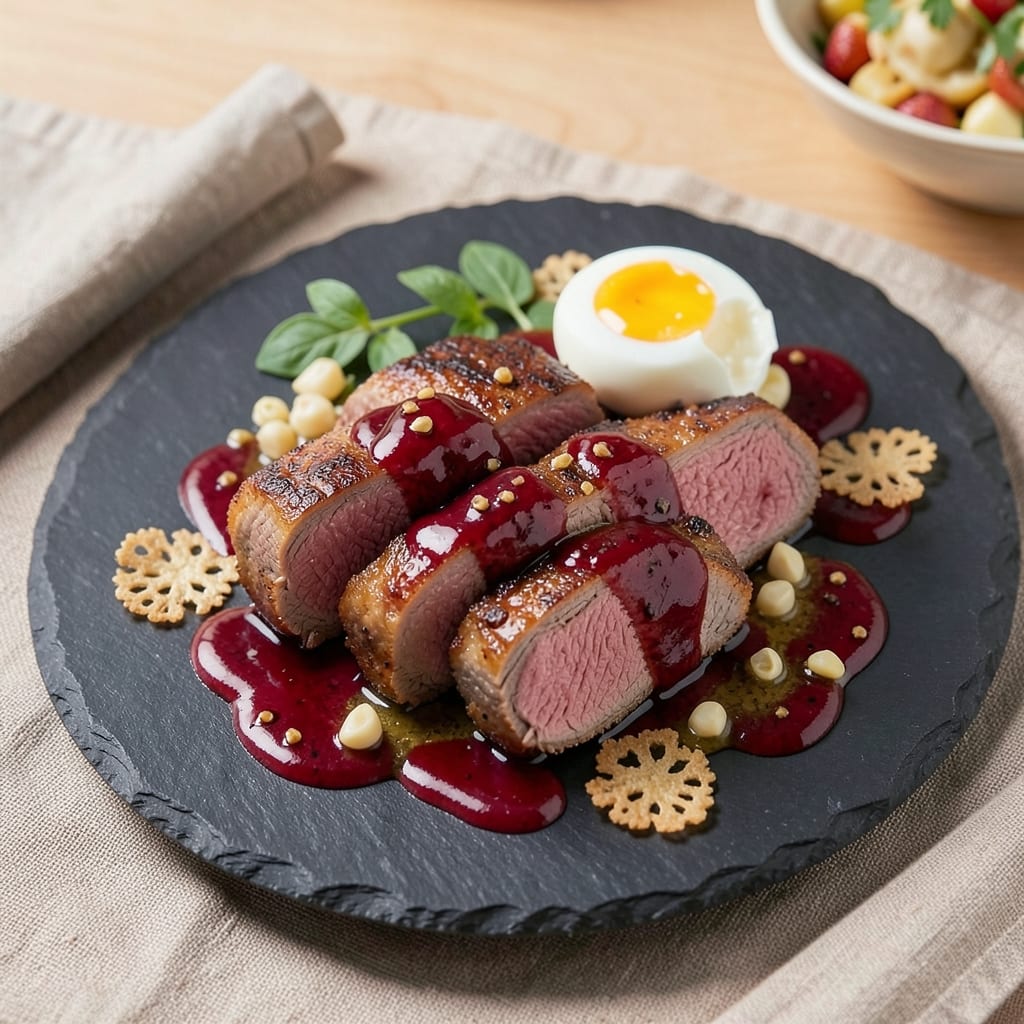
Transforming leftover beef tenderloin into a restaurant-worthy meal doesn’t require magic—just the right technique. This method turns your previous dinner into a pan-seared masterpiece with a rich, caramelized fond that adds depth to every bite. The secret lies in proper slicing, high-heat searing, and using that precious browned crust to create a velvety sauce.
Start by slicing the tenderloin against the grain for maximum tenderness, then sear it in a hot skillet until golden. The fond that forms at the bottom of the pan becomes the base for a lusely sauce, infused with beefy flavor. This approach ensures you won’t waste a single ounce of that expensive cut—just elevated leftovers that taste like a fresh meal.
Pair your seared tenderloin with roasted garlic mashed potatoes or a crisp winter salad to create a balanced plate. The caramelized sauce ties everything together, adding richness without overwhelming the dish. What begins as a leftover transforms into a foolproof, elegant dinner that impresses without the effort.
This method works equally well for lunch or dinner, and the leftovers reheat beautifully. The key is timing—sear quickly, deglaze properly, and serve while the sauce is still warm. Here’s how to make it happen.
Ingredients for leftover beef tenderloin
Transform leftover beef tenderloin into a restaurant-quality dish with these precise ingredients and technique.
| Ingredient | Amount | Notes |
|---|---|---|
| Leftover Beef Tenderloin 🥩 | 1 lb | Sliced against grain, chilled |
| Unsalted Butter 🧈 | 3 tbsp | High-fat content for searing |
| Shallots 🧅 | 2 whole | Finely minced, 1 tbsp total |
| Garlic Cloves 🧄 | 4 cloves | Minced, aromatic base |
| Dry Red Wine 🍷 | ½ cup | Bold variety like Cabernet |
| Beef Stock 💧 | ½ cup | High-quality, homemade preferred |
| Heavy Cream 🥛 | ¼ cup | Full-fat for richness |
| Diamond Crystal Kosher Salt 🧂 | 1 ½ tsp | Adjust to taste |
| Freshly Ground Black Pepper 🌶️ | ½ tsp | Cracked peppercorns preferred |
| Thyme Leaves 🌿 | ¼ tsp | Fresh preferred, dried acceptable |
| Olive Oil 🫒 | 2 tbsp | For preheating pan |
| Fresh Rosemary 🌿 | 1 sprig | For garnish, optional |
The quality of your beef tenderloin matters most here—look for well-marbled, evenly sliced pieces from a trusted butcher. Whole Foods or D'Artagnan carry premium cuts, but any high-quality leftover tenderloin works. Slice against the grain for maximum tenderness, and chill for 30 minutes before searing to ensure even cooking. The butter and olive oil combination is essential for creating that signature caramelized fond—don't substitute with margarine or low-fat alternatives. For the wine, Cabernet Sauvignon or Merlot adds depth, but any bold red will work in a pinch.
No dry red wine? Beef stock with a splash of balsamic vinegar replicates the acidity and richness. Fresh thyme and rosemary can be swapped for 1 tsp dried thyme and 0.5 tsp dried rosemary, but reduce the amount by one-third. The heavy cream can be replaced with half-and-half for a lighter sauce, though the texture will be slightly less luxurious. For the shallots, red onion works in a bind, but mincing finely is key—both add sweetness and balance the beef's richness. If your tenderloin is particularly fatty, reduce the butter to 2 tbsp to avoid an overly greasy sauce.
Prep ahead by chilling the sliced tenderloin and measuring all ingredients in advance—this method demands precision. The fond forms quickly, so keep your wine and stock ready to deglaze immediately after searing. Store any leftovers in an airtight container with a thin layer of beef stock or water to prevent drying. The sauce reheats beautifully, but add a splash of cream or stock to restore its velvety texture. This dish keeps for 3-4 days in the refrigerator, making it perfect for meal prep. For longer storage, freeze the sauce separately for up to 3 months
Why You'll Love This Recipe
- No-Chop Nightmare: I swear by this trick—just slice the tenderloin into thick chunks, no dicing, no fuss. The shallots and garlic get a quick sauté in butter until soft, then the wine deglazes everything while I toss in the beef. Honestly, the hardest part is waiting for the wine to reduce.
- Wine-Kissed Magic: That splash of dry red wine? It’s the secret weapon here. It cuts through the richness of the beef, adds depth, and leaves you with a sauce that’s silky and just slightly tangy—like a fancy bistro dish without the pretension. My husband always asks for seconds, and I don’t even have to pretend to be impressed.
- Weeknight to Dinner Party: This recipe works for lazy Mondays or when unexpected guests show up. Serve it over mashed potatoes for a hearty meal, or let the sauce reduce further and drizzle it over crusty bread for an open-faced sandwich. I’ve even used it as a filling for stuffed portobellos—versatile enough to keep things interesting.
- Zero-Waste Win: Let’s be real—leftover tenderloin can feel like a chore, but this turns it into something special with almost no extra effort. The butter and wine stretch every bite, and the flavors only get better the next day. Between us, this is how I make my grocery budget stretch further without sacrificing taste.
Step-by-step instructions for leftover beef tenderloin revival
Transform chilled beef tenderloin into a restaurant-worthy dish with this precise pan-searing technique.
Prep the Beef and Sear to Perfection
Pat the 1 lb leftover beef tenderloin dry with paper towels—this ensures maximum contact with the pan. Heat 2 tablespoons olive oil in a heavy skillet over medium-high heat until shimmering. Add the beef slices and sear undisturbed for 2 minutes per side until they develop a deep golden crust. The reason for high heat is simple: it creates that coveted Maillard reaction while keeping the interior tender.
I press down gently on the slices during the first minute—this prevents curling and ensures even contact. When the edges are deep brown and the internal temperature reaches 130°F (use a meat thermometer), remove the beef to a plate and tent loosely with foil. Let it rest for 5 minutes while you build the sauce—this resting period redistributes juices and prevents dryness.
Develop the Caramelized Fond
In the same skillet (no scraping needed—the fond is pure flavor), reduce heat to medium and add 3 tablespoons unsalted butter. Let it melt completely, then add the 2 whole shallots and 4 cloves garlic cloves. Cook for 3-4 minutes until the shallots soften and turn translucent, then golden brown. This slow cooking extracts their sweetness without burning.
Deglaze immediately with ½ cup dry red wine, scraping vigorously with a wooden spoon to incorporate all those browned bits. Let it simmer for 2-3 minutes until reduced by half. The alcohol should cook off completely—you'll smell it evaporate. This step transforms ordinary beef into something extraordinary through concentrated flavor.
Build the Velvety Sauce
Pour in ½ cup beef stock and bring to a gentle simmer. Add ½ teaspoon freshly ground black pepper and ¼ teaspoon thyme leaves, then reduce heat to low. Let it simmer uncovered for 5 minutes until slightly thickened. The sauce should coat the back of a spoon—this is your signal to finish.
Stir in ¼ cup heavy cream and taste immediately. Season with 1½ teaspoons Diamond Crystal kosher salt (adjust to taste). The cream adds luxurious body while balancing the acidity from the wine. If the sauce is too thick, add 1 tablespoon water at a time until it reaches a silky consistency. Keep the pan off heat—you don't want to curdle the cream.
Finish and Plate Professionally
Return the beef to the skillet with any accumulated juices. Spoon the sauce over the top and let it sit for 1 minute to heat through completely. The residual heat from the pan will gently cook the sauce without overpowering the tender beef.
Garnish with a sprig of fresh rosemary for visual appeal and aroma. Plate immediately with the sauce pooled around the beef—this presentation makes it look like a fine-dining creation. Serve with roasted vegetables or crusty bread to soak up every last drop of that luxurious sauce.
Pro Tips For Making Leftover Beef Tenderloin
- CHOP SHALLOTS SMALL: I learned this the hard way—big chunks of shallot turn to mush in butter. Dice them into 1/8-inch pieces so they soften without disappearing. (Yes, they’ll still add flavor even if they’re not visible at the end.)
- SWEAT AROMATICS LOW: After burning three batches, I finally figured out: cook shallots and garlic over medium-low heat until just translucent. Too hot and they’ll brown before the wine deglazes, leaving bitter bits. Patience here means smooth sauce.
- DEGLAZE WITH WINE + BUTTER: Pour in the red wine first, let it bubble for 30 seconds, then immediately add a pat of cold butter. The butter cools the alcohol’s harshness and emulsifies the sauce—no need for cornstarch. (Your future self will thank you.)
- SLICE AGAINST THE GRAIN: Leftover tenderloin’s fibers run diagonally. Cut slices perpendicular to those lines for tenderness every bite. If you’re lazy and slice parallel, you’ll get chewy results. (I skip this when I’m tired, but the dish is noticeably better when I don’t.)
Pro cooking tips for leftover beef tenderloin
High-Heat Searing Secrets
Use a heavy stainless steel skillet like All-Clad or Made In—they distribute heat evenly and prevent hot spots. Preheat the pan until a drop of water sizzles instantly. I add the beef slices room temperature (after chilling) to avoid steaming. For extra crispiness, sear over medium-high heat for 2 minutes per side—any longer risks overcooking the center. 🔥
Fond Development Mastery
Never scrape the fond completely—those browned bits are flavor gold. After removing the beef, immediately add 3 tbsp butter to melt into the fond. Cook the shallots and garlic until they're golden brown, not burnt. This step takes 3-4 minutes—rushing leads to bitter flavors. Deglaze with wine right away while the fond is still hot and sticky.
Sauce Thickness Control
For a velvety finish, reduce the wine and stock until it coats the back of a spoon. If the sauce thickens too fast, add 1 tbsp water at a time. I always taste before adding cream—this ensures perfect seasoning. The sauce should be smooth but not gluey—think of it like heavy cream consistency. A fine-mesh sieve helps strain out any cooked garlic bits for a silky texture.
Resting Technique
Let the beef rest 5 minutes before slicing—this keeps it juicy. Tent loosely with foil to prevent drying. I place the plate on a wire rack to allow air circulation. For extra flavor, spoon any accumulated juices from the plate into the sauce before serving. This simple step makes a world of difference in tenderness. 💫
Equipment Upgrades
Invest in a meat thermometer like Thermoworks Smoke to monitor internal temps. A wooden spoon works best for deglazing—it won't scratch your pan. For presentation, use a skillet with high sides to pool the sauce dramatically. I also keep a small saucepan nearby to reheat any extra sauce if needed.
Timing Optimization
Prep all ingredients before starting to sear—this method moves fast. Have your wine, stock, and cream measured and ready. The entire process takes 15-20 minutes from start to finish. I set a timer for 2 minutes per side during searing to avoid overcooking. The sauce comes together in just 10 minutes after the beef is removed. 💡
Nutrition facts
Frequently asked questions
How do I properly slice leftover beef tenderloin for this recipe?
Slice against the grain at a ¼-inch thickness for maximum tenderness. Use a sharp knife and cut perpendicular to the muscle fibers. Chill the meat for 30 minutes first—this makes slicing easier and prevents curling during searing. For even cooking, keep slices uniform in size.
Can I use this method with frozen leftover beef tenderloin?
No, frozen beef won't sear properly. Thaw completely in the refrigerator overnight first. If you're short on time, use the cold water method (sealed in a leak-proof bag) but change the water every 30 minutes. Never microwave—it creates uneven cooking zones that ruin texture.
What if I don't have red wine for the sauce?
Use ½ cup beef stock plus 1 tablespoon balsamic vinegar for depth. For a non-alcoholic version, substitute with apple cider vinegar or lemon juice. The key is acidity—it brightens the sauce and cuts through the richness. If using vinegar, reduce to ½ tablespoon to avoid overpowering.
How can I make this recipe ahead of time?
Prepare the sauce completely and store it in an airtight container in the fridge for 3-4 days. Reheat gently over low heat, adding 1 tablespoon water if it thickens too much. For the beef, slice and refrigerate raw slices (uncooked) for up to 2 days—sear fresh when ready to serve. Never reheat cooked beef from this recipe.
Why did my sauce turn out grainy?
This usually happens from overcooking the garlic or not straining properly. Cook shallots and garlic until just golden (3-4 minutes max), then strain through a fine-mesh sieve before adding cream. For extra silkiness, whisk the sauce vigorously after adding cream to break up any lumps.