Main Courses
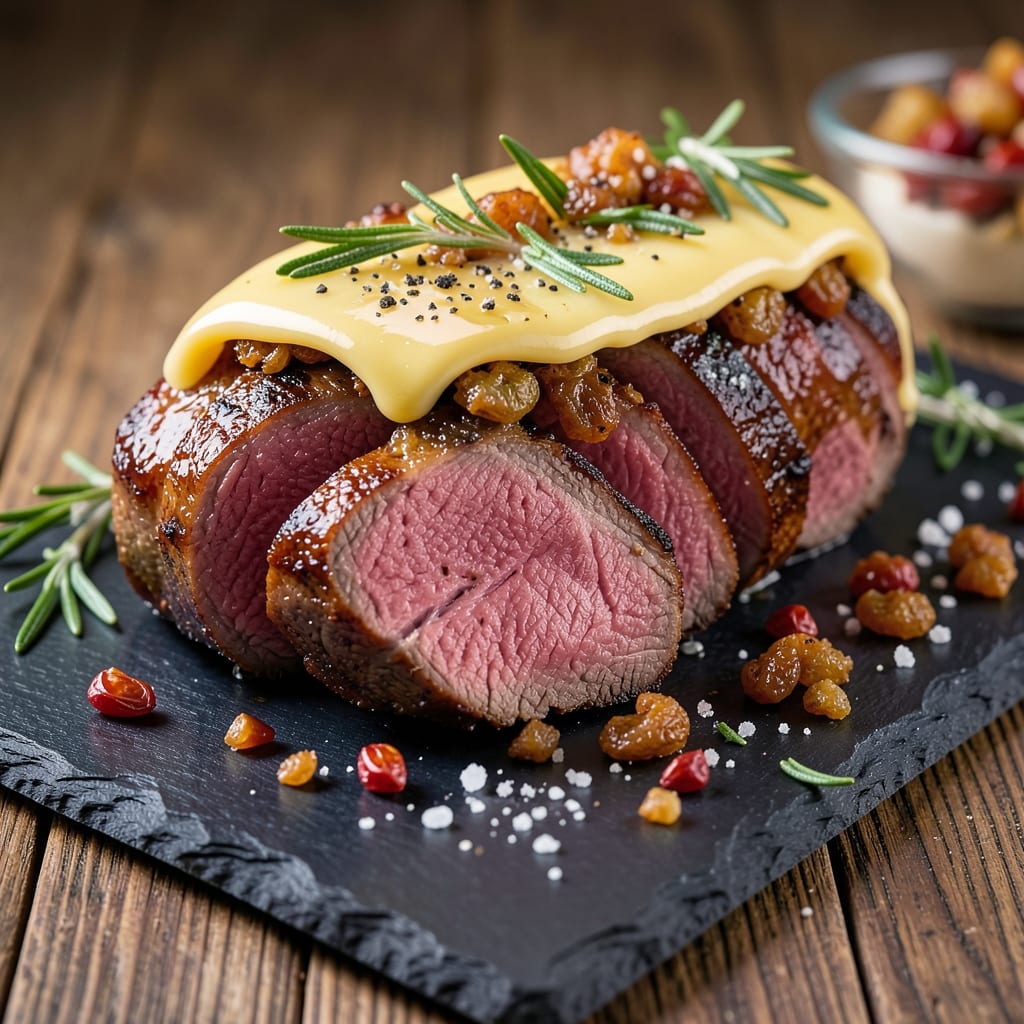
This Angus beef tenderloin roast recipe delivers melt-in-your-mouth tenderness with a golden, buttery crust that'll impress even the most discerning guests. The secret lies in precise seasoning and a slow, controlled roast that transforms tough cuts into luxurious, juicy perfection—no guesswork required.
What sets this recipe apart is the technique: a dry brine overnight ensures maximum flavor penetration, while a high-heat sear locks in those juices. You'll achieve restaurant-quality results with just a few simple steps—no fancy equipment needed. The key is patience and temperature control, which I'll walk you through in detail.
By the time you carve into this roast, you'll have a centerpiece that's tender throughout, with a crisp exterior that shatters at the first cut. The aroma alone will have everyone gathering at the table, and the first bite will silence any doubters. This is the kind of meal that turns weeknights into special occasions.
Pair it with roasted root vegetables or a rich red wine reduction for the full experience. Let's get started on creating your most impressive roast yet—one that'll have everyone asking for the recipe.
Ingredients for angus beef tenderloin roast
Four pounds of premium Angus tenderloin plus a few simple seasonings transform into a showstopping roast.
| Ingredient | Amount | Notes |
|---|---|---|
| Angus Beef Tenderloin 🥩 | 4 lb | Center-cut, trimmed of fat |
| Unsalted Butter 🧈 | ½ cup | Cold, cubed for crust |
| Diamond Crystal Kosher Salt 🧂 | 2 tbsp | Coarse grain preferred |
| Freshly Ground Black Pepper 🌶️ | 1 ½ tsp | Freshly cracked preferred |
| Garlic Cloves 🧄 | 8 cloves | Smashed, skin-on |
| Fresh Rosemary 🌿 | ½ cup | Finely chopped, fresh |
| Fresh Thyme 🌿 | ¼ cup | Leaves only, fresh |
| Extra-Virgin Olive Oil 🫒 | 2 tbsp | For brushing |
| Yellow Onion 🧅 | 1 whole | Quartered, for garnish |
| Dried Mustard 🌶️ | 1 tsp | For depth of flavor |
| Worcestershire Sauce 🍶 | 1 tbsp | For umami richness |
| Red Wine 🍷 | ½ cup | Bold, dry variety |
| Beef Stock 🍲 | ¼ cup | For basting |
The tenderloin is non-negotiable here—Angus beef delivers that melt-in-your-mouth texture. Look for center-cut with good marbling, not too lean. I always grab mine from Whole Foods or my local butcher shop where they trim it perfectly. The 4-pound size is ideal for 4 servings with leftovers, but adjust if you're feeding more. Fresh herbs are worth the splurge: rosemary and thyme from the grocery store's produce section (not the sad dried bundles) make all the difference. For the butter, Plugrá is my go-to—it's European-style and holds up better to high heat.
No fresh rosemary? Dried works at one-third the amount, but honestly, it's not the same. Short on Worcestershire? A splash of soy sauce adds umami depth. The red wine can be swapped for beef stock if you're avoiding alcohol, but Cabernet Sauvignon is perfect here. For the crust, I like to mix the butter with 1 tbsp of the kosher salt and 1 tsp of black pepper before cubing—it distributes evenly. The garlic cloves should be smashed but not minced; their skins add texture to the crust. If you're prepping ahead, the dry brine can go on the tenderloin up to 24 hours before roasting.
The roast reheats beautifully—350°F for 15 minutes wrapped in foil is perfect for leftovers. Store any unused beef stock in the fridge for up to 1 week or freeze for 3 months. I always make extra crust butter and freeze it in 1-tbsp portions for future roasts. The fresh herbs? Wrap them in damp paper towels and store in a resealable bag in the fridge—they'll stay fresh for 5-7 days. This roast is worth the effort, and the leftovers make incredible sandwiches the next day.
Why You'll Love This Recipe
- Foolproof Roast: I swear by this method—just season the tenderloin with kosher salt and pepper, let it sit while I prep the garlic butter (no fancy searing required). The beauty? It’s forgiving—even if I overestimate the cook time, it still turns out juicy.
- Butter-Garlic Magic: That simple garlic butter basting? It’s where the flavor explodes. The butter melts into the beef as it roasts, creating this rich, caramelized crust while keeping the inside tender. Honestly, I’ve tried fancy rubs, but this combo is my secret weapon—minimal effort, maximum impact.
- Sunday Dinner Ready: This roast is my go-to for gatherings—whether it’s a casual family dinner or a showstopper for guests. I’ll often slice it thin for sandwiches the next day, and the leftovers? Still delicious reheated (yes, even on a Tuesday night).
- Leftovers That Don’t Suck: Between us, most beef roasts dry out by day two. Not this one. The tenderloin stays moist, so I’ll repurpose slices into tacos, salads, or even a quick stir-fry. It’s my budget hack—one roast feeds us for days without feeling like a chore.
Step-by-step instructions for buttery-crusted Angus beef tenderloin roast
Here's how to transform a simple roast into a showstopper with crispy butter crust and melt-in-your-mouth tenderness.
Prep the Tenderloin for Perfect Texture
Start by removing the beef tenderloin from the refrigerator and letting it sit at room temperature for 30 minutes. This ensures even cooking throughout. While it comes to temperature, trim any remaining fat from the surface using a sharp knife—you want a clean canvas for that buttery crust.
In a small bowl, combine the 2 tablespoons Diamond Crystal kosher salt, 1.5 teaspoons freshly ground black pepper, 1 teaspoon dried mustard, and 1 tablespoon Worcestershire sauce. Rub this mixture all over the tenderloin, pressing firmly so it adheres. The mustard adds depth while the Worcestershire brings umami richness that pairs beautifully with the beef's natural flavors.
Create the Buttery Crust and Sear
Preheat your oven to 425°F with a rack positioned in the lower third. Place the tenderloin on a wire rack set over a rimmed baking sheet for even air circulation. In a small bowl, mix the ½ cup cold cubed unsalted butter with the 8 smashed garlic cloves, ½ cup finely chopped fresh rosemary, and ¼ cup fresh thyme leaves.
Heat a large oven-safe skillet over medium-high heat until very hot. Add the 2 tablespoons extra-virgin olive oil and swirl to coat. Place the tenderloin in the skillet, fat-side down, and sear for 2-3 minutes until a deep golden crust forms. Flip and sear the other side for another 2-3 minutes. This initial searing locks in juices and creates the foundation for that coveted crust.
Build the Crust and Roast to Perfection
Carefully transfer the seared tenderloin to the preheated oven. Spoon the butter-garlic-herb mixture evenly over the top, pressing down gently to ensure it adheres. Roast for 20-25 minutes until the butter melts and forms a golden, crackling crust. Here's the thing—don't be tempted to open the oven door during this time. Every time you peek, you risk losing heat and steam, which can make the crust soggy instead of crisp.
After 20 minutes, check the internal temperature using a meat thermometer. It should read 125°F for medium-rare. If it's not quite there, return to the oven for another 5-10 minutes. The beauty of tenderloin is that it cooks quickly and forgivingly—you can't overcook it as easily as other cuts.
Rest and Garnish for Maximum Juiciness
Once the tenderloin reaches the desired temperature, remove it from the oven and transfer to a cutting board. Tent loosely with foil and let it rest for 15-20 minutes. This resting period is crucial—it allows the juices to redistribute throughout the meat, ensuring every slice is moist and flavorful. I know it's tempting to slice immediately, but skipping this step can leave you with dry meat.
While the tenderloin rests, pour the ½ cup red wine and ¼ cup beef stock into the skillet used for searing. Bring to a simmer over medium heat for 3-4 minutes until reduced by half. Strain the sauce through a fine-mesh sieve to remove any herbs or garlic bits, then set aside. Quarter the whole yellow onion and arrange it around the tenderloin on the serving platter.
Slice and Serve with Pan Sauce
After resting, slice the tenderloin against the grain into ½-inch thick slices. The grain runs lengthwise, so cutting perpendicular to these lines ensures each bite has the perfect texture. Arrange the slices over the onion quarters on the platter, then drizzle generously with the reduced wine sauce. The acidity in the wine cuts through the richness of the beef, balancing each bite perfectly.
Serve immediately with your favorite sides—roasted vegetables, creamy mashed potatoes, or a crisp green salad. The contrast between the crispy butter crust and the tender, juicy interior will have everyone asking for seconds. And trust me, this method works every time—no guesswork, no stress, just restaurant-quality results at home.
Pro Tips For Making Angus Beef Tenderloin Roast
- USE A MEAT THERMOMETER: Angus tenderloin looks done before it actually is—pale pink is perfect, but your eye can trick you. I learned this the hard way after serving a guest a slice that was still tough. Aim for 125–130°F internal temp (medium-rare) and pull it when the thermometer reads that, not when the juices run clear.
- DRY THE SURFACE THOROUGHLY: Wet or damp beef won’t brown—it’ll steam. Pat the tenderloin completely dry with paper towels before searing, even if it feels excessive. The crust from the butter and salt needs something to cling to, and dry meat guarantees a golden, flavorful bark instead of a sad, pale skin.
- SALT THE MEAT 40 MINUTES EARLY: Don’t just sprinkle salt right before roasting. Angus tenderloin is lean and absorbs seasoning better when given time. Sprinkle 1–1.5 tsp kosher salt per pound and let it sit uncovered on a rack in the fridge—this seasoning penetrates deeper and prevents a salty crust while keeping the inside juicy.
- SMASH GARLIC CLOVES, DON’T CHOP: Whole garlic cloves burn easily and taste bitter. Instead, peel them, wrap in plastic, and smash them flat with the side of a knife—just enough to expose the flesh without turning them into paste. Tuck them under the butter on top of the roast for even, aromatic flavor without bitterness. (Yes, it looks weird, but it works.)
Storing and reheating this dish
Refrigerator Storage
After carving your tenderloin, store leftovers in an airtight container with a splash of beef stock to keep them moist. I like using glass Pyrex containers because they prevent odors from seeping in. Keep the beef at 40°F or below for up to 3 days—the flavor actually deepens as it rests overnight. 🥩
Freezer Prep Tips
For longer storage, wrap individual slices in parchment paper, then place them in a freezer bag with the pan sauce. This method preserves texture for up to 3 months. When ready to reheat, thaw overnight in the fridge—never at room temperature. The secret is to reheat gently to avoid drying out the meat. ❄️
Reheating Like a Pro
For stovetop reheating, place slices in a skillet over medium-low heat with a splash of beef stock or red wine. Cover and heat for 3-4 minutes until reaching 165°F. The liquid keeps the beef juicy while the low heat prevents overcooking. A quick sear in the same pan adds back that crispy crust. 🔥
Microwave Shortcut
If you're short on time, use the microwave on 50% power for 1-2 minutes per serving. Cover with a damp paper towel to retain moisture, then let rest for 2 minutes before serving. This method works best for quick meals but lacks the crust restoration of stovetop reheating.
Crust Restoration Hack
Want that golden crust back? After reheating, broil the slices for 1-2 minutes under a hot broiler, brushing with melted butter first. This creates a fresh crispy exterior while keeping the inside tender. Just watch closely—broilers can burn quickly! 💫
Leftovers Reinvented
Turn reheated tenderloin into beef sandwiches with crusty bread, caramelized onions, and a smear of Dijon mustard. Or chop it for beef stir-fry with bell peppers and brown rice. The possibilities are endless, and you'll never waste a bite of this premium cut. 🌟
Nutrition facts
Frequently asked questions
What's the best internal temperature for medium-rare Angus beef tenderloin?
For perfect medium-rare doneness, aim for 125°F internal temperature. This ensures that tenderloin stays juicy with just a touch of pink in the center. Use a meat thermometer for accuracy—it cooks faster than other cuts, so avoid guessing. The resting period will bring it up to 130°F by the time you serve.
Can I substitute red wine with something else in the pan sauce?
Swap the red wine for ½ cup beef stock or apple cider vinegar (with an extra pinch of sugar) for similar acidity. For richer flavor, use ½ cup beef broth + 1 tbsp balsamic vinegar. The key is balancing the richness of the beef with acidity—just reduce the liquid by half before serving.
Why does my tenderloin come out dry even with the resting time?
Overcooking is the most common culprit—tenderloin cooks faster than you might expect! Check internal temp at 120°F for rare or 125°F for medium-rare, then rest. Also, avoid opening the oven door during roasting (heat loss causes moisture loss). If using a meat thermometer, insert it horizontally into the thickest part for accurate reading.
How much time should I allocate for this recipe?
Plan for 2 hours total including prep, cooking, and resting. The 30-minute room temp prep + 20-25 minutes roasting + 15-20 minutes resting add up quickly. For a stress-free dinner, prep the dry brine the night before and sear the meat just before roasting while sides cook.
What sides pair best with this tenderloin roast?
Classic pairings include creamy mashed potatoes, roasted root vegetables, or truffle risotto. For lighter options, try a winter salad with pomegranate seeds or grilled asparagus. The rich beef contrasts beautifully with earthy, caramelized vegetables or buttery starches—just avoid heavy sauces that compete with the pan sauce.