
Main Courses
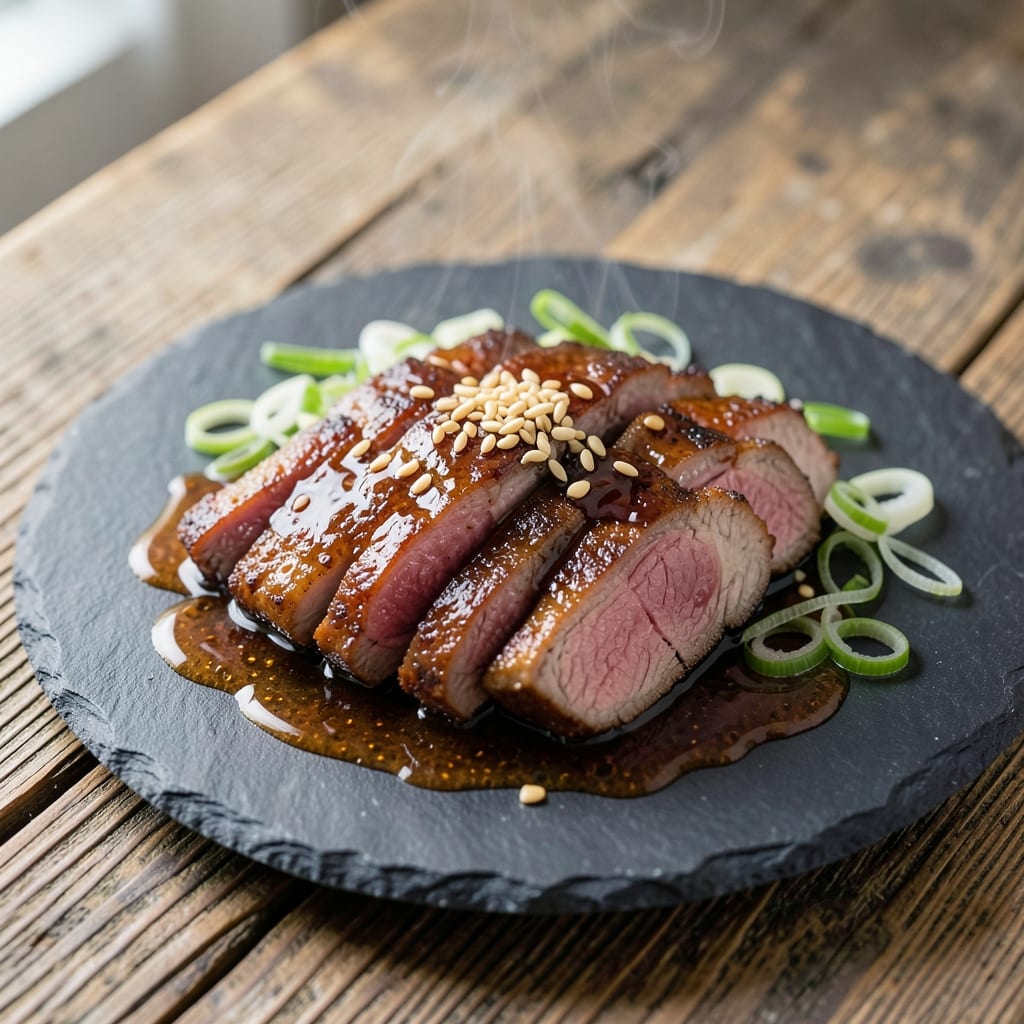
Japanese beef liver recipe transforms a humble ingredient into a restaurant-worthy dish with just the right balance of crispy edges and tender centers. I learned this technique from a Tokyo chef who swore by the marinating process—it's what makes the difference between tough and silky. The key lies in the preparation: a quick soak in soy sauce and sake, then a fast sear in a screaming-hot wok.
What sets this recipe apart is the combination of traditional Japanese flavors with modern cooking methods. You'll start with a simple marinade of soy sauce, mirin, and a touch of sugar, which tenderizes the liver while infusing it with umami depth. The wok-searing technique ensures that outer layer stays crispy while keeping the inside perfectly tender—this is where most home cooks go wrong.
By the time you plate this dish, you'll have perfectly seared liver slices with a glossy sheen from the marinade, served alongside steamed rice and quick-pickled vegetables for brightness. The contrast between the crispy exterior and tender interior creates a texture that's impossible to resist. This is comfort food elevated to fine dining standards.
The beauty of this recipe is its versatility—it works equally well as a weeknight dinner or a special occasion meal. Pair it with miso soup for a complete Japanese-inspired feast, or serve with a side of ponzu for extra zing. The technique is straightforward once you understand the timing, and the results are always impressive.
Ingredients for japanese beef liver
Japanese beef liver transforms humble ingredients into a restaurant-worthy dish with crispy edges and silky centers.
| Ingredient | Amount | Notes |
|---|---|---|
| Beef Liver 🥩 | 1 ½ lb | Fresh, trimmed of connective tissue |
| Soy Sauce 🥢 | ½ cup | High-quality, preferably Japanese |
| Mirin 🍶 | ¼ cup | Sweet cooking wine essential |
| Granulated Sugar 🍚 | 1 tbsp | White or raw cane sugar |
| Sake 🍶 | ¼ cup | Dry variety preferred |
| Vegetable Oil 🫒 | ½ cup | High smoke point for searing |
| Fresh Ginger 🌿 | 1 tbsp | Finely grated, aromatic |
| Garlic Cloves 🧄 | 4 cloves | Minced, fresh preferred |
| Neutral Oil 🫒 | 2 tbsp | For wok searing |
| Sesame Seeds 🌰 | 1 tbsp | Toasted for garnish |
| Salt 🧂 | 1 tsp | Kosher or sea salt |
| Black Pepper 🌶️ | ½ tsp | Freshly ground |
| Rice Vinegar 🍶 | 1 tbsp | For finishing drizzle |
The beef liver is non-negotiable—freshness is everything. Look for vibrant, deep-red pieces with no yellowing at the butcher counter. Whole Foods or high-end grocery stores often carry the best quality, but ask your local butcher for the freshest cut. The liver should be cold when you receive it, and the packaging should be intact. If it smells even slightly off, walk away. For this recipe, 1.5 pounds serves four beautifully, assuming each person gets three or four slices. Trim off any connective tissue or fat before slicing—this makes all the difference in texture.
No mirin? Substitute with 1 tablespoon of sugar plus 1 tablespoon of dry white wine, though the flavor won't be identical. Fresh ginger is ideal, but if you only have powdered, reduce to half the amount—it lacks the same aromatic punch. The soy sauce should be Japanese-style, like Kikkoman, not the thicker American varieties. For the oil, avocado or grapeseed oil works best for high-heat searing, but vegetable oil is fine in a pinch. The sesame seeds can be omitted if you're avoiding nuts, but toasting them in a dry pan for 30 seconds before using adds incredible depth of flavor. If you're short on time, skip the rice vinegar drizzle—it's more for presentation than necessity.
Store any leftover liver in an airtight container in the fridge for up to 2 days, though I recommend making this fresh. The marinade components (soy sauce, mirin, sake) can be pre-mixed and stored in the fridge for up to 1 week if you want to prep ahead. For the best results, sear the liver immediately after slicing—it's a quick process, but timing is critical. If you're serving this at a gathering, keep the cooked liver warm in a 200°F oven while you finish other dishes. The crispy edges soften quickly once removed from the wok, so serve immediately for that perfect contrast.
Why You'll Love This Recipe
- Five-Ingredient Magic: I swear by this recipe when I need a meal that requires almost no effort. Just sear the liver, toss in soy, mirin, sugar, and sake—no chopping, no fuss—just pure, rich flavor with minimal cleanup.
- Umami Bomb: That combo of soy sauce and mirin? It transforms beef liver from "meh" to "mind-blowing." The sugar caramelizes just enough to balance the deep, savory notes, while the sake adds a subtle, elegant finish—like a secret weapon in your pantry.
- Weeknight or Weekend: This dish works for a rushed Tuesday or a fancy dinner with friends. Serve it sliced thin over rice for a quick lunch, or plate it with steamed greens and miso soup for a full meal—no extra effort, just adaptability.
- Budget Powerhouse: Beef liver is one of the most affordable cuts of meat, and this recipe stretches it further with just a splash of sake and a spoonful of sugar. Honestly, it’s the kind of meal that makes me feel like I’m feeding a crowd without breaking the bank.
Step-by-step instructions for Japanese beef liver recipe
Master this technique for restaurant-quality liver with perfect balance between crispy exterior and tender interior.
Prepare the Liver for Even Cooking
Begin by trimming away any connective tissue or silver skin from the 1.5 lb beef liver using a sharp knife. This step is crucial as connective tissue can make the liver tough. Cut the liver into 1-inch thick slices—this thickness ensures even cooking throughout.
In a medium bowl, combine the 0.5 cup soy sauce, 0.25 cup mirin, 0.25 cup sake, 1 tbsp granulated sugar, 1 tbsp finely grated fresh ginger, 4 minced garlic cloves, 1 tsp salt, and 0.5 tsp black pepper. Whisk until the sugar dissolves completely. Add the liver slices and marinate for 15-20 minutes at room temperature. This marinade not only seasons but also begins tenderizing the meat.
Create the Perfect Searing Base
Heat a large wok or skillet over high heat until it's smoking hot. Add 2 tbsp neutral oil and swirl to coat the entire surface. The oil should shimmer but not smoke excessively—this indicates the right temperature for searing. Let the oil heat for 2-3 minutes to ensure it's fully ready before adding the liver.
Working in batches to avoid overcrowding, carefully place the marinated liver slices into the wok. Cook undisturbed for 1-2 minutes per side until the edges develop a deep golden-brown crust. This crust is essential for that authentic Japanese restaurant texture. If the liver releases easily from the pan, it's ready to flip—press gently with a spatula to check.
Finish with Crispy Perfection
Once all sides are golden brown, reduce heat to medium-high and add the remaining 0.5 cup vegetable oil. Immediately pour in the 1 tbsp rice vinegar and let it sizzle for 30 seconds to deglaze the pan. This step adds brightness and helps create a glossy finish on the liver.
Return the liver to the wok and toss gently to coat in the oil and vinegar mixture. Cook for an additional 1-2 minutes until the liver reaches an internal temperature of 145°F—this ensures it's cooked through but still silky in the center. The liver should be crispy on the outside with a slightly caramelized sheen.
Garnish and Serve Immediately
Transfer the cooked liver to a serving platter and immediately sprinkle with 1 tbsp toasted sesame seeds. The seeds add a nutty aroma and visual contrast to the deep golden-brown liver. Serve while still sizzling hot, accompanied by steamed rice or a simple green salad to balance the rich flavors.
This technique delivers that signature Japanese restaurant texture—crispy yet tender, with a perfect balance of sweet, savory, and umami flavors. The key is timing and temperature control, so don't rush the searing process. Each bite should offer a satisfying contrast between the crispy exterior and the velvety interior.
Pro Tips For Making Japanese Beef Liver
- Slice Thin, Slice Even: Beef liver cooks fast—about 30 seconds per side—and uneven slices mean some parts overcook while others stay raw. Grab a sharp knife, hold it flat, and cut slices about ¼-inch thick, like you’re slicing cold cuts. No need for fancy techniques, just consistent pressure.
- Salt Liver First, Then Wait: I learned this the hard way—skipping the pre-salting makes the liver turn rubbery. Pat the slices dry, sprinkle both sides with ½ teaspoon of salt per pound, and let them sit on a plate for 10 minutes. The salt draws out moisture, so blot them again before cooking. Trust me, your pan won’t smoke as much.
- Deglaze with Sake Last: The sauce needs time to reduce, but if you dump all the sake in at once, you’ll end up with a thin, boozy glaze instead of a glossy, caramelized one. Start with 1 tablespoon, let it simmer for 2 minutes, then add the rest. The sugar and mirin will thicken it up nicely—just don’t walk away.
- Use Cold Liver, Hot Pan: Cold liver sears better than room-temperature, and a screaming-hot pan (medium-high, not high) gives you that perfect crust without burning the sauce. Heat your pan for 2 minutes before adding the liver, and resist the urge to move them around—let them sit until the edges crisp, about 1-2 minutes per side. Patience here makes all the difference.
Common mistakes when making great japanese beef liver
Over-Marinating Risks
The marinade is your secret weapon, but leaving liver in it too long—beyond 20 minutes—can actually make it mushy. I learned this the hard way when I let mine soak overnight. The acid in soy sauce and sake breaks down proteins aggressively, turning tender beef liver into a sad, watery mess. Stick to the 15-20 minute window for perfect texture. 🥩
Uneven Thickness Causes
Slicing liver unevenly leads to some pieces overcooking while others stay raw. I see home cooks rush this step with a dull knife, creating jagged edges. Use a sharp chef's knife and aim for 1-inch thick slices—any thicker and the center stays cold, any thinner and it burns instantly. Measure each slice with a ruler if you're unsure. 📏
Skipping the Resting Phase
Freshly cooked liver needs 2-3 minutes of resting before serving, but many people serve it immediately. This is a huge mistake—the juices redistribute during resting, keeping the meat moist. I've seen plates of liver turn dry and stringy when served straight from the wok. Tent with foil and let it rest while you finish sides. ⏳
Wrong Oil for Searing
Using low-smoke-point oils like olive oil for high-heat searing creates smoke and burns the liver's edges before the center cooks. I recommend avocado or grapeseed oil for that perfect 400°F+ sear. If you only have vegetable oil, make sure it's fresh—old oil breaks down at high heat and imparts bitter flavors. 🔥
Overcrowding the Pan
Placing too many liver slices at once causes them to steam instead of sear. I've seen home cooks try to cook the whole batch at once, resulting in soggy, unevenly cooked liver. Work in 2-3 slices per batch and give each piece space to develop that golden crust. A 12-inch cast iron skillet works perfectly for this. 🍳
Ignoring Internal Temp
Many people rely on visual cues alone, but beef liver needs to reach 145°F internal temperature for safety and perfect doneness. I use a meat thermometer inserted into the thickest slice. Undercooked liver tastes raw and unpleasant, while overcooked liver turns tough. The 145°F mark gives you that perfect crispy-tender contrast. 🌡️
Nutrition facts
Frequently asked questions
Can I substitute chicken or pork liver for beef liver?
While chicken or pork liver can work, the texture and flavor will differ significantly. Beef liver has a richer, slightly gamey taste that pairs perfectly with Japanese seasonings. Chicken liver cooks faster and becomes dry more easily, while pork liver is slightly fattier. If substituting, reduce cooking time by 1-2 minutes per side and use a meat thermometer to ensure it reaches 145°F.
What's the best way to store leftover cooked liver?
Store cooked liver in an airtight container in the fridge for up to 2 days. For longer storage, freeze it for up to 1 month—wrap individual slices tightly in plastic wrap first. Reheat gently in a skillet over low heat for 2-3 minutes to restore crispiness. Never microwave, as it makes the liver rubbery.
Why does my liver turn out tough instead of tender?
Overcooking or using thick slices are the most common causes. Always aim for 1-inch thick slices and cook until the internal temperature reaches 145°F—no higher! Also, avoid over-marinating (beyond 20 minutes) as the acid breaks down the proteins too much. The marinade should tenderize, not dissolve, the meat.
Is this recipe suitable for a special occasion dinner?
This dish elevates any meal with its restaurant-quality presentation. Serve on a platter with toasted sesame seeds and drizzle with extra ponzu sauce for a dramatic finish. Pair with steamed rice, miso soup, and quick-pickled vegetables for a complete Japanese-inspired feast. The crispy-tender texture makes it feel luxurious while being simple to prepare.
Can I make this recipe ahead of time?
Prep the marinade up to 1 week ahead and store it in the fridge. However, slice the liver just before cooking—it releases juices quickly when cut. For the best results, marinate and cook the liver fresh on the day of serving. The crispy texture won't hold up well if made ahead, but you can reheat pre-cooked slices gently in a skillet.