
Soups & Stews
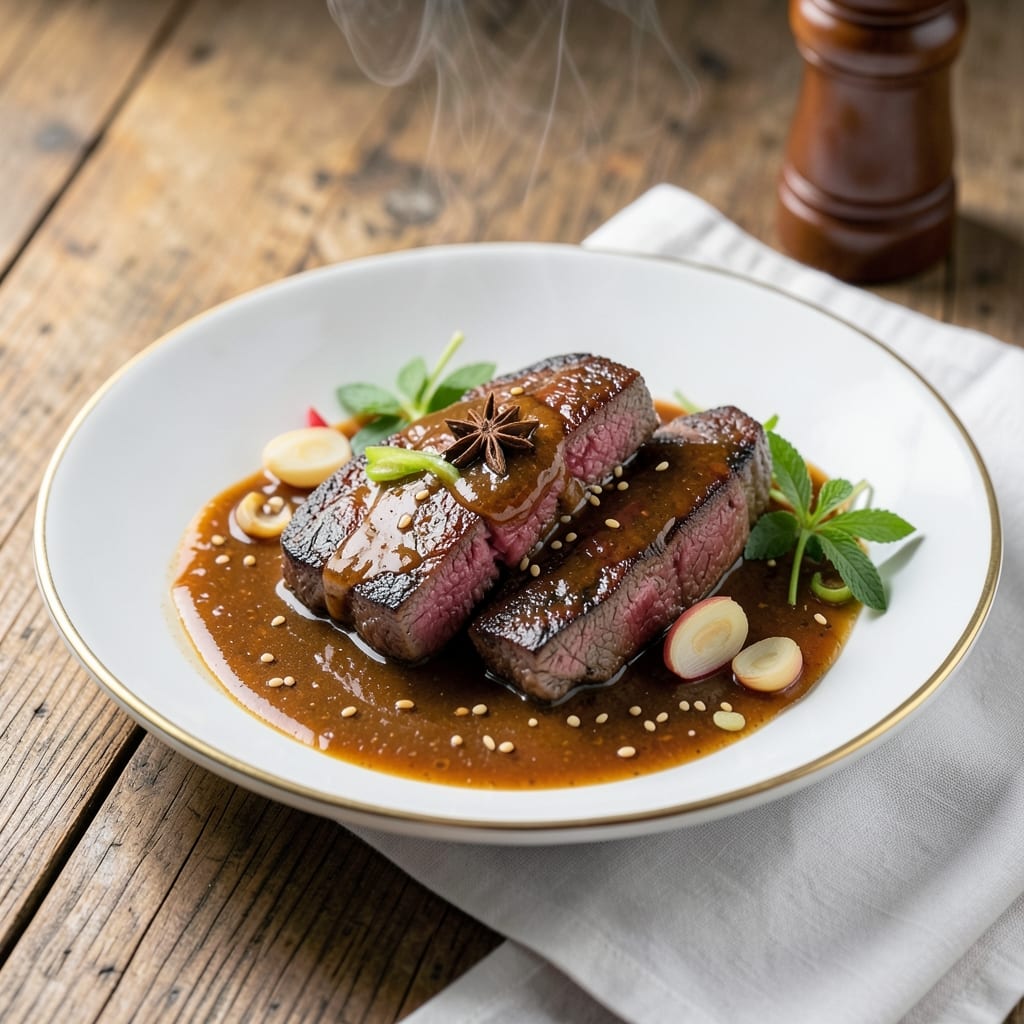
This Asian gravy beef recipe delivers the perfect balance of wok-seared crispy edges and a silky, soy-rich sauce that clings to every bite. 🔥 The technique combines high-heat searing with slow simmering to create tender beef with a caramelized crust, all wrapped in a deeply flavorful gravy that's rich yet light. What sets this dish apart is the fusion of traditional Asian techniques with modern shortcuts—ideal for weeknight dinners that feel like a restaurant meal.
The foundation of this recipe lies in the beef preparation: thinly sliced ribeye or flank steak is first seared in a hot wok until golden, then simmered in a fragrant blend of garlic, ginger, and star anise before the gravy comes together. The sauce itself is a harmonious mix of soy sauce, mirin, and a touch of brown sugar, creating a perfect balance of salty, sweet, and umami flavors. Unlike many Asian beef dishes, this one delivers both texture contrast and depth of flavor without requiring hours in the kitchen.
By the time you serve this dish, you'll have perfectly tender beef with crispy edges, all swimming in a glossy, aromatic gravy that coats every bite. The sauce is rich enough to stand alone but light enough to let the beef shine. This recipe works beautifully over steamed rice or noodles, making it a complete meal that's as satisfying as it is elegant. The best part? It comes together in under an hour, with minimal prep work.
Whether you're serving this for a family dinner or impressing guests, the combination of textures and flavors will leave everyone asking for seconds. The crispy edges add a satisfying crunch, while the silky gravy ensures each bite is packed with flavor. Here's how to make it—simple steps for restaurant-quality results at home.
Ingredients for asian gravy beef
These 15 ingredients create restaurant-quality Asian gravy beef with crispy edges and silky sauce.
| Ingredient | Amount | Notes |
|---|---|---|
| Ribeye Steak 🥩 | 1 ½ lb | Thinly sliced against grain |
| Flank Steak 🥩 | 1 ½ lb | Alternative to ribeye |
| Garlic Cloves 🧄 | 6 cloves | Minced for aromatics |
| Fresh Ginger 🌿 | 2 tbsp | Grated finely (peeled) |
| Star Anise 🌶️ | 2 whole | Lightly crushed |
| Light Soy Sauce 🥄 | ½ cup | Kikkoman preferred |
| Dark Soy Sauce 🥄 | 2 tbsp | For depth of color |
| Mirin 🍶 | 2 tbsp | Sweet rice wine |
| Brown Sugar 🍚 | 2 tbsp | Packed lightly |
| Cornstarch 🌾 | 1 tbsp | For sauce thickening |
| Sesame Oil 🫒 | 1 tbsp | Toasted for aroma |
| Neutral Oil 🫒 | ½ cup | Vegetable or canola |
| Green Onions 🧅 | 4 whole | Sliced for garnish |
| Sesame Seeds 🌿 | 1 tbsp | Toasted lightly |
| White Rice 🍚 | 2 cups | Uncooked, long grain |
The beef is everything here—ribeye or flank steak sliced thinly against the grain for maximum tenderness. Costco or Whole Foods usually have pre-sliced options, but if you're cutting your own, use a sharp knife and freeze the meat 30 minutes first. Fresh ginger and garlic? Trader Joe's sells pre-peeled ginger, which is a lifesaver. Star anise can be tricky to find—check the Asian aisle or order online if your grocery store doesn't stock it. For the soy sauces, Kikkoman light and Lee Kum Kee dark are my go-tos—they're the ones I find most consistently in stores.
No ribeye? Flank steak works perfectly—just make sure it's sliced thinly. Running low on mirin? Substitute 1 tbsp honey plus 1 tbsp rice vinegar. The cornstarch is non-negotiable for that silky sauce texture, but if you're out, arrowroot powder works too. Sesame oil adds incredible aroma, but use sparingly—just 1 tbsp. Too much will overpower the dish. Brown sugar can be swapped for white sugar, though it won't caramelize as beautifully. And if you're feeling fancy, toasted sesame seeds elevate this dish instantly—no substitutions needed there.
The beef keeps best in the fridge for 2 days before cooking, but the sauce components last 1 week. Prep the sauce ahead—it actually tastes better after sitting overnight. For the rice, use a 1:1.5 rice-to-water ratio and cook it separately. Leftovers? This reheats beautifully—just add a splash of water to the sauce to loosen it up. Store everything in airtight containers, and you'll have quick weeknight dinners sorted for days.
Why You'll Love This Recipe
- One-Pan Magic: I swear by this—just sear the steak, toss in the garlic, ginger, and star anise, then let the sauce thicken. No flipping pans, no stress. The star anise infuses that deep, aromatic warmth while you’re still chopping veggies for the side.
- Umami Bomb: That first bite? Rich, caramelized edges from the seared steak, then a velvety gravy packed with ginger’s zing and garlic’s punch. The star anise adds this subtle licorice note that makes it taste restaurant-quality—not just another beef dish.
- Weeknight to Dinner Party: Slap it on rice for a lazy Tuesday, or serve it over noodles for date night. Honestly, I’ve even brought it to potlucks—people assume I slaved over it, but it’s really just a steak and a sauce. The flank steak’s affordability means you can feed four without breaking the bank.
- Leftovers That Don’t Suck: Between us, most beef leftovers turn into sad, dry scraps. Not this. The gravy clings to the meat, so reheating is a breeze—just a quick warm-up in a skillet. My kids actually ask for it the next day, and that’s saying something.
Step-by-step instructions for wok-seared Asian gravy beef
Here's how to achieve restaurant-quality wok-seared beef with crispy edges and a velvety soy-rich sauce.
🔥 Step 1: Slice and Marinate the Beef for Maximum Flavor
Slice the 1.5 lb ribeye steak and 1.5 lb flank steak thinly against the grain into ¼-inch thick strips. The grain direction is easy to spot—it's the natural lines running through the meat. You want each strip to be uniform in thickness for even cooking.
In a large bowl, combine the sliced beef with 6 cloves minced garlic, 2 tbsp finely grated fresh ginger, 2 whole lightly crushed star anise, 0.5 cup light soy sauce, 2 tbsp dark soy sauce, and 2 tbsp mirin. Mix gently but thoroughly to coat all surfaces of the beef. Let this marinate at room temperature for 30-45 minutes—this ensures deep flavor penetration and tender results.
🍳 Step 2: Wok-Sear the Beef for Crispy Edges
Heat a wok or large skillet over high heat until it's smoking hot. Add 0.5 cup neutral oil and swirl to coat the bottom evenly. Working in batches (don't overcrowd), add the marinated beef and spread it out in a single layer. Cook undisturbed for 1-2 minutes per side until the edges turn deep golden brown and crispy.
Here's the thing—resist the urge to stir constantly. Let the beef develop that beautiful crust. You'll know it's ready when the edges look caramelized and the meat releases easily from the pan. Transfer the cooked beef to a plate and tent loosely with foil to keep warm.
🍳 Step 3: Build the Silky Gravy Sauce
In the same wok, reduce heat to medium-high and add 2 tbsp brown sugar. Stir for 30 seconds until it melts and begins to caramelize slightly. Pour in 2 tbsp mirin and scrape up any browned bits from the bottom of the pan—this is where all the flavor hides.
Add 1 tbsp cornstarch and stir for 1 minute until it's fully incorporated. Slowly pour in 0.5 cup light soy sauce and 2 tbsp dark soy sauce, stirring constantly. The sauce should begin to thicken almost immediately. If it gets too thick, add 1-2 tablespoons of water to reach your desired consistency.
🥘 Step 4: Combine and Finish with Aromatics
Return the crispy beef to the wok along with any accumulated juices. Stir gently to coat everything in the sauce. Add 1 tbsp toasted sesame oil and 1 tbsp toasted sesame seeds for that authentic Asian aroma. Taste and adjust seasoning if needed—you might want to add a pinch more salt or a splash of soy sauce for balance.
Cook for another 1-2 minutes just to heat everything through. The beef should be perfectly tender with crispy edges, and the sauce should be glossy and cling to every strand. Remove from heat immediately—this dish doesn't wait.
🍚 Step 5: Serve Over Steamed Rice
Cook the 2 cups white rice according to package instructions until perfectly tender. Divide the rice among serving plates and top generously with the wok-seared beef and sauce. Garnish with 4 whole sliced green onions for freshness and color.
Here's where it gets fun—serve immediately while the beef is still crispy and the sauce is silky. Each bite should deliver that perfect combination of tender beef with crispy edges, sweet and salty soy sauce, and aromatic sesame notes. Don't forget to save some for leftovers—the flavors only get better the next day!
Pro Tips For Making Asian Gravy Beef
- SEAR STEAKS IN BATCHES: I learned this the hard way—crowding the pan turns your ribeye into sad, steamed meat. Cook 2-3 pieces at a time over high heat, and don’t move them until they’ve got a deep crust. The first batch will take 3-4 minutes; if your pan’s too busy, the second batch will just sit there waiting.
- GINGER: GRATE, DON’T CHOP: Thin slices of ginger burn fast and make the gravy bitter. Use a microplane or the smallest holes on a box grater—you’ll need about 2 tablespoons of finely grated ginger for this recipe. (Yes, even if you’re impatient like me, trust the process.)
- STAR ANISE: CRUSH IT: Whole star anise just sits there like a decorative paperweight. Lightly crush it with the flat side of your knife before adding it to the pan—this releases the flavor into the gravy. Skip this, and you’ll wonder why your dish tastes underwhelming.
- DEGLAZE WITH BEER FIRST: Sounds weird, but it works: After searing the steak, splash in ½ cup of beer (or dry sherry) and scrape up those browned bits immediately. Let it reduce by half before adding soy sauce and broth—this cuts the cooking time in half and deepens the flavor. (Your future self will thank you.)
Dietary considerations for this asian gravy beef
Gluten-Free Adaptations
For a gluten-free version, simply replace the light and dark soy sauces with tamari or a dedicated gluten-free soy sauce like San-J Tamari. I've tested this swap and it maintains the same rich umami depth without compromising texture. The 1 cup total of regular soy sauce can be substituted with 1 cup tamari—just make sure it's certified gluten-free to avoid cross-contamination. 🌱
Low-Sodium Options
If you need to reduce sodium, cut the soy sauce by half and add ½ cup low-sodium beef broth to maintain moisture. I recommend Swanson low-sodium beef broth for its balanced flavor. You'll also want to reduce the brown sugar to 1 tbsp to prevent overpowering the dish. Taste as you go—you may need to add a pinch of salt at the end for balance.
Dairy-Free Considerations
This recipe is naturally dairy-free, but if you're adding sides, opt for dairy-free garnishes. Skip the sesame seeds if you're avoiding nuts, or use toasted pumpkin seeds instead for a similar crunch. For serving, pair with steamed bok choy or stir-fried mushrooms instead of creamy sides. The beef and sauce remain completely dairy-free throughout the process.
Paleo Modifications
To make this paleo-friendly, eliminate the brown sugar and replace it with 2 tbsp coconut sugar or 1 tbsp honey. The cornstarch can be swapped for 1 tbsp arrowroot powder, which is paleo-compliant. Check your tamari or soy sauce for hidden additives—Cocojuna Tamari is a reliable paleo option. All other ingredients in the recipe are naturally paleo.
Vegetarian Substitutions
While this recipe features beef, you can create a vegetarian version using extra-firm tofu or mushroom slices. Press and pan-fry 1.5 lbs firm tofu in the same manner, then proceed with the sauce. For mushrooms, use shiitake or oyster mushrooms sliced into strips. The texture will differ but the sauce remains the same delicious complement. 🌿
Nutrition facts
Frequently asked questions
Can I use ground beef instead of ribeye or flank steak?
Ground beef won't give you the same crispy edges or tender texture, but you can adapt the recipe. Use 1 lb lean ground beef and brown it thoroughly in batches over medium-high heat until fully cooked. For extra flavor, add 1 tbsp Worcestershire sauce to the marinade. The sauce will still work beautifully, though the texture will be more uniform rather than having crispy bits.
How do I make this recipe less sweet?
Reduce the brown sugar to 1 tbsp and skip the mirin entirely. Replace it with 2 tbsp dry sherry or 1 tbsp rice vinegar for acidity instead of sweetness. Taste the sauce before serving—you may need to add a pinch of salt to balance the flavors. The soy sauce provides enough umami without extra sweetness.
What's the best way to reheat leftovers?
Reheat in a skillet over medium-low heat with 1 tbsp water or beef broth to prevent drying. Stir gently until warmed through (3-4 minutes). For extra crispy edges, finish under a broiler for 1-2 minutes while watching closely. Never microwave—it makes the beef rubbery and the sauce watery.
Can I make the sauce ahead of time?
The sauce actually improves overnight. Make it up to 2 days in advance and store in an airtight container in the fridge. When ready to serve, reheat gently over low heat with 1 tbsp water to restore its silky texture. The beef is best cooked fresh, but you can marinate it ahead and refrigerate for up to 4 hours before cooking.
Why did my beef turn out chewy instead of tender?
This usually happens when the beef isn't sliced thinly enough against the grain or isn't cooked long enough. For next time, slice into ¼-inch thick strips and cook until internal temp reaches 145°F. Also ensure you're using high heat for searing—medium heat won't develop those crispy edges. The marinade time should be at least 30 minutes for proper tenderization.