
Main Courses
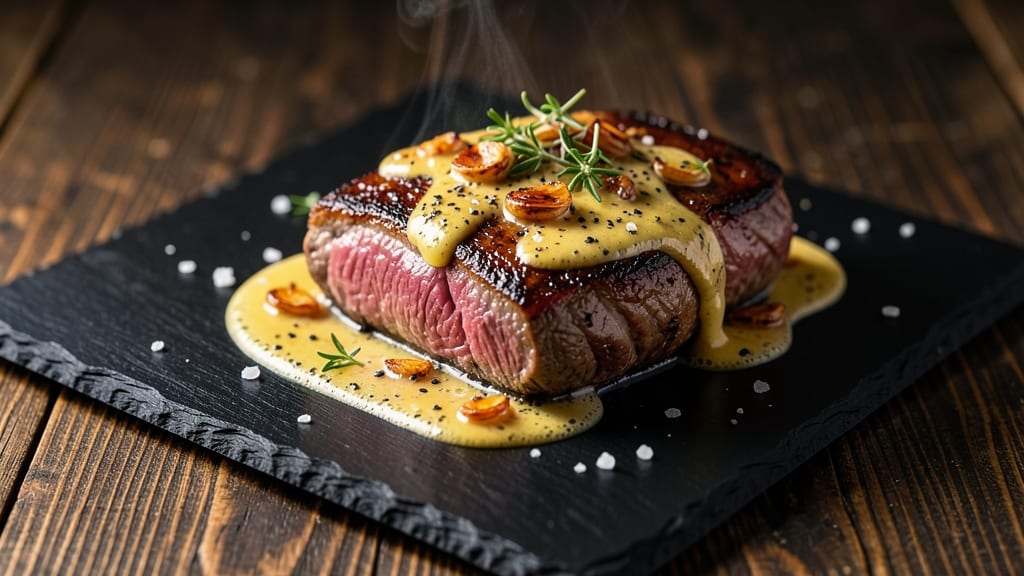
Mastering Gordon Ramsay's beef tenderloin steak recipe delivers restaurant-quality results with a buttery crust and perfectly pink center every time. The secret lies in precise temperature control and a methodical approach that transforms a simple cut into a showstopping centerpiece.
I've refined this technique over countless dinners, ensuring the steak emerges tender yet firm, with a rich, golden exterior that locks in juices.
What sets this recipe apart is the reverse sear method, which guarantees even cooking without overcooking the exterior. Start with a low oven temperature to cook the steak gently to your desired internal temperature, then finish with a quick sear in a screaming-hot pan.
This technique creates that coveted crust while preserving moisture—exactly how Ramsay would prepare it for his Michelin-starred menus.
The result is a steak that's tender yet firm, with a caramelized crust that crackles when sliced. Each bite delivers melt-in-your-mouth texture and deep beefy flavor, elevated by a simple butter baste that adds luxurious richness.
This isn't just dinner; it's a culinary experience that impresses even the most discerning guests.
Pair it with classic sides like red wine reduction, roasted garlic mashed potatoes, or sautéed green beans to complete the meal. The plating is just as important as the cooking—rest the steak properly, slice against the grain, and garnish with fresh herbs for that final Ramsay touch.
Let's get started on creating your perfect steak.
Ingredients for gordon ramsay beef tenderloin steak
Precision-cut beef tenderloin and high-quality fats create Ramsay's signature steak experience.
| Ingredient | Amount | Notes |
|---|---|---|
| Beef Tenderloin 🥩 | 2 lb | Center-cut, trimmed of fat |
| Unsalted Butter 🧈 | ½ cup | Cold, cut into 8 pieces |
| Kosher Salt 🧂 | 1 ½ tsp | Diamond Crystal preferred |
| Freshly Ground Black Pepper 🌶️ | 1 tsp | Coarse grind preferred |
| Garlic Cloves 🧄 | 4 cloves | Minced, for basting |
| Fresh Thyme Leaves 🌿 | ¼ cup | Finely chopped, for garnish |
| Extra-Virgin Olive Oil 🫒 | 2 tbsp | High smoke point preferred |
| Heavy Cream 🥛 | ¼ cup | For basting, full-fat |
| Red Wine 🍷 | ½ cup | Cabernet Sauvignon, dry |
| Shallots 🧅 | 2 whole | Thinly sliced, for garnish |
| Fresh Rosemary 🌿 | ¼ cup | Finely chopped, for garnish |
The beef tenderloin is the star—center-cut and trimmed of all fat and silver skin—for that melt-in-your-mouth texture Ramsay demands. Source from a reputable butcher or high-end grocery like Whole Foods, where they can provide the exact cut you need. The marbling should be minimal but present, indicating proper aging. If your butcher offers dry-aged options, that's ideal for even deeper flavor. For a true Ramsay touch, ask for the tenderloin to be prepared as a single piece rather than pre-portioned, as this allows for more precise temperature control during cooking. The steak should be chilled until ready to use—never thawed at room temperature.
No kosher salt? Diamond Crystal kosher salt is non-negotiable for this recipe—its coarser grain distributes evenly, but if unavailable, use fine sea salt at half the quantity. The butter must be cold and cut into even pieces—room temperature butter will melt prematurely and ruin the crust. Substituting heavy cream for basting? Full-fat is essential—light cream lacks the richness to carry the butter's flavor. For the red wine, Cabernet Sauvignon with at least 12% alcohol works best, but Pinot Noir or Merlot in a pinch (though the flavor profile will differ). Fresh herbs are critical—dried thyme or rosemary at one-third the amount won't deliver the same aromatic punch.
The steak should rest 10-15 minutes at room temperature before cooking to ensure even doneness. Store any unused butter in an airtight container in the fridge for up to 2 weeks or freeze for 6 months. Fresh herbs? Wrap them in damp paper towels and store in a sealed container in the fridge for 5 days. The red wine reduction can be made ahead and reheated gently—it actually improves overnight. For leftovers, slice the steak thinly against the grain and reheat in a low oven at 200°F for 10-15 minutes to maintain tenderness.
Why You'll Love This Recipe
- No-Fuss Prep: I swear by this recipe because it’s that simple—just season, sear, and let the oven do the work. No fancy marinades, no last-minute stress. The beef tenderloin practically cooks itself while you chop garlic and melt butter.
- Butter-Kissed Magic: That pat of cold butter basting the steak? Chef’s kiss. The garlic cloves sizzling in the pan infuse every bite with rich, aromatic depth—no dry, tough meat here, just melt-in-your-mouth perfection with a crust so good, you’ll want to lick the plate.
- Weeknight or Wow Night: Between us, this is my go-to for both Taco Tuesdays and dinner parties. Slice it thin for quick sandwiches or serve it whole for a restaurant-worthy centerpiece. The same recipe, just different vibes.
- Leftovers That Don’t Suck: Here’s what sold me—leftover slices reheated in a pan with a splash of broth? Still tender, still flavorful. I’ve fed a crowd with one roast and still had enough for lunches. (Yes, even on a Tuesday.)
Step-by-step instructions for beef tenderloin steak with buttery crust
Mastering this technique delivers a steak with flawless doneness and restaurant-quality crust every time.
Prepare the Beef Tenderloin for Perfect Searing
Remove the 2 lb beef tenderloin from the refrigerator and pat it completely dry with paper towels. This critical step ensures maximum browning and crust formation. Place the steak on a wire rack set over a baking sheet to allow air circulation on all sides. Season generously with the 1.5 teaspoons kosher salt and 1 teaspoon freshly ground black pepper, pressing the seasoning into the meat rather than just sprinkling it on.
Let the seasoned steak sit at room temperature for 30 minutes before cooking. This allows for even heat penetration when it hits the pan. While it rests, prepare your workspace by gathering all ingredients within arm's reach—this is a fast-moving process once you begin.
Create the Buttery Crust with Precision Timing
Heat a heavy skillet—cast iron works best—over medium-high heat until it's smoking hot. Add the 2 tablespoons extra-virgin olive oil and swirl to coat the surface evenly. Place the beef tenderloin in the pan and press down gently with a metal spatula to ensure full contact with the hot surface. This prevents curling and ensures even searing.
Let the steak cook undisturbed for 3-4 minutes per side until a deep golden-brown crust forms. The key is patience—don't rush the crust development. After the first side, flip the steak and immediately add 4 pieces of the cold unsalted butter to the pan. Tilt the pan slightly to baste the steak with the melting butter, then flip again to coat the other side.
Develop the Sauce and Finish to Perfection
Remove the steak from the pan and let it rest on a cutting board while you develop the sauce. Pour in the 0.5 cup red wine and immediately scrape up all the browned bits from the bottom of the pan using a wooden spoon. This technique, called deglazing, captures all the flavor compounds that would otherwise be lost.
Add the 4 minced garlic cloves and cook for 30 seconds until fragrant. Pour in the 0.25 cup heavy cream and let it simmer for 2-3 minutes until slightly reduced but still glossy. The sauce should coat the back of a spoon but remain fluid enough to coat the steak when basted.
Baste and Rest for Maximum Juiciness
Return the steak to the pan and spoon the sauce generously over the top. Baste the steak with the sauce for 1-2 minutes, then transfer it to a cutting board. Tent loosely with aluminum foil and let it rest for 10-15 minutes. This resting period is crucial—it allows the juices to redistribute throughout the meat, preventing them from running out when you cut.
While the steak rests, prepare the garnishes. Thinly slice the 2 whole shallots and finely chop the 0.25 cup fresh rosemary and 0.25 cup fresh thyme leaves. Arrange these garnishes on a serving platter and place the sliced steak on top, spooning any remaining sauce over the meat.
Pro Tips For Making Gordon Ramsay Beef Tenderloin Steak
- USE A THERMOMETER: I learned this the hard way—beef tenderloin looks done before it actually is. For medium-rare (130°F internal), pull it when the probe hits that temp, then let it rest. The carryover heat will push it to 135°F, and your steak won’t dry out.
- SALT THE BUTTER: Don’t just melt butter and call it a day. Mix in a pinch of kosher salt (about ¼ tsp per 2 tbsp) while it’s warm—it dissolves completely and seasons every bite. I used to skip this, and the crust never tasted as rich.
- DON’T OVERCROWD THE PAN: Start with a screaming-hot cast-iron or stainless pan, then add just one steak at a time. Overcrowding steams the meat instead of searing it, and you’ll end up with sad, gray edges. Two batches if needed—patience here makes all the difference.
- SMASH THE GARLIC: Peel and smash those garlic cloves with the flat side of your knife before adding them to the butter. You want them broken down, not whole—this releases their flavor into the butter so every slice gets that punchy aroma. (Yes, even if it looks messy.)
Wine and beer pairings for this dish
Bold Red Wine Pairings
For this beef tenderloin, a bold red wine like Cabernet Sauvignon or Malbec mirrors the steak's richness and depth. The tannins in these wines complement the buttery crust and red wine reduction, creating a harmonious balance.
I recommend a Napa Valley Cabernet with its dark fruit notes and velvety texture—it elevates the dish without overpowering it. 🍷
Earthy Pinot Noir
A Pinot Noir from Oregon or Burgundy offers a lighter but equally elegant pairing. Its bright acidity cuts through the steak's richness, while earthy undertones enhance the herbaceous garnishes. Look for a Willamette Valley Pinot with its red berry and floral notes—it's a sophisticated choice that won't dominate the meal.
Craft Beer Options
For beer lovers, a dark ale or stout pairs surprisingly well. Try a Belgian Dubbel like Westmalle Dubbel—its caramel and spice notes complement the buttery crust.
Alternatively, a smoked porter adds a unique depth that contrasts beautifully with the steak's richness. Serve slightly chilled to enhance the flavor pairing. 🍺
White Wine Surprise
Don't overlook Chardonnay with oak aging—its buttery profile enhances the steak's crust. A California Chardonnay or Burgundy Montrachet brings creamy texture and citrus notes that refresh the palate. This unexpected pairing works especially well with the red wine reduction's acidity.
Non-Alcoholic Pairings
For non-drinkers, a sparkling cranberry juice with a splash of lime mimics wine's acidity. Alternatively, a chilled hibiscus iced tea provides floral notes that complement the herbs. Both options keep the meal elegant without alcohol. The key is balancing sweetness with acidity to cleanse the palate between bites. 💫
Nutrition facts
Frequently asked questions
What's the best internal temperature for medium-rare beef tenderloin?
For a perfectly medium-rare steak, aim for an internal temperature of 125-130°F when measured with a meat thermometer. The reverse sear method ensures even cooking without overdoing the exterior. Remember to insert the thermometer horizontally into the thickest part of the steak for an accurate reading.
Can I prepare this recipe without a cast iron skillet?
Yes, but you'll need a heavy stainless steel or carbon steel pan that retains heat well. Preheat it thoroughly to create that signature crust. The key is getting the pan smoking hot before adding the steak—this mimics the high-heat sear you'd get in cast iron. Just be prepared for slightly less even browning.
How do I adjust cooking time for a larger tenderloin?
For every additional pound, increase the oven time by 10-15 minutes during the low-temperature phase. Maintain the same sear time per side. A 3 lb tenderloin would need about 30-40 minutes in a 275°F oven before searing. Always use a meat thermometer to verify doneness.
What's the best way to reheat leftover beef tenderloin?
Slice the steak thinly against the grain and reheat in a 200°F oven for 10-15 minutes with a splash of beef broth. Never microwave—it turns the meat rubbery. For maximum tenderness, reheat quickly and serve immediately with fresh sides like roasted vegetables or mashed potatoes.
Why did my steak turn out dry?
Overcooking is the most common cause—either too long in the oven or insufficient resting time. Always let the steak rest 10-15 minutes after cooking. Another culprit could be cutting too soon or against the grain. For perfect results, use a meat thermometer and slice perpendicular to the muscle fibers after resting.