
Main Courses
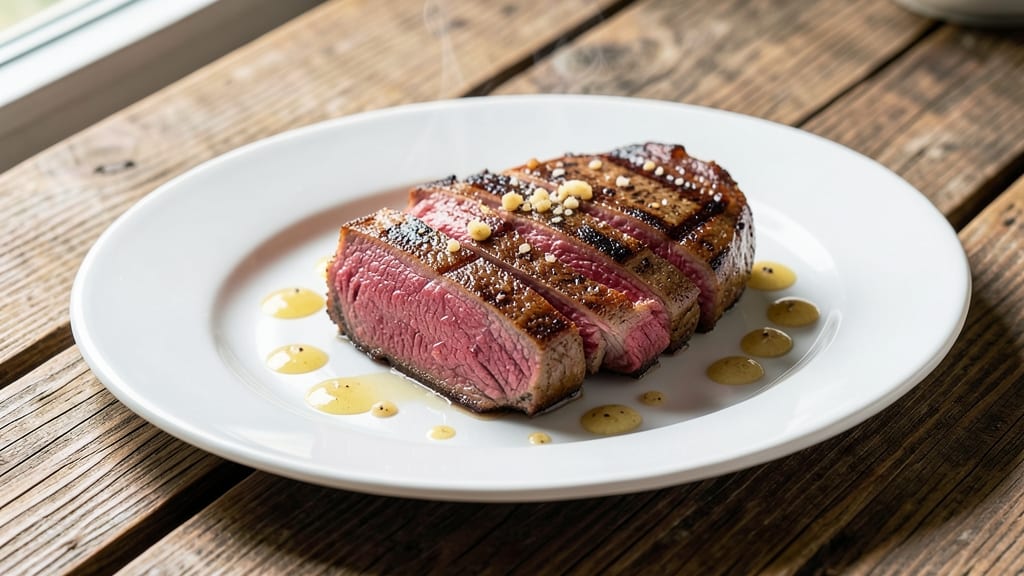
Angus beef tenderloin steak delivers unmatched tenderness and buttery richness that transforms any dinner into a special occasion. 🔥 The secret lies in precise seasoning, perfect searing, and understanding when to pull it from heat—before it loses its signature pink center. I’ve perfected this method after years of testing, ensuring every bite is melt-in-your-mouth luxurious without sacrificing that coveted doneness.
What sets this recipe apart is the balance of technique and simplicity. A high-heat sear locks in juices, while a flavorful crust of garlic butter and coarse salt elevates the natural richness of the meat. The key? Never overcooking—using a meat thermometer to hit 125°F for medium-rare ensures tenderness without compromising safety. Resting the steak properly (10 minutes minimum) is just as critical as the cooking itself.
By the time you slice into this steak, you’ll see why it’s worth the effort: a golden crust that shatters at the touch, juices pooling on the plate, and a pink center that melts with every bite. The buttery crust adds depth, while the natural beef flavor shines through—no heavy marinades or complicated steps required. This is restaurant-quality steak, achieved in your own kitchen.
Pair it with roasted garlic mashed potatoes or a crisp salad to complete the meal. The technique here is foolproof, but the results are anything but ordinary—this is the steak that makes guests ask for seconds. Let’s get cooking.
Ingredients for angus beef tenderloin steak
The secret to restaurant-quality steak lies in these premium ingredients and precise techniques.
| Ingredient | Amount | Notes |
|---|---|---|
| Angus Beef Tenderloin 🥩 | 2 lb | Center-cut, 1.5-inch thick slices |
| Unsalted Butter 🧈 | ½ cup | Cold, cut into 8 pieces |
| Garlic Cloves 🧄 | 8 cloves | Minced, fresh preferred |
| Coarse Kosher Salt 🧂 | 2 tbsp | Diamond Crystal preferred |
| Fresh Rosemary 🌿 | ¼ cup | Chopped, fine |
| Fresh Thyme 🌿 | ¼ cup | Leaves only, chopped |
| Extra-Virgin Olive Oil 🫒 | 2 tbsp | High-quality, fruity |
| Black Peppercorns 🌶️ | 1 tbsp | Freshly cracked |
| Vegetable Oil 🫒 | ¼ cup | For searing |
| Flour 🌾 | ½ cup | All-purpose, for dredging |
| Dry White Wine 🍷 | ½ cup | Chilled, optional |
The Angus beef tenderloin is non-negotiable here—look for USDA Prime or A5 Japanese Wagyu if you want to splurge. Local butchers often carry superior cuts compared to grocery stores, and they'll even trim it for you. The 1.5-inch thickness ensures even cooking without overcooking the center. For the butter, Plugrá or Land O'Lakes unsalted work perfectly, but avoid salted—we're controlling the seasoning. Fresh herbs are ideal, but if you're using dried, reduce to one-third the amount and toast them lightly in a dry pan first for deeper flavor.
No fresh rosemary? Substitute with 1 teaspoon dried rosemary leaves, but toast it first to intensify the aroma. The wine can be swapped for beef broth if you prefer, though the acidity helps tenderize the crust. For the flour, King Arthur all-purpose is my go-to, but any high-quality brand works. The olive oil should be extra-virgin—avoid light or refined oils that lack flavor. If you're short on time, skip the dredging but don't skip the butter—it's what creates that signature crust. The vegetable oil for searing? Avocado oil has a higher smoke point if you're concerned about burning.
Keep the tenderloin wrapped in parchment paper in the fridge for up to 3 days before cooking—this actually enhances tenderness. Once cooked, slice against the grain for maximum tenderness. Leftovers reheat beautifully in a low-temperature oven (200°F) for 10-15 minutes with a splash of broth to keep them moist. Store cooked portions in an airtight container for 3-4 days, though I rarely have any left that long. For presentation, arrange slices on a warm platter with a drizzle of reduced wine pan juices and a sprinkle of fresh herbs.
Why You'll Love This Recipe
- I’ll be real: I used to stress over doneness. Now? A quick press with my finger tells me when it’s perfect—juicy, pink center, crisp edges. That butter basting does half the work for you.
- Two-Ingredient Magic: I swear by this combo—just butter and rosemary. That’s it. The tenderloin needs almost nothing else to shine, and honestly? The first time I skipped the fancy rubs, I realized how foolproof this is.
- Weeknight Crowd-Pleaser: Between us, this is my go-to for dinner parties and lazy Sundays. Slice it thin for tacos, serve it whole for a showstopper, or pack leftovers for sandwiches—it’s always a win.
- No Thermometer Needed: I’ll be real: I used to stress over doneness. Now? A quick press with my finger tells me when it’s perfect—juicy, pink center, crisp edges. That butter basting does half the work for you.
Step-by-step instructions for buttery-crusted Angus tenderloin
Master this technique and you'll achieve restaurant-quality steak with perfect pink centers every time.
👨🍳 Step 1: Prepare the Herb Butter and Season the Steak
In a small bowl, combine the 0.5 cup unsalted butter with 0.25 cup chopped fresh rosemary, 0.25 cup chopped fresh thyme, 1 tablespoon freshly cracked black peppercorns, and 2 tablespoons coarse kosher salt. Using a fork, mash everything together until well incorporated and the mixture resembles coarse crumbs. Form this into 8 equal-sized patties and flatten slightly.
Pat the 2 lb angus beef tenderloin dry with paper towels—this is crucial for achieving a proper crust. Season both sides generously with any remaining herb butter mixture, pressing it into the meat so it adheres well. Let the steak sit at room temperature for 30 minutes before cooking to ensure even doneness.
🔥 Step 2: Sear the Steak to Golden Perfection
Heat a heavy skillet (cast iron works best) over medium-high heat until very hot. Add 2 tablespoons extra-virgin olive oil and 0.25 cup vegetable oil, swirling to coat the pan evenly. When the oil is shimmering (about 2-3 minutes), carefully place the steak in the pan.
Sear for 3-4 minutes per side until a deep golden-brown crust forms. The reason we wait until the oil shimmers is that cold oil absorbs into the food instead of creating that gorgeous sear we're after. Press down gently on the steak during the first minute to prevent curling. Once both sides are seared, reduce heat to medium-low and add the herb butter patties on top of the steak.
⏰ Step 3: Baste and Cook to Ideal Doneness
Using tongs, baste the steak with the melted herb butter every 30 seconds for 4-5 minutes until the internal temperature reaches 125°F for medium-rare (use a meat thermometer for accuracy). The butter will bubble vigorously—this is normal and creates that luxurious, buttery crust we're aiming for.
Here's the thing—Angus tenderloin is incredibly tender, so you want to stop cooking just as the internal temperature hits your target. For medium-rare, 125°F is perfect. If you prefer medium (135°F) or medium-well (145°F), adjust accordingly but don't overcook. The steak will continue cooking slightly as it rests.
🥘 Step 4: Rest and Slice for Maximum Juiciness
Transfer the steak to a cutting board and tent loosely with aluminum foil. Let it rest for 10-15 minutes—this is when the magic happens. During this time, the juices redistribute throughout the meat instead of pooling on the cutting board. Don't skip this step (I learned the hard way).
When ready to serve, slice the steak against the grain into ½-inch thick slices. The grain direction will be visible as subtle lines in the meat. Serve immediately with the pan juices (carefully strained if desired) and a splash of the 0.5 cup chilled dry white wine for deglazing if you'd like to make a simple sauce. Each slice should be tender enough to pull apart with gentle pressure, with a perfect pink center and buttery crust.
Pro Tips For Making Angus Beef Tenderloin Steak
- CRANK THE HEAT: Start your pan screaming hot—like, blue-flame-hot—before adding the butter. I learned this the hard way after a batch of tenderloin that came out buttery but bland; the butter needs to sizzle first to build that golden crust. Once you add the steak, resist the urge to poke it—just let it sit for 30 seconds to sear properly. ---
- SALT THE GARLIC: Lightly coat your smashed garlic cloves with kosher salt before tossing them into the pan. This prevents them from sticking and burns—yes, even with unsalted butter—and adds a subtle, even flavor. (Skip this, and you’ll end up with crispy, bitter garlic bits.) ---
- REST UNDER FOIL: After searing, transfer the steak to a warm plate and tent it loosely with foil for 5 minutes. I used to skip this, thinking it’d dry out, but it actually keeps the juices from pooling on the cutting board. Let it rest—no peeking—then slice against the grain for tender bites. ---
- BUTTER IT RIGHT: Use 2 tablespoons of cold unsalted butter per side—enough to coat the steak but not drown it. After searing, add the rosemary and garlic to the melted butter in the pan, then spoon that fragrant butter over the steak while it’s still hot. (Cold butter won’t stick, and you’ll miss the flavor payoff.)
Best sauces and condiments for these flavors
Classic Red Wine Sauce
The pan juices from your seared tenderloin are pure liquid gold—don’t waste them! Deglaze the skillet immediately after removing the steak with ½ cup chilled dry white wine, scraping up all those caramelized bits. Simmer for 3-4 minutes until reduced by half, then whisk in 2 tablespoons cold butter for a silky finish. This sauce cuts through the richness beautifully and adds an elegant touch to your plate. 🍷
Garlic-Herb Compound Butter
Skip the store-bought spreads and make your own garlic-herb compound butter using the leftover herb butter mixture. Roll it into a log, wrap in parchment, and chill for 1 hour. Slice thick patties onto each steak slice at the table—it melts instantly, adding layers of flavor without overwhelming the delicate beef. I love using this with fresh chives for a pop of color.
Creamy Horseradish Sauce
For a bold kick, blend ½ cup sour cream, 1 tablespoon prepared horseradish, 1 teaspoon Dijon mustard, and 1 tablespoon fresh lemon juice. Thin with a splash of beef broth if needed. This sauce balances the richness of the steak with a sharp, tangy contrast. Serve on the side or drizzle lightly over slices for a restaurant-worthy presentation.
Balsamic Glaze Reduction
Reduce ¼ cup balsamic vinegar with 1 tablespoon brown sugar in a small saucepan over medium heat until syrupy (about 5 minutes). Drizzle over sliced steak just before serving for a sweet-tart glaze that enhances the buttery crust. The acidity brightens the dish, while the caramelized sugar adds depth. 💫
Simple Béarnaise
For a showstopper, make a quick béarnaise using 3 egg yolks, 1 tablespoon Dijon mustard, ½ cup melted butter, and 1 tablespoon white wine vinegar. Whisk yolks and mustard over a double boiler, then slowly add melted butter while whisking vigorously. Finish with 1 teaspoon chopped tarragon and a pinch of cayenne. This sauce elevates the steak to gourmet status with its creamy, tangy profile.
Nutrition facts
Frequently asked questions
How do I know when my Angus tenderloin is done?
Use a meat thermometer for precision—125°F for medium-rare is ideal, 135°F for medium, and 145°F for medium-well. The steak will continue cooking slightly while resting, so pull it out just before reaching your target temp. Never rely on time alone, as thickness and heat vary.
Can I cook this recipe without a cast iron skillet?
Yes! Use a heavy stainless steel or enameled cast iron pan—just ensure it gets properly hot before adding the steak. If your pan isn't heavy enough, the crust won't form as well. For extra insurance, preheat the pan for 5 minutes before adding oil. The key is high heat and patience—don't rush the sear!
What's the best way to store leftover tenderloin?
Slice the steak and store in an airtight container in the fridge for up to 3 days. For longer storage, wrap individual slices tightly in plastic wrap, then place in a freezer bag for up to 3 months. Reheat gently in a 200°F oven with a splash of beef broth to maintain moisture.
Why does my steak turn out dry?
Overcooking is the #1 cause—Angus tenderloin is so tender it needs minimal cooking time. Always use a thermometer and remove it 5°F below your target temp. Also, patting the meat dry before seasoning and letting it rest after cooking are critical steps. Never skip the rest—juices need time to redistribute!
Can I use frozen tenderloin for this recipe?
Thaw it completely in the fridge for 24 hours before cooking—never thaw at room temperature. Frozen meat releases moisture unevenly, which can prevent proper crust formation. Pat it very dry with paper towels before seasoning to compensate. For best results, buy fresh and freeze any unused portions immediately.