
Main Courses
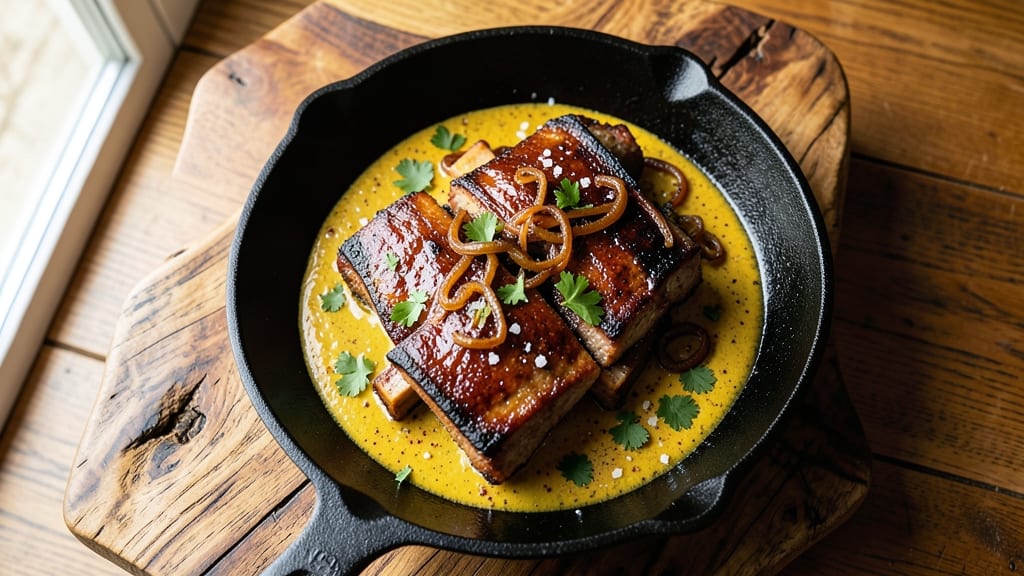
The Big Green Egg transforms tough beef ribs into melt-in-your-mouth perfection with a crispy bark that locks in all the juices. This cast-iron cooker delivers restaurant-quality results at home, and the secret lies in precise temperature control and charcoal management.
I've perfected this method over countless cookouts—no more dry, chewy ribs or uneven cooking.
What sets this recipe apart is the Big Green Egg's ability to maintain consistent heat while creating that coveted bark through indirect grilling. The ribs develop deep smoky flavors as they cook low and slow, then finish with a high-heat sear for that crispy exterior.
You'll need about 2 hours of active cooking time, but the results are worth every minute.
The outcome is ribs so tender they fall apart at the touch, with a crispy bark that shatters like glass when you cut through it. The meat stays juicy and flavorful from edge to edge, and the sauce clings perfectly to every bite.
This is the kind of meal that turns a backyard cookout into a memorable feast.
Pair these ribs with classic sides like coleslaw or cornbread, or serve them family-style with pickles and extra sauce. The Big Green Egg's versatility makes it perfect for any occasion—from summer BBQs to cozy fall gatherings. Let's get cooking!
Ingredients for beef ribs big green egg
Four pounds of beef ribs and a handful of pantry staples transform into Big Green Egg perfection.
| Ingredient | Amount | Notes |
|---|---|---|
| Beef Short Ribs (Bone-In) 🥩 | 4 lb | Baby back or St. Louis style preferred |
| Yellow Mustard 🍯 | ¼ cup | For dry rub application |
| Brown Sugar 🍚 | ½ cup | Light or dark variety |
| Smoked Paprika 🌶️ | 2 tbsp | For deep smoky flavor |
| Garlic Powder 🧄 | 1 tbsp | Freshly ground preferred |
| Onion Powder 🧅 | 1 tbsp | For balanced sweetness |
| Ground Black Pepper 🌶️ | 1 tbsp | Freshly cracked |
| Kosher Salt 🧂 | 1 tbsp | Diamond Crystal preferred |
| Apple Cider Vinegar 🍎 | 2 tbsp | For tenderizing |
| Charcoal Briquettes 🔥 | 4 lb | Lump charcoal for best heat |
| Wood Chips (Hickory or Oak) 🌳 | 1 cup | Soaked for 30 minutes |
| Barbecue Sauce 🍅 | ½ cup | Store-bought or homemade |
| Yellow Onion 🧅 | 1 whole | Thinly sliced for garnish |
| Fresh Parsley 🌿 | ¼ cup | Chopped for garnish |
The ribs are the star—bone-in baby backs or St. Louis style work best for that perfect balance of meat and collagen. Look for marbled cuts at Whole Foods or your local butcher shop, as this fat renders beautifully during the long cook. The Big Green Egg handles the heat distribution better than most smokers, so you don't need to fuss over charcoal placement like you would on a grill. For the dry rub, I always grab smoked paprika from Penzeys—it adds that authentic BBQ depth without overpowering. If you're short on time, Trader Joe's sells pre-mixed BBQ rubs that work in a pinch, though I'd still recommend making your own for that restaurant-quality bark.
No smoked paprika? Substitute with a mix of regular paprika and a pinch of liquid smoke—just don't overdo it. The apple cider vinegar is non-negotiable for tenderizing, but if you're out, lemon juice works too. For the BBQ sauce, I prefer Sweet Baby Ray's for its balance of sweet and tangy, but any good store-bought sauce will do. The wood chips? Hickory or oak are classic choices, but fruitwoods like cherry add a nice twist. Pro tip: Soak them in water for at least 30 minutes before using—they'll smoke longer and give you that clean, consistent flavor. And if you're worried about the ribs sticking, pat them dry with paper towels before applying the rub. Wet surfaces = sad bark.
These ribs reheat beautifully—just wrap them in foil with a splash of water and pop them in a 350°F oven for 10 minutes. They'll stay juicy and the bark will hold up surprisingly well. Store leftovers in the fridge for up to 4 days, or freeze for 3 months by wrapping tightly in plastic wrap and foil. For serving, I like to arrange them on a platter with sliced yellow onions and fresh parsley—the parsley adds a bright contrast to the rich, smoky flavors. The Big Green Egg's cast-iron heat retention means you can hold them at 225°F for up to 2 hours without overcooking, so plan ahead for a stress-free cookout.
Why You'll Love This Recipe
- One-Pan Magic: I swear by this recipe because it’s all in the Big Green Egg—no flipping pans, no mess. Just ribs, a quick rub of smoked paprika and garlic powder, and a glaze of mustard and brown sugar that caramelizes right on the grate. Honestly, I’ve done this drunk (okay, fine, tipsy) and still ended up with fall-off-the-bone perfection.
- Sweet-Smoky Bomb: That brown sugar and mustard combo? It’s the kind of flavor that makes you close your eyes mid-bite. The paprika adds this deep, smoky warmth, while the garlic powder ties it all together like a hug from your favorite cook. Not the prettiest, but the taste makes up for it—every time.
- Weeknight or Weekend Star: Between us, this recipe works for everything. Throw them on the Egg for a lazy Sunday brunch, bring them to a picnic (yes, really), or freeze half for when you’re too tired to cook. My daughter picks out the ribs for her school lunch—no joke, she’s obsessed.
- Budget-Friendly Feast: Short ribs are rich but way cheaper than steak, and this method stretches them into multiple meals. I’ve turned leftovers into tacos, sandwiches, or just reheated slices straight from the fridge—still tastes like a million bucks. Plus, the ingredients? Most are pantry staples.
Step-by-step instructions for beef ribs on the Big Green Egg
Here's how to transform tough short ribs into fall-off-the-bone tender, bark-crusted perfection using your Big Green Egg.
Prepare the Ribs with Dry Rub and Vinegar Marinade
Begin by trimming any excess fat from the beef short ribs, leaving about ¼-inch fat cap for flavor and moisture. In a large bowl, combine the 0.5 cup brown sugar, 2 tablespoons smoked paprika, 1 tablespoon each of garlic powder, onion powder, ground black pepper, and 1 tablespoon kosher salt. Mix thoroughly to create a fine, even dry rub.
Pat the ribs dry with paper towels, then generously coat all sides with the yellow mustard. This creates a sticky base for the rub to adhere. Press the dry rub mixture firmly into every crevice, ensuring complete coverage. Place the ribs on a plate and drizzle with the 2 tablespoons apple cider vinegar, coating them evenly. The vinegar helps tenderize the meat while adding depth of flavor. Let them rest at room temperature for 30 minutes before cooking.
Set Up and Preheat the Big Green Egg
While the ribs rest, prepare your Big Green Egg by arranging the 4 pounds of charcoal briquettes in a pyramid shape. Add the soaked 1 cup wood chips (hickory or oak) to the charcoal for that authentic smoky flavor. Light the charcoal and let it burn until covered with a thick layer of white ash, which typically takes about 15-20 minutes. This ash layer helps regulate heat and prevents flare-ups.
Once the coals are ready, spread them evenly across the cooking grate, leaving a small opening in the center for indirect heat. Preheat the Big Green Egg to 225°F by placing an oven thermometer near the ribs' cooking position. This low-and-slow temperature is crucial for breaking down the connective tissue in the beef short ribs, transforming them into tender morsels. Keep the lid closed during preheating to maintain consistent temperature.
Smoke the Ribs Low and Slow
Place the prepared beef short ribs on the cooking grate, bone-side down, away from direct heat. Close the lid and maintain a temperature of 225°F throughout the cooking process. This is where patience pays off—smoke the ribs for 90 minutes, then check their internal temperature using a meat thermometer. The ribs are ready when they reach 165°F, which typically takes about 2 hours total.
Here's the key to that coveted crispy bark: After the initial 90 minutes, move the ribs to the center of the grill where they can receive direct heat for the final 30 minutes of cooking. This creates a beautiful mahogany crust while maintaining tender meat underneath. Keep the lid closed as much as possible to maintain consistent heat and smoke circulation.
Add Barbecue Sauce and Finish
When the ribs reach 165°F internally, brush them generously with the 0.5 cup barbecue sauce. Return them to the grill and continue cooking for an additional 15-20 minutes, basting with more sauce as needed. This step not only adds flavor but also helps create that glossy, caramelized surface that makes the ribs look as good as they taste.
Watch for the sauce to darken and form a sticky glaze—this indicates the bark is developing its signature crispiness. The ribs are done when they reach 195°F internally, at which point they should be fork-tender with a beautiful dark crust. Remove the ribs from the grill and let them rest for 10 minutes before serving. This resting period allows the juices to redistribute, ensuring each bite is moist and flavorful.
Garnish and Serve
While the ribs rest, thinly slice the 1 whole yellow onion and chop the 0.25 cup fresh parsley. Arrange the sliced onions on a serving platter and place the rested ribs on top. Sprinkle the chopped parsley evenly over the ribs for a pop of color and freshness. The onions add a subtle sweetness that complements the smoky, sweet, and tangy flavors of the ribs.
Slice the ribs between the bones to create individual servings. Each serving should reveal tender, juicy meat with a beautiful bark that's crispy on the outside and tender on the inside. Serve immediately with the onions and parsley garnish, and enjoy the fruits of your labor—crispy, smoky, fall-apart tender beef ribs that are perfect for any gathering.
Pro Tips For Making Beef Ribs Big Green Egg
- Sear First, Then Sauce: Hit those beef short ribs with a screaming-hot cast iron or Big Green Egg grill before adding sauce—this locks in flavor and prevents the mustard from turning into a sad, watery glaze. I used to skip this, and my ribs always tasted like they’d been steamed in a sweet fog.
- Trim the Fat, Not the Flavor: Scrape off just the loose fat cap from the ribs—leaving a thin layer guarantees crisp edges later. My grandmother swore by this, and she was right: the fat renders into crispy bits that cling to the meat like edible gold.
- Watch the Mustard Burn: Yellow mustard scalds fast—keep your Big Green Egg lid slightly cracked or move the ribs to the cooler side of the grill when the sauce starts bubbling aggressively. Trust me, you don’t want to spend 2 hours fixing charred mustard instead of ribs.
- Double-Wrap for Tender Crust: After the initial sear, wrap the ribs in two layers of foil with a splash of water—this traps steam while letting the smoked paprika and brown sugar caramelize into a sticky, crackling crust. Sounds weird, but it works: the first layer keeps the ribs moist, the second guarantees that crisp.
Essential equipment for beef ribs big green egg
Big Green Egg Setup
Your Big Green Egg is the star of this show, and the right tools make all the difference. Start with a Lodge cast iron grill grate for even heat distribution—it’s the gold standard for ribs.
I also recommend the Big Green Egg thermometer ($39.99 from their website) to monitor that 225°F low-and-slow cook. No more guessing! The Big Green Egg charcoal chimney ($29.99) speeds up lighting charcoal without flare-ups, and the Big Green Egg smoke box ($49.99) keeps wood chips contained for consistent smoke. 🔥
Charcoal Management
Charcoal is your secret weapon for that perfect bark. Use 4 pounds of lump charcoal (like Cowboy Smoke) instead of briquettes—they burn hotter and cleaner. Arrange the coals in a pyramid, then spread them evenly across the grate once lit.
The Big Green Egg's dome lid traps heat like a sauna, so keep it closed as much as possible. Pro tip: Add 1 cup soaked hickory wood chips to the charcoal for that authentic smoky aroma. 🌳
Temperature Control
The Big Green Egg's temperature probe ($19.99) is a game-changer for ribs. Insert it into the thickest part of the meat to track that 165°F internal temp without opening the lid. If the temp drops below 225°F, add a handful of hot coals to the center.
The Egg’s cast-iron construction retains heat like a dream, so you won’t need to fuss over adjustments. Consistency is key—this is why the Egg outperforms most smokers. 🌡️
Accessory Essentials
Don’t skip the Big Green Egg rib rack ($24.99)—it elevates the ribs above the heat for even cooking and better smoke circulation. Pair it with a meat thermometer like the Thermoworks Smoke ($49.95) for precision.
For cleanup, the Big Green Egg grill brush ($12.99) keeps the grate in top shape. If you’re on a budget, a stainless steel grill brush from OXO works just as well. 💫
Budget Alternatives
No Big Green Egg? No problem. A Weber Smokey Mountain Cooker ($129.99) or Traeger pellet grill ($399+) can work, but the Egg’s cast iron and lid design give you that restaurant-quality bark. For charcoal grills, a Weber Original Kettle ($149.99) with a thermometer and rib rack gets you 80% there.
Just expect slightly more hands-on management. The Egg’s simplicity is what makes it unbeatable for ribs. 💰
Nutrition facts
Frequently asked questions
Can I use baby back ribs instead of beef short ribs in this recipe?
Yes, but there are key differences. Baby back ribs are leaner and cook faster—expect about 1.5 hours total instead of 2 hours. They also yield fewer servings (about 2 racks vs. 4 lbs of short ribs). For best results, reduce the cooking time by 30 minutes and monitor closely to avoid dryness. The bark will still form, but the meat will be more delicate.
Why does my Big Green Egg keep losing heat when cooking ribs?
This usually happens when the lid isn't sealed properly or the charcoal isn't distributed evenly. First, check for gaps in the lid gasket—clean it if dirty. Then, spread your 4 pounds of charcoal in a single layer across the bottom instead of a pyramid. The Egg's dome design relies on consistent airflow, so keep the lid closed 90% of the time to maintain 225°F.
How do I fix ribs that are tough instead of tender?
Tough ribs usually mean the temperature dropped too low or the cook time was insufficient. First, verify your internal temp reached 165°F—if not, return them to the Egg at 225°F for another 30 minutes. The vinegar marinade helps tenderize, but if you skipped it, soak the ribs in 1 cup warm water + 2 tbsp vinegar for 1 hour before reheating. For next time, use a meat probe thermometer to avoid guesswork.
Can I make these ribs ahead of time?
Cook the ribs as directed, then let them cool completely. Wrap tightly in foil and refrigerate for up to 4 days or freeze for 3 months. To reheat, wrap in fresh foil with a splash of water and bake at 300°F for 20 minutes. The bark will soften slightly but stay flavorful. For serving, broil for 2-3 minutes to restore crispiness.
What's the best wood chip choice for Big Green Egg ribs?
Hickory and oak are classic choices for their bold, traditional smoke flavor. For something sweeter, try cherry or pecan (soak 30 minutes first). Avoid fruitwoods like apple for long cooks—they burn too quickly. Pro tip: Mix ½ cup hickory + ½ cup cherry for a balanced profile. The Big Green Egg's cast iron enhances smoke penetration, so don't skimp on quality wood chips.