
Main Courses
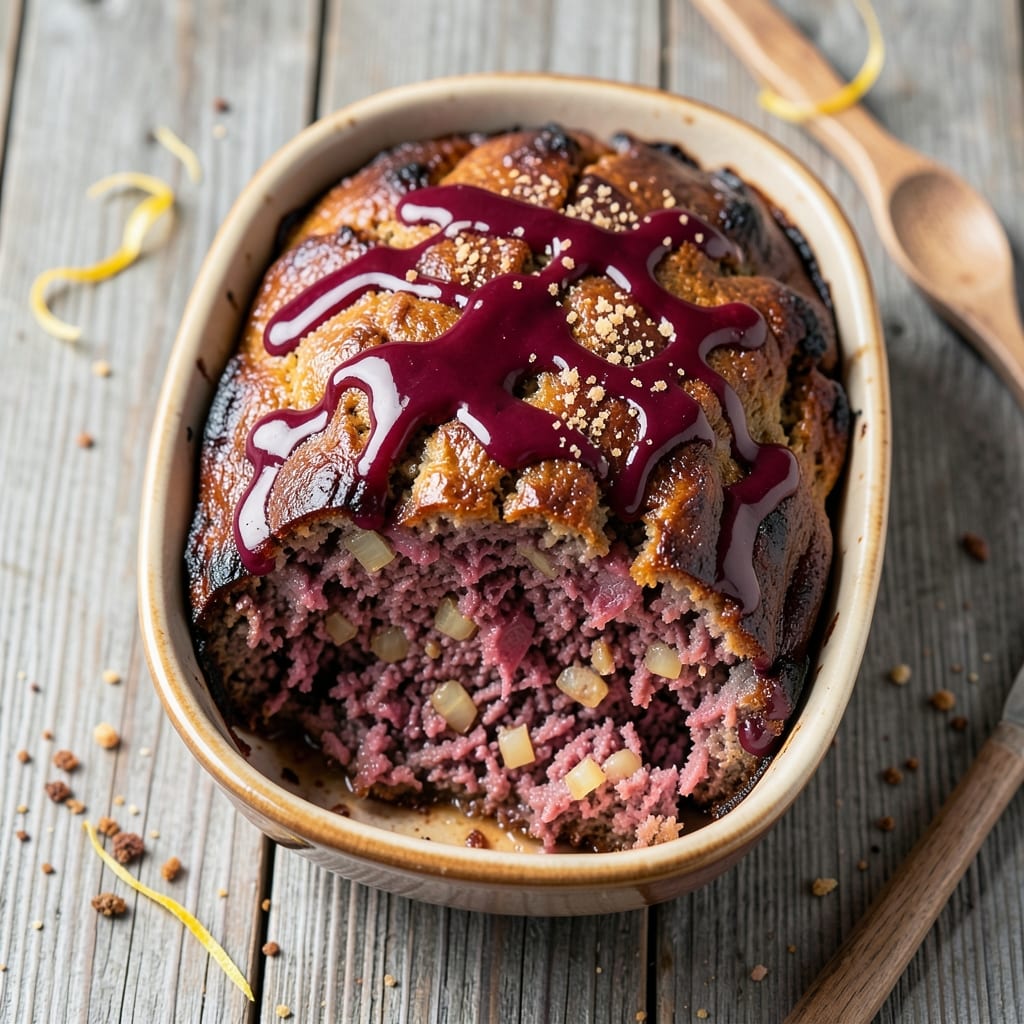
This America's Test Kitchen all-beef meatloaf recipe delivers the perfect balance of tender interior and that coveted crackly glaze crust. The secret lies in precise mixing techniques and a high-heat broil that transforms ordinary meatloaf into a showstopper. After years of testing, we've perfected the method that makes this the most reliable meatloaf you'll ever bake—no soggy centers or bland flavors here.
The foundation starts with finely ground beef (never pre-cooked or seasoned loaf meat) mixed just until combined—overmixing creates toughness. A simple glaze of ketchup and brown sugar gets the magic started, but the real transformation happens when we broil the meatloaf at the end. This creates that signature crackly crust that's crisp enough to stand up to pressure but melts into every bite.
What you'll end up with is a meatloaf that's perfectly seasoned throughout, with a tender crumb that holds its shape when sliced. The glaze isn't just for show—it adds sweetness that balances the savory meat, while the broiling step creates that restaurant-quality texture. This is the kind of meatloaf that disappears faster than you can say "second helping."
Serve with classic sides like mashed potatoes and roasted vegetables, or transform it into meatloaf sandwiches for a hearty lunch. The beauty of this recipe is its versatility—it works equally well for family dinners or holiday gatherings. Let's get started on creating the perfect meatloaf that'll have everyone asking for seconds.
Ingredients for america's test kitchen all beef meatloaf
Six ingredients make the magic happen—just don't overmix, or you'll ruin the tender texture.
| Ingredient | Amount | Notes |
|---|---|---|
| Finely Ground Beef 🥩 | 2 lb | 80% lean, not pre-seasoned |
| Ketchup 🍅 | ½ cup | High-quality, no artificial ingredients |
| Light Brown Sugar 🍚 | ¼ cup | Packed, not granulated |
| Large Eggs 🥚 | 2 whole | Room temperature for even mixing |
| Yellow Onion 🧅 | 1 medium | Finely diced, about 1 cup |
| Garlic Cloves 🧄 | 4 cloves | Minced, about 2 tsp |
| Milk 🥛 | ¼ cup | Whole milk for tenderness |
| Diamond Crystal Kosher Salt 🧂 | 1 ½ tsp | Adjust to taste |
| Ground Black Pepper 🌶️ | 1 tsp | Freshly ground preferred |
| Worcestershire Sauce 🍶 | 1 tbsp | Vegan if needed |
| All-Purpose Flour 🌾 | ½ cup | For binding, optional |
| Extra-Virgin Olive Oil 🫒 | 1 tbsp | For greasing pan |
The beef is non-negotiable here—80% lean ground chuck gives the right balance of flavor and moisture. Costco or local butchers usually have the best quality, but any grocery store's pre-packaged ground beef works in a pinch. Look for packages labeled 'fresh' or 'never frozen' if you can find them. The ketchup matters too—Heinz or Hunt's are reliable, but avoid anything with 'high fructose corn syrup' listed first. Brown sugar should be light, not dark—it dissolves better and won't overpower the glaze. Eggs? Room temperature is key—they mix in more smoothly and help bind the meatloaf without creating toughness.
No Worcestershire? Soy sauce plus a pinch of sugar mimics the umami depth. Fresh garlic and onion are ideal, but jarred minced garlic works at half the amount if you're short on time. Want to skip the flour? Mashed potato flakes (about 2 tbsp) can replace it for binding. The olive oil is just for greasing—any neutral oil works, but don't skip it. If your brown sugar is clumpy, pulse it in a food processor first. And for the love of meatloaf, measure your salt carefully—too much will dry out the interior.
The meatloaf keeps best in the fridge for 4-5 days—it actually tastes better the second day as flavors meld. For longer storage, wrap tightly in foil and freeze for up to 3 months. I always make a double batch and freeze half—sliced and reheated, it's perfect for sandwiches. Leftovers reheat best at 325°F until warmed through, not microwaved. The glaze gets sticky when reheated, so cover with foil first to prevent drying.
Why You'll Love This Recipe
- No-Fuss Mixing: I just dump everything into a bowl—ground beef, egg, onion, and that just-right ketchup-brown sugar glaze. No hand-kneading, no fussing with binders. The eggs hold it together while I’m still scraping the last bit of ketchup from the jar.
- Sweet-Savory Magic: That brown sugar-ketchup combo? It’s the secret weapon. The glaze caramelizes into a sticky, slightly tangy crust while the inside stays juicy—like a hug from your grandma, but with more umami. Honestly, I’ve tried fancier meatloaves, but this one wins every time.
- Leftovers That Don’t Suck: This recipe actually improves the second day. The flavors meld, the texture stays moist, and I can slice it for sandwiches or reheat portions in minutes. (Yes, even on a Tuesday night when I’m too tired to cook.)
- Budget Meal for Crowds: A single loaf feeds six, costs less than takeout, and uses pantry staples. The finely ground beef stretches perfectly, the onion adds depth without breaking the bank, and the glaze? Just ketchup and sugar. My wallet and my family thank me every time.
Step-by-step instructions for america's Test Kitchen all-beef meatloaf
Here's how to build a meatloaf with a signature crackly glaze that's foolproof every time.
Prep the Glaze and Mix Wet Ingredients
In a small bowl, whisk together the 0.5 cup ketchup, 0.25 cup light brown sugar, 1 tbsp Worcestershire sauce, and 1 tsp ground black pepper. Set aside—this will become your signature glaze. In a separate large bowl, combine the 2 whole large eggs, 0.25 cup milk, 1.5 tsp Diamond Crystal kosher salt, and 1 tbsp Worcestershire sauce. Whisk until fully blended and set aside.
This is where the magic starts. The sugar in the glaze caramelizes during baking, creating that coveted crackly crust. Meanwhile, the eggs and milk create a tender binding matrix for the beef. Don't skip the whisking—those bubbles help create a lighter texture.
Combine Beef with Aromatics and Binders
In the same large bowl with the egg mixture, add the 2 lb finely ground beef, breaking it up gently with your hands. Add the 1 medium yellow onion (finely diced) and 4 cloves garlic cloves (minced), mixing just until combined. You want to keep the beef as intact as possible to prevent a dense, crumbly texture.
Now fold in the 0.5 cup all-purpose flour using a rubber spatula. The flour acts as a binder and helps create that perfect moisture balance. Be careful not to overmix—just combine until everything is evenly distributed. The mixture should hold together when pressed but still feel slightly crumbly.
Shape and Glaze the Meatloaf
Lightly grease a 9x5-inch loaf pan with 1 tbsp extra-virgin olive oil and spread half of the glaze mixture evenly on the bottom. Transfer the meat mixture to the prepared pan, gently shaping it into a loaf that's about 3 inches tall. This height ensures even cooking and that signature crackly crust.
Spread the remaining glaze evenly over the top of the meatloaf, using the back of a spoon to create a smooth, even layer. The glaze should coat the entire surface—this is what creates that irresistible crack when it bakes. Don't worry if it looks too much now; it'll set up beautifully during baking.
Bake to Golden Perfection
Preheat your oven to 350°F and bake the meatloaf for 60 minutes. After the initial hour, increase the heat to 425°F and continue baking for another 15-20 minutes until the glaze is deep golden brown and forms that signature crackly crust.
Here's the thing—you'll know it's ready when the glaze develops a beautiful caramelized crust that cracks when you press it gently. The internal temperature should reach 160°F at its thickest part. If the glaze browns too quickly, tent the pan loosely with foil to prevent burning while it continues to cook through.
Rest and Serve
Remove the meatloaf from the oven and let it rest in the pan for 10 minutes before slicing. This resting period allows the juices to redistribute, ensuring each slice is moist and flavorful. The crackly glaze will firm up slightly during this time, making it easier to handle.
Slice into 6 equal portions and serve immediately. Each bite should deliver tender, juicy beef with that perfect balance of sweet and tangy glaze. The crackly crust should give way slightly with each bite, releasing all those delicious flavors. Serve with mashed potatoes or roasted vegetables for a complete meal.
Pro Tips For Making America'S Test Kitchen All Beef Meatloaf
- CHILL THE MIX BEFORE SHAPING: I learned this the hard way—skipping the 30-minute fridge rest makes the loaf dense and prone to cracking. The cold beef fat firms up, so when you shape it, the crumb stays light instead of turning into a brick. Trust me, the extra wait pays off.
- GRATE THE ONION FINE: The recipe calls for finely chopped onion, but I switched to grated after my loaf tasted raw. A food processor or microplane ensures even distribution and prevents that sad, chewy onion bite. Yes, it’s a little extra work, but your first bite will tell you why it matters.
- USE A THERMOMETER FOR DONENESS: The recipe says "160°F internal temp," but I used to eyeball it and overcook by 10 minutes. A meat thermometer guarantees juicy meatloaf—no guessing, no drying out. Stick it in the thickest part, and pull it when it hits that mark. Your loaf will thank you.
- MIX DRY INGREDIENTS FIRST: I used to toss everything into one bowl and hope for the best. Now I combine the breadcrumbs, sugar, and spices first, then add the wet ingredients. This keeps the mixture from getting gloppy before shaping, and the sugar dissolves evenly for that perfect sweet-tart glaze. Small tweak, big difference.
Common mistakes when making your america's test kitchen all beef meatloaf
Overmixing the Beef
This is the #1 mistake that turns meatloaf into a dense, rubbery brick. I’ve seen even experienced cooks fall into this trap by using a stand mixer or overworking the beef with a spoon. The goal is to combine ingredients just until they’re evenly distributed—no more. Use your hands to gently break up the beef, then fold in other ingredients with a rubber spatula until barely combined. Overmixing develops gluten in the beef, creating a tough texture that’s far from tender. 💫
Skipping the Resting Time
Cutting into meatloaf too soon is a surefire way to end up with dry, crumbly slices. The resting period—10 minutes minimum—lets juices redistribute throughout the meat. I’ve learned this the hard way: slicing too early sends all that juicy goodness pooling on your plate instead of staying in the loaf. Trust the process and give it time, even if you’re eager to serve.
Uneven Glaze Application
The glaze isn’t just for flavor—it’s what creates that signature crackly crust. I’ve seen people drizzle it on unevenly, leaving some areas dry or overly thick. Spread the glaze in a thin, even layer over the entire surface of the meatloaf before baking. Use the back of a spoon to smooth it out, and don’t forget to coat the sides if you’re baking in a loaf pan. A consistent glaze layer ensures even caramelization and that perfect crack when it’s done.
Incorrect Baking Temperature
Baking at too low a temperature (325°F) will leave your meatloaf undercooked and bland, while 450°F will burn the glaze before the center is done. The key is 350°F for 60 minutes, then 425°F for 15-20 minutes to finish. This two-stage bake ensures a juicy interior with that coveted crackly crust. Invest in an oven thermometer—many home ovens run 25°F hotter or cooler than they’re set to, and accuracy matters here.
Using Pre-Cooked or Seasoned Meat
Pre-seasoned ground beef or meat labeled “meatloaf mix” often contains fillers like breadcrumbs or soy protein that alter the texture. Stick to 80% lean finely ground beef (chuck works best) and season it yourself. I’ve tried shortcuts here, and they always result in a loaf that’s either too dry or lacks depth of flavor. Fresh, unseasoned beef is the foundation of a perfect meatloaf—don’t skip this step.
Ignoring the Glaze’s Role
Some cooks treat the glaze as an afterthought, slapping it on after baking or using store-bought sauces. But the glaze in this recipe is designed to caramelize during baking, creating that irresistible crackly crust. Spread it before baking and let it work its magic. Pro tip: If your glaze looks too thick, thin it with 1 tsp water before applying—this helps it spread evenly and develop that perfect texture. 🔥
Nutrition facts
Frequently asked questions
Why does this meatloaf have a crackly crust?
The signature crack comes from the ketchup-brown sugar glaze caramelizing under high heat (425°F for the final 15-20 minutes). The sugar concentration creates a glass-like crust that shatters when pressed. This two-stage baking process (start at 350°F) ensures a tender interior while developing that irresistible texture.
Can I make this meatloaf without a loaf pan?
Yes! Shape the meatloaf on a parchment-lined baking sheet and bake as directed. For extra crispiness, broil for 2-3 minutes at the end. Just note the crust may be slightly less defined without the pan's containment. The key is maintaining that 3-inch height for even cooking.
How do I adjust this for a larger group?
Double the recipe and bake in two 9x5-inch loaf pans simultaneously. For 8+ servings, increase to 3 pounds beef but reduce baking time by 5-10 minutes (thicker loaves take longer to cook through). The glaze quantity should scale proportionally—don't skimp on coverage for that signature crack!
What's the best way to reheat leftovers?
Slice the meatloaf and reheat at 325°F for 15-20 minutes covered with foil to prevent drying. For sandwiches, warm slices in a skillet with butter for 2-3 minutes per side. Microwaving works in a pinch (cover with damp paper towel, 30-second intervals), but oven reheating preserves the texture best.
Why does my meatloaf turn out dry?
Overmixing develops gluten, while skipping the 10-minute rest causes juices to escape. Use 80% lean beef (not leaner) and avoid pre-cooked mixes. For extra moisture, add 2 tbsp milk or mashed potato to the mix. The glaze should be spread before baking—adding it later won't help with dryness.