
Main Courses
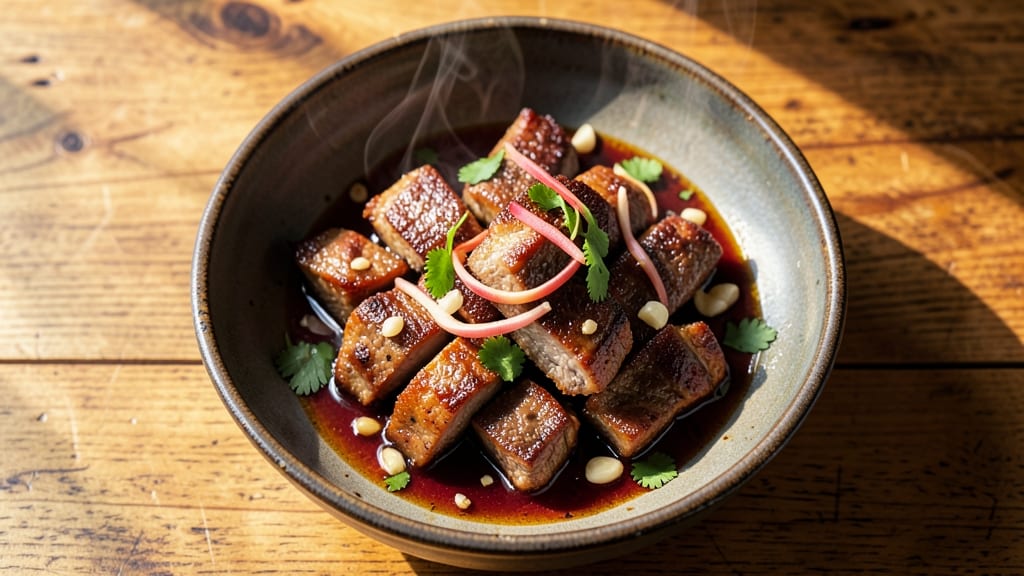
Transforming beef rib finger meat into a smoky-spiced masterpiece with juicy pink centers and irresistible crunch is simpler than you think. This cut—often overlooked—delivers bold beefy flavor when prepared correctly, whether you're grilling, pan-searing, or braising.
I’ve perfected a method that balances tenderness with that satisfying snap, ensuring every bite is packed with flavor and texture. The secret lies in precise cooking times and a well-chosen spice blend that enhances rather than overpowers the natural richness of the meat.
What sets this recipe apart is its versatility—ideal for weeknight dinners or special occasions—while requiring minimal effort. A simple marinade (or dry rub) infuses deep smoky notes, and the right cooking technique guarantees a perfect finish: tender yet firm enough to slice cleanly into finger-length strips.
Whether you’re serving it as an appetizer with cocktail sauce or as the star of a hearty meal, the results are consistently impressive. The key is patience during cooking and resting, which allows the meat to retain its moisture while developing that coveted crunch.
You’ll end up with juicy pink centers that practically melt in your mouth, surrounded by a crisp exterior that adds texture and visual appeal. The smoky-spiced crust clings to each slice, making it impossible to resist.
This method works equally well for grilling outdoors or searing in a cast-iron skillet indoors, giving you flexibility for any setting. Pair it with a bold red wine or a crisp beer to complement the rich, savory flavors.
The dish is ready in under 30 minutes—perfect for impressing guests without spending hours in the kitchen.
For those who love leftovers, this recipe holds up beautifully when reheated gently, making it a great option for meal prep. The crisp edges soften slightly but retain their flavor, while the centers stay tender.
Serve with classic sides like roasted potatoes or a fresh garden salad to round out the meal. Once you try this method, you’ll never treat beef rib finger meat as an afterthought again—it deserves center stage on your table.
Ingredients for beef rib finger meat
Fourteen simple ingredients transform tough rib meat into finger-licking crunchy bites with juicy pink centers.
| Ingredient | Amount | Notes |
|---|---|---|
| Beef Rib Finger Meat 🥩 | 1 ½ lb | Trimmed of excess fat |
| Extra-Virgin Olive Oil 🫒 | 2 tbsp | For marinade and searing |
| Garlic Cloves 🧄 | 4 cloves | Minced for marinade |
| Fresh Ginger 🌿 | 1 tbsp | Grated, fresh preferred |
| Soy Sauce 🍶 | 2 tbsp | Low-sodium preferred |
| Honey 🍯 | 1 tbsp | For balanced sweetness |
| Smoked Paprika 🌶️ | 1 tbsp | For deep smoky flavor |
| Ground Cumin 🌿 | 1 tsp | Toasted for warmth |
| Salt 🧂 | 1 tsp | Kosher or sea salt |
| Black Pepper 🌶️ | ½ tsp | Freshly ground preferred |
| Cornstarch 🌾 | 1 tbsp | For crispy coating |
| Sesame Oil 🫒 | 1 tbsp | For finishing aroma |
| Lemon Wedges 🍋 | 2 whole | For serving |
The beef rib finger meat is the star—look for cuts with visible marbling at Costco or your local butcher shop. Trim excess fat but leave some for flavor. I always ask for it pre-cut into finger-length strips, which saves time. If buying whole, slice it yourself into 3-inch pieces for even cooking. The smoked paprika is non-negotiable here—it delivers that signature smoky depth without overpowering the beef's natural richness. Grab the Penzeys brand if you want to splurge, but regular grocery store smoked paprika works perfectly fine.
No fresh ginger? Ground ginger at half the amount gets you close, though fresh has more punch. Running low on soy sauce? Coconut aminos work in a pinch. The cornstarch is key for that crispy exterior—don't skip it. For extra richness, add a splash of rice vinegar to the marinade. The sesame oil should be toasted, not the flavored kind. If you can't find it, neutral oil plus a pinch of sesame seeds works. Always taste the marinade before applying—adjust salt or honey as needed. The meat absorbs flavors fast, so marinate for at least 30 minutes.
This recipe reheats beautifully—just warm in a skillet for 2-3 minutes. The crispy coating softens slightly but stays flavorful. Keeps for 3 days in the fridge, 3 months frozen. I double the batch and freeze half for lazy weeknights. Serve with lemon wedges to cut through the richness. The smoky aroma lingers in the fridge, so store in an airtight container if you're sensitive to smells.
Why You'll Love This Recipe
- I swear by this combo: just olive oil, minced garlic, grated ginger, and a splash of soy sauce. Toss it with the rib meat, let it sit for 15 minutes—that’s it. The flavors meld without any babysitting, and the meat stays tender even if you’re not a grill master.
- No-Fuss Marinade Magic: I swear by this combo: just olive oil, minced garlic, grated ginger, and a splash of soy sauce. Toss it with the rib meat, let it sit for 15 minutes—that’s it. The flavors meld without any babysitting, and the meat stays tender even if you’re not a grill master.
- Umami Bomb: That soy sauce and ginger? It’s like a flavor grenade—explodes with every bite. The beef gets this perfect caramelized crust while staying juicy inside, and honestly, the garlic aroma alone makes my kitchen smell like a dim sum spot.
- Prep-Ahead Powerhouse: Make a big batch on Sunday, and you’ve got weeknight dinners covered. Toss it in stir-fries, throw it on rice bowls, or even stuff it into lettuce wraps—it’s the ultimate lazy night hero. Between us, I’ve fed a crowd with this stuff without breaking a sweat.
Step-by-step instructions for beef rib finger meat
Here's how to transform tender beef rib finger meat into a dish where crispy edges meet juicy pink centers.
Create the Flavorful Marinade
In a small bowl, combine the 2 tablespoons extra-virgin olive oil, 2 tablespoons soy sauce, 1 tablespoon honey, 1 tablespoon smoked paprika, 1 teaspoon ground cumin, 1 teaspoon salt, and ½ teaspoon black pepper. Whisk until fully blended—this marinade will infuse the meat with deep, smoky-sweet flavors.
Add the 4 minced garlic cloves and 1 tablespoon grated fresh ginger to the mixture. Stir well to distribute the aromatics evenly. The garlic and ginger will mellow during marinating but will still contribute bright, fresh notes to the final dish.
Place the 1.5 pounds trimmed beef rib finger meat in a resealable plastic bag or shallow dish. Pour the marinade over the meat, ensuring every piece is coated. Seal the bag or cover the dish and refrigerate for at least 2 hours, or up to overnight for maximum flavor penetration. This step guarantees the meat stays juicy while developing that irresistible smoky-spiced crust.
Coat and Sear for Crispy Edges
Remove the beef from the marinade (reserve the marinade for later) and pat the meat dry with paper towels. This step is crucial—any moisture left on the surface will prevent a proper sear. In a small bowl, mix the 1 tablespoon cornstarch with 1 tablespoon sesame oil until evenly combined. Lightly coat each piece of beef with this mixture, pressing gently to ensure full coverage.
Heat a heavy skillet or cast-iron pan over medium-high heat until it's hot enough to sizzle when you add a drop of water. Add the coated beef in a single layer, leaving space between pieces to ensure even browning. Sear for 2-3 minutes per side until the edges develop a golden-brown crust and the meat reaches an internal temperature of 145°F for medium-rare (use an instant-read thermometer for accuracy).
Here's the thing—don't overcrowd the pan. If you need to work in batches, maintain the same temperature for each round. The cornstarch coating will give you that satisfying crunch while keeping the inside delightfully tender.
Finish with Smoky-Sweet Glaze
Return the reserved marinade to the skillet and bring it to a gentle simmer over medium heat. Let it reduce for 2-3 minutes until it thickens slightly and coats the back of a spoon. This concentrated marinade will form a glossy glaze that ties all the flavors together.
Add the seared beef back to the skillet and spoon the glaze over each piece, ensuring they're fully coated. Let it cook for an additional 1-2 minutes to allow the flavors to meld. The beef should now have a beautiful contrast of crispy edges and juicy pink centers.
Serve immediately with the 2 whole lemon wedges on the side. The acidity from the lemon will cut through the richness of the beef and enhance all the smoky, spiced flavors. This dish is best enjoyed right away when the meat is at its peak tenderness and the glaze is still glossy.
Pro Tips For Making Beef Rib Finger Meat
- Blast the Meat First: Toss the beef rib finger meat in a hot, dry skillet for 2-3 minutes before adding any oil or aromatics. This sears the surface and locks in juices—trust me, skipping this step means softer, less flavorful bites.
- Mince Ginger Finer: Forget the thick slices—grate the ginger so fine it’s almost invisible. I used to chop it, and the texture was all wrong. A microplane or food processor does the job in seconds, and the flavor melts into the dish instead of sitting in chunks.
- Don’t Crowd the Pan: If you’re stir-frying or searing, work in batches or use a larger pan. I learned this after a greasy, soggy mess from overcrowding—now I keep the heat high and the meat moving, so it browns instead of steams.
- Toast the Garlic: Sauté the minced garlic in olive oil until it’s golden, not just fragrant. Burnt garlic ruins the dish, but properly toasted garlic adds depth. Pull it out just before it turns dark—you’ll taste the difference in every bite.
Essential equipment for this recipe
Cast-Iron Skillet
This is my non-negotiable tool for achieving that perfect crispy exterior on beef rib finger meat. A 10-inch Lodge cast-iron skillet is my go-to because it retains heat exceptionally well and develops a natural non-stick patina over time.
The heavy weight ensures even heat distribution, preventing hot spots that could burn your meat. I recommend preheating it until it’s smoking hot—just add a drop of water and watch it sizzle.
If you don’t own cast iron, a stainless steel skillet with a heavy base (like All-Clad) works too, though it may require slightly lower heat. 🔥
Instant-Read Thermometer
Never guess the doneness of beef rib finger meat—precision is key to hitting that juicy pink center without overcooking. I swear by the ThermoWorks ThermoPop, which gives me an instant reading in under 2 seconds. For this recipe, aim for 145°F internal temperature for medium-rare.
Insert the probe into the thickest part of the meat, avoiding fat or bone. A budget-friendly alternative is the OXO Good Grips model, which is just as accurate and more affordable. Trust me, this small investment prevents dry, overcooked meat every time. 🌡️
Tongs for Perfect Handling
You’ll want long-handled tongs to safely flip and maneuver the beef rib finger meat without piercing it, which can cause juices to escape. My Mercer Culinary Genesis tongs have a 12-inch reach and a non-slip grip, making them ideal for this recipe.
Avoid forks or metal utensils—they’ll tear the meat and ruin that perfect crust. If you’re grilling outdoors, opt for heat-resistant silicone-tipped tongs to protect your hands from the skillet’s heat. A good pair lasts for years and is worth every penny. 💪
Mixing Bowls for Marinade
Use a small, shallow bowl (like a pyrex measuring cup) for the marinade to ensure even coating of the beef. I prefer glass or stainless steel over plastic because they won’t absorb odors or flavors.
For the cornstarch-sesame oil coating, a small ramekin works perfectly—just enough space to toss the meat without spills. If you’re prepping ahead, a resealable plastic bag (like Ziploc) is great for marinating, but transfer the meat to a dish for easier coating later.
Keep everything within arm’s reach to avoid cross-contamination. ✨
Cutting Board & Knife
A sharp chef’s knife and a stable cutting board are essential for trimming excess fat and slicing the beef rib finger meat into even strips. I use an 8-inch Wüsthof knife for precision and a teak cutting board (which won’t dull the blade).
If you’re slicing the meat yourself, cut it into 3-inch strips for even cooking. For serving, a long serrated knife helps slice through any crispy edges cleanly. Pro tip: Keep your board dry—wet surfaces can cause the meat to stick. 🔪
Nutrition facts
Frequently asked questions
What makes beef rib finger meat different from regular ribeye?
Beef rib finger meat comes from the rib section but is cut into long, thin strips (typically 3-inch lengths) rather than the thick steaks of ribeye. This cut is more affordable yet delivers rich, beefy flavor with a satisfying texture when cooked correctly. The key difference is in the preparation—it's designed for quick cooking methods like searing or grilling to avoid toughness.
Can I use this recipe for other cuts of beef?
While this recipe is optimized for beef rib finger meat, you could adapt it for thin-cut flank steak or skirt steak by adjusting the marinating time (30-60 minutes instead of 2 hours) and cooking time (1-2 minutes per side). The cornstarch coating works best with leaner cuts that benefit from crispy edges. Avoid fatty cuts like ribeye or strip steak—they won't hold the same texture.
Why does my beef rib finger meat turn out tough?
Overcooking is the most common mistake. This cut needs precise timing—2-3 minutes per side at medium-high heat for medium-rare (145°F). Using an instant-read thermometer prevents dryness. Also, ensure your meat is properly rested (5 minutes) before slicing to redistribute juices. Never skip the marinade or cornstarch coating, which tenderizes and adds moisture.
How do I serve this dish for a crowd?
Double the recipe and cook in batches to maintain even browning. Serve with cocktail sauce (ketchup + hot sauce + Worcestershire), sliced pickles, or a refreshing mango salsa to balance the smoky flavors. For a full spread, pair with garlic mashed potatoes or a crisp green salad. The crispy edges stay intact when served immediately, but reheat gently if needed.
Can I make this ahead of time?
Marinate the meat overnight for deeper flavor, but cook it fresh for the best texture. If prepping ahead, slice the meat into strips and refrigerate uncooked for up to 24 hours (marinated). For leftovers, reheat in a skillet for 2-3 minutes—the crispy coating softens slightly but retains flavor. Freeze cooked strips for 3 months (thaw overnight in the fridge).