
Main Courses
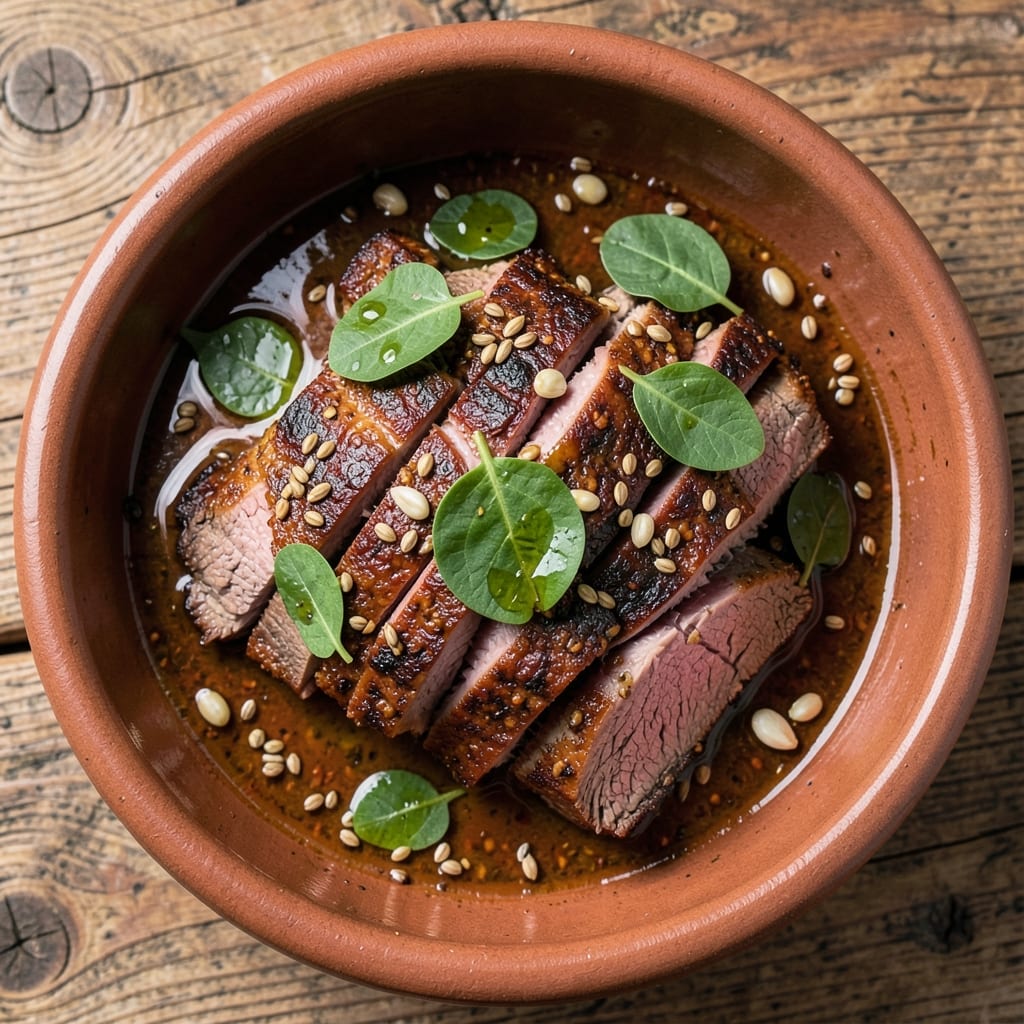
This African roast beef recipe transforms a classic cut into a bold, spice-crusted masterpiece with a tender pink center—just like my grandmother used to make. The secret lies in berbere spice, a fiery North African blend of chili, garlic, and fenugreek that creates a deep, aromatic crust while keeping the meat impossibly juicy. I’ve perfected this technique over years of family gatherings, where it becomes the centerpiece of every meal.
The process begins with a dry rub that penetrates the beef, followed by a slow oven roast that renders fat into the meat for unmatched richness. Unlike traditional Western roasts, this method embraces African flavors—think smoky, slightly sweet, and heat that lingers—without sacrificing tenderness. The result? A juicy pink core encased in a crackling, spice-kissed crust that pairs perfectly with couscous or grilled vegetables.
What sets this apart is the balance: the berbere spice adds complexity, but the slow cooking ensures the beef stays moist and flavorful from edge to edge. No need for complicated techniques—just patience and the right blend of spices. By the time you carve into this roast, your kitchen will smell like a bustling Ethiopian restaurant, and every bite will transport you there.
Serve with a side of spiced tomato relish or steamed greens to complete the experience. This isn’t just dinner—it’s a celebration of flavor. Let’s get started.
Ingredients for african roast beef
Six ingredients transform ordinary beef into a spice-kissed masterpiece with a juicy pink heart.
| Ingredient | Amount | Notes |
|---|---|---|
| Beef Chuck Roast 🥩 | 4 lb | Center-cut for even cooking |
| Berbere Spice Blend 🌶️ | ½ cup | Homemade or store-bought (see notes) |
| Extra-Virgin Olive Oil 🫒 | ¼ cup | For rub and basting |
| Fresh Garlic Cloves 🧄 | 8 cloves | Minced for berbere blend |
| Fresh Fenugreek Leaves 🌿 | ¼ cup | Chopped, for berbere blend |
| Ground Cumin 🌿 | 1 tbsp | Toasted for depth |
| Sweet Paprika 🌶️ | 1 tbsp | Smoked variety adds complexity |
| Ground Coriander 🌿 | 1 tbsp | Freshly ground preferred |
| Kosher Salt 🧂 | 1 ½ tbsp | Diamond Crystal preferred |
| Black Peppercorns 🌶️ | 1 tsp | Freshly cracked |
| Dried Red Chili Flakes 🔥 | 1 tsp | Adjust for heat preference |
| Unsalted Butter 🧈 | ½ cup | Cold, cubed for basting |
| Fresh Rosemary 🌿 | ¼ cup | Chopped, for garnish |
| Fresh Thyme Sprigs 🌿 | 4 whole | For aroma during roasting |
| Beef Broth 💧 | 1 cup | Low-sodium preferred |
The beef cut matters most here—center-cut chuck roast (not flank or sirloin) stays tender through the long roast. Costco or Whole Foods carry excellent options, but any well-marbled roast works. Trim excess fat if it's thick, but leave some for flavor. For berbere spice, Ethiopian markets have authentic blends, but you can make your own with the listed spices plus cardamom and ginger. The fenugreek leaves add a unique depth—skip them if unavailable, but the blend will still shine. Look for fresh fenugreek at Middle Eastern grocers or order online if needed.
No berbere blend? Mix 2 tbsp each smoked paprika, cumin, coriander, plus 1 tsp each cayenne, fenugreek seeds (if you have them), and cardamom. Fresh herbs can be swapped—dried oregano at half the amount works in a pinch. The butter should be cold and cubed when you baste—this creates a golden crust. For extra richness, add 1 tbsp of coconut oil to the rub. The beef broth isn't just for basting; it keeps the meat moist during the long cook. Use low-sodium to avoid over-salting the already well-seasoned crust.
This roast tastes even better the next day—plan ahead! Store leftovers in the fridge for up to 5 days, or freeze portions for 3 months. Wrap tightly in parchment and foil to prevent drying. Reheat slowly in the oven at 300°F with a splash of beef broth until warm through. The crust will crisp up again beautifully. For presentation, garnish with fresh rosemary and serve with a side of spiced tomato relish or steamed greens, just as my grandmother always did.
Why You'll Love This Recipe
- One-Pan Magic: Between us, this roast only needs a sheet pan—no fancy gadgets, no extra pots. Just sear the chuck roast with garlic and fenugreek, toss in the berbere, and let the oven do the work while you sip tea. That’s it.
- Flavor Bomb: Honestly, the berbere spice blend is the MVP here—smoky, citrusy, with just enough heat to linger. The fenugreek leaves add this earthy depth that turns simple beef into something unforgettable. (Yes, even on a Tuesday night.)
- Leftovers for Days: This roast is so tender it practically falls apart, which means it’s perfect for meal prep. I’ll make a big batch Sunday, slice it for sandwiches all week, or toss it into stews when I’m lazy. Zero waste, all flavor.
- Budget Winner: A chuck roast stretches farther than you’d think, especially when you’re feeding a crowd or stretching portions. Plus, berbere and fenugreek are affordable staples—no overpriced specialty ingredients here. Solid value for a dish that feels special.
Step-by-step instructions for African roast beef with berbere crust
Here's how to transform a simple chuck roast into a showstopping centerpiece with deep African flavors.
Create the Berbere Rub and Prepare the Meat
In a small bowl, combine the 0.5 cup berbere spice blend, 1 tbsp ground cumin, 1 tbsp sweet paprika, 1 tbsp ground coriander, 1.5 tbsp kosher salt, 1 tsp black peppercorns, and 1 tsp dried red chili flakes. This blend forms the heart of the crust - the berbere's complex heat and earthiness will penetrate the meat beautifully. If using fresh ingredients, finely chop the 8 cloves fresh garlic and 0.25 cup fresh fenugreek leaves to incorporate into the rub.
Pat the 4 lb beef chuck roast completely dry with paper towels - this is crucial for developing that signature crispy crust. The meat should be at room temperature before handling, so take it out of the refrigerator 1 hour before starting. Rub the spice mixture all over the roast, pressing firmly so the spices adhere and penetrate the surface. Let it sit at room temperature for another 30 minutes - this resting period allows the spices to meld with the meat's natural juices.
Sear the Roast for Maximum Flavor Development
Heat a heavy oven-safe skillet or Dutch oven over medium-high heat. Add 0.25 cup extra-virgin olive oil and swirl to coat the bottom evenly. Place the roast in the pan, fat-side down, and sear for 8-10 minutes until a deep golden-brown crust forms. You'll know it's ready when you can easily slide a metal spatula underneath without sticking. Flip the roast and sear the other side for another 6-8 minutes, then remove from the pan and set aside.
Here's where the magic happens: pour out all but 2 tablespoons of the rendered fat from the pan. This fat contains concentrated beef flavor that will form the base of our sauce. Return the pan to the heat and add the 4 whole fresh thyme sprigs, letting them infuse the fat for 1 minute until fragrant. This simple step adds another layer of aromatic complexity to the final dish.
Roast with Butter Basting for Juicy Perfection
Preheat your oven to 325°F. Place the seared roast in a roasting pan or deep baking dish. Add the 0.5 cup unsalted butter (cold, cubed) and 1 cup beef broth to the pan with the thyme sprigs. The butter will melt and baste the roast continuously as it cooks, while the broth prevents drying. Roast uncovered for 2 hours, basting with the pan juices every 30 minutes - this ensures even moisture distribution and maximum flavor penetration.
After 2 hours, check the internal temperature using a meat thermometer. The roast should register 195-200°F at its thickest point. If it hasn't reached this temperature, continue roasting another 30 minutes, basting again. The meat will continue cooking slightly after removal from the oven, so don't worry about hitting the exact temperature - we want that signature juicy pink center. The crust should be deep mahogany brown with visible caramelization.
Rest and Garnish for Presentation
Remove the roast from the oven and transfer it to a cutting board. Tent loosely with aluminum foil and let rest for 30 minutes - this crucial step allows the juices to redistribute throughout the meat. During this time, skim any excess fat from the pan juices and reduce them over medium-high heat until slightly thickened. This makes a perfect sauce for serving.
While the roast rests, finely chop the 0.25 cup fresh rosemary for garnish. To serve, slice the roast against the grain into ½-inch thick slices. Arrange on a platter, drizzle with the reduced pan juices, and sprinkle with the chopped rosemary. The contrast of the crispy, spice-encrusted exterior with the tender, juicy interior creates the perfect balance of textures and flavors.
Pro Tips For Making African Roast Beef
- Sear the Roast First: I learned this the hard way—skipping the sear means a bland crust. Heat your olive oil until it shimmers, then brown the chuck roast on all sides before adding berbere. That caramelized layer locks in flavor and keeps the meat juicy.
- Bloom the Berbere: Sprinkle the berbere spice blend over the roast and let it sit for 10 minutes before cooking. This wakes up the spices, making them aromatic and ensuring they stick to the meat instead of floating away in the pan.
- Don’t Overcrowd the Garlic: After searing, add the garlic cloves whole and crush them lightly with the flat of your knife—this releases flavor without burning. If you chop them, they’ll turn bitter and ruin the dish. Less is more here.
- Use Fenugreek Leaves Late: Toss the fresh fenugreek leaves in just before serving, not during cooking. They wilt fast and lose their bright, slightly bitter note if added too early. A handful at the end adds freshness that balances the berbere’s heat.
Serving suggestions for leftovers
African Sides
Pair your berbere-spiced roast with steamed greens like collard greens or Ethiopian gomen (spiced cabbage with berbere). I love tossing 2 lbs collard greens with 1 tbsp olive oil, ½ tsp berbere spice, and a squeeze of lemon—it complements the roast beautifully. Another classic is couscous—fluffy, steamed semolina that soaks up the rich pan juices. Cook 1 cup couscous in 2 cups beef broth with 1 tsp salt, then fluff with a fork. 🌿
Spiced Relishes
Brighten the plate with tomato relish—a tangy, spicy contrast to the rich beef. Mix 2 cups diced tomatoes, ¼ cup red onion, 2 tbsp olive oil, 1 tsp berbere spice, and 1 tsp honey. Let it sit for 30 minutes before serving to let flavors meld. For extra heat, add 1 tbsp chopped jalapeño. This relish cuts through the richness and adds a vibrant pop of color. 🌶️
Bread Pairings
Serve with Ethiopian injera—a sourdough flatbread made from teff flour—for a traditional touch. If you can’t find it, warm pita bread brushed with garlic-infused olive oil works perfectly. For a heartier option, try naan or focaccia—both soak up the pan juices and add texture. I keep a batch of naan in the freezer for quick reheating. 🥖
Sauce Enhancements
Elevate the dish with yogurt sauce—whisk ½ cup plain yogurt, 1 tbsp lemon juice, 1 tsp berbere spice, and a pinch of salt. Drizzle over sliced roast for a cooling contrast. For a richer option, reduce the pan juices with 1 tbsp butter until syrupy, then drizzle over the meat. This adds depth and ties all the flavors together. 🧈
Garnish Finishing
Finish with fresh cilantro or parsley for brightness—chop ¼ cup cilantro and sprinkle over slices. A few lemon wedges on the side let guests squeeze fresh juice over their plates. For a smoky touch, add a pinch of smoked paprika to the garnish. These small details make the dish feel restaurant-quality. ✨
Nutrition facts
Frequently asked questions
What makes this African roast beef different from traditional Western roasts?
The key difference lies in the berbere spice blend, which combines chili, garlic, fenugreek, and cumin for a complex, aromatic crust. Unlike Western roasts that often rely on rosemary or thyme, this recipe delivers a smoky, slightly sweet heat with a tender pink center. The butter basting technique ensures juicy perfection while the berbere creates that signature African depth.
Can I use a different cut of beef for this recipe?
While chuck roast is ideal for its marbling and tenderness, you can substitute with brisket or short ribs. Avoid lean cuts like sirloin—they won’t stay juicy during the long roast. If using brisket, trim excess fat and plan for an extra 30 minutes of cooking time. The berbere rub works beautifully on all these cuts.
How do I adjust the heat level in this recipe?
Reduce the heat by omitting the dried red chili flakes or using ½ tsp instead of 1 tsp. For extra spice, add 1 tsp cayenne pepper to the berbere blend. Always taste the spice mix before applying it to the meat—this lets you customize the heat to your preference.
Why does the recipe call for resting the meat after roasting?
Resting for 30 minutes lets the juices redistribute throughout the meat, preventing them from pooling on the cutting board. Skipping this step results in dry slices. The crust will stay intact while the interior remains juicy and tender. Think of it as letting the flavors settle—just like a fine wine!
What’s the best way to reheat leftovers?
Slice the roast and reheat in a skillet with 1 tbsp beef broth over medium-low heat for 5-7 minutes until warmed through. For whole leftovers, wrap tightly in foil and bake at 300°F for 1 hour. Avoid microwaving—it makes the crust soggy. The flavors actually improve the next day!