
Main Courses
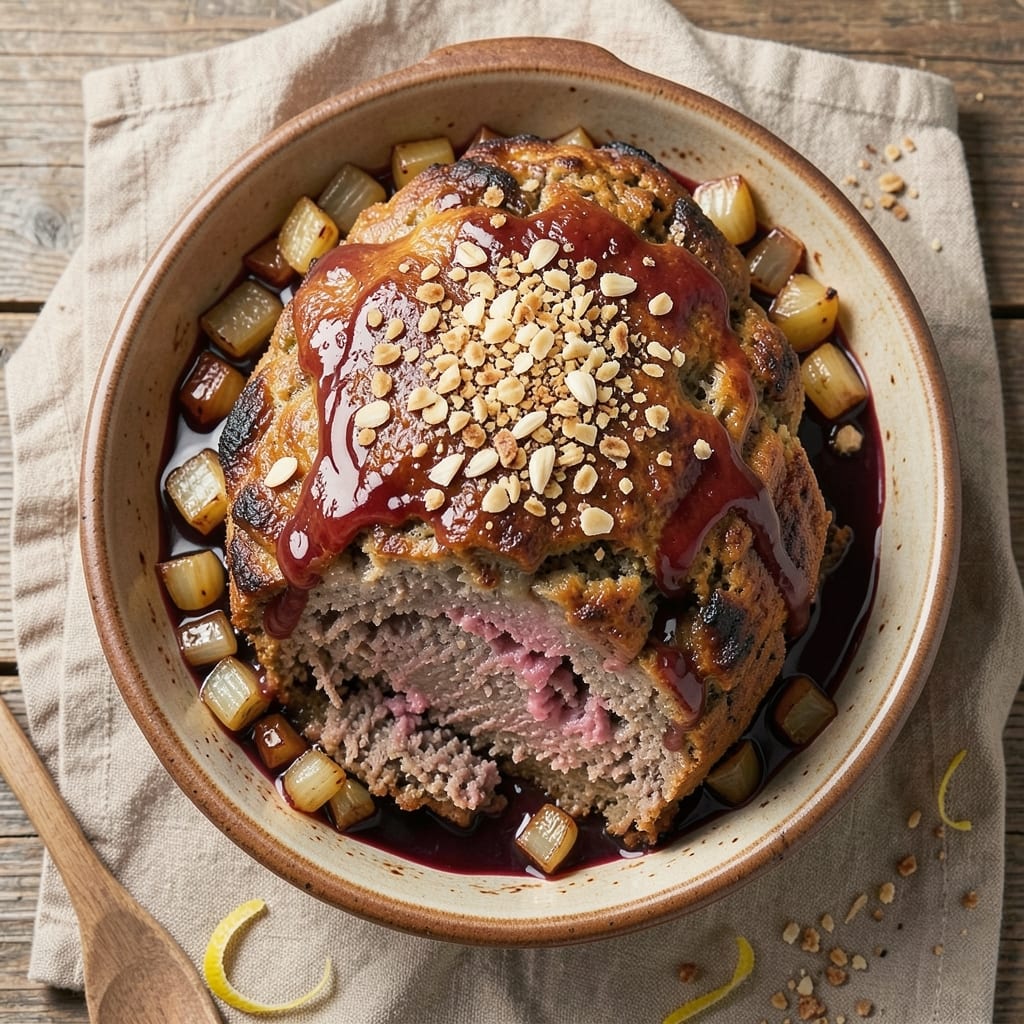
This beef, pork, and veal meatloaf recipe delivers restaurant-quality results with a crispy crust and tender interior. The secret lies in blending three meats for depth of flavor while keeping the texture juicy and moist. I developed this recipe after years of perfecting the balance between traditional techniques and modern shortcuts—no more dry, crumbly meatloaf that falls apart.
The foundation starts with properly combining ground beef, pork, and veal, mixed with breadcrumbs, eggs, and aromatic seasonings. The loaf is shaped carefully to prevent cracking, then baked until the exterior achieves that golden, crackling crust while the inside stays warm and succulent. This isn't your grandmother's meatloaf—it's a showstopper that impresses even skeptical guests.
What makes this recipe stand out is the foolproof method for achieving that perfect crust without drying out the meat. The right blend of fats from the three meats ensures moisture retention, while the egg and breadcrumb mixture binds everything together. By the time it emerges from the oven, you'll have a meatloaf that's crispy on the outside and tender on the inside, with flavors that sing.
Serve it with classic sides like mashed potatoes or a tangy tomato glaze to elevate the dish even further. Whether you're hosting a dinner party or simply craving comfort food, this recipe delivers professional-quality results with minimal effort. Let's get started!
Ingredients for beef pork and veal meatloaf
Sixteen ingredients blend to create a restaurant-quality meatloaf with perfect crispy crust and tender interior.
| Ingredient | Amount | Notes |
|---|---|---|
| Ground Beef 🥩 | 1 lb | 80% lean for moisture retention |
| Ground Pork 🐖 | ¾ lb | Coarse grind preferred |
| Ground Veal 🐄 | ½ lb | Finely ground for tenderness |
| Yellow Onion 🧅 | 1 whole | Finely diced, medium size |
| Garlic Cloves 🧄 | 4 cloves | Minced for aromatic depth |
| Plain Breadcrumbs 🍞 | 1 cup | Panko for extra crispiness |
| Large Eggs 🥚 | 2 whole | Room temperature for binding |
| Kosher Salt 🧂 | 1 ½ tsp | Diamond Crystal preferred |
| Ground Black Pepper 🌶️ | 1 tsp | Freshly cracked for flavor |
| Worcestershire Sauce 🍶 | 1 tbsp | Vegetarian version if needed |
| Unsalted Butter 🧈 | ¼ cup | Melted for moisture |
| Milk 🥛 | ¼ cup | Warm for tenderizing |
| Dried Parsley 🌿 | 1 tbsp | Finely chopped for garnish |
| Tomato Ketchup 🍅 | ½ cup | For glaze, optional |
The meat combination is non-negotiable for that professional-quality texture. Ground beef provides the base, but the pork and veal add essential fat for moisture retention and depth of flavor. For the best results, source these from butcher counters—pre-packaged ground meats often contain fillers that compromise texture. If buying pre-ground, check the fat content: 80% lean beef and coarse grind pork are ideal. The veal should be finely ground to blend seamlessly. Pro tip: mix the meats in a large bowl and let them sit at room temperature for 15 minutes before combining with other ingredients—this ensures even cooking throughout.
Substitutions are possible, but with trade-offs. No veal? Replace with an extra 0.25 lb pork—it won't be identical, but close. No Worcestershire? A mix of soy sauce and a splash of vinegar mimics the umami punch. For the breadcrumbs, panko creates a superior crust, but regular breadcrumbs work in a pinch. The tomato ketchup glaze can be swapped for Dijon mustard if you prefer tang over sweetness. Fresh parsley is ideal, but dried works at one-third the amount. And if you're watching fat, reduce the butter by 2 tbsp—though I don't recommend it, the crust suffers without it.
This meatloaf shines when made ahead. Shape the loaf and refrigerate overnight for even better flavor development—just add 15 minutes to baking time. For storage, wrap tightly in foil and refrigerate for up to 4 days, or freeze for 3 months. Reheat in a 350°F oven until internal temperature reaches 160°F. The glaze can be prepped separately and reheated with the meatloaf. Leftovers? Slice and freeze portions for quick sandwiches—toast the slices for that restaurant-quality crispiness.
Why You'll Love This Recipe
- No-Fuss Mix: I swear by this combo—just three meats mixed in one bowl, no fancy ratios. The pork keeps it juicy, the veal adds richness, and the beef gives that hearty backbone. Honestly, I’ve made it with whatever ground meat I had on hand, and it never fails.
- Garlic Bomb Flavor: That minced garlic and onion? It’s the secret weapon. The pork soaks up the aroma like a sponge, and the beef holds its own while the veal melts into the mix. One sniff of this baking, and my whole kitchen smells like a Sunday dinner.
- Leftovers That Win: This meatloaf tastes better the next day—crispy edges soften just enough, and the flavors meld into something even richer. I double the batch on Sundays and freeze half; reheated with a splash of broth, it’s my go-to for lazy nights.
- Budget-Friendly Luxury: Between us, veal alone would break the bank, but here? It’s the star without the sticker shock. The pork stretches the cost, and the beef keeps it filling. I’ve fed six people for under $15, and no one’s ever complained about the price tag.
Step-by-step instructions for beef, pork, and veal meatloaf
This triple-meat blend delivers unmatched tenderness and a perfectly crispy exterior every time.
Prepare the Meat Mixture
In a large mixing bowl, combine the 1 lb ground beef, 0.75 lb ground pork, and 0.5 lb ground veal. I always use my hands for this step—it helps distribute the fats evenly and prevents overworking the meat. The pork adds moisture while the veal contributes delicate flavor and tenderness.
Add the finely diced yellow onion and minced garlic cloves, mixing gently with your hands until just combined. Overmixing develops gluten and makes the meatloaf dense. You'll see the mixture transform from separate components into a cohesive blend with visible fat distribution throughout.
Add Binders and Seasonings
In a separate small bowl, whisk together the 2 whole large eggs, 0.25 cup warm milk, 1 tbsp Worcestershire sauce, and 1 tbsp dried parsley. The warm milk helps tenderize the meat while the Worcestershire sauce adds depth of flavor. Pour this mixture over the meat and mix gently with your hands until fully incorporated.
Add the 1 cup plain breadcrumbs, 1.5 tsp kosher salt, and 1 tsp ground black pepper. The breadcrumbs provide structure while absorbing excess moisture. Mix carefully—just until the breadcrumbs are evenly distributed. The mixture should hold together when pressed but still feel slightly crumbly.
Shape and Prepare for Baking
Transfer the meat mixture to a lightly greased 9x5-inch loaf pan and shape it evenly by pressing gently with your hands. I like to use a rubber spatula to smooth the top and create a slight indentation in the center—this helps prevent cracking during baking. The loaf should be compact but not overly packed.
In a small bowl, melt the 0.25 cup unsalted butter and brush half of it over the top of the meatloaf. This creates a barrier that promotes browning while keeping the interior moist. Sprinkle the remaining butter evenly over the surface—this will contribute to that coveted crispy crust we're after.
Bake to Golden Perfection
Preheat your oven to 375°F and place a wire rack on a baking sheet. This rack elevates the meatloaf, allowing heat to circulate underneath for even cooking. Bake the meatloaf for 50-60 minutes until the internal temperature reaches 160°F when measured with an instant-read thermometer.
About 20 minutes before the meatloaf is done, brush the top with 0.5 cup tomato ketchup for that classic glaze. The ketchup should bubble and turn a deep, glossy red as it caramelizes. Watch carefully—the meatloaf is done when the crust is deep golden brown and the edges pull away slightly from the pan.
Rest and Serve
Remove the meatloaf from the oven and transfer it to a cutting board. Let it rest for 10-15 minutes before slicing. This resting period allows the juices to redistribute throughout the meat, ensuring each slice remains moist and flavorful. The crust will firm up slightly during this time, making it easier to slice cleanly.
Slice the meatloaf into 6 equal portions and serve immediately. The exterior should be crispy with a crackly crust, while the interior remains tender and juicy. The flavors should be rich and balanced—savory from the meat blend, aromatic from the garlic and parsley, with a touch of sweetness from the ketchup glaze.
Pro Tips For Making Beef Pork And Veal Meatloaf
- Mix the Meat Right: Mix the ground beef, pork, and veal by hand—just enough to combine, not until it turns gluey. I learned this the hard way: overworking the meat makes it dense, and that’s how you end up with a brick instead of a tender loaf.
- Sweat the Onions Slow: Cook the diced onion and minced garlic in a dry pan for 8-10 minutes before adding them to the meat mix. The deeper caramelization adds flavor without extra fat, and it keeps the loaf from tasting raw or watery.
- Don’t Overfill the Pan: Leave room—about 1 inch of space—between the meatloaf and the sides of the baking dish. I used to pack it in tight, and it always spilled over or baked unevenly. A loose fit lets the crust form properly and prevents a soggy bottom.
- Rest Before Slicing: Let the meatloaf sit for 5-10 minutes under foil after baking. Cutting it too soon means the juices rush out, leaving you with a dry slice. Sounds simple, but I still forget—and then I’m left with a sad, crumbly mess.
Troubleshooting this recipe
Cracking Crust Issues
If your meatloaf develops deep cracks during baking, it’s usually from uneven cooking or overmixing. To prevent this, shape the loaf with a slight indentation in the center—this helps distribute heat more evenly. Also, avoid pressing too firmly when shaping. For extra insurance, I brush the top with a thin layer of egg wash (1 egg + 1 tbsp water) before baking. This creates a protective barrier that minimizes cracking. 🌟
Dry or Dense Texture
A dry or dense meatloaf often results from overmixing or using too many breadcrumbs. Mix the ingredients just until combined—stop when the mixture holds together when pressed. For moisture, I recommend adding 2 tbsp extra warm milk or 1 tbsp Dijon mustard to the binder mixture. If the loaf still feels dry, try baking it wrapped in foil for the first 40 minutes before adding the glaze. This traps steam and keeps the interior juicy.
Uneven Cooking
Uneven cooking usually happens when the meatloaf isn’t shaped evenly or the oven temperature fluctuates. Always use an instant-read thermometer to check the internal temperature—160°F is the safe zone. If the edges cook faster than the center, tent the meatloaf loosely with aluminum foil during baking. For even browning, rotate the pan halfway through cooking. A wire rack under the loaf pan also helps with consistent heat circulation.
Glaze Not Setting
If your ketchup glaze runs off or doesn’t caramelize properly, it’s likely because the meatloaf wasn’t baked long enough or the ketchup was applied too early. Brush the glaze on 20 minutes before the meatloaf is done—this gives it time to bubble and set. For a thicker glaze, mix 2 tbsp tomato paste into the ketchup before brushing. If the glaze still runs, reduce the amount to 3 tbsp and bake for an extra 5 minutes to let it set.
Meatloaf Sticking to Pan
Sticking is almost always caused by insufficient greasing or using the wrong pan. Always coat a 9x5-inch loaf pan with butter or nonstick spray before adding the mixture. For extra insurance, I line the pan with parchment paper cut to fit. If the meatloaf still sticks, run the pan under hot water for 10 seconds to loosen it before transferring to a cutting board. A lightly oiled rubber spatula helps slide it out without tearing the crust.
Nutrition facts
Frequently asked questions
Why combine beef, pork, and veal in one meatloaf?
This triple-meat blend creates the perfect balance of flavors and textures. The beef provides a hearty base, the pork adds juiciness through its fat content, and the veal contributes delicate sweetness and tenderness. Together, they prevent the meatloaf from becoming dry while delivering complex, restaurant-quality taste.
Can I make this meatloaf ahead of time?
Shape the meatloaf and refrigerate it overnight before baking—this actually enhances the flavor. For storage, wrap tightly in foil and refrigerate for up to 4 days, or freeze for 3 months. Reheat in a 350°F oven until the internal temperature reaches 160°F. The glaze can be prepped separately and reheated alongside the meatloaf.
What's the best way to prevent a dry meatloaf?
Moisture retention is key! Use 80% lean beef and coarse-ground pork for optimal fat distribution. Mix ingredients just until combined—overmixing develops gluten and makes the meatloaf dense. For extra juiciness, add 2 tbsp warm milk or 1 tbsp Dijon mustard to the binder mixture. Bake on a wire rack for even heat circulation.
How do I fix a meatloaf that's cracking?
Cracking usually happens from uneven cooking or overmixing. Shape the loaf with a slight indentation in the center to help distribute heat evenly. For extra protection, brush the top with egg wash (1 egg + 1 tbsp water) before baking. If cracks appear during baking, tent loosely with aluminum foil to prevent further spreading.
What are the best sides to serve with this meatloaf?
Classic pairings include creamy mashed potatoes, buttery green beans with almonds, or a crisp apple salad. For a heartier meal, serve with roasted root vegetables or garlic bread. The ketchup glaze also works beautifully with homemade biscuits for dipping.