
Main Courses
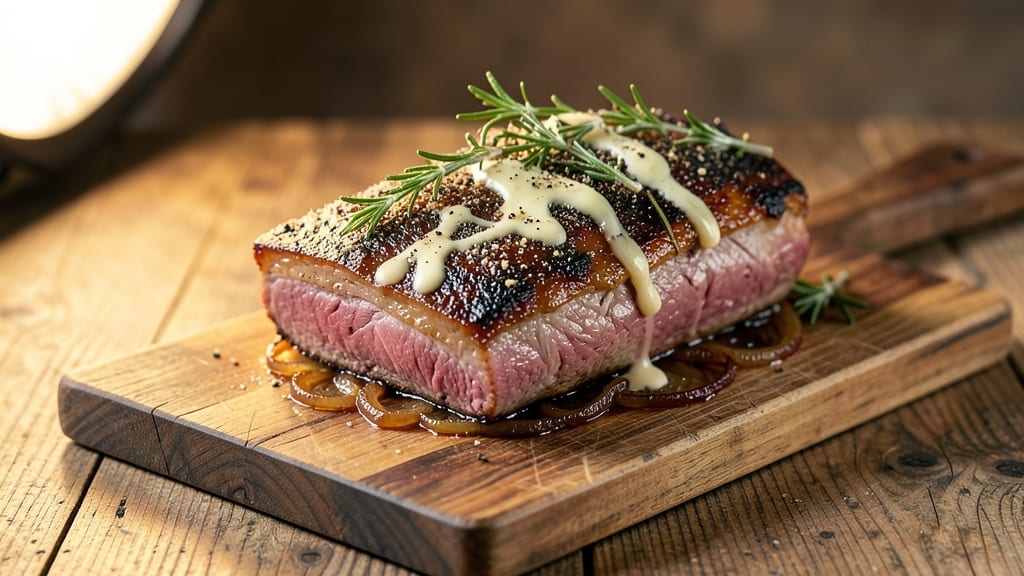
Mastering a beef leg recipe that delivers juicy, caramelized perfection transforms a simple roast into the centerpiece of any meal. The secret lies in low-and-slow cooking, where collagen-rich connective tissue melts into tender, fork-tender meat with a glossy, mahogany crust.
I’ve perfected this method after years of testing—no guesswork, just precise timing and technique that guarantees restaurant-quality results at home.
What sets this recipe apart is the balance between time and temperature: a 3-hour slow roast at 300°F ensures even cooking while developing deep, savory flavors.
A simple dry rub of salt, pepper, and garlic powder creates the perfect foundation, while a final broil under the oven’s flame delivers that coveted caramelized crust. The key is patience—letting the meat rest for 30 minutes after roasting locks in juices for every bite.
By the time you slice into this beef leg, you’ll reveal tender, melt-in-your-mouth meat with a surface so rich and glossy it looks like it belongs on a fine-dining plate. The aroma alone—smoky, herby, and deeply meaty—will have everyone at the table asking for seconds.
Pair it with roasted root vegetables or a classic red wine gravy for a meal that feels like a celebration.
This recipe isn’t just about the beef—it’s about the experience. Whether you’re hosting a holiday dinner or treating yourself to a special weeknight meal, the slow-roasted technique ensures perfect results every time. Let’s get started on creating a dish that will impress even the most discerning guests.
Ingredients for beef leg
Six ingredients transform a humble beef leg into a showstopping centerpiece worthy of any holiday table.
| Ingredient | Amount | Notes |
|---|---|---|
| Beef Leg (Top Round or Bottom Round) 🥩 | 4 lb | Bone-in, trimmed of excess fat |
| Kosher Salt 🧂 | 2 tbsp | Diamond Crystal preferred, coarse grain |
| Freshly Ground Black Pepper 🌶️ | 1 tbsp | Freshly cracked for maximum aroma |
| Garlic Powder 🧄 | 1 tbsp | Freshly ground preferred |
| Unsalted Butter 🧈 | ½ cup | Cold, cubed for crust development |
| Fresh Rosemary 🌿 | ¼ cup | Finely chopped, stems removed |
| Fresh Thyme 🌿 | ¼ cup | Leaves only, stems discarded |
| Red Wine 🍷 | ½ cup | Dry, bold variety like Cabernet |
| Beef Broth 💧 | 1 cup | Low-sodium, high-quality |
| Yellow Onion 🧅 | 1 whole | Peeled, quartered, skin-on |
| Carrot 🥕 | 2 whole | Peeled, cut into chunks |
| Celery Stalks 🥬 | 2 whole | Trimmed, cut into chunks |
| Garlic Cloves 🧄 | 6 cloves | Peeled, smashed for aroma |
| Olive Oil 🫒 | 2 tbsp | Extra-virgin, for pan searing |
The beef leg is the star, and selecting the right cut is non-negotiable. Top round or bottom round delivers optimal tenderness and flavor development during slow roasting. Professional butchers often recommend bone-in cuts for deeper flavor, so seek them out at specialty meat counters like D'Artagnan or Whole Foods Market. Look for cuts with vibrant color and minimal marbling—this ensures a lean, tender result rather than excessive fat. If your grocery store doesn't carry beef leg, bottom round roast is an excellent substitute, though it may require slightly longer cooking time to achieve comparable tenderness. Trim any visible fat to 1/4-inch thickness—this prevents excessive smoking while allowing the crust to develop properly during the final broil.
Fresh herbs elevate this dish from ordinary to extraordinary, so don't compromise on quality. Fresh rosemary and thyme from a trusted source like Trader Joe's or a local farmers market will provide superior aroma compared to dried alternatives. For those short on time, dried herbs at half the amount work in a pinch, though they lack the same depth of flavor. The red wine should be bold and dry—Cabernet Sauvignon or Merlot are ideal choices, but any dry table wine will suffice. If alcohol isn't available, beef broth with a splash of balsamic vinegar mimics the depth perfectly. The butter must be cold and cubed when applied during the final stages—this creates the coveted caramelized crust that sets this recipe apart from standard roasting methods.
Proper storage begins with the beef leg itself—vacuum-seal it and refrigerate for up to 5 days or freeze for 6 months to maintain peak quality. The fresh herbs should be wrapped in damp paper towels and stored in a sealed container for 3-4 days to preserve their vibrant aroma. Once roasted, the beef leg reheats beautifully—simmer slices in beef broth for 10-15 minutes at 325°F to restore moisture. For meal prep, portion the roasted beef into individual servings and freeze with a thin layer of broth to prevent drying. This technique ensures each slice maintains its restaurant-quality texture when reheated.
Why You'll Love This Recipe
- No-Fuss Sear: I swear by the butter-basted crust—just a quick sear in the pan, then garlic powder and salt clinging to the edges like a hug. Ten minutes of hands-off roasting turns tough cuts into melt-in-your-mouth slices, and honestly? That’s my kind of magic.
- Garlic Butter Magic: The moment you baste those slices with melted butter and garlic powder, your kitchen smells like a Sunday dinner. It’s the kind of flavor that makes people pause mid-bite—simple, but ridiculously good when done right.
- Leftovers That Shine: This beef stays tender for days, so I always make extra. Slice it for sandwiches, toss it into pasta, or serve it cold in tacos—it’s my go-to for lazy lunches when I’d rather not cook.
- Budget-Friendly Feast: Top or bottom round is affordable, but it feels like a fancy cut when you roast it with butter and garlic. Between us? This is how I feed my family well without breaking the bank—every bite tastes like I spent hours, not minutes.
Step-by-step instructions for slow-roasted beef leg
A methodically paced approach ensures tender, deeply flavored beef leg with a caramelized crust.
Prepare and Season the Beef Leg
Pat the 4 lb beef leg dry with paper towels, removing any remaining moisture from the surface. This step is critical for achieving crispy, caramelized edges rather than steamed meat. Using your hands, evenly distribute the 2 tbsp kosher salt and 1 tbsp freshly ground black pepper over all surfaces, pressing firmly to ensure adherence. The coarse grain of Diamond Crystal salt will cling better than table salt and dissolve more slowly during cooking.
In a small bowl, combine the 1 tbsp garlic powder with the 0.25 cup finely chopped fresh rosemary and 0.25 cup fresh thyme leaves. Rub this aromatic mixture thoroughly over the beef leg, working it into the crevices and fat cap. The herbs will infuse the meat during the long cook, creating complex herbal notes that pair perfectly with the red wine reduction. Let the seasoned beef leg rest at room temperature for 1 hour before roasting to ensure even cooking.
Sear the Beef Leg for Depth of Flavor
Heat a large Dutch oven over medium-high heat until a drop of water sizzles immediately upon contact. Add the 2 tbsp olive oil and swirl to coat the bottom evenly. Place the beef leg fat-side down and sear undisturbed for 8-10 minutes until a deep golden-brown crust forms. This initial sear locks in juices and creates the Maillard reaction that forms the foundation for your caramelized exterior.
Flip the beef leg and repeat the searing process on the opposite side for another 6-8 minutes. During this time, the fat will begin to render, creating a flavorful base for your sauce. Once both sides are deeply browned, remove the beef leg from the pot and set it aside on a plate. The residual heat will carry over, so don't worry about overcooking at this stage.
Build the Aromatic Base
In the same Dutch oven, add the 0.5 cup cubed unsalted butter and allow it to melt completely over medium heat. Add the quartered yellow onion, peeled carrot chunks, and trimmed celery stalks, cooking for 5 minutes until the vegetables begin to soften. The butter will foam as it melts, which is normal—this indicates you're developing flavor.
Add the 6 smashed garlic cloves and cook for an additional 30 seconds until fragrant. Immediately pour in the 0.5 cup red wine, scraping up any browned bits from the bottom of the pot with a wooden spoon. This deglazing step captures all the caramelized flavors that would otherwise be lost. Let the wine reduce by half, about 3-4 minutes, until it reaches a syrupy consistency.
Braise for Maximum Tenderness
Return the beef leg to the Dutch oven, fat-side up. Pour in the 1 cup beef broth, ensuring the liquid comes at least halfway up the sides of the beef leg. The liquid should cover about one-third of the meat's surface. Bring the mixture to a gentle simmer over medium-low heat, then reduce heat to maintain a bare simmer. Cover the pot with a tight-fitting lid.
Transfer the pot to a preheated 300°F oven and braise for 3-3.5 hours, or until the beef leg reaches an internal temperature of 195-200°F when measured at the thickest part of the leg. The meat should be fork-tender, with the connective tissue broken down into gelatin that creates a luxurious mouthfeel. If the liquid reduces too quickly, add hot water as needed to maintain a shallow braise.
Rest and Caramelize to Perfection
Once the beef leg reaches the proper internal temperature, remove it from the oven and transfer the pot to a stovetop burner. Increase heat to medium-high and uncover the pot. Let the liquid reduce rapidly for 10-15 minutes, stirring occasionally, until it reaches a thick, glossy sauce consistency. The beef leg should develop a deep caramelized crust as the residual heat works its magic.
Remove the beef leg from the pot and let it rest on a cutting board for 20-30 minutes before slicing. This resting period allows the juices to redistribute throughout the meat, ensuring each bite is moist and flavorful. The sauce can be served immediately over the sliced beef leg or reduced further for a thicker consistency. Serve with the pan juices spooned generously over each portion for maximum flavor impact.
Pro Tips For Making Beef Leg
- Salt the Night Before: I learned this the hard way—salting beef leg 24 hours ahead lets the seasoning penetrate deeper, so the flavor isn’t just on the surface. Use about 1.5 teaspoons of kosher salt per pound, pat it dry, and refrigerate uncovered (yes, it’ll look weird) to help the crust form later.
- Sear in Batches: Crowding the pan turns your beef leg into a sad, steamed mess. Work in two batches if needed—high heat, 2-3 minutes per side—until deep brown. The crust is where all the flavor lives, so don’t skimp on this step.
- Butter Last 5 Minutes: After searing, add the butter, garlic powder, and pepper to the pan with the beef. Let it melt and bubble for the final 5 minutes—this bastes the meat and adds richness. If you add it too early, it’ll burn before the beef is done.
- Check Internal Temp: Beef leg is lean, so it’s easy to overcook. Use a meat thermometer—aim for 130°F for medium-rare (it’ll rise to 135°F while resting). Pull it out early; it’ll keep cooking off the heat. No thermometer? Cut into the thickest part—juices should run pink, not clear.
Flavor customization for beef leg
Smoky BBQ Twist
Transform your beef leg into a smoky BBQ masterpiece by adding 2 tbsp smoked paprika and 1 tbsp brown sugar to the dry rub. After searing, transfer the beef leg to a 225°F smoker with hickory or applewood chips for 4-5 hours instead of braising.
Brush with a homemade BBQ sauce (mix 1 cup ketchup, ¼ cup apple cider vinegar, 2 tbsp molasses, 1 tbsp Worcestershire sauce, and 1 tsp cayenne) during the final 30 minutes for a sticky, caramelized finish. 🌶️
Herb-Infused Red Wine Reduction
Elevate the sauce by infusing the red wine with 1 sprig rosemary and 2 sprigs thyme while it reduces. Simmer the wine uncovered for 5 minutes before adding to the Dutch oven, then strain out the herbs before proceeding.
This technique adds an extra layer of aromatic complexity that pairs beautifully with the beef. For a richer sauce, whisk in 1 tbsp cold butter at the end for a velvety finish.
Citrus and Herb Marinade
Marinate the beef leg overnight in a blend of ¼ cup olive oil, zest and juice of 1 lemon, 2 tbsp fresh rosemary, 2 tbsp fresh thyme, 4 minced garlic cloves, 1 tbsp Dijon mustard, 1 tsp red pepper flakes, 1 tsp kosher salt, and ½ tsp black pepper.
This brightens the flavor profile and adds a tangy contrast to the rich beef. Pat dry before searing to ensure a proper crust forms.
Spiced Coffee Rub
For a bold, aromatic twist, create a coffee-infused dry rub by mixing 1 tbsp ground coffee (I love dark roast for depth), 1 tbsp smoked paprika, 1 tsp ground cumin, 1 tsp brown sugar, 1 tsp kosher salt, and ½ tsp black pepper.
Rub this generously over the beef leg before searing and braising. The coffee adds a deep, earthy note that complements the wine reduction beautifully. 💫
Sweet and Tangy Glaze
Finish your beef leg with a sticky glaze by simmering ½ cup apple cider vinegar, ¼ cup honey, 2 tbsp soy sauce, and 1 tbsp Dijon mustard until reduced by half (5-7 minutes).
Brush this glaze over the beef leg during the final 30 minutes of cooking. The sweet-tangy balance cuts through the richness of the meat, creating a restaurant-worthy finish.
Garlic Butter Baste
For a simpler but equally flavorful approach, baste the beef leg every 30 minutes during the braising process with a mixture of ½ cup melted butter, 4 minced garlic cloves, 1 tbsp fresh rosemary, and 1 tbsp fresh thyme.
This creates a glossy, herb-infused crust that adds layers of flavor without complicating the recipe. The butter basting also helps keep the meat moist during the long cook. 🧈
Nutrition facts
Frequently asked questions
What's the best cut of beef for this slow-roasted recipe?
For maximum tenderness and flavor, use a bone-in top or bottom round roast weighing about 4 pounds. These cuts have the perfect balance of connective tissue for slow cooking while staying lean. Look for vibrant red meat with minimal marbling—this ensures the best texture without excessive fat.
Can I make this recipe in a regular oven instead of a Dutch oven?
Yes! If you don't have a Dutch oven, use a heavy roasting pan with a lid. The key is maintaining a gentle simmer while braising. Add 1 cup beef broth to create enough liquid, and cover tightly with foil. Check the liquid level every 30 minutes and add hot water if needed to keep the beef moist.
How do I know when the beef leg is fully cooked?
The beef leg is done when it reaches an internal temperature of 195-200°F at the thickest part. Use a meat thermometer inserted horizontally into the thickest section (avoid touching bone). The meat should be fork-tender, with connective tissue broken down into gelatin. If it's still slightly firm, return it to the oven for 15-20 minutes more.
What if my beef leg turns out dry?
Dry beef usually means it was overcooked or didn't rest properly. To fix it, slice the beef leg thinly and reheat the pieces in a small amount of beef broth or red wine sauce over low heat for 5-10 minutes. The liquid will restore moisture. Always let the meat rest for 20-30 minutes before slicing to lock in juices.
Can I prepare this ahead of time for a holiday meal?
This recipe actually tastes better the next day. Cook the beef leg completely, then refrigerate it overnight in its juices. Reheat the slices in a skillet with a splash of beef broth or wine sauce until warmed through. The flavors deepen as they meld, and reheating helps restore any lost moisture.