
Sauces & Condiments
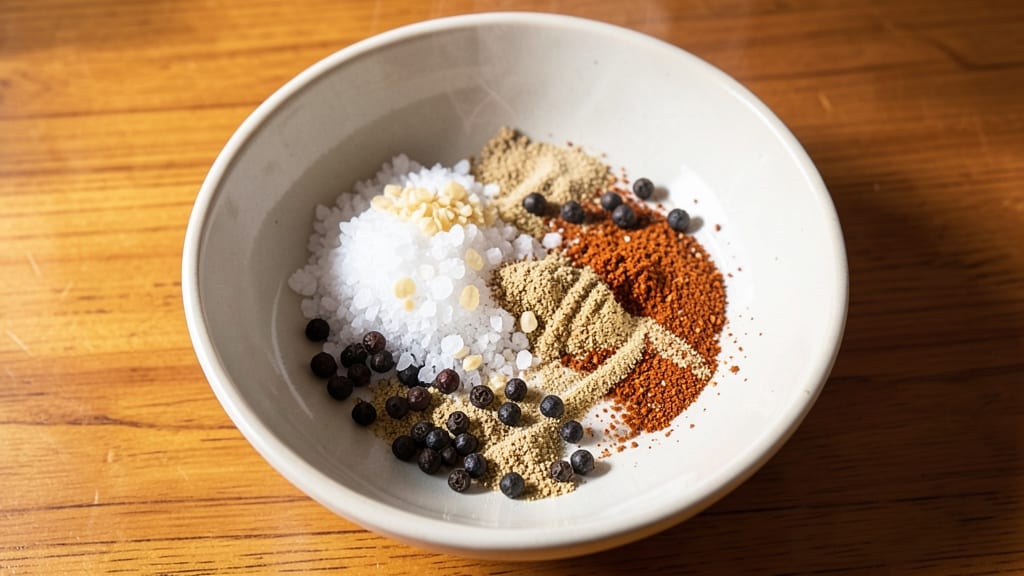
Creating the perfect beef brisket seasoning blend is the foundation for transforming tough, lean meat into tender, smoky perfection. This dry rub penetrates deeply during cooking, delivering layers of flavor that turn ordinary brisket into a showstopping centerpiece.
I developed this blend after years of testing, focusing on bold spices that stand up to long cooking times while enhancing the beef's natural richness.
The key to this seasoning mix lies in balancing heat, smokiness, and depth—just 2 tablespoons of this blend per pound of brisket creates an intense flavor profile without overpowering the meat.
The combination of coarse kosher salt and black pepper forms the base, while smoked paprika and garlic powder add complexity that develops beautifully during slow cooking. Each spice plays a precise role, ensuring every bite delivers that perfect harmony of savory and spicy notes.
What makes this blend truly special is its versatility—whether you're smoking, grilling, or slow-cooking your brisket, this seasoning delivers restaurant-quality results with minimal effort. The spices adhere perfectly to the meat's surface, creating a flavorful crust that locks in moisture while building depth throughout the cooking process.
This isn't just another dry rub; it's a professional-grade seasoning designed to elevate your brisket to new heights.
Once you've made this blend, store it in an airtight container for up to 6 months, ready to transform your next brisket into a masterpiece.
The precision in measurements and spice selection ensures consistent, reliable flavor every time. Let's get started on creating your signature seasoning blend—your brisket will thank you.
Ingredients for beef brisket seasoning
Nine essential spices transform brisket into smoky perfection—no shortcuts needed.
| Ingredient | Amount | Notes |
|---|---|---|
| Coarse Kosher Salt 🧂 | 3 tbsp | Diamond Crystal preferred for texture |
| Smoked Paprika 🌶️ | 2 tbsp | High-quality for authentic smokiness |
| Freshly Ground Black Pepper 🌶️ | 1 ½ tbsp | Cracked peppercorns preferred |
| Garlic Powder 🧄 | 1 ½ tbsp | Freshly ground for best flavor |
| Onion Powder 🧅 | 1 tbsp | Finely ground for even distribution |
| Ground Cumin 🌿 | 1 tbsp | Toasted for deeper aroma |
| Mustard Powder 🍯 | 1 tsp | Adds subtle tanginess |
| Cayenne Pepper 🔥 | ½ tsp | Adjust for heat preference |
| Ground Coriander 🌿 | ½ tsp | Brightens overall flavor |
| Brown Sugar 🍚 | 1 tbsp | Lightly packed for consistency |
The salt is non-negotiable here—Diamond Crystal kosher gives the perfect coarse texture that clings to the brisket without dissolving. Penzeys Spices or bulk bins at Whole Foods are my go-tos for quality, but any good grocery store's kosher salt section works. Smoked paprika is where the magic happens: Cholula or La Boheme brands deliver that authentic campfire smokiness. Toast your cumin seeds in a dry pan for 30 seconds before grinding—trust me on this—it makes a world of difference. For the brown sugar, light packing matters—use your fingers to gently press it down, not ram it. This blend is all about balance, so measure carefully: the salt and pepper form the base, while the spices build layers of complexity.
No smoked paprika? Substitute with a mix of regular paprika and a pinch of liquid smoke—about half the amount of smoked paprika. Running low on coriander? Cilantro powder works in a pinch, though the flavor will be slightly different. Mustard powder can be swapped for Dijon mustard powder if you're feeling fancy, but regular mustard powder is fine. For heat control, reduce the cayenne to 1/4 tsp if you're sensitive to spice. The brown sugar can be omitted entirely if you prefer a savory-only rub, but I find it adds just enough caramelization to complement the smokiness. Store your spices in airtight containers away from light—they'll stay potent for 6-12 months.
This blend keeps beautifully in a glass jar with a tight seal, stored in a cool, dark pantry. For best results, make a fresh batch every 3 months—spices lose their punch over time, especially the paprika and cumin. I like to portion mine into small jars: one for immediate use, one for backup. When applying to brisket, use 2 tbsp per pound—rub it in generously but evenly. The spices will develop and deepen during cooking, so don't be afraid to go bold. Leftovers? Toss them in the freezer for up to 6 months—just let them come to room temperature before using.
Why You'll Love This Recipe
- Pantry Magic: I swear by this mix—no special shopping trips, just what’s already lurking in my spice rack. That smoked paprika? It turns every bite into a little campfire flavor, and the coarse salt clings like it’s meant to be there.
- Deep Flavor, No Fuss: The garlic and onion powders work together like an old married couple—reliable, always in sync. Rub this on brisket, and you’ll get that smoky, savory punch without needing a fancy rub or hours in the oven.
- Leftovers That Beg for More: Seriously, this stuff lasts for weeks in a jar. Use it on steaks, roasts, even beans—every time, it’s like uncovering a hidden treasure. My freezer’s full of pre-seasoned brisket chunks ready to go.
- Budget Boost: A little goes a long way, and it’s cheaper than pre-made blends. Honestly, I’ve halved this recipe and still had enough to season two whole briskets. That’s a win for my wallet and my taste buds.
Step-by-step instructions for beef brisket seasoning
This smoky-spiced blend delivers deep flavor penetration that transforms ordinary brisket into unforgettable centerpiece meat.
Measure and Combine Dry Ingredients
Start by placing the 3 tablespoons of coarse kosher salt in a medium mixing bowl. I like to use Diamond Crystal salt for its texture—it adheres better to the meat than table salt. Add the 2 tablespoons of smoked paprika next, giving it a generous shake to distribute evenly. The paprika will be the foundation of your smoky flavor profile, so don't skimp.
Next, incorporate the 1.5 tablespoons of freshly ground black pepper and 1.5 tablespoons of garlic powder. I always use freshly ground black pepper for maximum potency and freshly ground garlic powder for that bright, aromatic punch. These two ingredients work together to create a balanced heat and depth that cuts through the richness of the brisket.
Add Earthy and Warm Spices
To the bowl, add the 1 tablespoon of onion powder and 1 tablespoon of ground cumin. The onion powder provides a subtle sweetness that rounds out the heat from the cayenne, while the cumin adds that warm, earthy complexity that's essential for brisket. I use toasted ground cumin for an even deeper aroma—it makes a noticeable difference in the final blend.
Now stir in the 1 teaspoon of mustard powder and 0.5 teaspoon of cayenne pepper. The mustard powder adds a subtle tang that brightens the overall flavor, while the cayenne brings just enough heat to wake up your taste buds. Here's where you can adjust the heat level—if you prefer milder seasoning, reduce the cayenne to 0.25 teaspoon or omit it entirely.
Incorporate the Sweet and Final Touches
Add the 0.5 teaspoon of ground coriander and 1 tablespoon of brown sugar. The coriander brightens the overall blend with its citrusy notes, while the brown sugar adds a touch of caramelization that helps create that beautiful bark on your brisket. Use lightly packed brown sugar—this ensures consistent measurements and prevents clumping in your blend.
Using a whisk or silicone spatula, mix all ingredients together until the color is uniform and you can no longer see distinct streaks of individual spices. This thorough blending ensures every grain of meat gets the same flavor treatment. For best results, store your seasoning in an airtight container away from light and moisture—it'll keep its potency for up to 6 months.
Apply to Brisket with Confidence
When ready to use, generously coat your brisket with the seasoning blend, pressing it firmly into all surfaces including the fat cap. I like to apply about 1.5 tablespoons of seasoning per pound of brisket—this ensures deep flavor penetration without overwhelming the meat. Let the seasoned brisket sit at room temperature for 1 hour before cooking to allow the spices to adhere properly and the meat to cook more evenly.
This seasoning works equally well for smoked, grilled, or oven-roasted brisket. The key is patience—let the spices work their magic during the long cook, creating layers of flavor that make every bite unforgettable. The combination of smoky paprika, warm cumin, and the subtle sweetness of brown sugar creates a perfect balance that enhances the natural richness of beef.
Pro Tips For Making Beef Brisket Seasoning
- Wet the Salt First: Toss your coarse kosher salt with a few teaspoons of warm water before applying—it sticks like glue instead of clumping or sliding off. I used to skip this and end up with half the seasoning falling onto the cutting board. Trust me, this makes a real difference.
- Toast the Paprika: Heat your smoked paprika in a dry skillet for 30 seconds until fragrant—this deepens its flavor and cuts through the bitterness. I was skeptical until I tried it; the difference is noticeable, especially on a thick brisket.
- Pepper Last, Not First: Save the freshly ground black pepper for the final layer—it loses potency when mixed too early and exposed to moisture. I learned this the hard way after over-seasoning and realizing half the pepper had dissolved into the rub.
- Use a Mixing Bowl, Not Hands: Combine your dry spices in a bowl instead of rubbing them directly on the meat—this ensures even distribution and prevents uneven seasoning. My grandmother swore by this, and she was right: the crust turns out perfect every time.
Common mistakes when making perfect results
Over-Salting the Meat
The most common mistake I see is using too much salt—especially when people double or triple the recipe for larger briskets. Remember, this blend already contains 3 tablespoons of kosher salt per batch, which is designed for 1.5 pounds of meat.
For a 10-pound brisket, use 10 tablespoons total, not 30. Over-salting creates a harsh, unbalanced flavor and can even draw too much moisture from the meat during cooking. Always measure carefully and taste your seasoning before applying it all at once. 🧂
Skipping the Resting Time
Many home cooks rush to cook their brisket immediately after applying the seasoning. Let the meat rest at room temperature for at least 1 hour—this allows the spices to adhere properly and the meat to cook more evenly.
Skipping this step means your seasoning may not penetrate as deeply, and you risk uneven cooking temperatures. I’ve seen briskets where the seasoning just flakes off during cooking because it wasn’t given time to set. Patience here makes all the difference. ⏳
Uneven Seasoning Application
Another frequent error is applying the seasoning unevenly, especially on the fat cap. The fat cap needs just as much attention as the lean meat—press the seasoning firmly into all surfaces, including the thick fat layer. I’ve seen briskets where one side is perfectly seasoned while the other tastes bland.
Use your hands to work the spices into every crevice, and don’t forget the edges. A well-seasoned fat cap will render beautifully, adding flavor to your cooking liquid. 🍖
Using Old or Low-Quality Spices
Old spices lose their potency, and cheap brands can’t compete with high-quality seasonings. If your smoked paprika tastes dull or your cumin lacks warmth, your entire blend will suffer. I recommend using Penzeys Spices or Cholula smoked paprika for the best results.
Toast your cumin seeds before grinding them—this simple step amplifies their flavor dramatically. Always check your spice dates and replace anything older than 6 months. Fresh spices make a world of difference. 🌶️
Ignoring the Brown Sugar
Some cooks omit the brown sugar to keep things "purely savory," but this is a mistake. The 1 tablespoon of brown sugar in this blend isn’t just for sweetness—it helps create that coveted bark on your brisket by promoting caramelization during cooking.
Without it, you’ll miss out on that deep, complex flavor layer. Use lightly packed brown sugar to avoid clumping, and don’t substitute with white sugar, which lacks the molasses depth. 🍚
Rushing the Cooking Process
Brisket seasoning is designed to develop flavor over time, but many cooks rush the cooking process to save time. Whether you’re smoking, grilling, or slow-roasting, allow the meat to cook low and slow. The spices need 4-6 hours to fully penetrate and meld with the beef.
Rushing the cook means your seasoning won’t have time to work its magic, leaving you with a bland or one-dimensional flavor profile. Trust the process—great brisket takes time. ⏰
Nutrition facts
Frequently asked questions
Can I use this seasoning blend for other meats besides brisket?
This smoky-spiced mix works beautifully on pork shoulder, beef chuck roast, or even chicken thighs. The key is adjusting cook times—brisket needs 4-6 hours to let flavors develop fully, while chicken only requires 1.5-2 hours. For poultry, reduce cayenne to 1/4 teaspoon to avoid overpowering the delicate meat.
How do I adjust the heat level in this seasoning?
The cayenne pepper controls the heat, so simply reduce it to 1/4 teaspoon for mild or omit entirely for no heat. For extra spice, increase to 1 teaspoon (double the recipe's amount). Remember, the smoked paprika already adds smokiness without heat—this blend balances both perfectly.
Can I make a smaller batch of this seasoning?
Yes! Halve all ingredients for a 1-pound batch or quarter for ½-pound. Use the same proportions to maintain flavor balance. Store in a small airtight container—it keeps just as well as the full recipe. Perfect for testing or small gatherings.
What's the best way to store leftover seasoning?
Transfer to an airtight glass container and store in a cool, dark pantry for up to 6 months. For long-term storage, freeze portions in ice cube trays—thaw at room temperature before using. The spices retain potency better when protected from light and moisture.
Why does my seasoning look clumpy?
Brown sugar is the culprit—pack it lightly when measuring to prevent clumps. If clumping occurs, sift the blend through a fine-mesh strainer before applying. For extra smoothness, add 1 teaspoon of cornstarch to the mix when combining ingredients.