
Main Courses
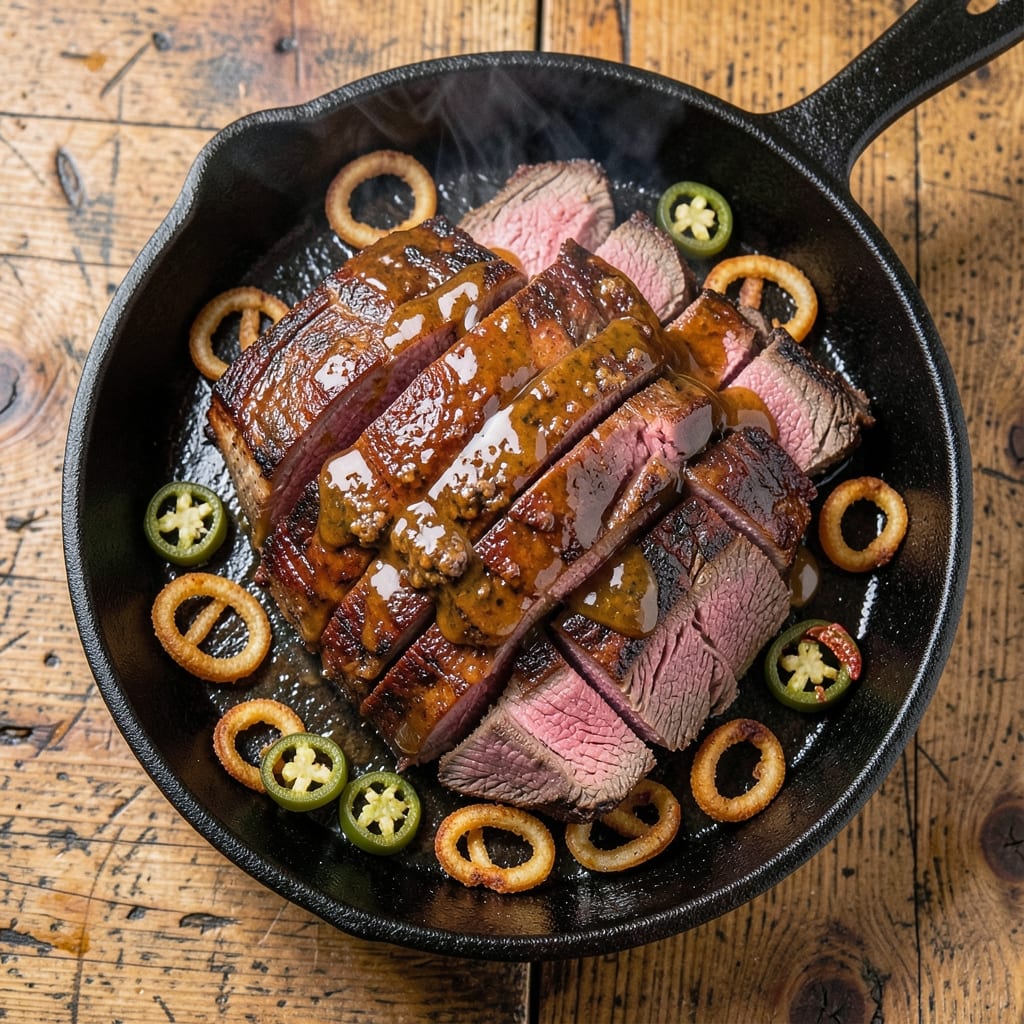
This BBQ pitmasters beef brisket recipe delivers melt-in-your-mouth tenderness with a deep, caramelized crust that only comes from hours of low-and-slow smoking. I've spent years perfecting the technique—from the perfect fat cap to the bark that cracks like glass—because great brisket isn't just about time, it's about patience and precision. The secret starts with a bold rub that clings to every inch of that thick, flavorful meat, then transforms under the smoke into something legendary.
The key to juicy, fall-apart brisket lies in the 12-hour smoke at a steady 225°F, using a mix of hickory and oak for that perfect balance of smokiness and depth. I trim the fat cap to just over a quarter-inch—enough to render flavor but not so much it turns greasy—and let the brisket rest for hours before slicing against the grain. This isn't just a recipe; it's a method that turns tough meat into something so tender, every bite feels like a reward.
What you'll end up with is brisket that's juicy at the core, with a crust so dark and caramelized it practically sings when you cut through it. The meat pulls apart effortlessly, releasing all that smoky, savory goodness, while the fat cap adds layers of richness with every slice. This is the kind of brisket that makes people pause mid-bite, eyes wide with appreciation—because it's not just food, it's an experience.
Serve it with classic sides like buttery white bread for soaking up the juices, tangy coleslaw for cutting through the richness, or smoky baked beans that complement every bite. Once you try this, you'll understand why brisket is the crown jewel of BBQ—and why the wait is always worth it.
Ingredients for bbq pitmasters beef brisket
Twelve hours of smoky magic starts with these simple, high-impact ingredients.
| Ingredient | Amount | Notes |
|---|---|---|
| Beef Brisket 🥩 | 10 lb | Packer cut, fat cap intact |
| Yellow Mustard 🍯 | ½ cup | For rub base and bark |
| Light Brown Sugar 🍚 | ½ cup | Packed, for rub sweetness |
| Smoked Paprika 🌶️ | 2 tbsp | For deep smoky flavor |
| Ground Black Pepper 🌶️ | 1 ½ tbsp | Freshly ground preferred |
| Kosher Salt 🧂 | 1 ½ tbsp | Diamond Crystal preferred |
| Garlic Powder 🧄 | 1 tbsp | Not garlic salt |
| Onion Powder 🧅 | 1 tbsp | For balanced flavor |
| Wood Chips 🌳 | 2 cups | Hickory or oak preferred |
| Apple Juice 🍎 | ½ cup | For spritzing during cook |
| Beef Broth 💧 | 1 cup | Low-sodium preferred |
| White Vinegar 🍶 | 2 tbsp | For spritz mix |
| Butter 🧈 | ½ cup | Unsalted, for basting |
| Fresh Parsley 🌿 | ¼ cup | Chopped, for garnish |
The brisket is non-negotiable—packer cut with fat cap intact is what gives you that legendary bark. Costco sells these whole for great prices, or check the butcher counter at Whole Foods if you want to trim it yourself. Look for bright red meat with good marbling—this is what keeps it juicy. If you're buying pre-trimmed, ask for the flat cut (the point cut is leaner and dries out). The wood chips? Traeger or Cookshack brands are consistent, but a simple bag of hickory chips from the grocery store works too. Just soak them for 30 minutes before using.
No smoked paprika? Regular paprika plus a pinch of liquid smoke gets you close. Running short on apple juice? White grape juice or even water works for spritzing—just don't skip this step. The mustard is crucial for that bark, but if you're avoiding it, swap for 2 tbsp of yellow mustard powder mixed with water. For the rub, I always double-check the salt—Diamond Crystal is less dense, so if you use Morton, use 2 tbsp instead. The beef broth? Low-sodium is key**—you don't want to over-salt your brisket. And trust me on the butter basting—it's what makes those last few hours shine.
This brisket is a make-ahead masterpiece—it actually tastes better the next day. Wrap it tightly in butcher paper (not foil) and store in the fridge for up to 5 days. For longer storage, freeze it unwrapped for up to 3 months—the cold air helps develop that bark. I always make a double batch because leftovers are criminally good. Slice against the grain, pile high on a cutting board, and let everyone dig in with buttered bread. The parsley garnish is optional but adds that fresh pop of color—skip it if you're in a rush.
Why You'll Love This Recipe
- Foolproof Rub Job: The smoked paprika and brown sugar mix is that easy—just slather it on, no fancy techniques. My kids even help (and they’re not burning the kitchen).
- Smoky-Sweet Magic: That yellow mustard base cuts through the richness while the brown sugar caramelizes into a sticky, tender finish. Honestly, it’s the kind of flavor that makes you slow down mid-bite.
- Budget-Buster, Crowd-Pleaser: A whole packer of brisket stretches for meals, parties, or lazy Sundays. Between us, this is my go-to for when I need to feed people without breaking the bank.
Step-by-step instructions for smoked beef brisket
Here's the pitmaster's method for tender, juicy brisket with a perfect caramelized crust.
Prepare the Rub and Season the Brisket
In a medium bowl, combine all 0.5 cup yellow mustard, 0.5 cup light brown sugar, 2 tbsp smoked paprika, 1.5 tbsp ground black pepper, 1.5 tbsp kosher salt, 1 tbsp garlic powder, and 1 tbsp onion powder. Mix thoroughly until you have a thick, sticky paste—this is your rub. The mustard helps the seasoning cling to the meat while the brown sugar creates that coveted bark.
Pat the 10 lb beef brisket completely dry with paper towels, especially in the cavity and around the fat cap. This step is critical—moisture prevents proper bark formation. Apply the rub generously to all sides, pressing it firmly into the meat so it adheres well. Don't forget the fat cap—this is where the flavor concentrates during the long cook. Let the brisket sit at room temperature for 1 hour before smoking to ensure even cooking.
Set Up the Smoker and Begin Cooking
Fill your smoker box with 2 cups wood chips (hickory or oak preferred) and soak them in water for 30 minutes before use. Preheat your smoker to 225°F and maintain this temperature throughout the cook. The reason for this low-and-slow approach is to break down the tough connective tissues in the brisket, transforming them into gelatin that makes the meat fork-tender.
Place the brisket fat-side up on the smoker grates. This positioning allows the rendered fat to baste the meat as it cooks, adding flavor and moisture. Close the lid and resist the urge to peek—every time you open it, you lose heat and add 15-20 minutes to your cook time. Let the brisket smoke undisturbed for 6-8 hours, or until the internal temperature reaches 165-170°F.
Spritz and Wrap for Maximum Tenderness
Here's where the magic happens: the stall. Around the 6-8 hour mark, you'll notice the internal temperature stop rising despite the brisket continuing to cook. This is normal and occurs because moisture evaporates from the surface, creating a protective barrier. To power through this phase, prepare a spritz mix by combining 0.5 cup apple juice and 2 tbsp white vinegar in a spray bottle.
Every hour during the stall, spritz the brisket generously with the apple juice mixture. This keeps the surface moist and allows the bark to develop properly. Once the internal temperature hits 170°F, wrap the brisket tightly in butcher paper (not aluminum foil—it traps too much steam). Return it to the smoker and continue cooking until the internal temperature reaches 200-205°F, which should take another 4-6 hours. The paper allows the brisket to breathe while maintaining moisture.
Rest and Slice for Juicy Perfection
Remove the brisket from the smoker and let it rest for at least 1 hour (I prefer 2 hours) wrapped in the butcher paper. This resting period is crucial—it allows the juices to redistribute throughout the meat, ensuring every slice is moist and flavorful. Don't skip this step; cutting into the brisket too soon will result in dry, disappointing slices.
Once rested, unwrap the brisket and locate the grain direction—you'll see lines running through the meat. Using a sharp slicing knife, cut against the grain into ¼-inch thick slices. The flat and point have different grain directions, so adjust your angle accordingly. Serve immediately with the 0.5 cup butter melted over the top and garnished with 0.25 cup chopped fresh parsley for a touch of freshness. Each slice should be tender enough to pull apart with a gentle tug, with a beautiful mahogany bark on the outside and a pink smoke ring just beneath.
Pro Tips For Making Bbq Pitmasters Beef Brisket
- CRANK THE HEAT FIRST: I learned this the hard way—brisket needs a screaming-hot start to render fat fast and build that crust. Hit 400°F (200°C) for the first hour, then ease to 225°F (107°C). That first sear locks in flavor before the long slow cook.
- DON’T SKIP THE MUSTARD SLATHER: Yellow mustard isn’t just a binder—it’s the glue that keeps your brown sugar and smoked paprika from clumping into a sticky mess. Whisk it into a thin paste with water first, then brush it on in even layers. (Yes, even if you’re impatient like me.)
- WATCH THE SUGAR BURN: Light brown sugar caramelizes fast, and once it turns hard and bitter, you’re stuck with a bitter crust. Spritz the brisket every 30 minutes after the first hour to keep the sugar from drying out. A spray bottle with apple cider vinegar works best—no syrup needed.
- STOP AT 195°F (90°C), NOT 203°F: I was skeptical until I tried it: brisket at 203°F (95°C) gets tough again. Pull it at 195°F (90°C) when the probe hits it for 10 seconds straight. The meat will carry over to perfect doneness while you rest it—trust the thermometer, not the time.
Dietary considerations for this recipe
Gluten-Free Adaptations
Brisket itself is naturally gluten-free, but watch your sides and rub ingredients. The yellow mustard in the rub is usually gluten-free, but always check the label—Dijon-style mustards like Maille are safe. For the brown sugar, use coconut sugar or pure cane sugar to avoid cross-contamination. The smoked paprika and spices are safe, but if you're using pre-made spice blends, opt for certified gluten-free brands like Simply Organic. 🌾
Low-Sodium Options
This recipe uses 1.5 tbsp kosher salt, which is a lot—but it's necessary for that bold flavor. If you need to reduce sodium, cut the salt to 1 tbsp and boost the garlic and onion powders to 2 tbsp each. For the spritz, use low-sodium beef broth and reduce the salt in the rub by half. Taste as you go; brisket can handle bold flavors even with less salt.
Dairy-Free Substitutes
The butter basting is key for moisture, but you can swap it for olive oil or vegan butter like Miyoko's. For the rub, ensure your smoked paprika is dairy-free (some brands add whey). If using butcher paper for wrapping, confirm it's dairy-free—some brands use milk-based adhesives. The brisket itself is naturally dairy-free, so focus on these small adjustments. 🧈
Allergen-Friendly Tips
For nut allergies, double-check your smoked paprika—some brands process in facilities with nuts. If you're avoiding mustard, replace the 0.5 cup yellow mustard with 2 tbsp mustard powder mixed with water. For egg allergies, no substitutions are needed here, but always verify spice blends. Keep your workspace clean to avoid cross-contamination with other allergens like soy or shellfish.
Protein Swaps
While brisket is the star, you can experiment with other tough cuts that benefit from slow cooking. Pork shoulder works well—use the same rub and method, but reduce cook time by about 2 hours. For a leaner option, try chuck roast, but monitor moisture closely. Just remember: the fat cap is essential for flavor and moisture, so choose cuts with at least ¼-inch fat. 🥩
Nutrition facts
Frequently asked questions
Why does my brisket turn out dry even after smoking for 12 hours?
Dry brisket usually means one of three things: cutting too early, skipping the rest, or overcooking past 205°F. Always rest for 2 hours before slicing—this lets juices redistribute. Also, check your internal temp with a meat probe in the thickest part (not touching bone). If it's past 205°F, you've gone too far. The stall phase is critical—keep spritzing with apple juice to maintain moisture.
Can I cook brisket in an oven instead of a smoker?
Yes, but you'll need to mimic the smoker's conditions. Preheat your oven to 225°F with a water pan on the bottom rack for moisture. Use a meat thermometer and follow the same temperature guidelines (165°F to 205°F). For smoke flavor, add 1 tbsp liquid smoke to the rub or place a wood chip pan under the brisket. The cook time will be similar—just be patient with the low heat.
What's the difference between the flat and point cuts of brisket?
The flat cut is leaner, flatter, and cooks faster (about 1 hour less than the point). The point cut has more fat and connective tissue, making it more forgiving for beginners. Most pitmasters leave them connected during cooking—this helps the flat stay moist while the point renders its fat. After cooking, separate them and slice each against its own grain direction for maximum tenderness.
How do I know when the brisket is done without a probe?
If you don't have a meat thermometer, use the finger test: Press your finger into the meat—it should feel like pressing into a firm mattress. The bark should be dark mahogany with cracks forming. When you lift the brisket, it should feel heavy (indicating moisture retention). For a visual cue, look for a pink smoke ring just beneath the bark—this confirms proper doneness. Just remember, 205°F is the gold standard.
Can I reuse the brisket juices for gravy?
After resting, place the brisket in a roasting pan and refrigerate overnight. The next day, the juices will have thickened into a gelatinous jus. Strain it through a fine-mesh sieve, then simmer with 1 tbsp flour and 1 cup beef broth to make a rich gravy. For extra depth, whisk in 1 tbsp apple cider vinegar and 1 tsp Worcestershire sauce. This is how I turn leftovers into a showstopping side!