
Main Courses
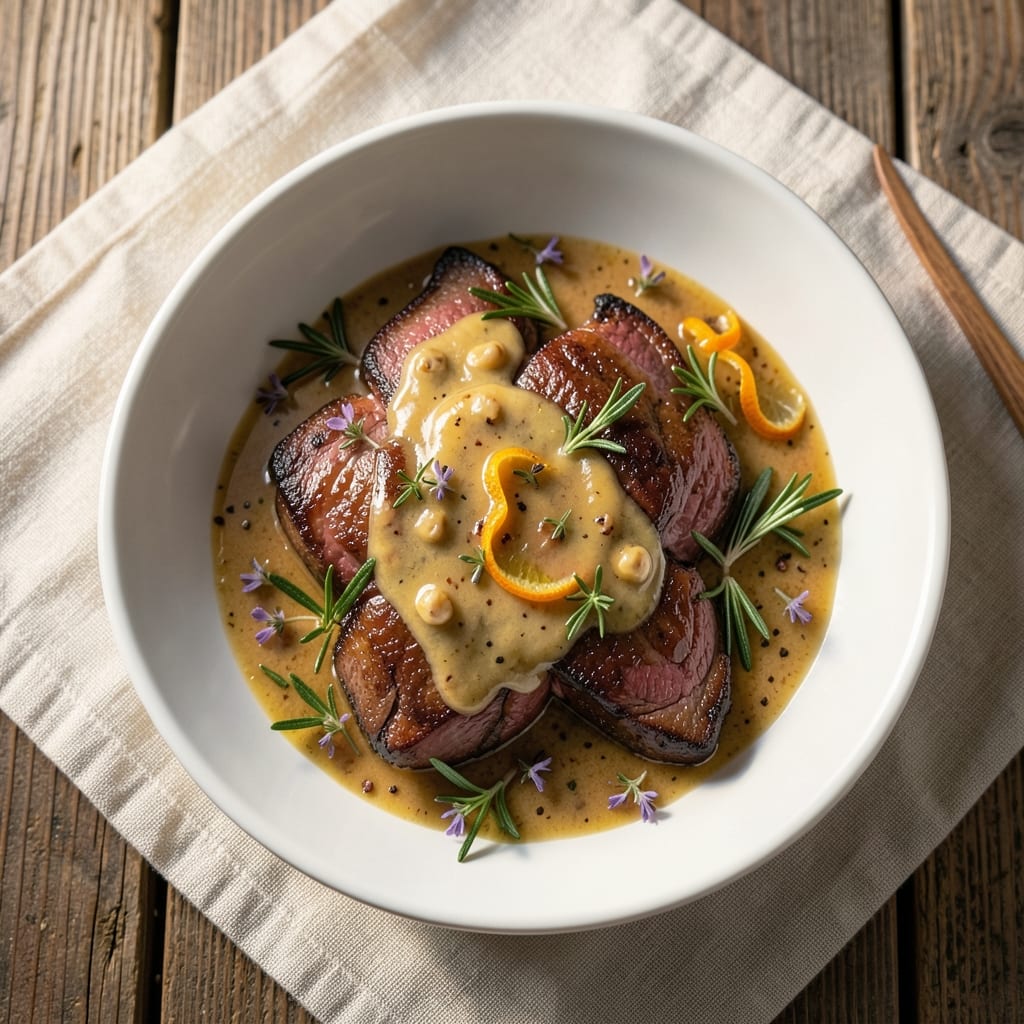
This baked beef tongue recipe transforms a humble cut into a showstopping centerpiece with its buttery caramelized crust and melt-in-your-mouth tenderness. Slow-roasting unlocks deep, savory flavors while preserving the meat's natural richness—perfect for special occasions or when you want to impress without fuss. The secret lies in patience: letting the collagen break down over hours creates a texture that's both luxurious and foolproof.
Unlike quick-cooking cuts, beef tongue benefits from low-and-slow cooking—typically 2 to 3 hours at 300°F—until it's fork-tender. A simple marinade of garlic, herbs, and citrus enhances its natural sweetness, while the final basting with butter creates that signature golden crust. This method ensures every bite delivers both silky interior and crisp exterior, making it a dish that feels restaurant-worthy yet stays approachable for home cooks.
The result is a rich, flavorful centerpiece that pairs beautifully with classic sides like roasted potatoes, caramelized onions, or a crisp green salad. The tongue's natural gelatinous quality makes it incredibly versatile—slice it for sandwiches, serve it whole for dramatic presentation, or shred it into tacos. With minimal prep and maximum impact, this recipe proves that slow cooking yields unforgettable results without requiring advanced techniques.
What sets this apart is the balance of simplicity and sophistication—no special equipment needed, just time and attention. The key steps (marinating, slow-roasting, basting) are straightforward but critical for achieving that perfectly tender, caramelized finish. Whether you're cooking for a holiday feast or a cozy weekend dinner, this recipe delivers restaurant-quality richness at home.
Ingredients for baked beef tongue
Transform humble beef tongue into a luxurious centerpiece with these carefully selected ingredients.
| Ingredient | Amount | Notes |
|---|---|---|
| Beef Tongue (Whole) 🥩 | 2 lb | Fresh, cleaned by butcher |
| Unsalted Butter 🧈 | ½ cup | Cold, cubed for basting |
| Garlic Cloves 🧄 | 6 cloves | Smashed for marinade |
| Fresh Rosemary 🌿 | ¼ cup | Chopped, stems removed |
| Fresh Thyme 🌿 | ¼ cup | Stems removed, chopped |
| Lemon Juice 🍋 | ¼ cup | Freshly squeezed |
| Olive Oil 🫒 | ¼ cup | Extra-virgin for marinade |
| Diamond Crystal Kosher Salt 🧂 | 1 ½ tbsp | For curing and seasoning |
| Ground Black Pepper 🌶️ | 1 tsp | Freshly cracked |
| Brown Sugar 🍯 | 2 tbsp | Light or dark variety |
| Fresh Bay Leaves 🍃 | 2 whole | For aromatic depth |
| Red Wine Vinegar 🍷 | 2 tbsp | For acid balance |
| Vegetable Oil 🫒 | 2 tbsp | For greasing pan |
The beef tongue is the star—look for fresh, whole cuts from a trusted butcher or specialty market like Whole Foods or D'Agostino. A 2-pound tongue yields perfect portions for four, with rich, gelatinous texture when slow-roasted. If the tongue isn't pre-cleaned, request the butcher remove the membrane and excess fat for a cleaner finish. Freshness is critical: the tongue should have a vibrant, deep red color with minimal odor. For optimal results, purchase the day you plan to cook—tongues lose moisture quickly even refrigerated. The marinade ingredients (garlic, herbs, citrus) work together to tenderize while enhancing the tongue's natural sweetness, but the butter basting is what creates that signature caramelized crust. Use European-style butter if available—its higher fat content yields a richer finish.
No fresh rosemary or thyme? Dried works at half the amount, but fresh delivers superior aroma. Substitute lemon zest for juice if needed, though the acidity helps break down collagen. For the butter, vegetarian or plant-based butter can be used, though it won't caramelize as dramatically. The brown sugar adds depth—skip it if you prefer a more traditional flavor. If your recipe calls for red wine in the marinade (common in some versions), substitute additional red wine vinegar at the same ratio. The bay leaves are non-negotiable for that classic aromatic profile, but if unavailable, 1 tsp dried oregano provides a similar earthy note. For the olive oil, avoid heavily flavored varieties—stick to mild extra-virgin to let the tongue's natural flavors shine.
Store uncooked tongue in its original packaging in the coldest part of your fridge and use within 3 days. Once cooked, the tongue keeps 4-5 days refrigerated or 3 months frozen when tightly wrapped in plastic. The basting butter should be cold when added—microwave it just until softened (about 40 seconds) before basting to prevent burning. For make-ahead convenience, marinate the tongue overnight for enhanced tenderness. When reheating, cover with foil and warm in a 275°F oven for 20-30 minutes—this maintains moisture better than stovetop methods. The caramelized crust is delicate; serve immediately after roasting for the best texture.
Why You'll Love This Recipe
- Two-Ingredient Magic: I swear by this—just butter, garlic, and herbs. That’s it. The beef tongue does all the heavy lifting, turning tender and rich while you handle the simplest seasoning you’ll ever use.
- Crispy-Creamy Payoff: The outside gets golden and crackly, while the inside stays melt-in-your-mouth soft. Honestly, the contrast is what makes this dish ridiculously good—no fancy techniques, just patience and a hot oven.
- Leftovers That Shine: This recipe actually tastes better the next day. I’ll be real: I’ve reheated slices for sandwiches, chopped it into salads, or even tossed it with mashed potatoes—every time, it’s a win.
- Budget Crowd-Pleaser: A single beef tongue feeds four (or five if you’re feeding hungry teens). It’s cheaper than steak but packs the same satisfying, meaty punch—plus, it’s the kind of dish that makes people ask, “What is this? It’s amazing.”
Step-by-step instructions for slow-roasted beef tongue
Transform tough beef tongue into melt-in-your-mouth perfection with this methodical approach.
Prepare the Beef Tongue for Cooking
Begin by rinsing the 2 lb beef tongue under cold water and patting it completely dry with paper towels. This step is critical—any moisture left on the surface will prevent proper browning during roasting. Place the tongue in a large bowl and add the 0.25 cup fresh lemon juice, 0.25 cup olive oil, 2 tbsp red wine vinegar, 2 tbsp brown sugar, 1.5 tbsp Diamond Crystal kosher salt, and 1 tsp ground black pepper. The acidity of the lemon juice and vinegar helps tenderize the meat while the sugar caramelizes into a sweet glaze.
Using your hands, gently massage the marinade into the tongue, coating it evenly on all sides. Add the 6 smashed garlic cloves, 0.25 cup fresh rosemary, 0.25 cup fresh thyme, and 2 whole fresh bay leaves to the bowl. Cover and refrigerate for at least 4 hours, or preferably overnight. This allows the marinade to deeply penetrate the meat, ensuring maximum tenderness and flavor infusion. The herbs and bay leaves will infuse aromatic depth that elevates the final dish.
Preheat Oven and Prepare the Roasting Pan
Preheat your oven to 325°F. While the oven heats, grease a large roasting pan with 2 tbsp vegetable oil—this prevents the tongue from sticking and ensures even heat distribution. Remove the beef tongue from the marinade (reserve the marinade for basting) and place it fat-side up in the prepared pan. The fat cap should be on top to render down and baste the meat as it cooks, creating a rich, caramelized crust.
Pour the reserved marinade into a small saucepan and bring to a gentle simmer over medium heat. Reduce the heat to maintain a low simmer, allowing the flavors to meld together. This reduced marinade will be used later to baste the tongue, enhancing its flavor and moisture. The simmering process also intensifies the aromatic compounds, making every bite more flavorful.
Roast the Beef Tongue Low and Slow
Place the roasting pan in the preheated oven and roast the beef tongue for 2 hours. This low-and-slow cooking method is essential for breaking down the connective tissues in the tongue, transforming it into a tender, fork-tender delight. After the initial 2 hours, remove the tongue from the oven and baste it generously with the reduced marinade. Return it to the oven and continue roasting for another 1 hour, basting once more halfway through this period.
During the final 30 minutes of cooking, increase the oven temperature to 375°F to encourage the formation of a caramelized crust. This higher heat helps the sugars in the marinade brown, creating a glossy, buttery exterior that contrasts beautifully with the tender interior. The tongue is done when it reaches an internal temperature of 195°F—use a meat thermometer inserted into the thickest part of the meat to check for doneness. At this point, the tongue should be fork-tender and easily pull apart.
Rest and Slice the Beef Tongue
Once the beef tongue reaches the desired internal temperature, remove it from the oven and transfer it to a cutting board. Tent it loosely with aluminum foil and let it rest for 20 minutes. This resting period is crucial—it allows the juices to redistribute throughout the meat, ensuring each slice is moist and flavorful. Skipping this step results in dry, stringy meat, so be patient and let the tongue rest.
After resting, slice the beef tongue into ¼-inch thick slices against the grain. The grain direction will be visible as faint lines on the surface of the meat. Serve the slices warm, accompanied by the reduced marinade drizzled over the top for added richness. The contrast of the tender, buttery tongue with the caramelized crust and aromatic herbs creates a dish that is both luxurious and deeply satisfying. Pair it with a simple green salad or crusty bread to complete the meal.
Pro Tips For Making Baked Beef Tongue
- SCORE YOUR TONGUE: DESCRIPTION: Scrape off the silvery membrane under the tongue before baking—it’s tough and rubbery. I learned this the hard way after biting into a chewy surprise. Use a sharp knife or paring tool, and don’t skip the corners.
- SALT BEFORE SEARING: DESCRIPTION: Generously salt the tongue before browning it in the oven or pan. The salt penetrates better when the surface is dry, and it helps render fat for that rich crust. (Yes, even if you’re impatient like me—wait 10 minutes after salting.)
- LOW AND SLOW AFTER SEARING: DESCRIPTION: After browning, drop the heat to 275°F (135°C) and cover loosely with foil. The tongue needs time to tenderize—rushing it keeps it dense. I used to crank the heat, and the outside dried out before the center cooked.
- GARLIC AND HERBS INSIDE: DESCRIPTION: Stuff a few minced garlic cloves, rosemary sprigs, and thyme stems into the tongue’s crevices before baking. The flavor infuses deeper than just rubbing it on top. (Pro move: Tie a bundle of herbs with kitchen twine and tuck it inside.)
Creative variations of this baked beef tongue
Global Classics
In Brazil, beef tongue is often slow-cooked with garlic, cumin, and bay leaves, then served in pão de queijo (cheese bread) or as part of feijoada, the national stew. The Portuguese influence shines through in their preference for red wine vinegar and smoked paprika, which adds a subtle earthiness. 🌶️
For Japanese-inspired variations, try marinating the tongue in mirin, soy sauce, and grated ginger before roasting. After cooking, slice thinly and serve with miso-glazed carrots or steamed rice. The umami-rich marinade creates a completely different but equally delicious profile.
Modern Twists
Add a smoky BBQ glaze by mixing ½ cup BBQ sauce (like Stubb’s Original) with 1 tbsp brown sugar and brushing it on during the final 30 minutes of roasting. This American-inspired twist pairs perfectly with cornbread or collard greens for a Southern-style feast.
For a spicy kick, infuse the marinade with 1 tbsp gochujang (Korean chili paste) and 1 tsp sriracha. The heat balances the tongue’s richness beautifully, especially when served with kimchi or sesame seeds for crunch. 🌶️
Vegetarian Adaptation
Swap beef tongue for portobello mushrooms or hearts of palm—both mimic the texture when roasted. Marinate them in the same garlic-herb blend and roast at 375°F for 25-30 minutes, basting with olive oil instead of butter. This version keeps the dish’s luxurious feel while being plant-based.
For extra richness, top the mushrooms with vegan butter or cashew cream before serving. The caramelized crust still forms, though it’ll be slightly softer than beef tongue’s version. Perfect for impressing vegetarians at dinner parties!
Holiday Feast Upgrade
Transform this dish into a centerpiece by serving the whole roasted tongue on a platter, surrounded by caramelized onions and rosemary sprigs. Garnish with crispy fried shallots for texture contrast—this looks stunning at Thanksgiving or Christmas dinners. 🎄
For a dessert twist, reduce the leftover marinade into a glaze and drizzle it over vanilla ice cream or baked apples. The sweet-savory balance is unexpected but delicious, especially with a sprinkle of flaky sea salt**.
Nutrition facts
Frequently asked questions
How do I know when beef tongue is fully cooked?
Use a meat thermometer to check the internal temperature—it's done when it reaches 195°F. The tongue should also be fork-tender, easily pulling apart with minimal resistance. Pro tip: The fat cap should render down to a crispy, golden crust, indicating proper doneness.
Can I cook beef tongue without marinating?
Yes, but expect less flavor and tenderness. If skipping the marinade, simply season the tongue generously with salt, pepper, and garlic powder, then roast at 300°F for 3-4 hours, basting occasionally with melted butter. The marinade's acidity (lemon/vinegar) and herbs are key for breaking down collagen and adding depth.
What's the best way to reheat cooked beef tongue?
Wrap slices in foil and warm in a 275°F oven for 20-30 minutes to retain moisture. For quick reheating, pan-sear slices in butter for 2-3 minutes per side until heated through. Never microwave—it makes the meat dry and stringy. The crust may soften slightly, but the interior stays tender.
How do I remove the membrane from beef tongue?
Ask your butcher to clean it for you—the membrane is tough to remove at home. If you must DIY, score the surface in a crosshatch pattern, then simmer the tongue in water for 10 minutes to loosen the membrane. Peel it off while warm, or use a paring knife to scrape it away. This step prevents a bitter taste and improves texture.
What's the difference between beef tongue and oxtongue?
They're essentially the same cut! "Oxtongue" refers to the tongue from older cattle (typically 4+ years), while "beef tongue" comes from younger animals (18-30 months). Oxtongue has more connective tissue, requiring longer cooking (up to 5 hours), but both yield rich, gelatinous results. For this recipe, either works—just adjust cooking time if using oxtongue.