Main Courses
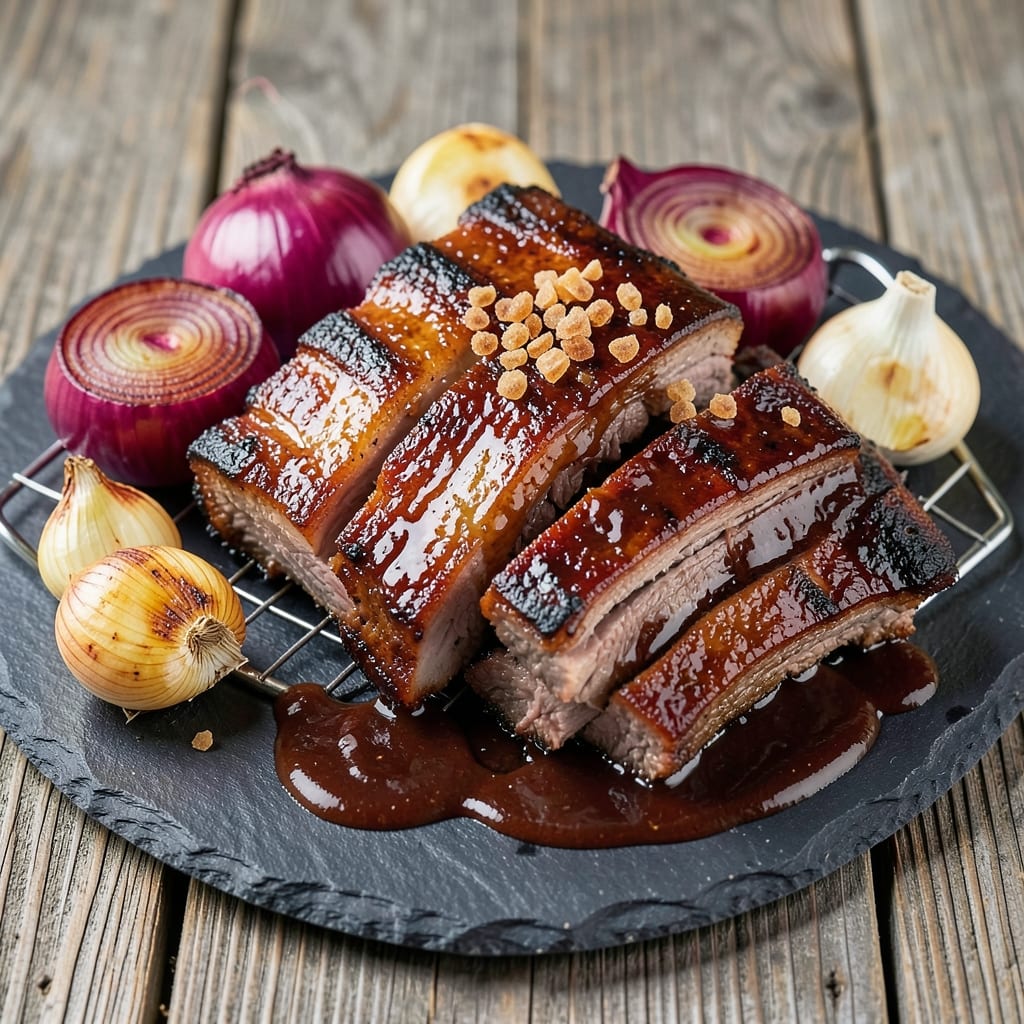
This BBQ beef spare ribs recipe delivers the perfect balance of smoke-ringed crunch and fall-off-the-bone tenderness that makes every bite worth the wait. I remember the first time I mastered the 3-2-1 method—it transformed tough cuts into restaurant-quality ribs that disappear faster than you can say "extra sauce." The secret lies in patience, temperature control, and a rub that builds layers of flavor as the ribs cook low and slow.
What sets these ribs apart is the combination of a dry rub that forms a flavorful bark and a simple but effective cooking technique that ensures tender meat without falling apart. We're talking about crispy edges, caramelized surfaces, and meat so tender it practically melts in your mouth. This isn't just another ribs recipe—it's the one that will have your friends asking for the secret, and your family requesting seconds.
The process requires attention to detail, but the results are worth every minute. You'll start with a dry rub that clings to the ribs, then move through stages of cooking that build both texture and flavor. The key is maintaining consistent temperatures—whether you're smoking, grilling, or using the oven—and letting the ribs rest properly before serving. Trust me, that resting time is crucial for juiciness.
Serve these ribs with classic BBQ sides like coleslaw and cornbread, or let guests build their own plates with pickles and onions. The beauty of this recipe is its versatility—it works for casual cookouts or special occasions, and the leftovers reheat beautifully. Let's get started on creating ribs that will become your signature dish.
Ingredients for bbq beef spare ribs
Four pounds of meaty ribs, a smoky rub, and patience for perfect fall-apart tenderness.
| Ingredient | Amount | Notes |
|---|---|---|
| Beef Spare Ribs 🥩 | 4 lb | Bone-in, meaty ends included |
| Yellow Onion 🧅 | 1 whole | Medium, sliced into rings |
| Garlic Cloves 🧄 | 8 cloves | Peeled, minced for rub |
| Brown Sugar 🍯 | ½ cup | Light or dark, packed |
| Smoked Paprika 🌶️ | 2 tbsp | For deep smoky flavor |
| Chili Powder 🌶️ | 1 ½ tbsp | Medium heat preferred |
| Ground Black Pepper 🌶️ | 1 tbsp | Freshly cracked preferred |
| Kosher Salt 🧂 | 1 ½ tbsp | Diamond Crystal preferred |
| Apple Cider Vinegar 🍏 | ¼ cup | For tenderizing soak |
| Wood Chips 🌳 | 1 cup | Hickory or cherry preferred |
| BBQ Sauce 🍅 | 1 cup | Store-bought or homemade |
| Yellow Mustard 🥬 | 2 tbsp | For sauce thickness |
| Water 💧 | ½ cup | For sauce consistency |
| Worcestershire Sauce 🍶 | 1 tbsp | Vegetarian if needed |
The ribs are everything here—look for meaty ends and good marbling at the butcher counter. Costco or local meat markets usually have the best cuts for this recipe. If you're buying frozen, thaw them in the fridge overnight (never at room temperature). For the rub, Penzeys or the bulk spice section at Whole Foods has the best smoked paprika. Pro tip: Pat the ribs dry before applying the rub—it helps the bark form better. The wood chips? Hickory gives classic BBQ flavor, but cherry adds a touch of sweetness that pairs beautifully with the ribs.
No smoked paprika? Regular paprika plus a pinch of liquid smoke works in a pinch. Running short on brown sugar? White sugar plus a teaspoon of molasses mimics the depth. The apple cider vinegar soak can be skipped if you're in a hurry, but it makes a difference—especially if your ribs are on the tougher side. For the BBQ sauce, Sweet Baby Ray's is a crowd-pleaser, but I always make my own with ketchup, vinegar, and spices. The mustard helps balance the sweetness and adds a nice tang. If you're avoiding vinegar, lemon juice works too—just halve the amount.
The ribs reheat beautifully—wrap them in foil with a splash of water and bake at 300°F for 20-30 minutes. They'll stay tender for 3-4 days in the fridge, but honestly, they're better the next day after all the flavors meld. For leftovers, portion them into containers with some of the sauce and freeze for up to 3 months. The rub and sauce keep indefinitely in airtight containers, so make extra if you're hosting. Trust me, you'll want seconds.
Why You'll Love This Recipe
- One-Pan Magic: I swear by this recipe because it’s that easy—just ribs, onions, and garlic tossed in a mix of brown sugar and smoked paprika. No basting, no flipping, no stress. Honestly, the hardest part is deciding when to pull them out.
- Sweet-Smoky Bang: That caramelized brown sugar crust? It’s the star. The smoked paprika gives it this deep, earthy warmth, while the garlic and onions melt into a sticky, flavor-packed glaze. Between us, it’s the kind of dish that makes people ask for seconds before the plate’s even empty.
- Tailgate or Tuesday: Serve these with a cold beer and a picnic blanket? Done. Need a weeknight meal that feeds the whole family? Also done. I’ve pulled them out for game days, lazy Sundays, and even a last-minute dinner when I forgot to grocery shop. They’re that reliable.
- Leftovers That Don’t Suck: Most ribs turn dry or sad after reheating—but not these. The glaze keeps them juicy, and they’re perfect for sandwiches, salads, or just reheating with a splash of water. (Yes, even on a Tuesday night.) Plus, they’re budget-friendly enough to make twice a month without breaking the bank.
Step-by-step instructions for BBQ beef spare ribs
Here's how to transform tough ribs into melt-in-your-mouth perfection with a perfect bark.
Prep and Season the Ribs for Maximum Flavor
Start by removing the ribs from the package and patting them dry completely with paper towels. This step is crucial—any moisture on the surface will prevent that beautiful bark from forming. Place them meat-side down on a wire rack set over a baking sheet to allow air circulation on all sides.
In a small bowl, combine the 0.5 cup brown sugar, 2 tbsp smoked paprika, 1.5 tbsp chili powder, 1 tbsp ground black pepper, and 1.5 tbsp kosher salt. Mix well to create a fine, even rub. Generously coat both sides of the ribs with this mixture, pressing it into the meat so it adheres well. Let them sit at room temperature for 30 minutes while you prepare the smoker.
Tenderize with Apple Cider Vinegar Soak
While the ribs are resting, pour the 0.25 cup apple cider vinegar into a shallow dish. Submerge the ribs in the vinegar for 15-20 minutes. This acid marinade helps break down tough fibers, ensuring fall-off-the-bone tenderness later. Don't skip this step—it makes all the difference in the final texture.
After soaking, remove the ribs and pat them dry again with fresh paper towels. The vinegar will have softened the surface slightly, so thorough drying is even more important now. This prevents steam from forming during smoking, which can dilute your hard work.
Smoke the Ribs Low and Slow
Set up your smoker using the 1 cup wood chips (hickory or cherry work best). Preheat to 225°F and maintain this temperature throughout the cook. Place the ribs bone-side down on the smoker grates—this position helps render fat and creates that prized smoke ring.
Close the lid and let the ribs smoke undisturbed for 3 hours. Resist the urge to peek! Every time you open the smoker, you lose heat and moisture. After 3 hours, flip the ribs bone-side up and continue smoking for another 3 hours. You'll know they're ready when they reach an internal temperature of 195-200°F at the thickest part of the meat.
Wrap and Finish for Maximum Tenderness
Once the ribs reach the stall (around 165°F), wrap them tightly in heavy-duty aluminum foil with the 1 cup BBQ sauce, 2 tbsp yellow mustard, 0.5 cup water, and 1 tbsp Worcestershire sauce. This "Texas crutch" technique helps break down collagen and creates steam that tenderizes the meat. Return the wrapped ribs to the smoker and cook for another 1.5-2 hours until fork-tender.
Remove the ribs from the smoker and let them rest for 15 minutes before unwrapping. The residual heat will finish cooking them to perfection. The meat should pull apart easily with minimal resistance, revealing that beautiful pink smoke ring just beneath the surface.
Glaze and Serve
Unwrap the ribs and place them back on the smoker (or in a 350°F oven) for 10-15 minutes to crisp the bark. Brush generously with additional BBQ sauce during the last 5 minutes of cooking. This creates that glossy, caramelized finish that everyone loves.
Serve the ribs immediately with the sliced yellow onion rings and extra BBQ sauce on the side. Each bite should deliver perfect tenderness with a balance of sweet, smoky, and tangy flavors. The ribs should be so tender they practically fall apart, while the exterior remains crispy and caramelized.
Pro Tips For Making Bbq Beef Spare Ribs
- TRIM THE FAT CAP: I used to leave the silver skin on beef spare ribs—until I realized it never rendered properly and left a chewy, uneven texture. Grab kitchen shears and snip off that membrane along the bone side before seasoning. It’s tedious but guarantees tender, even cooking.
- SAUTÉ ONIONS LOW AND SLOW: After burning three batches of onions in the pan, I finally learned: cook them on medium-low heat until deeply caramelized, not browned. Add a splash of water or apple cider vinegar halfway through—this keeps them from sticking and builds real depth for the sauce.
- WRAP THEM AT 195°F: I was impatient and pulled ribs at 203°F, only to have them fall apart when I tried to serve. Lock them in foil at 195°F for 2.5–3 hours first, then crank the heat to 225°F for the final hour. The collagen breaks down just enough to stay intact—no mushy surprises.
- SWAP BROWN SUGAR FOR HONEY: I was skeptical until I tried it: replace half the brown sugar with honey in the dry rub or sauce. It caramelizes faster, adds a subtle floral note, and prevents the sauce from crystallizing when reheated. Use a 1:1 ratio—just enough to make a difference.
Dietary considerations for this bbq beef spare ribs
Gluten-Free Adaptations
For gluten-free guests, replace the apple cider vinegar soak with lemon juice—it tenderizes just as well without gluten concerns. I also recommend using a certified gluten-free BBQ sauce like Sweet Baby Ray's Gluten-Free or making your own with gluten-free ingredients. The dry rub remains safe as long as you avoid cross-contamination with shared utensils or surfaces. 🌱
Low-Sodium Options
If you're watching sodium, reduce the kosher salt to 1 tbsp and boost flavor with extra smoked paprika and garlic powder. For the BBQ sauce, choose a low-sodium brand like Stubb's Original or make your own with reduced-sodium ingredients. The ribs will still pack serious flavor without the salt overload.
Dairy-Free Considerations
This recipe is naturally dairy-free, but always double-check your BBQ sauce for hidden dairy ingredients. Some brands include butter or whey. For extra richness, add 1 tbsp olive oil to the sauce mixture before glazing. The ribs' natural flavors shine without dairy, making this a great option for lactose-intolerant guests.
Allergen-Friendly Swaps
For nut allergies, ensure your smoked paprika is processed in a nut-free facility (check labels). If Worcestershire sauce is a concern, substitute with 1 tbsp soy sauce or coconut aminos for umami depth. The recipe's core ingredients are allergen-friendly, but always verify packaging for potential cross-contamination warnings.
Vegetarian Alternatives
While beef ribs aren't vegetarian, you can recreate the smoky bark experience with portobello mushrooms or jackfruit. Use the same dry rub and smoking technique, but reduce cook time to 1.5-2 hours at 225°F. The texture won't be identical, but the smoky flavor profile remains satisfying. For a closer match, try King Oyster mushrooms—they hold up well to long smoking sessions.
Keto-Friendly Adjustments
This recipe is already keto-friendly, but you can enhance it further by using erythritol or monk fruit sweetener instead of brown sugar in the rub. The apple cider vinegar soak adds acidity without carbs, and the BBQ sauce can be made with sugar-free ketchup. Just watch your portion sizes—ribs are rich and calorie-dense, even without added sugars.
Nutrition facts
Frequently asked questions
Why do beef spare ribs need the vinegar soak?
The apple cider vinegar soak tenderizes the meat by breaking down tough collagen fibers through acid hydrolysis. This creates those legendary fall-off-the-bone results. Think of it as a quick marinade that jumpstarts the tenderizing process before the long smoke.
Can I cook these ribs without a smoker?
Use an oven set to 225°F with a water pan on the bottom rack for moisture. Place ribs on a wire rack over a baking sheet and cook for 5-6 hours, flipping at 3 hours. For extra smoke flavor, add wood chips to a foil packet with hot coals. The Texas crutch wrapping works the same way.
What's the deal with the smoke ring?
The pink smoke ring forms when myoglobin (in the meat) reacts with carbon monoxide from the smoke during the first 3 hours of cooking bone-side down. This creates that beautiful visual marker of perfect smoking. It's not harmful—just a sign your ribs are cooked properly!
How do I know when the ribs are done?
Use the probe test: The meat should pull apart easily with minimal resistance at the bone. Aim for 195-200°F internal temp. The 3-2-1 method ensures this—3 hours bone-side down, 2 hours bone-side up, then wrapped. When they reach 165°F, they'll hit the stall and need the wrap to finish.
Can I make these ribs ahead of time?
Yes! Cook them up to 165°F, then wrap tightly in foil and refrigerate. Reheat at 300°F for 20-30 minutes with a splash of water. The flavors actually improve overnight as the meat absorbs the rub and sauce. Just add a final glaze of sauce before serving for that restaurant-quality finish.