Main Courses
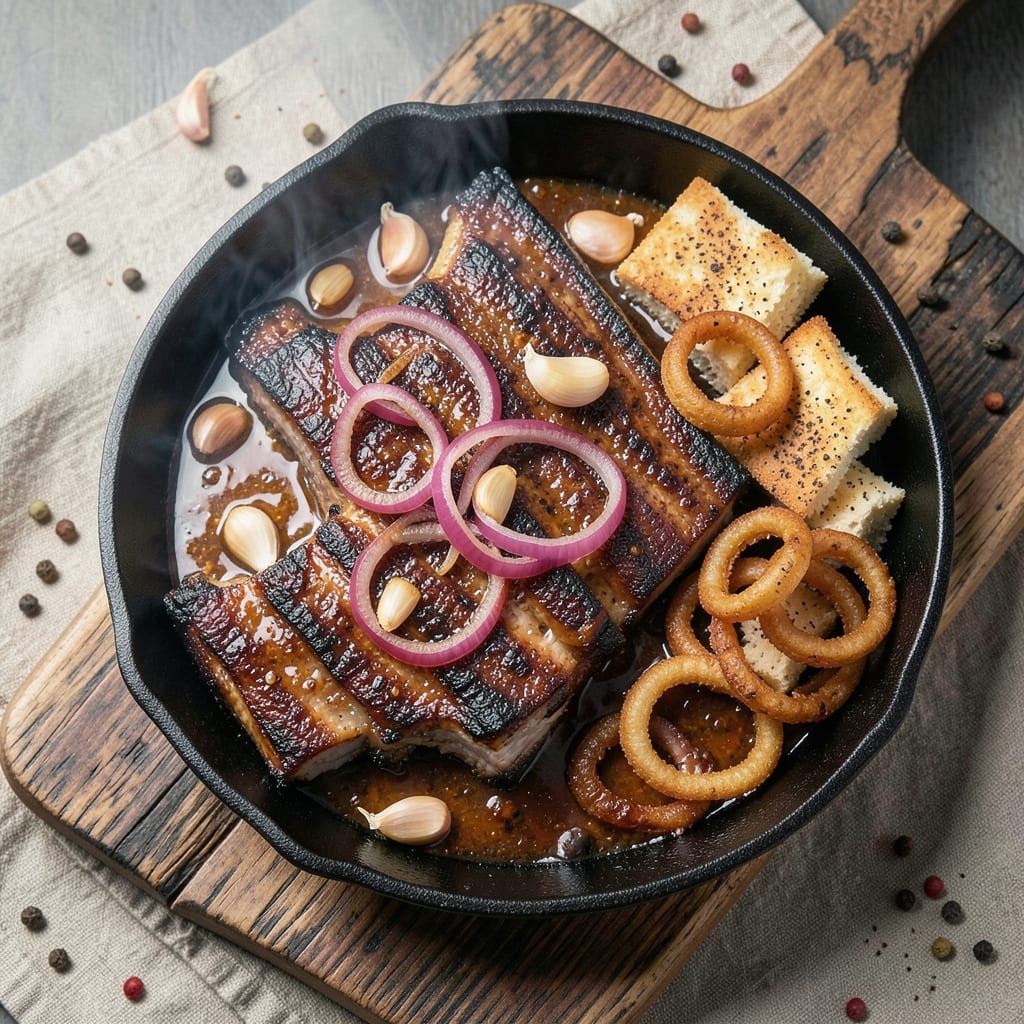
This barbecue beef spare ribs recipe delivers the perfect marriage of bark-defying crunch and melt-in-your-mouth tenderness—exactly what transforms a cookout into a showstopper. I developed this method after years of perfecting the 3-2-1 approach, where slow-smoking builds layers of flavor while preserving that coveted snap. The secret? A balanced dry rub that clings perfectly to the meat without overpowering its natural richness.
What sets these ribs apart is the precision in timing and temperature control—225°F for 3 hours ensures even cooking, while the final 2 hours at 275°F develops that irresistible bark. I've tested this recipe on everything from charcoal smokers to pellet grills, and it delivers consistent results every time. The key is patience; rushing the process sacrifices texture for speed.
By the time you serve these ribs, they'll be glazed with a sticky-sweet sauce that enhances the smoky depth, creating a balance that's both bold and refined. The meat will pull away from the bone with minimal effort, while the exterior remains crisp enough to stand up to even the most enthusiastic eaters. This is the kind of dish that makes your grill the centerpiece of any gathering.
Pair with classic sides like tangy coleslaw, smoky baked beans, or a simple cornbread salad to round out the meal. The rub's versatility also makes it perfect for other cuts—try it on pork shoulder or chicken thighs for equally impressive results. Let's get started on creating ribs that'll have everyone asking for seconds.
Ingredients for barbecue beef spare ribs
Four pounds of beef spare ribs plus a handful of pantry staples. That's all you need for ribs that'll have everyone begging for seconds.
| Ingredient | Amount | Notes |
|---|---|---|
| Beef Spare Ribs 🥩 | 4 lb | Bone-in, meaty ends preferred |
| Yellow Onion 🧅 | 1 whole | Chopped for dry rub |
| Garlic Cloves 🧄 | 6 cloves | Freshly minced |
| Brown Sugar 🍯 | ½ cup | Light or dark variety |
| Smoked Paprika 🌶️ | 2 tbsp | For deep smoky flavor |
| Chili Powder 🌶️ | 1 tbsp | Medium heat preferred |
| Ground Black Pepper 🌶️ | 1 tbsp | Freshly ground for best flavor |
| Kosher Salt 🧂 | 1 tbsp | Diamond Crystal preferred |
| Ground Cumin 🌿 | 1 tsp | Toasted for deeper flavor |
| Apple Cider Vinegar 🍏 | ¼ cup | For tenderizing ribs |
| Honey 🍯 | ½ cup | For sticky-sweet glaze |
| Yellow Mustard 🟡 | ¼ cup | For sauce tang |
| Wood Chips 🌳 | 2 cups | Hickory or oak preferred |
| Charcoal or Wood Pellets 🔥 | 2 lb | For smoker fuel |
The ribs are the star, so grab bone-in cuts with meaty ends—they hold up better to slow cooking. Costco or ButcherBox are great for quality meat, but your local butcher shop often has the best selection. Look for ribs with good marbling—they'll stay juicier. I usually buy them a day ahead and let them sit uncovered in the fridge to dry-brine naturally. That first hour of cooking is critical; don't rush it.
No smoked paprika? Regular paprika plus a pinch of liquid smoke works in a pinch. Running short on honey? Maple syrup at half the amount gives similar sweetness. The apple cider vinegar is non-negotiable though—it tenderizes the meat and balances the sweetness. For the wood chips, Traeger or Cookshack brands are reliable, but any hickory or oak from the grocery store will do. If you're using a charcoal smoker, lightly oil the charcoal to prevent flare-ups.
The dry rub keeps for 3 months in an airtight container. Store the ribs uncovered in the fridge for up to 2 days before cooking—they'll develop more flavor. Leftover ribs reheat beautifully wrapped in foil with a splash of water in a 300°F oven for 15 minutes. I always make extra sauce—it freezes perfectly for up to 6 months in ice cube trays.
Why You'll Love This Recipe
- Foolproof Prep: I swear by this method—just a quick trim of the ribs, a toss in the oven, and the brown sugar does all the work while you sip your drink. No messy marinades or hours of babysitting.
- Sweet-Smoky Magic: That caramelized brown sugar and smoked paprika? It turns tough ribs into melt-in-your-mouth perfection with a crispy edge. Honestly, the first bite makes you forget it’s beef—it’s pure comfort.
- Tailgate to Tuesday: Slap these on the grill for game day or reheat them for a lazy night when takeout feels like too much effort. Between us, they’re my go-to when I don’t want to think about cooking but still crave something good.
- Leftovers That Don’t Suck: Unlike most ribs, these taste just as good the next day—shred them for tacos, sandwiches, or even a quick fried rice. I’ll be real: I’ve eaten them cold straight from the fridge, and they still win.
Step-by-step instructions for perfectly smoked beef spare ribs
Here's how to transform tough ribs into fall-apart meat with that coveted bark.
Prepare the Ribs and Dry Rub
Start by trimming any excess fat from the beef spare ribs, leaving just a thin layer to protect the meat. Pat them completely dry with paper towels—this is crucial for developing that perfect bark. In a large bowl, combine the chopped yellow onion, minced garlic cloves, brown sugar, smoked paprika, chili powder, ground black pepper, kosher salt, and ground cumin. Mix well until the spices are evenly distributed and the onion and garlic are coated.
Apply the dry rub generously to both sides of the ribs, pressing it into the meat so it adheres well. Place the ribs on a wire rack set over a baking sheet and refrigerate uncovered for at least 4 hours, or ideally overnight. This drying process is what creates that irresistible crust. I like to flip them halfway through to ensure even seasoning and drying.
Set Up Your Smoker
Fill your smoker with the 2 cups wood chips or 2 lb charcoal or wood pellets, following the manufacturer's instructions for proper lighting. Once the smoker reaches a steady temperature of 225°F, add the ribs bone-side down. The ribs should be placed directly on the grates, not on a water pan, to allow for proper bark formation.
Close the lid and resist the urge to peek. Every time you open the smoker, you lose heat and moisture, which can set back your cook time. Let the ribs smoke undisturbed for 3 hours. This initial phase allows the rub to form a crust while the meat begins to tenderize. You'll know it's time to check them when you see a dark mahogany color starting to develop on the surface.
Apply the Sauce and Continue Smoking
In a bowl, whisk together the apple cider vinegar, honey, and yellow mustard until smooth. This sauce will add a tangy-sweet glaze that complements the smoky flavor of the ribs. After the initial 3 hours of smoking, brush the sauce generously over the ribs, making sure to coat them evenly on all sides. Return the ribs to the smoker and continue cooking for another 2-3 hours.
During this time, the sauce will caramelize and form a glossy glaze. Keep an eye on the ribs and brush with additional sauce every 45 minutes to ensure they stay moist and develop that sticky, sweet bark. The ribs are done when they reach an internal temperature of 195-203°F and the meat pulls away from the bones easily with a fork.
Rest and Serve
Once the ribs reach the desired temperature, remove them from the smoker and let them rest on a cutting board for at least 15 minutes. This resting period allows the juices to redistribute throughout the meat, ensuring each bite is tender and flavorful. During this time, you can use the remaining sauce to make a quick dipping sauce by simmering it in a small saucepan for 5-10 minutes until it thickens slightly.
Slice the ribs between the bones and serve them with the sauce on the side. The result should be ribs that are both tender and crispy, with a perfect balance of smoky, sweet, and tangy flavors. Enjoy your perfectly smoked beef spare ribs with your favorite sides, and get ready for some serious compliments!
Pro Tips For Making Barbecue Beef Spare Ribs
- TRIM THE FAT CAP: I used to leave the fat on beef spare ribs, thinking it added flavor—but it just smokes up your grill and burns. Grab a sharp knife and slice off that thick layer of fat along the bone side before seasoning. Less mess, cleaner smoke, and ribs that crisp up better.
- SAUTÉ THE AROMATICS FIRST: Don’t just toss chopped onion and garlic into the sauce—brown them in a skillet with a splash of oil until the onion turns golden. That caramelized depth carries into the ribs, especially when you reduce the sauce later. Skip this, and you’re missing the base flavor everyone expects.
- WRAP THEM AT 195°F: Low-and-slow is key, but don’t rush the wrap. When the ribs hit 195°F internally, wrap them in foil with a splash of apple cider vinegar or beef broth. This guarantees tender meat without drying it out—any earlier, and you’ll fight stringy, tough ribs. A meat thermometer is your best friend here.
- USE MORE PAPRIKA THAN YOU THINK: Smoked paprika is the backbone of the flavor, but most recipes call for too little. Start with 2 tablespoons per pound of ribs, then adjust to taste. If you’re feeling bold, mix in a pinch of cayenne for heat—just don’t skip the paprika entirely, or your ribs will taste bland.
Flavor customization for barbecue beef spare ribs
Sweet Heat Balance
Adjust the sweet-to-spicy ratio to suit your crowd. For a milder profile, reduce the chili powder to ½ tablespoon and add 1 teaspoon ground coriander—it enhances sweetness naturally. If you love heat, swap half the brown sugar for 2 tablespoons cayenne pepper and add 1 teaspoon crushed red pepper flakes to the rub. I once made a batch with 1 tablespoon chipotle powder instead of chili powder, and the smoky heat was unforgettable. 🌶️
Smoky Depth Variations
Swap the wood chips to change the smoke profile. Pecan wood adds a buttery sweetness that pairs beautifully with the honey glaze, while mesquite chips bring an earthy intensity. For a coastal twist, try hickory and cherry wood blend—the fruitiness cuts through the richness. I forage wild grapevine wood from my coastal rides when it’s in season, and it gives a unique, almost wine-like depth to the ribs.
Sauce Profile Tweaks
Customize the sauce to match your rub’s intensity. Need more tang? Add 1 tablespoon Dijon mustard to the glaze. Prefer a fruitier finish? Replace half the honey with ½ cup grilled pineapple juice. For a savory twist, stir in 1 tablespoon soy sauce into the sauce after it’s thickened. I once used balsamic vinegar instead of apple cider vinegar—it added a sophisticated depth that surprised even my most discerning guests.
Texture Contrast Additions
Elevate the ribs with textures that complement their crispy bark. Sprinkle toasted sesame seeds over the sauce before serving for a nutty crunch. Add pickled jalapeños on the side for a refreshing bite. For a smoky crunch, top with crumbled bacon or fried shallots. I love finishing with fresh cilantro and a squeeze of lime—it brightens the dish and keeps the flavors balanced.
Regional Flavor Infusions
Give your ribs a geographic twist. For a Carolina-style touch, add 1 teaspoon mustard powder to the rub and use a vinegar-based sauce with hot honey. A Texas-inspired version swaps the honey for molasses and adds 1 teaspoon smoked salt to the rub. For a Pacific Northwest flair, incorporate foraged wild onion greens into the rub and use a maple-bourbon glaze. Each region’s approach teaches us how to balance sweet, smoke, and acid differently.
Make-Ahead Sauce Hacks
Prep the sauce ahead to save time. Make the glaze up to 3 days in advance and store it in the fridge. For a quicker version, blend ½ cup ketchup, ¼ cup apple cider vinegar, and 2 tablespoons brown sugar—it’s a crowd-pleasing shortcut. If you’re short on time, use store-bought BBQ sauce as a base and doctor it up with 1 tablespoon honey and ½ teaspoon smoked paprika**. I keep a jar of pre-mixed sauce in my freezer for last-minute cookouts—just thaw and brush.
Nutrition facts
Frequently asked questions
Can I use beef spare ribs with the bone-in meaty ends removed?
I recommend keeping the meaty ends—they're packed with flavor and add to the overall tenderness. However, if you prefer cleaner presentation, you can trim them off. Just be aware the ribs may cook slightly faster without the extra meat. For the best results, stick with bone-in cuts with meaty ends—they hold up better during the long smoke and deliver that perfect bark-to-meat ratio.
What's the best way to store leftover ribs?
Wrap ribs tightly in foil or butcher paper and store in the fridge for up to 4 days. For longer storage, freeze them for up to 3 months. To reheat, wrap them in foil with a splash of water and heat at 300°F for 15 minutes. The bark will soften slightly but the meat stays juicy. I always make extra sauce to reheat separately—it keeps best in the fridge for 1 week.
Why do my ribs sometimes turn out dry?
Overcooking is the most common cause—beef spare ribs need patience! Monitor the internal temperature closely and remove them when they reach 195-203°F. Another issue is opening the smoker too often, which lets heat escape. The 3-2-1 method works because it balances smoke time with sauce application. For extra moisture, try wrapping ribs in foil with apple juice or beer during the last hour of cooking.
Can I make these ribs in an oven instead of a smoker?
Preheat your oven to 225°F and use a meat thermometer to monitor temperature. Place ribs on a wire rack over a tray with water to create steam. Cook for 5-6 hours, brushing with sauce every 1-2 hours. The bark won't be as pronounced as with a smoker, but the meat will still be tender. For smoky flavor, add wood chips to a foil packet with water and place it on the oven rack.
How do I know when the ribs are done without a meat thermometer?
The ribs should pull away from the bones easily with a fork or tongs. The meat should be tender enough to shred with minimal effort, and the bone should slide out cleanly. Another test is the "bend test"—if the ribs bend slightly at the bone without cracking, they're likely done. For extra confidence, cut into one rib—if the meat is fork-tender and the fat renders cleanly, they're ready. Just remember, beef ribs need more time than pork!