
Sauces & Condiments
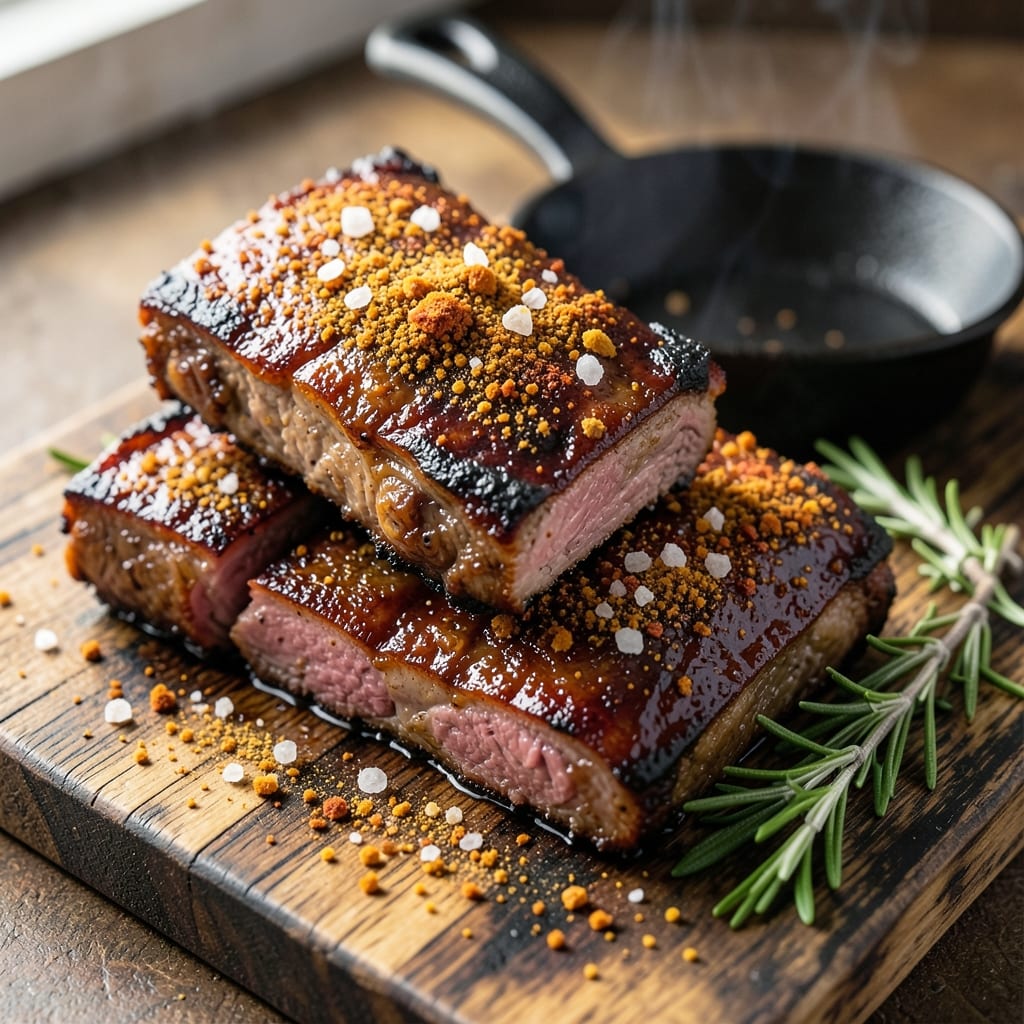
This BBQ beef rib rub recipe transforms tough cuts into smoky, finger-licking perfection with just 6 simple spices. 🔥 As a pitmaster who's spent years perfecting the art of rib seasoning, I can tell you this blend delivers that coveted bark that sticks like glue—no matter your grill type. The secret lies in balancing sweet, smoky, and spicy notes that penetrate deep while creating that irresistible crust.
What makes this rub special is its foolproof simplicity: no liquid ingredients to measure, just dry spices that cling beautifully to ribs. The blend of brown sugar and paprika creates that signature caramelized crust, while black pepper and garlic powder add depth. I've tested this on everything from baby back ribs to beef short ribs, and it never fails to impress—even with beginners.
The magic happens when you apply this rub generously before grilling or smoking, letting it develop that signature bark over low heat. What you'll end up with is ribs so flavorful they practically fall apart, with a crust that's impossible to resist. This isn't just another seasoning blend—it's the foundation of restaurant-quality BBQ right in your backyard.
Perfect for weekend cookouts, competition prep, or when you want to elevate your next slow-cooked masterpiece. The rub keeps well in an airtight container for up to 6 months, so you'll always have this game-changer on hand. Let's get started with the ingredients—where every tablespoon counts for maximum flavor impact.
Ingredients for bbq beef rib rub
Six spices and a sugar that transform ribs into competition-worthy masterpieces.
| Ingredient | Amount | Notes |
|---|---|---|
| Light Brown Sugar 🍚 | ½ cup | Packed for maximum crust |
| Smoked Paprika 🌶️ | 3 tbsp | High-quality, not dusty |
| Coarse Kosher Salt 🧂 | 2 tbsp | Diamond Crystal preferred |
| Freshly Ground Black Pepper 🌶️ | 1 tbsp | Cracked peppercorns preferred |
| Garlic Powder 🧄 | 1 tbsp | Freshly ground preferred |
| Onion Powder 🧅 | 1 tbsp | Finely ground for even distribution |
| Ground Cayenne Pepper 🔥 | ½ tbsp | Adjust for heat preference |
The smoked paprika is non-negotiable—Penzeys or McCormick Gourmet are my go-tos for that deep, smoky flavor. Brown sugar isn't just sweetness; it's the caramelization engine that creates that coveted bark. Light brown sugar works better than white because of its molasses content. For the salt, Diamond Crystal dissolves more easily, but any coarse kosher salt will do. The key here is freshness: if your spices smell stale, toss them and start fresh. I always buy spices in small quantities and store them in the freezer to preserve their punch.
No smoked paprika? Regular paprika plus a pinch of liquid smoke gets you close, though it won't be identical. Short on cayenne? Red pepper flakes at half the amount work in a pinch. Garlic powder and onion powder can be swapped for fresh minced garlic and onion (use about half the amount), but the texture changes slightly. For a sweeter rub, add an extra tablespoon of brown sugar. If you're using this on pork ribs, consider adding 1/2 teaspoon of mustard powder for a tangy kick. The rub works best when applied generously—don't be shy with it.
This rub keeps indefinitely in an airtight container, but flavor peaks within 6 months. I store mine in a amber glass jar with a tight seal to block light and moisture. For competition prep, I make double batches and freeze portions in ziplock bags—just shake to redistribute before using. The rub sticks best when ribs are at room temperature, so plan ahead. Once applied, ribs should rest for at least 30 minutes before hitting the grill or smoker for maximum adhesion.
Why You'll Love This Recipe
- Five-Ingredient Magic: Just toss those pantry staples in a bowl—no fancy tools, no measuring headaches. The brown sugar caramelizes beautifully while the smoked paprika adds that smoky depth that takes seconds to mix, not hours to perfect.
- Sweet-Smoky Crunch: That first bite? The brown sugar creates this perfect balance—sweet but not cloying, with the paprika’s warmth cutting through. My kids fight over the ribs because of that addictive crust, and honestly, I don’t blame them.
- Tailgate or Tuesday: Works for a backyard cookout with friends or a lazy Sunday dinner. Slap it on ribs, beef brisket, or even chicken thighs—it’s the secret weapon that turns simple protein into something everyone raves about. (Yes, even on a Tuesday night.)
- Leftovers That Don’t Suck: The rub keeps flavors bold even after reheating, so you’re not stuck with dry, sad meat. I’ve had these ribs taste just as good the third day as the first—proof this recipe actually improves with time. Budget-friendly? Absolutely.
Step-by-step instructions for BBQ beef rib rub
Here's how to blend this smoky-sweet crust that transforms ribs into irresistible, competition-worthy masterpieces.
👨🍳 Step 1: Combine Dry Ingredients in a Mixing Bowl
In a medium bowl, add the 0.5 cup light brown sugar first. I like to pack it down gently with my fingers to maximize that caramelized crust potential. This is your sweet foundation that will caramelize beautifully during cooking.
Next, add the 3 tablespoons smoked paprika and the 2 tablespoons coarse kosher salt. Use your fingers or a fork to break up any paprika clumps—you want an even distribution throughout the rub. The paprika brings that essential smoky depth while the salt enhances all flavors and helps create that coveted bark.
👨🍳 Step 2: Add Aromatics and Heat Elements
Now it's time for the flavor layers. Add the 1 tablespoon garlic powder and 1 tablespoon onion powder, mixing thoroughly with a fork or silicone spatula. These two ingredients form the savory backbone of your rub, providing that classic BBQ depth without overwhelming the smokiness.
For the heat kick, add the 0.5 tablespoon ground cayenne pepper. I recommend starting with this amount—it provides noticeable heat without scorching your ribs. If you're sensitive to spice, reduce to 0.25 tablespoon and adjust to taste after your first application. The cayenne also helps the rub adhere better to the meat.
👨🍳 Step 3: Incorporate the Black Pepper and Final Mix
Finally, add the 1 tablespoon freshly ground black pepper. This is where the magic happens—the freshly cracked peppercorns add a bright, almost citrusy note that cuts through the richness of the other ingredients. The freshly ground aspect is crucial; pre-ground pepper loses its potency quickly.
Use your hands to thoroughly mix all ingredients until completely homogeneous. You should see a uniform, slightly coarse powder with no visible streaks of individual ingredients. This even distribution ensures every bite of your ribs gets the perfect balance of sweet, smoky, and spicy flavors.
🥘 Step 4: Store for Future Use or Apply Immediately
Transfer your freshly mixed rub to an airtight container. I prefer a glass jar with a tight-sealing lid—it keeps the spices fresh and makes it easy to measure out portions later. Store in a cool, dark place for up to 3 months for maximum flavor.
For immediate use, apply generously to your ribs—about 1 tablespoon per pound of meat. Press it firmly into the surface so it adheres well. The rub should stick like glue when applied properly, creating that iconic bark during cooking that everyone craves.
Pro Tips For Making Bbq Beef Rib Rub
- TOAST THE SPICES FIRST: Light brown sugar burns easy, but smoked paprika and garlic powder need a quick head start. Heat a dry skillet over medium for 30 seconds, add the spices, and stir until fragrant—just until you smell that deep, toasty aroma. This cuts bitterness and makes the rub cling better to the ribs.
- GRIND YOUR OWN PEPPER: Pre-ground black pepper loses potency fast, but freshly cracked pepper adds sharpness that makes the rub pop. Use a pepper grinder right before mixing—even a quick pulse in a mortar or spice grinder makes a real difference when you’re slathering this on ribs.
- DON’T SKIP THE OIL: Dry rubs need fat to stick. Brush ribs lightly with neutral oil (like avocado or grapeseed) before applying the mix—it helps the sugar caramelize instead of sticking to your hands or the grill grate. (Yes, even if you’re impatient like me.)
- LAYER THE SALT LAST: Smoked paprika and garlic powder can get overpowered if salted too early. Mix everything except the kosher salt first, then fold it in at the end. This keeps the flavors balanced—no sudden salt shock that makes the rub taste flat.
Storing and reheating your leftovers
Refrigerator Storage
Store your freshly mixed rub in an airtight container—I swear by amber glass jars with tight-sealing lids to block light and moisture. Keep it in a cool, dark pantry for up to 3 months for peak flavor. The spices stay potent longer when protected from heat and air. I always label my jars with the date so I know when to refresh my supply. 🌶️
Freezer Preservation
For long-term storage, divide the rub into small ziplock bags or amber glass containers—this prevents freezer burn and makes it easy to grab just what you need. Freeze for up to 6 months without losing potency. When ready to use, let the rub sit at room temperature for 5-10 minutes before applying to ribs for even distribution. I keep a stash in my freezer for competition prep days. ❄️
Reviving Stale Rub
If your rub smells slightly dull after storage, revive it by toasting the spices in a dry skillet over medium heat for 1-2 minutes. This reactivates the flavors and removes any moisture that might have seeped in. Stir constantly to prevent burning—just until you smell that fresh, aromatic punch. A quick toast can turn lackluster rub into something vibrant again. 🔥
Reapplying After Cooking
For competition-style ribs, reapply a thin layer of fresh rub after the initial bark forms. Use about ½ tablespoon per pound of meat, focusing on the bone side where flavor tends to fade. This technique creates that multi-layered crust that judges love. I do this after the first 2-3 hours of smoking when the ribs start developing their initial bark. 💫
Prepping Ribs for Storage
If you're storing pre-rubbed ribs in the fridge, wrap them tightly in plastic wrap or butcher paper before placing in an airtight container. This prevents the rub from drying out or sticking to the meat. Ribs will keep for 3-4 days in the fridge—just
Thawing Frozen Rubbed Ribs
Thaw ribs in the fridge overnight for best results. If you're short on time, use the cold water bath method: place the wrapped ribs in a sealed plastic bag and submerge in a bowl of cold water for 1-2 hours. Never microwave ribs—the uneven heating can create steamed instead of smoked results. Always pat ribs dry before hitting the grill or smoker. 💡
Nutrition facts
Frequently asked questions
Can I use this rub on other meats besides beef ribs?
This versatile rub works beautifully on pork ribs, chicken thighs, and even brisket. For pork, you might want to reduce the cayenne slightly (to 0.25 tablespoon) since pork absorbs flavors differently. The key is applying it generously—about 1 tablespoon per pound—and letting it develop that signature bark during cooking.
How do I adjust the heat level in this rub?
Start with the 0.5 tablespoon cayenne pepper as written for moderate heat. For milder ribs, reduce to 0.25 tablespoon or even 0.125 tablespoon for a gentle kick. If you love spice, increase to 1 tablespoon—just remember, the heat builds during cooking! Always taste-test before applying to the full batch of ribs.
Why does my rub not stick to the ribs as well as yours?
Proper adhesion comes from three things: room-temperature ribs, patting them dry, and pressing the rub firmly into the meat. If your rub isn't sticking, try adding 1 teaspoon of cornstarch to the mix—it helps bind the spices. Also, make sure your ribs aren't too fatty; trim excess fat before applying. The rub should feel like it's "glued" to the meat when you're done.
Can I substitute smoked paprika with regular paprika?
You can, but the flavor will be noticeably different. Regular paprika lacks that deep, smoky character that's essential for authentic BBQ flavor. For a close substitute, mix 3 tablespoons regular paprika with ½ teaspoon liquid smoke—just be aware this won't replicate the exact smoky depth. If you're using this for competition-style ribs, smoked paprika is worth the investment.
How long should I let the rub sit on the ribs before cooking?
For best results, apply the rub to ribs that have been sitting at room temperature for at least 30 minutes. Let it rest on the meat for 15-30 minutes before cooking—this allows the spices to penetrate slightly and creates better adhesion. If you're short on time, apply the rub right before cooking, but press it firmly into the meat to help it stick.