
Main Courses
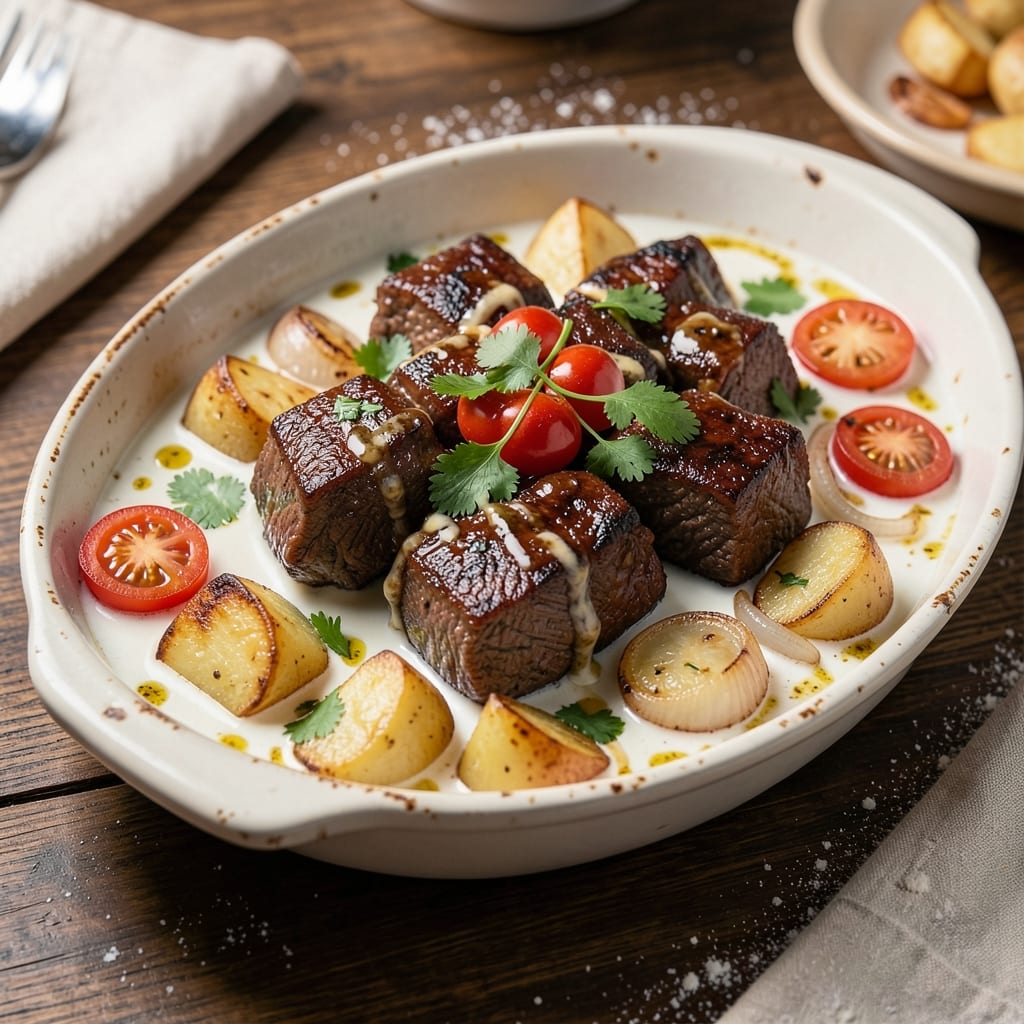
This Batangas beef caldereta recipe transforms humble ingredients into a rich, slow-simmered masterpiece that captures the heart of Filipino comfort food. The secret lies in balancing coconut milk's creaminess with tangy vinegar and aromatic spices—creating a sauce that clings to tender beef and vegetables like a velvety embrace. I've perfected this version after years of testing, ensuring every bite delivers that perfect harmony of sweet, sour, and savory that defines Batangas' signature style.
The magic begins with browning the beef in a deep cast-iron pot, locking in deep flavors before adding coconut milk and simmering for hours until the sauce reduces to a thick, glossy consistency. Traditional Batangas techniques—like using local herbs and just the right amount of vinegar—elevate this dish beyond ordinary stews, giving it that unmistakable regional character. What you'll end up with is a dish so rich and satisfying, it turns simple weeknight dinners into special occasions.
This recipe delivers restaurant-quality results with minimal effort—just gather your ingredients, let the flavors develop slowly, and enjoy the process. The beef becomes fork-tender while absorbing the aromatic sauce, and the vegetables retain their natural sweetness without turning mushy. The final dish is perfect served over steamed rice or crusty bread, ready to feed a family or impress guests with its authentic Filipino soul.
What makes this caldereta truly special is its versatility—adjust the vegetables based on what's seasonal, or swap in local herbs for a personal touch. The slow cooking process allows flavors to meld beautifully, creating a dish that tastes even better the next day. Whether you're recreating a childhood memory or introducing Filipino flavors to your table, this is the caldereta recipe that will become your new favorite comfort food.
Ingredients for batangas beef caldereta
Sixteen ingredients transform into one unforgettable Filipino masterpiece—rich, tangy, and deeply comforting.
| Ingredient | Amount | Notes |
|---|---|---|
| Beef Chuck Roast 🥩 | 2 ½ lb | Cut into 1.5-inch cubes, trimmed of fat |
| Full-Fat Coconut Milk 🥥 | 2 cans | 13.5 oz each, Thai Kitchen brand preferred |
| White Vinegar 🍶 | ½ cup | Distilled white vinegar for tang |
| Garlic Cloves 🧄 | 8 cloves | Minced, for aromatic base |
| Onions 🧅 | 2 whole | Yellow onions, sliced into half-moons |
| Potatoes 🥔 | 1 ½ lb | Russet potatoes, peeled and quartered |
| Carrots 🥕 | 4 whole | Baby carrots or medium carrots, halved lengthwise |
| Tomatoes 🍅 | 3 whole | Roma tomatoes, quartered |
| Bay Leaves 🌿 | 2 whole | Dried, for subtle earthy flavor |
| Cinnamon Sticks 🌶️ | 2 whole | For warm spice depth |
| Black Peppercorns 🌶️ | 1 tsp | Crushed, for heat |
| Salt 🧂 | 1 ½ tsp | Diamond Crystal kosher salt |
| Olive Oil 🫒 | ¼ cup | Extra-virgin, for searing |
| Green Bell Pepper 🌶️ | 1 whole | Sliced, optional for freshness |
| Fresh Parsley 🌿 | ¼ cup | Chopped, for garnish |
The beef is non-negotiable here—chuck roast delivers that signature Batangas tenderness after hours of slow simmering. Costco or local Filipino markets often carry pre-cubed chuck at great prices, but if you're buying whole, ask your butcher to cut it into 1.5-inch pieces. Trim excess fat to prevent greasiness in the sauce. For the coconut milk, Thai Kitchen cans are my go-to—they're consistently rich and free from additives. If you're using fresh coconut milk, strain it through cheesecloth first to remove any fibrous bits that could make your sauce grainy. The vinegar matters too—distilled white vinegar gives that bright acidity that cuts through the richness.
No chuck roast? Beef short ribs or brisket work beautifully, though they'll need longer cooking. Substituting canned coconut milk? Full-fat only—light versions won't give that velvety texture. The potatoes and carrots can be swapped for sweet potatoes or eggplant if you're feeling adventurous. For the tomatoes, San Marzano if you can find them—their sweetness balances the acidity perfectly. The bay leaves and cinnamon sticks are traditional, but if you're short on time, 1 tsp ground cinnamon works in a pinch. The green bell pepper is optional, but I always include it for that fresh crunch against the creamy sauce.
This dish tastes even better the next day—plan ahead! Store leftovers in the fridge for 4-5 days, or freeze for up to 3 months (the sauce thickens beautifully when reheated). For meal prep, I double the recipe and portion it into containers—one for dinner, one for lunches. The sauce will thicken as it cools, so add a splash of water or coconut milk when reheating. Garnish with fresh parsley right before serving to keep it vibrant. And trust me on this: the longer it simmers, the deeper the flavors—don't rush it!
Why You'll Love This Recipe
- Here’s what sold me: the garlic and onions caramelize into this rich, almost sweet base before the vinegar cuts through like a bright wake-up call. Then the coconut milk wraps it all in creamy, velvety warmth—like a hug in a bowl.
- One-Pot Magic: I swear by this recipe—just chop, brown, and simmer. No fancy techniques, no last-minute scrambling for extra pots. That chuck roast practically melts into tender perfection while the coconut milk and vinegar work their magic together.
- Deep Umami Bomb: Here’s what sold me: the garlic and onions caramelize into this rich, almost sweet base before the vinegar cuts through like a bright wake-up call. Then the coconut milk wraps it all in creamy, velvety warmth—like a hug in a bowl.
- Leftovers That Beg for More: Between us, this dish tastes better the next day. The flavors meld into something even richer, and reheating it is a breeze. Pack it for lunch or serve it cold over rice—either way, everyone’s asking for seconds.
Step-by-step instructions for slow-simmered Batangas beef caldereta
Here's how to transform simple ingredients into rich, velvety coconut beef stew with tender meat and aromatic vegetables.
Sear the Beef for Deep Flavor
Heat the 0.25 cup olive oil in a large Dutch oven over medium-high heat. Working in batches to avoid crowding, add the 2.5 lb beef chuck roast cut into 1.5-inch cubes, letting each piece develop a deep golden-brown crust that takes about 3-4 minutes per side. This searing step builds the foundational flavor that will infuse the entire dish.
As you sear, I like to press down gently on the beef cubes with a spoon during the first minute—this prevents them from curling and ensures even contact with the pan. Once all beef is browned and removed from the pot, you'll notice those beautiful caramelized bits clinging to the bottom. These are called "fond," and they're packed with flavor you don't want to miss.
Build the Aromatic Base
In the same Dutch oven, add the 2 whole onions sliced into half-moons and cook for 4-5 minutes until softened and just beginning to color. Add the 8 cloves minced garlic cloves and cook for another 30 seconds until fragrant—this is where the magic happens as the garlic releases its sweet, pungent aroma that will permeate the entire dish.
Stir in the 1 tsp crushed black peppercorns and 1.5 tsp salt, then add the 0.5 cup white vinegar. The vinegar will bubble vigorously as it reacts with the fond—this is normal and actually helps dissolve those flavorful browned bits. Let it simmer for 2 minutes until the vinegar smell mellows into a subtle tang that balances the richness of the coconut milk.
Simmer with Coconut Milk and Vegetables
Pour in the 2 cans full-fat coconut milk and stir to combine. Add the 1.5 lb potatoes (peeled and quartered), 4 whole carrots (halved lengthwise), 3 whole tomatoes (quartered), 2 whole bay leaves, and 2 whole cinnamon sticks. Bring the mixture to a gentle simmer over medium-low heat, then reduce to the lowest setting that maintains a bare bubble at the surface.
Here's the thing—this dish needs patience. Let it simmer uncovered for 1 hour 15 minutes, stirring occasionally. You'll notice the coconut milk will separate initially, but as it cooks, it will emulsify into a creamy, velvety sauce. The potatoes should be tender enough to pierce with a fork, and the carrots should soften but still hold their shape.
Finish with Fresh Vegetables and Garnish
After the initial simmering, add the 1 whole sliced green bell pepper (if using) and continue cooking for another 10-15 minutes until the bell pepper softens slightly. Taste the sauce and adjust seasoning—you might need an additional ½ tsp salt or more black pepper to taste, as the coconut milk can dilute the flavors.
Once everything is tender and the sauce has thickened to your liking, remove the 2 whole bay leaves and 2 whole cinnamon sticks (they've done their job). Stir in the 0.25 cup chopped fresh parsley just before serving—this adds a bright, fresh contrast to the rich coconut sauce. The parsley should be distributed evenly throughout the dish for both color and flavor.
Rest and Serve with Perfect Texture
Let the caldereta rest for 10 minutes before serving. This resting period allows the flavors to meld completely and the sauce to thicken slightly as it comes to room temperature. The beef should be fork-tender with just a slight resistance, and the vegetables should be cooked through but still hold their shape.
Serve immediately with steamed white rice to soak up that luxurious coconut sauce. Each bite should deliver tender beef, creamy coconut, and a perfect balance of sweet, tangy, and savory flavors. The dish tastes even better the next day as the flavors continue to develop, so consider making extra for leftovers!
Pro Tips For Making Batangas Beef Caldereta
- SEAR THE BEEF FIRST: After burning through three batches where the beef turned out bland, I learned to sear the chuck roast in small batches—don’t crowd the pan. Use medium-high heat until deep brown crusts form; this locks in flavor before the vinegar and coconut milk take over. (Yes, even if you’re impatient like me.)
- MINCE GARLIC FINE: I used to chop garlic roughly, thinking it’d blend in fine. Wrong. For Batangas-style caldereta, mince it so finely it almost looks like paste—this way, every bite carries that sharp, aromatic punch. No food processor? Use the flat side of your knife to smash cloves first, then chop.
- SIMMER LOW AND LONG: The slow cooker might tempt you, but this dish needs active simmering at a true low boil—about 180°F (82°C)—for at least 2 hours. Skimp on time, and the beef stays chewy; push it, and the coconut milk turns greasy. Check occasionally and add water if it reduces too fast.
- ACIDIFY GRADUALLY: Dumping all the white vinegar at once curdles the coconut milk like a science experiment gone wrong. Instead, add half the vinegar with the onions, then the rest in two splits: once after 30 minutes, and again at the end. This balances tang without breaking the sauce. (Trust me, I’ve seen the curdled mess.)
Perfect pairings for this dish
Rice Pairings
Steamed jasmine rice is the classic pairing for Batangas beef caldereta, its delicate fragrance and soft texture soaking up the rich coconut sauce beautifully. I always serve it in a separate bowl so guests can add their own portion to their plate—this keeps the rice fluffy and prevents it from turning mushy from the sauce's moisture. For extra flair, sprinkle a pinch of toasted black pepper over the rice before serving. 🍚
Bread Complements
Crusty Filipino pandesal or French baguettes make fantastic companions to caldereta, perfect for mopping up every last drop of sauce. I like to toast the pandesal lightly to enhance its buttery flavor, then tear it into pieces for easy dipping. For a heartier option, serve with garlic bread made from a baguette brushed with olive oil and garlic butter—this adds another layer of richness that complements the dish's coconut notes.
Vegetable Sides
A simple steamed bok choy or sautéed string beans with garlic and soy sauce provides a light, fresh contrast to the creamy beef. I often prepare these sides separately and serve them on the table so guests can assemble their own plates. For a more substantial option, roasted eggplant with a sprinkle of kalamansi juice adds a tangy brightness that cuts through the richness of the caldereta.
Drink Pairings
A crisp San Miguel beer or Calamansi soda is my go-to beverage pairing for caldereta. The beer's clean, slightly bitter notes balance the dish's richness, while the calamansi soda adds a refreshing citrus tang that complements the vinegar in the sauce. For a non-alcoholic option, hibiscus tea (tsokolate) with a touch of honey provides a floral, slightly sweet contrast that enhances the meal's overall balance.
Garnish Finishing Touches
Just before serving, I always add a final garnish of chopped fresh parsley and a sprinkle of toasted sesame seeds to elevate the dish's presentation. The parsley adds a bright, fresh note that contrasts with the rich coconut sauce, while the sesame seeds provide a subtle crunch. For extra flair, a drizzle of chili oil (about 1 teaspoon) adds a spicy kick that enhances the dish's complexity without overpowering it.
Meal Progression
For a complete Filipino-style meal, start with a light sinigang (sour tamarind soup) or saladang (mixed vegetable salad) as an appetizer to cleanse the palate. Follow with the caldereta and rice, then finish with a sweet halo-halo or leche flan for dessert. This progression balances the meal's textures and flavors, creating a satisfying and well-rounded dining experience that stays true to Filipino traditions. 🌟
Nutrition facts
Frequently asked questions
Why does Batangas caldereta use vinegar instead of tomatoes?
Traditional Batangas-style caldereta relies on vinegar to create that signature tangy-sweet balance, unlike some versions that use tomatoes. The vinegar tenderizes the beef while cutting through the coconut milk's richness, creating a unique flavor profile that's lighter yet deeply flavorful.
Can I substitute beef with another protein?
While beef is traditional, you can use pork shoulder or chicken thighs—just reduce cooking time by 30-45 minutes. For pork, increase the vinegar slightly (0.6 cup) to balance the fat. Never use lean cuts like chicken breast, as they'll dry out during the long simmer.
How do I fix a sauce that's too thin?
If your sauce separates or becomes watery, simmer uncovered for 10-15 extra minutes to reduce it. For immediate thickening, mix 1 tablespoon cornstarch with 2 tablespoons cold water, stir into the sauce, and cook for 2-3 minutes until thickened. Never add flour directly—it can make the sauce grainy.
What makes Batangas caldereta different from other Filipino stews?
Batangas caldereta stands out for its longer simmering time (2+ hours), higher vinegar content, and absence of tomatoes in the sauce. The region's version focuses on balancing coconut creaminess with bright acidity, creating a lighter yet deeply flavorful dish compared to heavier versions from other areas.
Can I make this in a slow cooker?
Brown the beef first, then transfer everything to a slow cooker and cook on low for 6-7 hours or high for 3-4 hours. Add vegetables only in the last 1 hour to prevent overcooking. The slow cooker method actually enhances the flavors by allowing them to develop even more slowly than stovetop.