
Main Courses
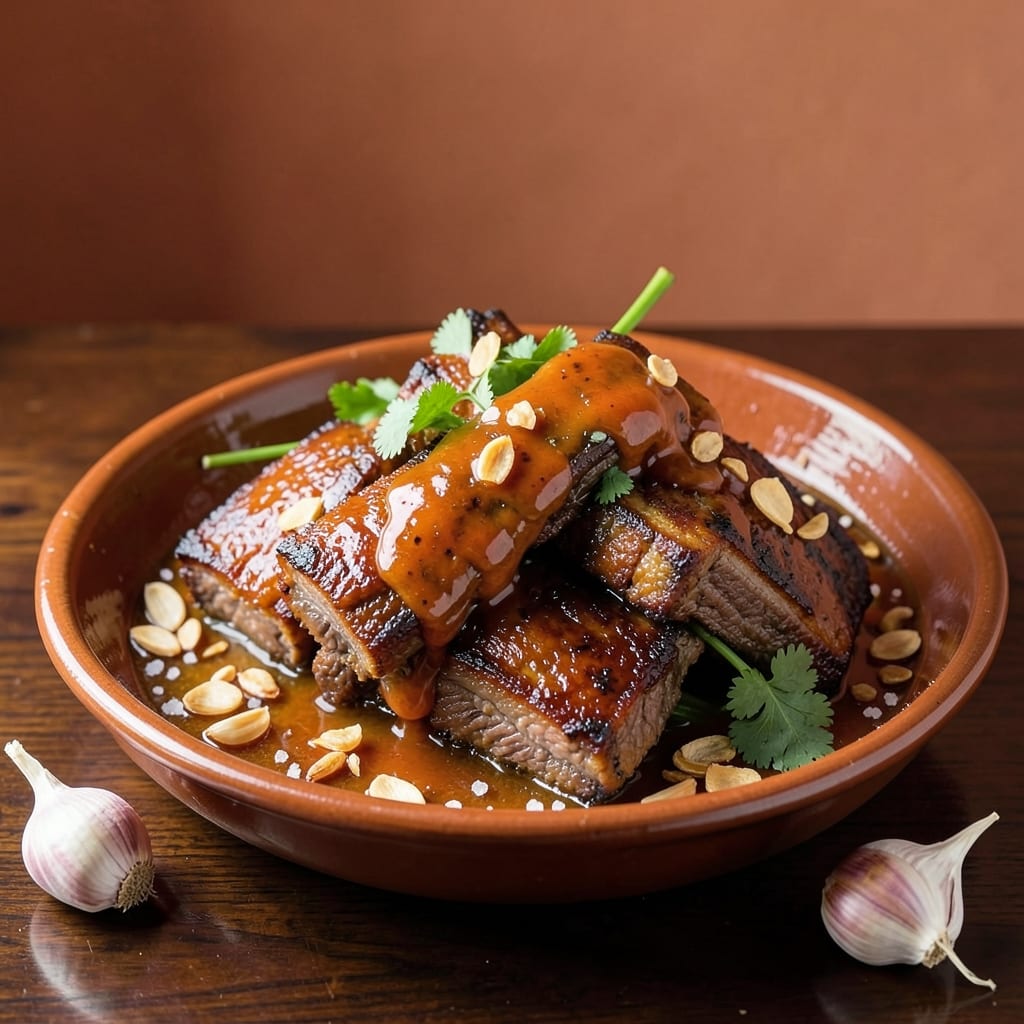
This Filipino beef short ribs recipe delivers the deep, caramelized richness that makes it a staple in Filipino-American homes. 💛 After years of perfecting the balance between soy sauce, vinegar, and calamansi, I've created a method that transforms tough short ribs into melt-in-your-mouth tenderness with a glossy, flavorful sauce. The key lies in slow cooking—allowing the meat to break down while developing layers of umami that will have everyone asking for seconds.
The beauty of this dish comes from its simplicity once you understand the technique. You'll start with a marinade that tenderizes the meat overnight, then braise it until the collagen dissolves into a velvety sauce. What makes this recipe special is how the soy-vinegar-calamansi combination creates that signature Filipino tang-sweet balance that sets it apart from other braised dishes. This isn't just comfort food—it's restaurant-quality at home.
By the time you're done, you'll have perfectly tender beef short ribs swimming in a rich, caramelized sauce that clings to every bite. The meat falls apart easily, revealing layers of flavor developed through hours of slow cooking. This dish pairs beautifully with garlic fried rice or atchara, creating a complete meal that feels like a hug from your favorite Filipino lola.
The best part? This recipe makes ahead beautifully. The flavors actually improve as the sauce reduces overnight, making it perfect for meal prep or special occasions. Let's create this dish that brings a taste of home to your table.
Ingredients for filipino beef short ribs
Pantry staples meet Filipino flavors for melt-in-your-mouth beef short ribs.
| Ingredient | Amount | Notes |
|---|---|---|
| Beef Short Ribs 🥩 | 2 ½ lb | Bone-in, cut into 2-inch pieces |
| Soy Sauce 🍶 | ½ cup | Kikkoman preferred for authentic flavor |
| White Vinegar 💧 | ¼ cup | Distilled or apple cider |
| Calamansi Juice 🍋 | ¼ cup | Or substitute lime juice (less tangy) |
| Brown Sugar 🍚 | ¼ cup | Packed, light or dark |
| Garlic Cloves 🧄 | 8 cloves | Minced, fresh preferred |
| Ginger Root 🌿 | 2 tbsp | Fresh, grated (about 1-inch piece) |
| Onion 🧅 | 1 whole | Yellow or red, sliced |
| Bay Leaves 🍃 | 2 whole | Dried, for deep flavor |
| Black Peppercorns 🌶️ | 1 tsp | Crushed, freshly ground preferred |
| Olive Oil 🫒 | 2 tbsp | For searing, extra-virgin preferred |
| Water 💧 | 1 ½ cups | Or beef broth for extra depth |
| Cornstarch 🌾 | 1 tbsp | For thickening sauce |
The beef is everything here—bone-in short ribs are key for that fall-apart texture. Look for 2-inch cuts at your butcher or the meat department. Costco or Filipino markets often carry them pre-cut, but if not, ask for beef chuck rolls. Fresh ginger and garlic are non-negotiable—they build the aromatic base. If you can't find calamansi (that's the citrus star), lime juice plus a pinch of salt works in a pinch. The soy sauce should be Kikkoman or Lee Kum Kee for that authentic umami punch.
No calamansi? Lime juice plus a dash of salt mimics the tang. Fresh ginger too expensive? Ground ginger at half the amount (but it won't be as bright). Running low on soy sauce? Coconut aminos in a 1:1 swap keeps it gluten-free. The brown sugar can be swapped for white sugar plus 1/4 tsp cinnamon if you're avoiding molasses notes. For extra richness, use beef broth instead of water—just reduce the water by half.
This dish tastes even better the next day as the sauce reduces. Store leftovers in the fridge for 4-5 days or freeze for 3 months. I like to portion mine into glass jars—the ribs stay submerged in sauce, and it reheats beautifully. For meal prep, make a double batch and freeze half. When you're ready to eat, just reheat on the stovetop with a splash of water to loosen the sauce.
Why You'll Love This Recipe
- One-Pot Magic: I swear by this recipe—no chopping mountains of veggies, no fancy sauces to blend, just ribs, a splash of vinegar, and a simmer. The brown sugar caramelizes right in the pan while you’re still slicing the onions, and by the time you’re done, the kitchen’s cleaner than when you started.
- Tangy-Sweet Fix: That calamansi juice—bright, zesty, cheap—cuts through the richness of the ribs like a breath of fresh air. Honestly, I’ve tried fancy citrus substitutes, but nothing beats the way it balances the soy and brown sugar for that signature Filipino tang. It’s the kind of flavor that makes you reach for seconds without even thinking.
- Leftovers? More Like Leftovers: This dish tastes better the next day, no joke. The ribs get even more tender, and the sauce thickens into a glossy, sticky glaze. I make a double batch on Sundays because it’s my go-to for packed lunches—just reheat and serve with rice. (Yes, even on a Tuesday night.)
- Budget Beef Feast: Short ribs are the secret weapon here—cheaper than steak but just as satisfying. A pound of them, a handful of pantry staples, and you’ve got a meal that feeds four for under $20. Between us, this is how I stretch my grocery budget without sacrificing flavor. The brown sugar and vinegar do most of the work, so you’re not breaking the bank on fancy ingredients.
Step-by-step instructions for Filipino beef short ribs
Here's how to make melt-in-your-mouth short ribs with that signature Filipino sweet-savory sauce.
🔥 Step 1: Sear the Short Ribs for Maximum Flavor
Heat a large Dutch oven over medium-high heat and add the 2 tablespoons olive oil. Once shimmering, place the 2.5 lb beef short ribs in a single layer, bone-side down. Press down gently with a spatula to ensure good contact with the pan—this prevents curling. Sear for 4-5 minutes until deeply browned on one side.
Flip the ribs and sear the other side for another 4-5 minutes. The edges should be dark golden brown with caramelized crusts forming. Remove the ribs and set them aside—you'll notice the aroma filling your kitchen, that's the foundation of your sauce building. Don't rush this step; proper searing locks in flavor and prevents dry ribs later.
👨🍳 Step 2: Build the Aromatic Base
In the same Dutch oven, reduce heat to medium and add the 1 whole onion, sliced into half-moons. Cook for 5 minutes until softened and translucent. Add the 8 cloves minced garlic and 2 tablespoons grated ginger root, cooking for 1 minute until fragrant—this is where all the magic begins.
Pour in the 0.5 cup soy sauce, 0.25 cup white vinegar, and 0.25 cup calamansi juice. Stir well to deglaze the pan, scraping up all those delicious browned bits from the searing. Add the 0.25 cup brown sugar and 2 whole bay leaves, stirring until the sugar dissolves completely. The mixture should smell rich and complex—like a sweet-savory symphony.
🥘 Step 3: Simmer the Ribs in Flavorful Liquid
Return the seared ribs to the pot along with the 1.5 cups water and 1 teaspoon crushed black peppercorns. Bring to a gentle simmer, then reduce heat to low. Cover partially and cook for 1.5 hours, turning the ribs occasionally. You'll see the liquid reduce and the ribs begin to soften—this is where patience pays off.
After 1.5 hours, check for tenderness by inserting a fork into the thickest part of a rib. It should slide in easily with just slight resistance. If not, continue cooking for another 30 minutes. The sauce should be thick and glossy, clinging beautifully to the ribs. Here's the thing—don't skip the occasional stirring; it helps distribute the flavors evenly and prevents sticking.
⏰ Step 4: Thicken the Sauce to Perfection
In a small bowl, whisk together the 1 tablespoon cornstarch with 2 tablespoons water to create a smooth slurry. Slowly pour this mixture into the simmering pot while stirring constantly. The sauce will begin to thicken immediately—this is your signal to keep stirring vigorously for 2-3 minutes until it reaches a glossy, syrupy consistency.
Taste and adjust seasoning if needed, adding a splash more soy sauce for saltiness or a touch of calamansi juice for tang. The sauce should coat the back of a spoon and have a perfect balance of sweet, salty, and tangy flavors. Remove the bay leaves before serving—you don't want them in your final dish, but they added wonderful depth during cooking.
🍽️ Step 5: Serve with Perfectly Braised Ribs
Transfer the ribs to a serving platter and ladle the rich sauce over the top. Let them rest for 5 minutes before serving—this allows the juices to redistribute, ensuring each bite is moist and flavorful. The ribs should be fork-tender with a beautiful caramelized exterior, and the sauce should be thick enough to coat each piece generously.
Serve immediately with steamed rice to soak up every last drop of that luscious sauce. The combination of tender ribs and sweet-savory sauce makes this dish truly special. Real talk: if you have leftovers, they'll be even better the next day as the flavors continue to meld together. Enjoy your homemade Filipino beef short ribs—this recipe delivers restaurant-quality results right in your kitchen!
Pro Tips For Making Filipino Beef Short Ribs
- Sear Ribs in Batches: Crowding the pan turns your short ribs into steamed meat. Work in 2-3 pieces at a time—hot oil and space guarantee that crust you’re craving. I learned this the hard way when my first batch came out soggy. ---
- Whisk Vinegar Last: Adding white vinegar too early curdles the sauce. Stir it in only after the soy sauce and sugar dissolve—right when the ribs hit the pot. This keeps the sauce silky, not clumpy. ---
- Dry the Meat First: Wet ribs steam instead of sear. Pat them thoroughly with paper towels before hitting the pan. The extra 30 seconds saves you from mushy, undercooked edges. ---
- Simmer, Don’t Boil: A rolling boil ruins the tender texture. Keep the heat low enough for tiny bubbles—just enough to maintain a gentle simmer. I used to rush this, and the ribs always turned out chewy.
Perfect pairings for this filipino beef short ribs
Garlic Fried Rice
This classic Filipino side transforms day-old rice into a fragrant, slightly crispy base that soaks up the braising sauce beautifully. I use 2 cups of cold, day-old jasmine rice (leftover from cooking the ribs) sautéed in 1 tbsp olive oil with 3 cloves minced garlic until golden. Add 1 tbsp soy sauce and ½ tsp white pepper, then stir in ¼ cup chopped green onions. The garlic's aroma complements the ribs perfectly while providing contrast to the rich, sweet-savory sauce. 💛
Atchara Pickled Vegetables
This tangy, caramelized pickle adds a refreshing crunch and bright acidity that cuts through the richness. I make mine with 2 cups mixed shredded cabbage, carrots, and daikon radish tossed with ¼ cup vinegar, 2 tbsp sugar, 1 tsp salt, and 1 tsp ground black pepper. Let it sit for at least 30 minutes before serving—this gives the vegetables time to soften slightly while developing that signature sweet-tangy flavor. The texture contrast makes every bite of ribs even more satisfying.
Steamed White Rice
Simple but essential—Filipino meals aren't complete without it! Use 1 cup jasmine or long-grain white rice cooked to perfection (about 1 part rice to 1.5 parts water). The slightly sticky texture soaks up the braising sauce beautifully, creating a harmonious balance. For extra flavor, add 1 bay leaf while steaming, then remove before serving. I always double the batch because leftovers make amazing fried rice the next day.
Crispy Garlic Fried Eggs
These add a luxurious touch that elevates the whole meal. Crack 2 eggs into a hot, oiled pan and fry sunny-side-up until the whites are set but yolks remain runny. Add 1 minced garlic clove to the pan first—it sizzles and infuses the eggs with incredible aroma. Serve one per plate alongside the ribs, letting the rich yolk complement the tender meat. The slight crispness contrasts perfectly with the soft ribs and creamy sauce.
Cucumber Salad
A refreshing palate cleanser that balances the richness. Thinly slice 1 English cucumber and toss with 1 tbsp rice vinegar, ½ tsp sugar, ¼ tsp salt, and 1 tsp chopped cilantro. Let it sit for 15 minutes before serving—this draws out moisture and intensifies the flavors. The cool, crisp texture provides a delightful contrast to the warm, tender ribs, making each bite feel complete. 💡
Drink Pairings
For a complete experience, serve with iced calamansi juice—mix 1 cup calamansi juice with ½ cup water and 1 tbsp sugar for a refreshing, tangy sipper. Or try San Miguel beer, the Philippines' classic lager, which complements the dish's rich flavors without overpowering them. For non-alcoholic options, hibiscus tea (sarsapilla) adds a fruity, slightly tart note that enhances the meal's overall balance.
Nutrition facts
Frequently asked questions
Why do Filipino beef short ribs need to marinate overnight?
The overnight marinade is key for breaking down collagen in the tough short ribs. The combination of soy sauce, vinegar, and calamansi creates an acidic environment that tenderizes the meat while infusing it with deep flavors. Without this step, you risk dry ribs even after braising. For best results, marinate for at least 12 hours—this transforms tough cuts into melt-in-your-mouth perfection.
Can I substitute calamansi juice with something else?
Yes! If you can't find calamansi, use lime juice plus a pinch of salt for tang. For a milder flavor, try lemon juice with extra sugar (1 tsp) to balance the acidity. The key is maintaining that bright citrus note—the sauce won't taste exactly the same, but it'll still be delicious. Just remember: calamansi gives that signature Filipino tang that's hard to replicate.
How do I know when the beef short ribs are fully cooked?
Ribs are done when they're fork-tender with just slight resistance. Insert a fork into the thickest part—the meat should separate easily but not fall apart completely. The internal temperature should reach 195°F for perfect tenderness. If they're still tough after 2 hours of braising, add ½ cup hot water and cook another 30 minutes.
Can I make this recipe in a slow cooker?
Brown the ribs first in a skillet, then transfer to your slow cooker with all sauce ingredients. Cook on low for 6-7 hours or high for 4-5 hours. The slow cooker's gentle heat mimics the braising process beautifully. Just remember: the ribs will be more tender than seared, but the sauce will be even richer. Perfect for hands-off cooking!
What's the best way to reheat leftovers?
Reheat gently in a skillet with a splash of water or broth to loosen the sauce. Warm over medium-low heat for 5-7 minutes**, stirring occasionally. Never microwave—it makes the sauce watery. For best results, reheat only what you'll serve immediately. The ribs and sauce taste even better the next day as flavors meld further!