
Main Courses
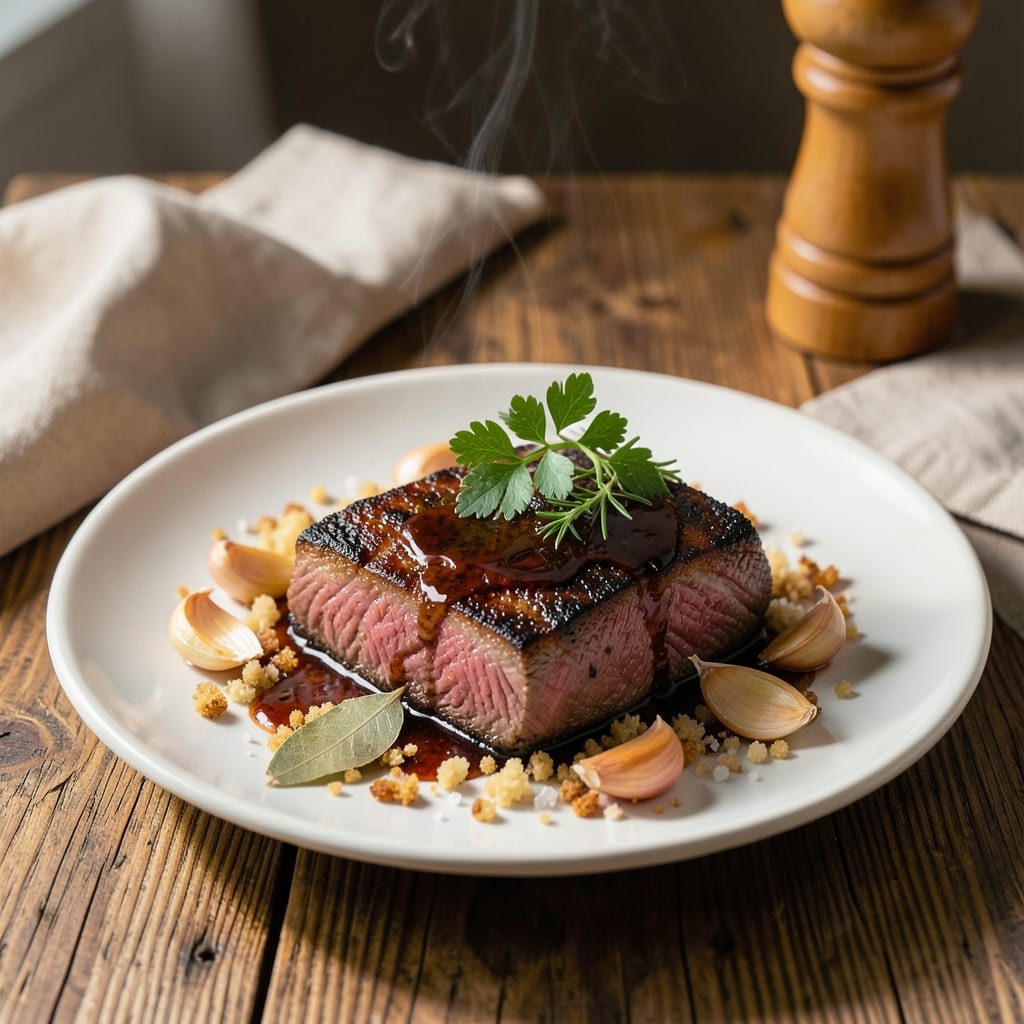
This Basque beef tongue recipe transforms humble offal into a showstopping centerpiece with smoky paprika and garlic that infuse every bite. 🔥 The key lies in slow-cooking until the texture becomes irresistibly tender, a technique rooted in Basque tradition where every part of the animal is celebrated. What sets this dish apart is the deep, caramelized flavor developed through hours of gentle simmering in a rich, aromatic broth.
The process begins with marinating the beef tongue overnight in a blend of smoked paprika, garlic, and white wine—a combination that creates the signature Basque flavor profile. As it slow-cooks, the collagen breaks down into gelatin, resulting in that coveted fall-apart texture that makes each slice melt in your mouth. This dish isn't just about technique; it's about honoring a culinary tradition where offal takes center stage.
By the time you serve it, you'll have a dish that's rich, smoky, and deeply satisfying, perfect for special occasions or when you want to impress guests. The peeling and slicing steps might seem intimidating, but the results are worth every minute of effort. Pair it with pimientos de Piquillo and a crisp txakoli wine for an authentic Basque dining experience.
Whether you're cooking for a festive gathering or simply craving a taste of Basque culture, this recipe delivers restaurant-quality results at home. The secret lies in patience and attention to detail—two things that make this dish truly unforgettable.
Ingredients for basque beef tongue
Six ingredients transform humble beef tongue into a Basque showstopper with smoky depth and melt-in-your-mouth texture.
| Ingredient | Amount | Notes |
|---|---|---|
| Beef Tongue (Fresh) 🥩 | 1 whole | Center-cut preferred, 2-3 lbs |
| Smoked Paprika 🌶️ | ¼ cup | Spanish or Hungarian for depth |
| Garlic Cloves 🧄 | 8 cloves | Peeled, smashed for infusion |
| Dry White Wine 🍷 | 1 cup | Albariño or Viognier preferred |
| Bay Leaves 🌿 | 2 whole | Fresh preferred, dried works |
| Olive Oil 🫒 | ¼ cup | Extra-virgin for richness |
| Beef Broth 💧 | 4 cups | Homemade or high-quality store-bought |
| Red Wine Vinegar 🍋 | 1 tbsp | For brightness |
| Salt 🧂 | 1 ½ tsp | Diamond Crystal preferred |
| Black Peppercorns 🌶️ | 1 tsp | Freshly cracked |
| Pimientos de Piquillo 🍅 | ½ cup | Jarred, chopped (optional garnish) |
| Fresh Thyme 🌿 | ¼ cup | Leaves only, chopped |
The beef tongue is the star—look for center-cut pieces at your butcher (they're usually labeled). Costco or specialty meat markets often carry them pre-cleaned, but if you're buying whole, ask for it to be trimmed and scored. Smoked paprika is non-negotiable here; Penzeys Spanish smoked paprika or Hungarian rose paprika add that authentic Basque smokiness. For the wine, Albariño or Viognier bring bright acidity that cuts through the richness—whatever's open in your fridge works too, but dry whites perform best. Fresh thyme and bay leaves? Grab them from the grocery store's produce section if they're not already in your spice drawer.
No smoked paprika? Substitute half with regular paprika plus a pinch of liquid smoke—it's not the same, but better than nothing. Short on white wine? Dry vermouth or even apple cider vinegar adds acidity in a pinch. The pimientos de Piquillo are optional but worth it for that bright red garnish—Trader Joe's carries them in jars if you can't find them elsewhere. For the broth, homemade is ideal, but Kitchen Basics or Pacific Foods brands are solid store-bought options. And if you're feeling lazy, skip the peeling step—the texture is still incredible, just a little less refined.
This dish is all about patience. The tongue keeps beautifully in the fridge for up to 5 days once fully cooked, and freezes for 3 months if you want to prep ahead. I like to portion it into individual servings for easy reheating—just warm in broth or water until heated through. The flavor actually improves after the first day as everything melds together. For serving, slice it thinly against the grain, drizzle with the cooking juices, and scatter those pimientos on top. Trust me, the effort is worth every bite.
Why You'll Love This Recipe
- One-Pot Magic: Honestly, this recipe is that easy—just the tongue, a splash of wine, and a handful of spices simmering together. No chopping, no fuss, and the wine reduces down to a glossy, flavor-packed sauce that takes five minutes to stir.
- Smoky, Garlicky Bliss: That smoked paprika and garlic combo? It’s like a hug for your taste buds—deep, slightly sweet, and just a little funky. The wine cuts through the richness, leaving you with a dish that’s both bold and balanced.
- Weeknight or Weekend Star: Between us, this is my go-to for lazy Sundays and busy weeknights. Serve it sliced thin over crusty bread with a sprinkle of flaky salt, or pile it onto a charcuterie board—it disappears fast either way.
- Budget Feast Stretch: A whole beef tongue feeds four (or five if you’re generous), and the leftovers? Even better the next day. I’ve reheated slices in a pan with a little butter and cracked pepper, and they taste like a restaurant dish. (Yes, even on a Tuesday night.)
Step-by-step instructions for Basque beef tongue
Here's how to transform tough beef tongue into melt-in-your-mouth perfection with smoky depth.
🔥 Step 1: Parboil and Score the Tongue
Place the whole beef tongue in a large pot and cover with cold water by about 2 inches. Bring to a boil over high heat and cook for 30 minutes. This initial boil helps tenderize the tough connective tissue and removes any blood or impurities.
Drain the water and transfer the tongue to a cutting board. Pat it completely dry with paper towels—this step is crucial for developing that signature crispy bark. Using a sharp chef's knife, score the surface in a diamond pattern, making cuts about ½ inch deep. This creates more surface area for the marinade to penetrate and ensures even cooking.
👨🍳 Step 2: Create the Smoky Marinade
In a small bowl, combine the 0.25 cup smoked paprika, 1.5 tsp salt, 1 tsp freshly cracked black peppercorns, 0.25 cup olive oil, 0.25 cup fresh thyme, 8 smashed garlic cloves, and 2 whole bay leaves. Mix until the paprika is fully dissolved into the oil, creating a thick paste.
Spread this marinade evenly over the scored tongue, pressing it into the cuts. The paprika will give you that signature Basque smokiness, while the garlic and thyme add aromatic layers. Place the tongue in a resealable plastic bag and refrigerate for at least 4 hours (overnight is even better). The longer it marinates, the more tender and flavorful it becomes.
🔥 Step 3: Slow-Braise for Tender Perfection
Preheat your oven to 300°F. Place the marinated tongue in a Dutch oven or heavy pot with a tight-fitting lid. Pour in the 1 cup dry white wine and 4 cups beef broth, then add the 1 tbsp red wine vinegar. The vinegar adds brightness that cuts through the richness of the meat.
Cover and braise in the oven for 3-4 hours, turning the tongue occasionally (every 45 minutes) to ensure even cooking. You're looking for the meat to become fork-tender—when a knife slides in easily and the fibers pull apart cleanly. The liquid should reduce to a rich, glossy sauce that coats the tongue completely.
🥘 Step 4: Finish with Piquillo Pimientos
Once the tongue is tender, carefully remove it from the braising liquid and let it rest on a cutting board for 10 minutes. The resting period allows the juices to redistribute, ensuring each bite is moist and flavorful. Meanwhile, strain the braising liquid through a fine-mesh sieve to remove any solids, then return it to the pot.
Add the 0.5 cup chopped pimientos de piquillo to the reduced sauce and simmer for 5 minutes to infuse their sweet, smoky flavor. The pimientos add a beautiful color contrast and a touch of sweetness that balances the richness of the tongue. Taste and adjust seasoning with additional salt if needed.
🍽️ Step 5: Serve with Confidence
Slice the beef tongue against the grain into ¼-inch thick slices. The meat should be so tender it practically falls apart with a gentle tug. Serve the slices on a bed of the piquillo-infused sauce, drizzled generously over each portion. The contrast of the silky tongue against the vibrant red sauce creates a visual and textural masterpiece.
For an authentic Basque touch, serve with crusty bread to soak up the rich sauce or alongside roasted potatoes and a simple green salad. The tongue keeps well in the refrigerator for 3-4 days or can be frozen for up to 3 months, making it perfect for meal prep.
Pro Tips For Making Basque Beef Tongue
- SCORE THIS DISH: CRACK THE SURFACE: I used to think scoring was just for show—until I realized it’s how the flavors actually get in. With beef tongue, you’re not just cutting lines; you’re creating paths for the wine and paprika to penetrate. Use a sharp knife and score in a diamond pattern (about ½-inch deep), then let it sit uncovered for 20 minutes before cooking. This isn’t the prettiest method, but it’s the tastiest—trust me, your tongue will be tender and infused, not just seared on the outside.
- SALT THE TONGUE FIRST: Don’t wait until the end. Pat the tongue dry, then rub it generously with salt (about 1 tablespoon per pound) and let it sit for 30 minutes. This isn’t just for flavor—it’s the thing that matters most for keeping it moist while braising. I learned this the hard way after serving a dry, chewy tongue that had me questioning my life choices.
- DEGLAZE WITH WINE—DON’T JUST DUMP IT: After browning the garlic and paprika in oil, pour in the white wine and scrape the bottom of the pan aggressively with a wooden spoon. You’re not just deglazing; you’re collecting all those crispy garlic bits and paprika that’ll make the sauce richer. Skip this, and you’re missing out on half the flavor—yes, even if you’re impatient like me.
- LOW AND SLOW ISN’T OPTIONAL: This isn’t the time to rush. Once the tongue is in the braising liquid, keep it at a gentle simmer (180°F/82°C) for at least 2.5 hours. I was skeptical until I tried it—any higher heat, and you’ll end up with a tough, stringy mess. Cover the pot loosely, and resist the urge to peek. Your future self will thank you.
Dietary considerations for this basque beef tongue
Gluten-Free Compliance
This Basque beef tongue recipe is naturally gluten-free—no flour, breadcrumbs, or thickeners are used in the preparation. The marinade and braising liquid rely solely on wine, broth, and spices, making it safe for those with celiac disease or gluten sensitivity. Just ensure your smoked paprika and broth brands are certified gluten-free, like Anthony's Goods or Kitchen Basics, which are reliable choices. 🌾
Dairy-Free Adaptations
The recipe doesn’t contain dairy, but if you’re serving it alongside creamy sides (like mashed potatoes), opt for olive oil or vegan butter instead. The tongue’s rich, gelatinous texture stands on its own without dairy, so no substitutions are needed in the main dish. For extra richness, drizzle with extra-virgin olive oil or a splash of the reduced braising sauce.
Allergen Considerations
Watch for shellfish allergies if serving with garnishes like pimientos de Piquillo, which are sometimes processed in facilities handling shellfish. For a safer option, use roasted red peppers instead. The recipe itself is nut-free and egg-free, making it versatile for most dietary restrictions. Always double-check ingredient labels, especially for smoked paprika and broth, which may contain hidden allergens.
Low-Carb Options
This dish is already low-carb—the beef tongue and aromatic marinade provide all the flavor without added carbs. Skip starchy sides like potatoes and serve with a zucchini or cauliflower mash instead. The smoky paprika and garlic shine even without carbs, making it a great fit for keto or carnivore diets. Pair with a crisp txakoli wine for a traditional yet low-carb Basque experience.
Vegetarian Substitutes
While beef tongue is the star, vegetarians can mimic the texture with extra-firm tofu or mushrooms (like portobello or king oyster). Marinate and braise them in the same paprika-garlic sauce, but expect a different texture—more fibrous than the melt-in-your-mouth result of the original. For a closer match, use seitan (wheat gluten), though it’s not gluten-free. 🌱
Nutrition facts
Frequently asked questions
Why does Basque cuisine feature beef tongue so prominently?
Basque cuisine celebrates nose-to-tail eating, where every part of the animal is used—nothing goes to waste! Beef tongue is prized for its rich, gelatinous texture when slow-cooked, and the smoky paprika marinade reflects the region's love of bold flavors. It's a dish that transforms humble offal into something luxurious, perfect for festive occasions.
How do I know when the beef tongue is fully cooked?
It's done when a knife slides in easily and the meat pulls apart cleanly with minimal resistance. The internal temperature should reach 195-205°F—this is higher than usual because the collagen needs to fully break down. The liquid should also reduce to a thick, glossy sauce that coats the tongue completely.
Can I make this recipe without smoked paprika?
Yes, but the flavor won't be authentic. Mix half the amount of regular paprika with ¼ tsp liquid smoke for a smoky substitute. For best results, try to find Spanish smoked paprika (like Pimentón de la Vera) at specialty stores or online—it's worth the search for that true Basque taste!
What's the best way to peel the beef tongue after cooking?
Let the cooked tongue cool slightly, then place it in cold water for 10 minutes to help loosen the skin. Use a sharp knife to carefully slice off the outer layer, working against the grain. The skin should peel away easily—if it resists, the tongue may not have cooked long enough. For extra tenderness, skip peeling entirely and serve with the skin on!
How far ahead can I prepare this for a dinner party?
This dish actually tastes better the next day! Make it completely (including the sauce) and refrigerate for up to 5 days. Reheat gently in the braising liquid until warmed through. For serving, just slice and drizzle with the reduced sauce. The flavors deepen as everything melds together overnight.