
Main Courses
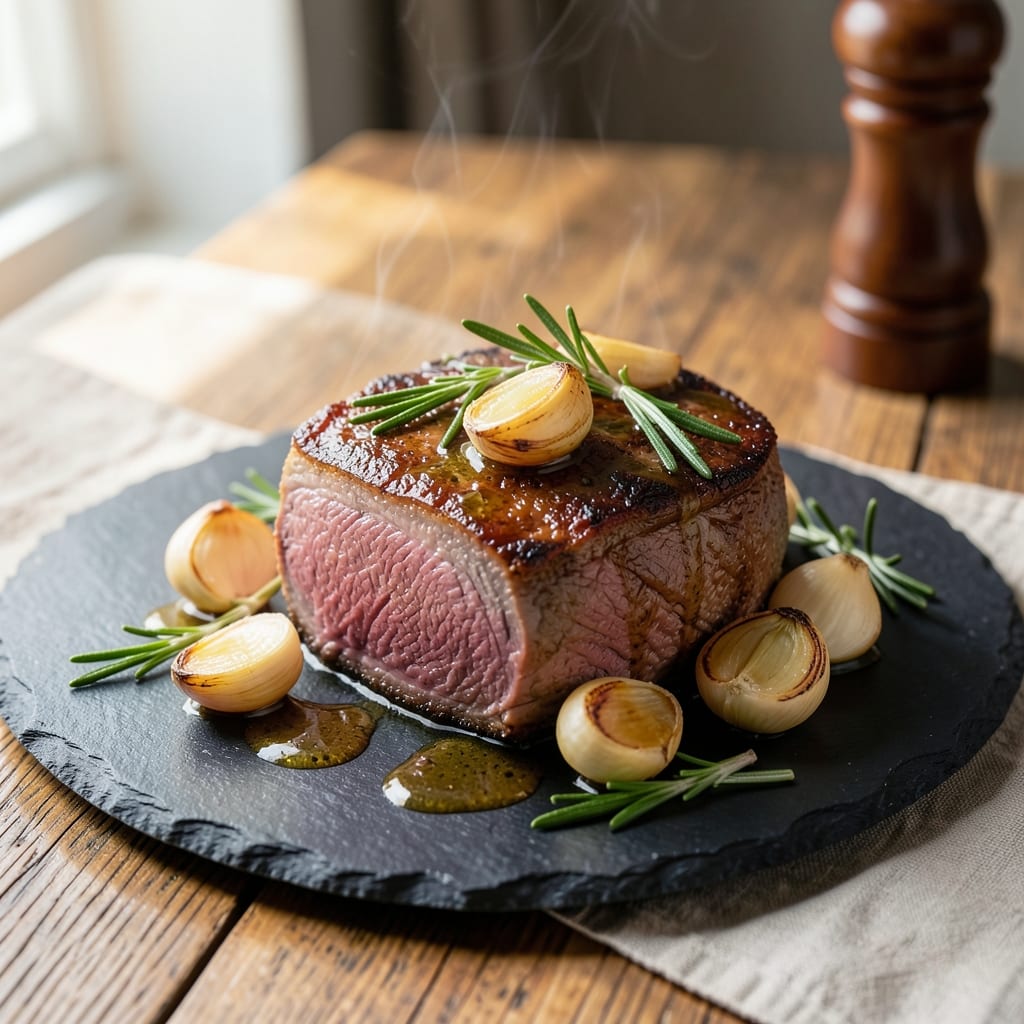
This Barefoot Contessa roast beef recipe delivers that iconic Sunday dinner experience with tender, flavorful beef that feels like a restaurant-quality meal. The secret lies in a simple yet effective marinade and precise roasting technique that guarantees juicy, perfectly seasoned meat every time. I've adapted Ina Garten's approach to make it accessible for home cooks, ensuring you get that signature comfort without the fuss.
What sets this recipe apart is the balance of bold flavors and straightforward preparation. A blend of garlic, rosemary, and black pepper creates a fragrant crust, while slow roasting at the right temperature ensures the beef stays moist and tender. The traditional horseradish cream adds a bright, tangy contrast that makes every bite unforgettable. It's the kind of dish that transforms an ordinary weeknight into a special occasion.
The result is a beautifully browned roast with a rich, savory aroma that fills your kitchen, promising a meal that's both impressive and comforting. The beef will be perfectly cooked to medium-rare, with a crisp exterior and melt-in-your-mouth texture. This is the recipe that makes Sunday dinner feel like a celebration, no matter the day of the week.
Pair it with roasted root vegetables and crusty bread for the full experience. Here's how to make it happen—step by step, just like Ina would.
Ingredients for barefoot contessa roast beef
Six ingredients transform ordinary beef into Sunday dinner perfection—just like Ina Garten's iconic roast.
| Ingredient | Amount | Notes |
|---|---|---|
| Beef Top Round Roast 🥩 | 4 lb | Center-cut, 2-3 inches thick |
| Extra-Virgin Olive Oil 🫒 | ½ cup | For crust development |
| Fresh Rosemary 🌿 | ¼ cup | Finely chopped stems included |
| Garlic Cloves 🧄 | 8 cloves | Smashed but not minced |
| Kosher Salt 🧂 | 2 tbsp | Diamond Crystal preferred |
| Freshly Ground Black Pepper 🌶️ | 1 ½ tbsp | Cracked peppercorns preferred |
| Unsalted Butter 🧈 | ½ cup | Cold, cubed |
| Fresh Horseradish 🌿 | ¼ cup | Grate fresh, not prepared |
| Heavy Cream 🥛 | ½ cup | Full-fat for richness |
| Yellow Onion 🧅 | 1 whole | Thinly sliced for garnish |
| Fresh Parsley 🌿 | 0.1 cup | Chopped, for garnish |
| Red Wine Vinegar 🍷 | 1 tbsp | For horseradish cream |
| Vegetable Oil 🫒 | 2 tbsp | For roasting pan |
| Carrots 🥕 | 2 lb | Whole, for pairing |
| Russet Potatoes 🥔 | 2 lb | Cut into chunks, for pairing |
The beef top round roast is non-negotiable here—its lean yet tender profile delivers that signature melt-in-your-mouth texture. Butcher shops often carry pre-trimmed center-cut roasts, but if selecting your own, insist on a 2-3 inch thick cut. The fresh rosemary and garlic should be vibrant, with no brown stems or musty aromas—Whole Foods or local farmers markets are ideal sources. For the black pepper, cracked peppercorns from Penzeys elevate the dish beyond standard ground pepper, though freshly cracked from a grinder works beautifully too. The horseradish must be freshly grated; prepared horseradish lacks the bright, peppery complexity this recipe demands.
No fresh rosemary? Dried rosemary at one-third the amount works in a pinch, though the flavor will be subtler. Substituting olive oil for butter in the crust? Use an equal amount, but expect slightly less browning. The horseradish cream can be made ahead—store it covered in the fridge for up to 3 days, though fresh is always best. For the roasting vegetables, swap carrots for parsnips or potatoes for sweet potatoes—just ensure even-sized pieces for consistent cooking. The red wine vinegar in the horseradish cream adds depth; if unavailable, balsamic vinegar at half the amount provides a similar tang.
This roast develops best when rested 30 minutes after cooking—resist the urge to slice immediately. The horseradish cream keeps for 4 days in the fridge, though its flavor peaks within the first 24 hours. For meal prep, roast the vegetables ahead and reheat separately. The beef reheats beautifully—slice against the grain, warm in a 350°F oven for 15 minutes, and cover with foil to retain moisture. Leftovers transform into perfect sandwiches the next day, with the crisp crust adding delightful texture.
Why You'll Love This Recipe
- I swear by this: just sear the beef with olive oil, slap on whole garlic cloves and rosemary sprigs, then let the oven do the work. Minimal chopping, zero fuss—just hands-off perfection while you sip wine or fold laundry.
- No-Fuss Prep: I swear by this: just sear the beef with olive oil, slap on whole garlic cloves and rosemary sprigs, then let the oven do the work. Minimal chopping, zero fuss—just hands-off perfection while you sip wine or fold laundry.
- Herb-Crusted Magic: That rosemary and garlic combo? It clings to the beef like a second skin, crisping into fragrant little bits while the meat stays juicy. Honestly, the first time I tasted it, I immediately texted my butcher for more top round.
- Weeknight to Sunday: Same roast for Monday lunches, Friday tacos, or a fancy dinner with crusty bread. Slice it thin for sandwiches, cube it for salads, or serve it cold with pickles—this beef plays well with everything.
Step-by-step instructions for Ina Garten's signature roast beef
Master this classic technique for a perfectly tender, flavorful roast with a golden crust—ideal for Sunday gatherings.
Prep the Beef for Perfect Crust Development
Remove the beef top round roast from the refrigerator and pat it completely dry with paper towels. This step is critical—I can't stress it enough. Any moisture on the surface will prevent that beautiful golden crust from forming. Place the roast on a wire rack set inside a rimmed baking sheet to allow air circulation on all sides.
In a small bowl, combine the extra-virgin olive oil, finely chopped fresh rosemary, smashed garlic cloves, kosher salt, and freshly ground black pepper. Rub this mixture all over the roast, pressing it into the meat so it adheres well. Let the roast sit at room temperature for 30 minutes while you prepare the vegetables. This ensures even cooking throughout.
Prepare the Vegetables and Sear the Beef
Preheat your oven to 325°F. While the oven heats, prepare the vegetables by tossing the 2 lb russet potatoes and 2 lb carrots with 2 tablespoons vegetable oil, 1 tablespoon kosher salt, and 1 teaspoon freshly ground black pepper. Spread them evenly on a separate baking sheet.
Heat a large oven-safe skillet over medium-high heat and add the cold cubed unsalted butter. Let it melt completely, then carefully place the roast in the skillet, fat-side up. Sear for 4-5 minutes until the butter begins to foam and the roast develops a deep golden-brown crust on the bottom. This step creates incredible flavor through the Maillard reaction.
Roast to Perfect Medium-Rare
Transfer the skillet with the roast to the preheated oven. Roast for 2 hours and 15 minutes total, rotating the skillet halfway through cooking. The internal temperature should reach 125°F for medium-rare doneness. Use a meat thermometer to check—this is the only reliable way to ensure perfect results every time.
About 30 minutes before the roast is done, place the prepared vegetables in the oven. They'll roast alongside the beef, absorbing all those delicious meat juices and developing a caramelized exterior. The potatoes and carrots should be tender but not falling apart when pierced with a fork.
Rest and Prepare the Horseradish Cream
Remove the roast from the oven and transfer it to a cutting board. Tent loosely with aluminum foil and let it rest for 20-30 minutes. This resting period is absolutely essential—it allows the juices to redistribute throughout the meat, preventing them from running out when you slice.
While the roast rests, prepare the horseradish cream by combining the grated fresh horseradish, heavy cream, red wine vinegar, and remaining 1 tablespoon kosher salt in a small bowl. Whisk until smooth and set aside. Thinly slice the yellow onion for garnish and chop the fresh parsley.
Carve and Serve with Confidence
After resting, slice the roast against the grain into ¼-inch thick slices. The meat should be tender yet still hold its shape, with a beautiful pink center. Arrange the slices on a platter, drizzle with any accumulated pan juices, and top with the sliced yellow onion and chopped parsley.
Serve the roast with the roasted vegetables and horseradish cream on the side. The combination of the tender beef, caramelized vegetables, and tangy horseradish sauce creates a harmonious balance of flavors. This is the kind of dish that makes Sunday dinner special—simple yet impressive, with every element working together perfectly.
Pro Tips For Making Barefoot Contessa Roast Beef
- Dry the Beef Thoroughly: I learned this the hard way—wiping the roast with paper towels until it’s bone-dry before searing guarantees a crust that sticks to your ribs, not your plate. Skip this, and you’ll end up with a sad, steamy mess instead of that golden, caramelized layer.
- Sear in Batches: High heat. Seriously, crank it up to 450°F and sear the roast in stages—first the flat sides, then the edges—so the garlic and rosemary don’t burn before the meat gets color. I used to rush this, and the herbs would turn bitter. Patience here makes all the difference.
- Salt the Roast Early: Add the kosher salt at least 4 hours before cooking—this lets it penetrate deep and season the meat evenly. I know, I know, but trust the process. You’ll taste the difference when you cut into it later, especially with a leaner cut like top round.
- Use a Meat Thermometer: Pull the roast out at 130°F for medium-rare (yes, even for roast beef—it’ll rise to 135°F while resting). After burning three batches by eyeballing it, I finally figured out that guessing leads to overcooked, chewy beef. A cheap thermometer is your new best friend.
Dietary considerations for this dish
Gluten-Free Adaptations
This roast beef recipe is naturally gluten-free, but there are a few precautions to keep in mind. First, ensure your kosher salt and black pepper are certified gluten-free, as some brands may contain anti-caking agents with wheat. The horseradish cream is safe as written, but if you're using store-bought horseradish, check the label for hidden gluten. For extra security, I always use Diamond Crystal kosher salt, which is typically gluten-free.
When searing the beef in the oven-safe skillet, avoid using flour or cornstarch to thicken any pan drippings. Instead, simply reduce the juices by simmering them uncovered for a few minutes to create a natural glaze. The crust on the roast will develop beautifully without any gluten-containing ingredients. 🌾
Dairy-Free Options
For a dairy-free version, replace the ½ cup unsalted butter used for searing with an equal amount of olive oil or vegetable shortening. The horseradish cream can be made dairy-free by substituting the ½ cup heavy cream with ½ cup coconut cream or a dairy-free alternative like Silk unsweetened almond milk blended with 1 tbsp cornstarch to achieve a similar thickness.
I've tested this substitution and found that coconut cream provides the richest texture, though it does add a subtle sweetness. For a neutral flavor, use a high-quality dairy-free cream alternative. The roast itself remains unchanged, making this adaptation surprisingly simple. 🥥
Low-Carb Considerations
This recipe is already low-carb friendly, especially when paired with the roasted vegetables. To make it even lower in carbs, swap the 2 lb russet potatoes for an equal amount of cauliflower or turnips, which roast beautifully and add a satisfying texture. The carrots can remain as they are, but if you're strict about carb counting, reduce the portion to 1 lb and add more cauliflower or zucchini for balance.
For an extra boost, serve the roast with a side of sautéed spinach or asparagus instead of potatoes. These greens complement the beef perfectly and keep the meal light yet satisfying. The horseradish cream remains a great low-carb option as it's naturally free of carbohydrates. 🥦
Allergen-Friendly Adjustments
If you're accommodating egg allergies, this recipe is already safe as it contains no eggs. For those with nut allergies, be cautious with any store-bought ingredients like horseradish or cream, as some brands may process their products in nut facilities. Always check labels for allergen warnings. The recipe's core ingredients—beef, garlic, rosemary, and vegetables—are typically allergen-free.
For guests with soy allergies, ensure your kosher salt is soy-free, as some brands use soy as an anti-caking agent. The vegetable oil used for roasting the potatoes and carrots can be swapped for avocado oil if needed, though it won't affect the outcome significantly. Always keep a separate set of utensils and surfaces for allergen-friendly cooking to avoid cross-contamination. 🚫
Nutrition facts
Frequently asked questions
Can I use a different cut of beef for this recipe?
The recipe calls for a top round roast because it delivers that perfect balance of tenderness and lean flavor Ina Garten is known for. However, you can substitute with a bottom round roast or chuck roast (though the latter will need longer cooking time). Avoid tender cuts like ribeye or sirloin—they'll dry out at the required 325°F temperature. If using a different cut, adjust the cooking time by 15-30 minutes and check internal temperature with a meat thermometer.
How do I know when the roast is done?
Use a meat thermometer for foolproof results! For medium-rare, aim for an internal temperature of 125°F. Insert the probe into the thickest part of the roast, avoiding the bone if present. The total cooking time will vary slightly depending on your oven, so always rely on temperature rather than time. A properly rested roast will hold its shape beautifully when sliced.
Can I make the horseradish cream ahead of time?
The horseradish cream keeps well in the refrigerator for up to 3 days, though it tastes best when fresh. Store it in an airtight container, and give it a quick whisk before serving to restore its smooth texture. The fresh horseradish flavor actually intensifies slightly after 24 hours of refrigeration, making it perfect for meal prep.
What if my roast turns out dry?
Dry roast beef usually happens from overcooking or not resting properly. First, always use a meat thermometer to avoid overcooking. Second, never skip the 20-30 minute rest time—this allows juices to redistribute. If your roast is slightly dry, try slicing against the grain thinner (1/4-inch slices) and serve with extra horseradish cream to add moisture. For future attempts, consider brining the beef for 1 hour before cooking.
What sides pair best with this roast?
Ina Garten's classic approach includes roasted root vegetables (like carrots and potatoes) as they absorb the beef's juices beautifully. For extra elegance, add a simple green salad with vinaigrette or steamed asparagus. The horseradish cream also works wonderfully with roasted Brussels sprouts or mashed cauliflower. Don't forget crusty bread—it's perfect for soaking up those delicious pan juices!