
Soups & Stews
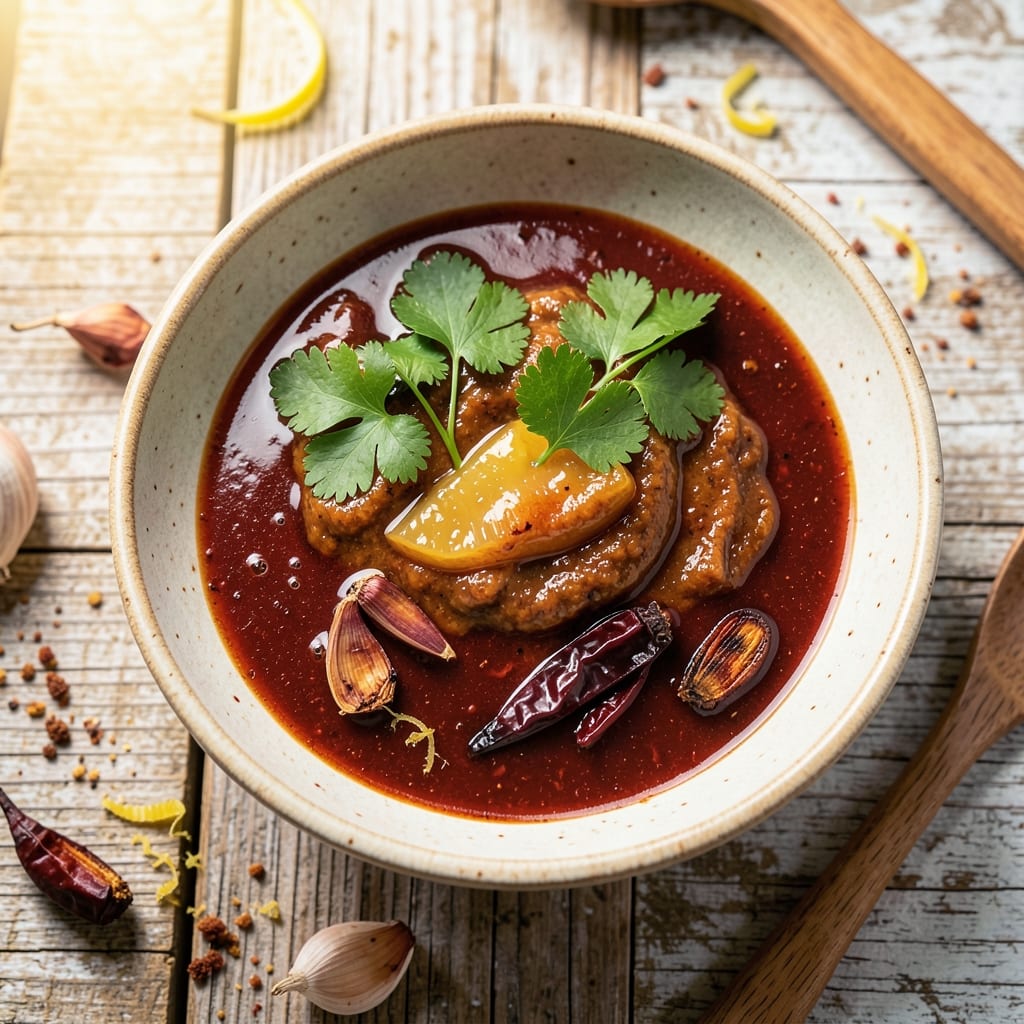
This beef al pastor marinade transforms tough cuts into fork-tender, smoky-sweet strips perfect for taquitos. The secret lies in achiote's vibrant depth, pineapple's natural tenderizing acidity, and a precise blend of spices that mimics Mexico City street carts. I've refined this recipe over years of testing—each ingredient plays a critical role in balancing heat, sweetness, and umami without overpowering the beef's natural richness.
The marinade works through two key processes: the acidic components (pineapple and lime) break down muscle fibers while the achiote and guajillo chiles infuse the beef with their signature colors and flavors. Garlic and cilantro add aromatic complexity, while a touch of vinegar ensures proper preservation. For best results, marinate the beef for 4-24 hours—longer marinating yields more tender results, but even 4 hours delivers noticeable improvement.
What you'll achieve is beef that's impossibly tender yet retains just enough structure to hold its shape when grilled or seared. The marinade's vibrant red-orange hue signals its readiness, while the aroma—smoky, citrusy, and slightly sweet—will have your kitchen smelling like a Mexican street market. This marinade keeps well in the refrigerator for 5 days, making it ideal for meal prep.
The beauty of this marinade lies in its versatility—use it for tacos, burritos, or even grilled beef skewers. The balance of flavors ensures every bite is harmonious, with the sweetness of pineapple and achiote complementing the beef's natural richness. Let's create this flavor bomb that will elevate your al pastor dishes to restaurant-quality standards.
Ingredients for beef al pastor marinade
Pineapple's sweet acidity meets achiote's smoky depth—this marinade transforms tough beef into tender, restaurant-quality taquitos.
| Ingredient | Amount | Notes |
|---|---|---|
| Fresh Pineapple Juice 🍍 | ½ cup | Freshly squeezed for best acidity |
| Achiote Paste 🌶️ | 2 tbsp | Vibrant red-orange color essential |
| Guajillo Chiles 🌶️ | 4 whole | Stems/seeds removed, toasted lightly |
| Garlic Cloves 🧄 | 6 cloves | Freshly minced for aromatic depth |
| Fresh Cilantro 🌿 | ½ cup | Stems included for maximum flavor |
| White Vinegar 💧 | 2 tbsp | Preserves marinade freshness |
| Ground Cumin 🌿 | 1 tbsp | Toasted for deeper aroma |
| Smoked Paprika 🌶️ | 1 tbsp | Adds smoky complexity |
| Fresh Lime Juice 🍋 | 2 tbsp | Brightens overall flavor |
| Brown Sugar 🍚 | 2 tbsp | Balances acidity and heat |
| Olive Oil 🫒 | ¼ cup | Extra-virgin for richness |
| Salt 🧂 | 1 tsp | Kosher salt preferred |
| Black Pepper 🌶️ | ½ tsp | Freshly ground for heat |
The achiote paste is non-negotiable here—it's what gives al pastor its signature vibrant color and earthy depth. Penzeys or Mexican markets carry the best quality, but if you can't find it, annatto seeds ground into a paste work in a pinch (though the flavor won't be identical). Toast your guajillo chiles lightly in a dry pan until fragrant—this deepens their smoky notes without burning. Fresh pineapple juice is essential; canned won't cut it. For the cilantro, stems included means more flavor, but if you're using just leaves, double the amount. The brown sugar might seem excessive, but it's crucial for balancing the heat and acidity—trust me on this.
No achiote? Smoked paprika plus a pinch of turmeric gets you close, though the color will be off. Running low on guajillo chiles? Ancho chiles at half the quantity work well, but they're milder. Fresh lime juice can be swapped for bottled, but Mexican lime juice from the Latin aisle has more punch. The olive oil is where you shouldn't skimp—extra-virgin makes all the difference in richness. If you're making a big batch, double the garlic and cilantro—they're the aromatic backbone. And if you're worried about the vinegar being too harsh, remember it mellows out during marinating, leaving just a subtle tang.
This marinade keeps beautifully—5 days in the fridge, 3 months frozen. For freezing, portion into ice cube trays, then transfer to a bag. When ready to use, thaw overnight in the fridge. The beef will soak up the marinade like a sponge, so use within 24 hours of marinating for peak tenderness. Leftovers? Toss them in a sealed container—they'll keep for 3 days in the fridge. Pro tip: Save the leftover pineapple rinds and char them for a quick salsa verde—zero waste, maximum flavor.
Why You'll Love This Recipe
- Pantry-to-Pan Ready: I swear by this marinade because it uses stuff I already have—no last-minute grocery runs. The guajillo chiles and achiote paste add depth without needing specialty stores, and the pineapple juice? That’s the secret weapon for tenderizing the beef in minutes.
- Sweet Heat Magic: The guajillo chiles give it a smoky warmth, while the pineapple juice cuts through with bright tang. Honestly, the garlic and cilantro finish it off like a flavor hug—every bite has this perfect balance of sweet, spicy, and herby that sticks with you.
- Taco Night Every Night: This marinade turns into tacos, burritos, or even a quick stir-fry. I’ve used it for weeknight dinners, potlucks, and even as a filling for breakfast burritos. The beef stays juicy and flavorful no matter how you serve it.
- Leftovers That Don’t Suck: Between us, most beef marinades turn dry or bland after reheating. Not this one—the achiote and pineapple keep it moist, so I can marinate a big batch on Sunday and use it all week. Plus, it’s cheap to make, so I’m not breaking the bank for flavor.
Step-by-step instructions for beef al pastor marinade
Let's transform these vibrant ingredients into a marinade that delivers melt-in-your-mouth tenderness and bold flavors.
Toast and Rehydrate the Guajillo Chiles
Begin by removing stems and seeds from the 4 whole guajillo chiles. Place them on a dry skillet over medium heat and toast for 30 seconds per side until fragrant and slightly puffed. This step deepens their smoky character. Immediately transfer them to a bowl and cover with hot water for 10 minutes to soften.
While they soak, I like to add a splash of white vinegar to the water—this preserves their vibrant color and prevents bitterness. After soaking, drain the chiles and transfer them to a blender. Here's where the magic starts: you'll see their deep red color transform into a rich, earthy base for your marinade.
Blend the Base Ingredients
Add the toasted guajillo chiles to your blender along with the 0.5 cup fresh pineapple juice, 2 tbsp brown sugar, and 2 tbsp fresh lime juice. The pineapple juice isn't just for sweetness—its acidity helps tenderize the beef while balancing the smoky heat. Blend until completely smooth, scraping down the sides as needed.
Next, add the 2 tbsp achiote paste—this vibrant red-orange paste is the secret to al pastor's signature color and earthy depth. Pulse just until incorporated, then add the 6 cloves garlic cloves and 0.5 cup fresh cilantro (stems included for maximum flavor). The cilantro adds freshness that cuts through the richness of the achiote.
Incorporate Oils and Dry Spices
With the blender running, slowly drizzle in the 0.25 cup olive oil while blending continuously. This emulsifies the mixture, creating a silky marinade rather than a watery one. Add the 1 tbsp ground cumin and 1 tbsp smoked paprika—these spices will infuse the beef with warm, earthy notes and a subtle smokiness that's characteristic of authentic al pastor.
Finally, add the 1 tsp salt and 0.5 tsp black pepper. The salt enhances all the flavors while the pepper adds a subtle heat. Give it one final blend until completely smooth. You should have about 2 cups of marinade—enough to generously coat your beef for maximum flavor penetration.
Marinate for Maximum Tenderness
Transfer the marinade to a bowl and add your beef (typically 2 pounds for this quantity). Coat the beef thoroughly, massaging it to ensure even distribution. Cover and refrigerate for at least 4 hours, but I recommend marinating overnight for truly tender results. The acidity from the pineapple and lime will work its magic, breaking down the muscle fibers while infusing the beef with vibrant flavors.
I always marinate in a sealed container to prevent drying. If you're short on time, even 2 hours will make a noticeable difference in tenderness. The longer it marinates, the more complex the flavors become—you'll taste the sweetness of the pineapple, the smokiness of the guajillo chiles, and the earthy depth of the achiote in every bite.
Pro Tips For Making Beef Al Pastor Marinade
- Toast the Guajillo Chiles: Dry-toast them in a skillet for 30 seconds per side until fragrant—this deepens their smoky flavor and prevents a bitter aftertaste. I used to just soak them cold, but toasting makes the marinade taste like a real taquería. ---
- Strain the Pineapple Juice: Use a fine-mesh sieve or cheesecloth to remove pulp—chunky juice makes the marinade uneven and watery. I learned this after my first batch turned into a chunky sauce instead of a silky base. ---
- Marinate for 12 Hours: The acid in pineapple and achiote needs time to tenderize the beef. Skipping overnight (or even 6 hours) leaves it tough—trust me, I’ve rushed it and regretted it. ---
- Add Cilantro Last: Stir in fresh cilantro just before using—it wilts in acidic marinades, losing its bright flavor. My grandmother swore by this, and it’s the only way to keep that fresh, herby punch.
Pro cooking tips for this dish
Acid Balance Secrets
The pineapple juice and lime juice work together to tenderize the beef, but their acidity can be harsh if not balanced. I always use 2 tbsp lime juice to brighten the marinade, but if you're sensitive to acidity, reduce it to 1 tbsp. The brown sugar isn't just for sweetness—it neutralizes the acidity while adding caramelized depth during cooking. For extra insurance, add 1 tsp honey to the marinade if you're worried about sharpness.
Spice Toasting Tricks
Toast your guajillo chiles and cumin seeds (if using whole) until they're fragrant but not burnt—this releases their essential oils and deepens their flavor. I like to toast the cumin in the same dry skillet as the chiles, then grind it fresh for maximum aroma. For the achiote paste, if it's too thick, thin it with 1 tsp water before blending to ensure smooth incorporation.
Marinating Time Hacks
For 4 hours of marinating, you'll get noticeable tenderness, but flavors won't fully meld. If you're short on time, slice the beef thinly before marinating to speed up flavor absorption. For overnight marinating, I recommend using a ziplock bag or airtight container to prevent leakage. The beef is ready when it's coated evenly and the marinade has absorbed into the fibers.
Equipment Essentials
Your blender is the most critical tool—use a high-powered one like a Vitamix or Ninja for ultra-smooth results. For straining, I like a fine-mesh sieve to remove any chile seeds or herb stems. If you don't have one, a cheesecloth works in a pinch. A meat thermometer helps track doneness later, but for marinating, a simple bowl and whisk will do.
Flavor Boost Shortcuts
Need extra depth? Add 1 tsp coffee to the marinade for a smoky note, or ½ tsp cinnamon for warmth. For a smokier profile, char the pineapple rinds and blend them into the marinade. If you're using pre-made achiote paste, look for brands like Cholula or La Costeña—they're widely available and consistent in quality.
Storage Solutions
Store unused marinade in an airtight container in the fridge for 5 days or freeze it in ice cube trays for up to 3 months. To thaw, place the frozen cubes in a bowl and let them sit at room temperature for 10 minutes before using. For beef, marinate fresh portions only—never reuse marinade that's touched raw meat to avoid cross-contamination.
Nutrition facts
Frequently asked questions
Can I use chicken or pork instead of beef in this marinade?
While this marinade is specifically designed for beef, it works beautifully with pork—just reduce marinating time to 2-3 hours to prevent over-tenderizing. For chicken, use 4 hours max since poultry cooks faster and can become mushy. The acidity will still tenderize, but watch for doneness closely. The flavors shine equally well on all three meats!
What's the best cut of beef for al pastor?
Flank steak or skirt steak are ideal—they're flavorful, tender when sliced thin, and absorb marinades perfectly. For extra tenderness, use a 1-inch thick cut and slice against the grain after cooking. Chuck roast works too but needs longer marinating (24 hours) since it's tougher. Avoid lean cuts like sirloin—they won't get as tender.
Why does my marinade look watery? How can I fix it?
A watery marinade usually means too much liquid or improper emulsification. For quick fixes: simmer the marinade uncovered for 5 minutes to reduce liquid, or blend in 1 tbsp cornstarch mixed with 1 tbsp water until thickened. The olive oil should create a silky texture—if it separates, whisk vigorously or blend again. Store-bought achiote paste sometimes needs thinning with 1 tsp water before blending.
Can I make this marinade without achiote paste?
Yes! Mix 1 tbsp smoked paprika with ½ tsp turmeric for color, though the flavor won't be identical. For depth, add 1 tsp annatto seeds (toasted and ground) or ½ tsp paprika plus ½ tsp cumin. The marinade will lack the signature earthy notes, but it'll still pack flavor. Pro tip: Char 1 tbsp pineapple rinds and blend them in for smokiness to compensate!
How do I know when the beef is properly marinated?
The beef is ready when it's evenly coated and the marinade has absorbed into the fibers (about 4-24 hours). For visual confirmation: press a piece—if it holds its shape but feels slightly softer than raw, it's perfect. The color should be vibrant red-orange from the achiote. If storing longer than 24 hours, cook within 2 days for best texture—acidity continues breaking down fibers over time.