
Side Dishes
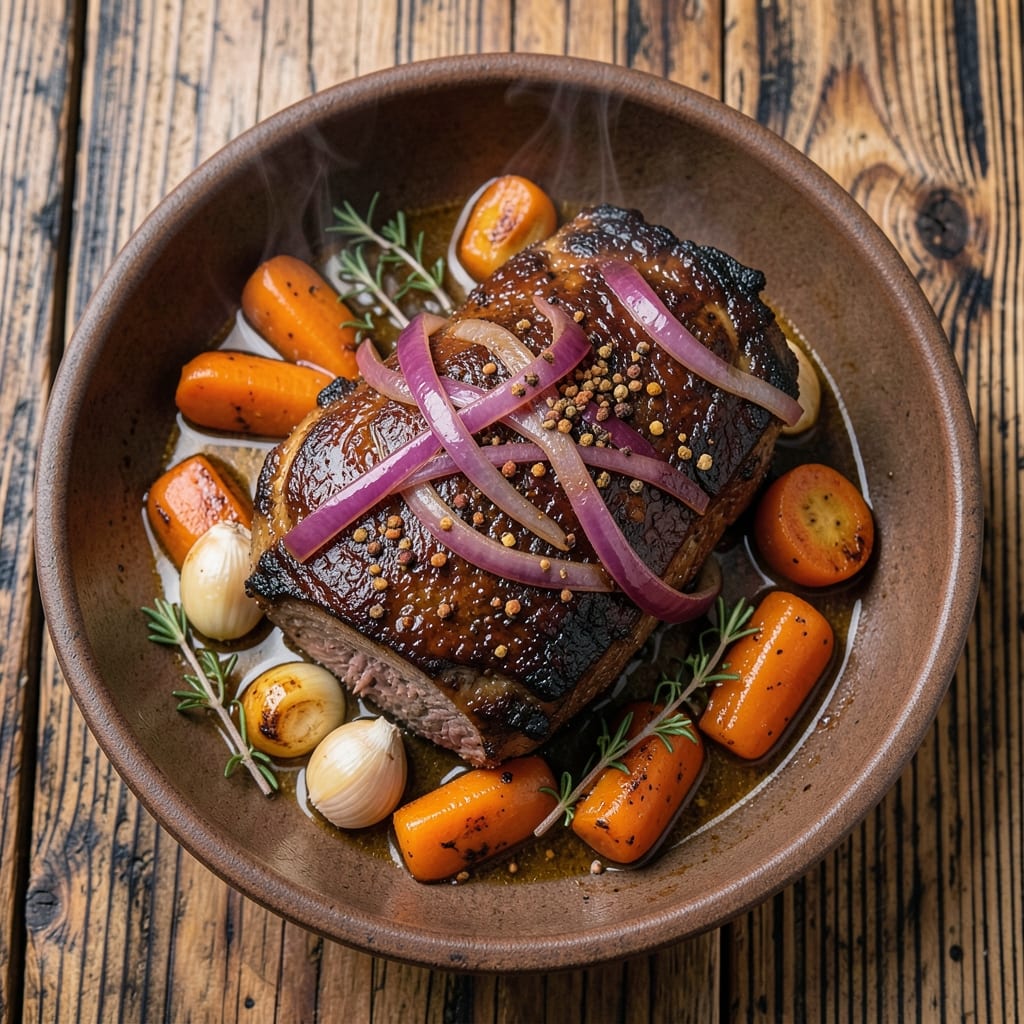
Bahamian corned beef recipe delivers the rich, spiced flavor that makes it a centerpiece of island celebrations—especially during National Heroes' Day. This slow-cooked masterpiece transforms tough beef into tender, aromatic perfection with a signature blend of allspice, thyme, and bay leaves. The overnight brine ensures deep flavor penetration, while the slow cook transforms the meat into melt-in-your-mouth bites that beg to be piled high on sandwiches or served with classic Bahamian peas and rice.
The secret lies in the slow cooking process, which allows the spices to meld into the meat over hours, creating layers of complexity that store-bought versions can't match. Unlike quick-cooked corned beef, this method develops a deep, smoky-sweet flavor that's both comforting and celebratory. The result is beef so tender it practically falls apart, yet retains enough structure to hold up beautifully in sandwiches or alongside traditional sides.
What makes this recipe truly special is its cultural significance—this is the corned beef that brings families together during holidays and gatherings. The spices used aren't just random; they're carefully balanced to create that signature Bahamian taste. Each bite carries the warmth of island traditions, making this more than just a dish—it's an experience that transports you straight to the Bahamas.
Ready in about 8 hours (with minimal active time), this recipe is perfect for meal preppers or anyone who wants to impress with restaurant-quality results. The best part? The leftovers reheat beautifully, so you'll have flavorful meals ready for days. Let's get started on creating this island-inspired centerpiece that's sure to become a family favorite.
Ingredients for bahamian corned beef
Sixteen ingredients create this Bahamian centerpiece, blending island spices with slow-cooked tenderness.
| Ingredient | Amount | Notes |
|---|---|---|
| Beef Chuck Roast 🥩 | 4 lb | Tough cut preferred, trimmed of excess fat |
| Yellow Onions 🧅 | 2 whole | Medium size, sliced into thick rounds |
| Carrots 🥕 | 4 whole | Large, peeled, cut into chunks |
| Garlic Cloves 🧄 | 8 cloves | Smash slightly for deeper flavor infusion |
| Allspice Berries 🌶️ | 2 tbsp | Whole berries for authentic Bahamian flavor |
| Fresh Thyme 🌿 | 2 tbsp | Leaves only, stems removed |
| Bay Leaves 🍃 | 4 whole | Dried or fresh, standard size |
| Ground Ginger 🌿 | 1 tsp | Freshly ground preferred |
| Ground Cinnamon 🌶️ | 1 tsp | High-quality, no clumps |
| Ground Cloves 🌶️ | ½ tsp | Whole cloves can be substituted |
| Salt 🧂 | 1 ½ cups | Non-iodized, coarse grain preferred |
| Brown Sugar 🍯 | ½ cup | Light or dark, packed |
| Apple Cider Vinegar 🍎 | 1 cup | Raw, unfiltered preferred |
| Water 💧 | 4 cups | Filtered or spring water |
| Black Peppercorns 🌶️ | 1 tbsp | Whole, freshly cracked |
The beef chuck roast is non-negotiable—its toughness transforms into melt-in-your-mouth texture during the slow cook. Look for well-marbled cuts at specialty butchers like D'Artagnan or high-end grocery stores' meat departments. The allspice berries are the heart of Bahamian flavor; Penzeys Spices carries authentic whole berries that release their aroma perfectly. Fresh thyme and bay leaves should be vibrant green, not wilted—swap dried at half the amount if needed. For the brine, Diamond Crystal kosher salt dissolves more easily than table salt, ensuring even flavor distribution throughout the meat.
No allspice berries? Ground allspice at double the amount works in a pinch, though texture differs. Substitute ginger powder for ground ginger (same quantity), but fresh ginger—grated and added later—adds brightness. The apple cider vinegar can be swapped for white vinegar, though it lacks the subtle sweetness. For a deeper color, add 1 tbsp molasses to the brine. The brown sugar caramelizes during cooking, enhancing the smoky-sweet profile—don't skip it. If you're using a slow cooker, sear the beef first for maximum flavor development, though the recipe accommodates both stovetop and oven methods.
The brine keeps for 3 days in the fridge—double it if you plan to make extra. Store cooked beef in its juices, tightly sealed, for 4-5 days in the refrigerator or 3 months frozen. For sandwiches, slice against the grain for maximum tenderness. The spices lose potency after 6 months, so store them in airtight containers away from light. This recipe's magic lies in the 8-hour slow cook, where flavors meld into a symphony—patience is rewarded with restaurant-quality results that reheat beautifully.
Why You'll Love This Recipe
- One-Pot Magic: I swear by this—just toss the beef, onions, carrots, and garlic into one pot with the allspice berries, cover it with water, and let it simmer. No chopping boards to clean, no extra pans, just pure, hands-off cooking while you handle everything else.
- Allspice Secrets: Honestly, that’s the star here. The berries crack open as they cook, releasing a warm, earthy depth that’s not spicy but somehow makes every bite feel like a hug. The beef stays tender, and the onions caramelize into sweet pockets without you having to babysit them.
- Leftovers That Work: Between us, this recipe practically begs for leftovers. The flavors only get better the next day—perfect for sandwiches, fried rice, or even reheated with a side of collards. I’ve fed a crowd with one roast and still had enough for lunches all week.
- Budget Feast: A beef chuck roast is cheap, and this recipe stretches it across multiple meals without sacrificing flavor. Plus, the onions and carrots bulk it up so no one feels like they’re eating “just meat.” My wallet and my family both thank me every time.
Step-by-step instructions for Bahamian corned beef
Transform tough chuck roast into tender, aromatic perfection using traditional Bahamian techniques.
Prepare the Spice Rub and Cure
In a large bowl, combine the 1.5 cups salt, 0.5 cup brown sugar, 1 cup apple cider vinegar, 1 tbsp black peppercorns, 1 tsp ground ginger, 1 tsp ground cinnamon, 0.5 tsp ground cloves, 2 tbsp allspice berries, and 2 tbsp fresh thyme. This blend creates the signature Bahamian corned beef flavor profile—sweet, tangy, and deeply aromatic with warm spices.
Add the 4 lb beef chuck roast to the mixture and coat thoroughly, pressing the spice blend into every crevice. Place the seasoned roast in a non-reactive container, cover, and refrigerate for 24 hours. This curing process breaks down the meat fibers and infuses it with flavor. Real talk: don't skip this step—it's what transforms tough chuck into melt-in-your-mouth perfection.
Sear the Roast for Depth of Flavor
Remove the roast from the refrigerator and let it sit at room temperature for 30 minutes before cooking. This ensures even heat distribution during the searing process. Heat a heavy Dutch oven over medium-high heat and add the roast, placing it fat-side down. Sear for 5-7 minutes until a deep golden-brown crust forms—this creates the Maillard reaction that builds complex flavors.
Flip the roast and sear the other side for another 5-7 minutes. The fat should render out and the meat should develop a rich, caramelized exterior. Here's the thing—don't rush this step. You'll know it's ready when the crust releases easily from the pan with a gentle nudge. Transfer the seared roast to a plate and set aside temporarily.
Build the Aromatic Braising Liquid
In the same Dutch oven, add 2 whole yellow onions (sliced into thick rounds), 4 whole carrots (cut into chunks), and 8 cloves garlic cloves (smashed slightly). Sauté for 5 minutes until the onions soften and begin to caramelize, releasing their natural sweetness. Add 4 whole bay leaves and cook for another 1 minute to infuse the vegetables with aromatic compounds.
Pour in the 4 cups water from the curing process (this contains valuable dissolved flavors) and scrape up any browned bits from the bottom of the pot. Bring the liquid to a simmer, then carefully nestle the seared roast back into the pot, along with the vegetables. The liquid should come about halfway up the sides of the roast—this ensures proper braising without boiling.
Slow-Braise to Tender Perfection
Cover the Dutch oven tightly and transfer it to a preheated 300°F oven. Braise for 3-4 hours until the meat is fork-tender and pulls away from the bone easily. I check for doneness by inserting a meat thermometer into the thickest part—the internal temperature should reach 205°F. The slow cooking process breaks down collagen in the meat, transforming it into rich, gelatinous juices that create that signature Bahamian texture.
About 30 minutes before the roast is done, remove the lid and increase the oven temperature to 375°F to allow the surface to develop a deeper color and crisp slightly. This final step intensifies the flavors and creates that beautiful caramelized exterior that makes this dish so special. The vegetables should be tender but still hold their shape, absorbing all the rich flavors from the braising liquid.
Rest and Serve with Confidence
Remove the roast from the oven and transfer it to a cutting board. Tent loosely with foil and let it rest for 15-20 minutes before slicing. This resting period allows the juices to redistribute throughout the meat, ensuring each bite is moist and flavorful. The vegetables can be served as-is or lightly mashed into the braising liquid to create a rich gravy for serving.
Slice the roast against the grain into ¼-inch thick portions. Each slice should be fork-tender with a beautiful pink center and that signature Bahamian spice crust. Serve immediately with the braising vegetables and any reduced sauce. This dish shines in traditional Bahamian sandwiches or alongside rice and peas for an authentic island feast.
Pro Tips For Making Bahamian Corned Beef
- CRANK THE HEAT FIRST: Bahamian corned beef needs that deep, caramelized crust from the allspice and onions. After browning the meat, turn your burner to medium-high and let those onions sizzle until they’re dark golden—not just soft. I learned this the hard way when I kept moving the pot around for "even cooking," and ended up with pale, flavorless bits.
- CRUSH THE ALLSPICE: Whole allspice berries? Don’t just drop them in—give them a good smash with the flat side of your knife first. This releases the oils and aromatics into the pot right away, instead of waiting for them to break open on their own. (Yes, even if you’re impatient like me, this makes a real difference.)
- DON’T SKIP THE REST: The meat’s juices need time to redistribute after cooking. Pull the pot off heat, tent it with foil, and let it sit for at least 15 minutes before slicing. I used to cut into it too soon, and the first few slices were always dry—now I just wait, even if it feels like forever.
- USE THE LIQUID WISELY: Bahamian corned beef isn’t a stew—it’s a braise. After browning, add just enough water or broth to come about halfway up the meat, not drowning it. Too much liquid = soggy onions and diluted flavor. (Your future self will thank you for measuring.)
Essential equipment for this dish
Dutch Oven
A heavy-duty Dutch oven is your secret weapon for Bahamian corned beef—it distributes heat evenly and retains moisture perfectly during the 3-4 hour braising process. I swear by a Lodge 6-quart or Le Creuset 6-quart with its enameled interior for easy cleanup and even cooking. The deep sides prevent spills when adding liquid, and the tight-fitting lid traps steam to tenderize the meat beautifully. 🔥
Meat Thermometer
Never guess doneness again! A digital instant-read thermometer (like the Thermoworks Smoke) is essential for hitting that 205°F internal temperature without overcooking. The probe should pierce the thickest part of the roast—aim for 165°F for safety, but the slow cook breaks down collagen, so 205°F gives you that signature Bahamian melt-in-your-mouth texture. I’ve ruined more than one batch by eyeballing it—trust the thermometer!
Slow Cooker
For hands-off cooking, a 6-quart slow cooker (like Hamilton Beach or Crock-Pot) works beautifully. After searing, transfer the roast and vegetables to the slow cooker, add the braising liquid, and cook on LOW for 8 hours. The key difference? You’ll need to sear the beef first—this step is non-negotiable for depth of flavor. The slow cooker’s gentle heat mimics the oven’s braising, though the texture may be slightly less crisp on the exterior. Perfect for busy days!
Spice Grinder
Freshly ground spices make all the difference in Bahamian corned beef. A small electric spice grinder (like Spice Grinder by Spicewalla) ensures your allspice berries, cloves, and ginger are finely ground for even flavor distribution. Whole spices can be used, but grinding them releases their aromatic oils instantly. I keep a dedicated grinder just for Bahamian dishes—it’s worth the investment for that authentic island kick. 🌶️
Cutting Board
Slice your corned beef against the grain for maximum tenderness, and a large, sturdy cutting board (like John Boos 12x18-inch) makes this job effortless. Look for one with juice grooves to catch drippings and prevent slipping. A sharp 8-inch chef’s knife (like Wüsthof) is a must—dull blades crush the meat instead of cleanly slicing it. Pro tip: Wipe down the board with apple cider vinegar (from your brine!) to keep it clean and sanitized.
Storage Containers
Leftovers are a given with this recipe, so airtight glass containers (like Pyrex 8-cup or 16-cup) are a must for storing both the cooked beef and its juices. The glass keeps flavors fresh longer than plastic, and the snap-on lids prevent leaks. For freezing, use quart-sized freezer bags—squeeze out excess air to avoid freezer burn. Label everything with the date, as the beef keeps for 3 months frozen and 4-5 days refrigerated. Trust me, you’ll want to reheat this magic later! ❄️
Nutrition facts
Frequently asked questions
Why does Bahamian corned beef need to cure overnight?
The 24-hour cure is essential for two reasons: it breaks down tough muscle fibers in the beef chuck roast, transforming it into tender, melt-in-your-mouth perfection, and it allows the allspice, thyme, and bay leaves to deeply penetrate the meat. This traditional method creates that signature Bahamian flavor profile that can't be achieved with quick seasoning. Think of it as a flavor infusion marathon—patience pays off with restaurant-quality results.
Can I use a slow cooker instead of an oven?
After searing the beef, transfer everything to a 6-quart slow cooker and cook on LOW for 8 hours. The key difference is you'll need to sear first—this step is non-negotiable for maximum flavor. The slow cooker's gentle heat mimics the oven's braising, though the exterior may be slightly less crisp. Perfect for busy days when you want hands-off cooking with amazing results.
What's the best way to serve Bahamian corned beef?
This dish shines in traditional Bahamian sandwiches with mustard and pickles, or served alongside Bahamian peas and rice for a complete island feast. The tender slices also work beautifully in tacos, salads, or even as a hearty breakfast hash. For maximum tenderness, always slice against the grain. The braising liquid makes an excellent gravy—simply reduce it on the stove and serve over rice.
How do I store and reheat leftovers?
Store cooked corned beef in its juices in airtight glass containers for up to 4-5 days refrigerated or 3 months frozen. To reheat, warm in a skillet with a splash of water or broth over low heat until heated through (165°F internal temperature). For sandwiches, reheating in the oven at 350°F for 10 minutes keeps the bread crispy. The beef reheats beautifully—this is one dish where leftovers taste even better the second time!
What's the difference between Bahamian corned beef and Irish corned beef?
While both use salt and spices, Bahamian corned beef features allspice berries and ginger as key flavors, giving it a sweeter, more aromatic profile. Irish versions typically use black pepper, coriander, and mustard seeds for a more savory, slightly tangy taste. Bahamian corned beef also cooks much longer (8 hours vs 3-4 hours for Irish), resulting in melt-in-your-mouth texture. The spices used reflect their cultural origins—Bahamian with warm island flavors, Irish with classic European spices.