
Main Courses
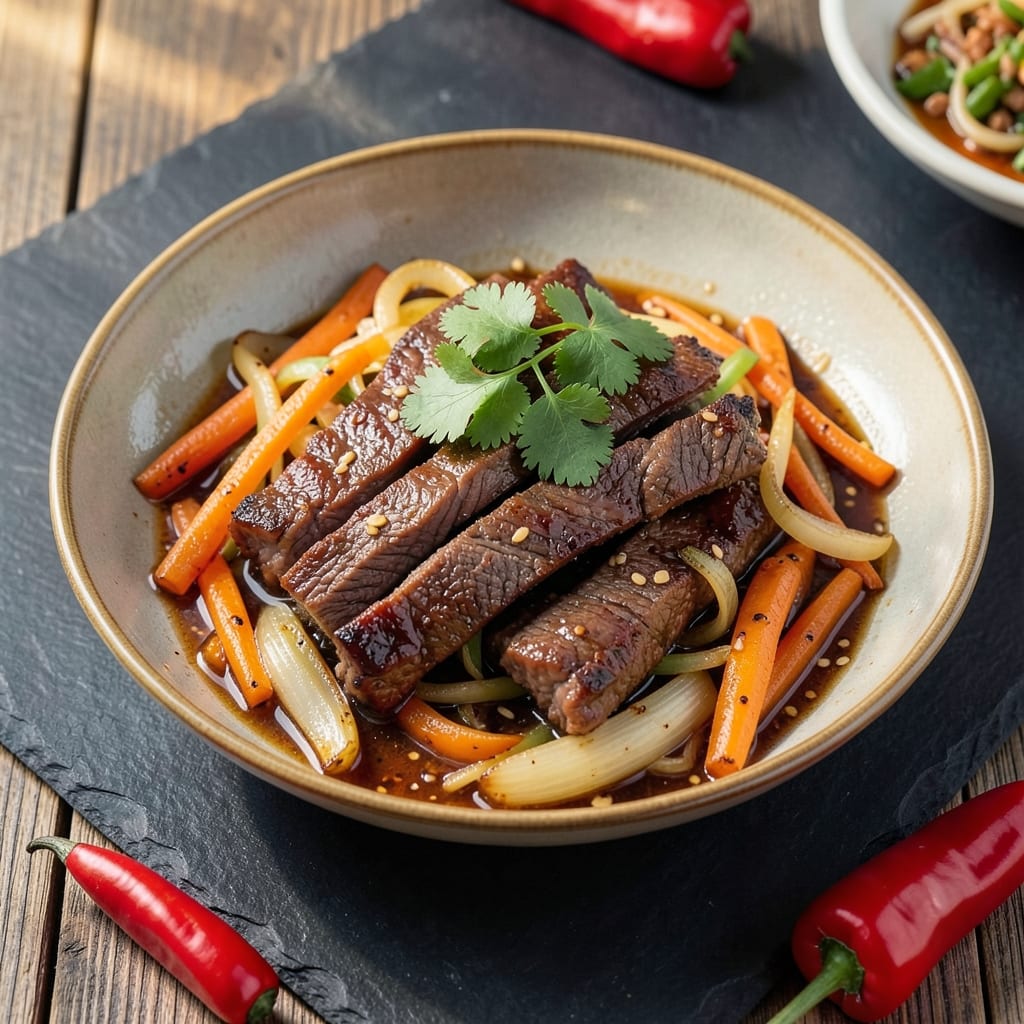
This awesome beef stir fry recipe delivers restaurant-quality wok hei in just 20 minutes, balancing tender beef, crisp vegetables, and a savory sauce that packs umami punch. The secret lies in high-heat searing and proper sauce layering—techniques that transform simple ingredients into a dish worthy of your favorite Asian bistro. I developed this recipe after years of testing what makes stir-fry truly exceptional, and it never fails to impress.
The magic starts with thinly sliced beef that cooks quickly over high heat, developing a caramelized crust while staying tender inside. Fresh vegetables add crunch and color, while a homemade sauce—sweet, tangy, and slightly spicy—ties everything together. What you end up with is a perfectly balanced meal: protein-rich, vegetable-packed, and bursting with flavor in every bite. This isn't just another stir-fry; it's a foolproof method that delivers professional results at home.
Ready in under 20 minutes, this recipe is perfect for weeknight dinners when you crave something exciting but don't have hours to spend in the kitchen. The sauce is simple to make with pantry staples, and the cooking process is streamlined for efficiency without sacrificing flavor. Serve it over steamed rice or noodles for a satisfying, well-rounded meal that's as nutritious as it is delicious.
Whether you're feeding a family or cooking for two, this beef stir fry scales effortlessly. The technique is adaptable—swap vegetables based on seasonality or preference, and adjust the sauce to your spice tolerance. Once you master this method, you'll never settle for takeout again. Let's get cooking!
Ingredients for awesome beef stir fry
High-heat magic starts with these 15 ingredients—thinly sliced beef, crisp veggies, and a sauce that packs umami punch.
| Ingredient | Amount | Notes |
|---|---|---|
| Flank Steak 🥩 | 1 ½ lb | Thinly sliced against grain |
| Yellow Onion 🧅 | 1 whole | Thinly sliced, outer layer removed |
| Carrots 🥕 | 2 medium | Julienned into matchsticks |
| Bell Peppers 🍅 | 2 whole | Assorted colors, sliced into strips |
| Garlic Cloves 🧄 | 6 cloves | Minced, fresh preferred |
| Fresh Ginger 🌿 | 1 ½ inch | Peeled, grated |
| Soy Sauce 🥢 | ½ cup | Low-sodium preferred |
| Honey 🍯 | 2 tbsp | Pure, for balance |
| Rice Vinegar 🍶 | 2 tbsp | Seasoned preferred |
| Sesame Oil 🫒 | 1 tbsp | Toasted, for aroma |
| Vegetable Oil 🫒 | 3 tbsp | High smoke point |
| Red Pepper Flakes 🌶️ | 1 tsp | Adjust for heat preference |
| Salt 🧂 | 1 tsp | Kosher or sea salt |
| Black Pepper 🌶️ | ½ tsp | Freshly ground |
| Green Onions 🧅 | 4 whole | Thinly sliced, for garnish |
The beef is non-negotiable—flank steak gives you that perfect wok-hei texture when sliced thin against the grain. Costco or Whole Foods usually carry it pre-sliced, but if not, invest in a sharp knife or ask your butcher to do it. For the ginger, fresh is a must—it adds brightness that powdered can't match. Look for plump, firm ginger roots with smooth skin. The bell peppers? Assorted colors make it prettier, but any variety works. Just make sure they're crisp—no mushy ones. And those green onions? Save the tops for garnish—they're the finishing touch that ties everything together.
No flank steak? Sirloin or ribeye work too, but slice it paper-thin. Short on soy sauce? Coconut aminos or tamari are great swaps. The honey can be subbed with maple syrup or brown sugar dissolved in water. For extra heat, Sichuan peppercorns or gochujang add complexity. Fresh ginger too spicy? Use half the amount and add a pinch of sugar to balance. The veggies can be swapped based on what's seasonal—snap peas, broccoli, or water chestnuts all hold up well. Just avoid anything too soft like zucchini.
Prep the beef and veggies first—everything should be sliced uniformly for even cooking. Store the raw beef in an airtight container with a paper towel to absorb moisture, and use within 2 days. The sauce keeps for 5 days in the fridge, but the ginger and green onions should be added fresh before serving. This reheats beautifully—high heat for 2-3 minutes in a wok or skillet restores that crisp-tender texture. Double the recipe? It freezes well for up to 3 months—just thaw overnight in the fridge before reheating.
Why You'll Love This Recipe
- Knife-Free Prep: I swear by this trick—slice the flank steak thin before cooking, then just toss the prepped veggies (onion, carrots, peppers) into the pan while it heats. Five minutes of chopping max, and honestly? The steak stays juicier this way.
- Umami Bomb: That garlic and soy sauce combo? Chef’s kiss. The flank steak develops this perfect crispy edge while staying tender inside, and the carrots caramelize just enough to add sweetness. (Yes, even on a Tuesday night.)
- Lunchbox Hero: Make a double batch—this stir fry reheats like a dream for lunches. Pack it in containers with rice, and you’ve got a protein-packed meal that’ll save you from sad desk salads. My daughter picks out the peppers first, but still asks for seconds.
- Budget Flex: Flank steak’s affordable, and the veggies stretch far. Use half the onion for another meal, or swap in whatever’s cheap at the store. Between us, this recipe’s my go-to when I’m pinching pennies but still want flavor.
Step-by-step instructions for wok-hot umami crunch in 20 minutes
Here's how to transform simple ingredients into a restaurant-quality stir fry with bold flavors and perfect texture.
Prep All Ingredients for Maximum Flavor
Start by slicing the 1.5 lb flank steak thinly against the grain into ¼-inch thick strips. This ensures tender bites that cook quickly in the wok. While you work, thinly slice the 1 whole yellow onion and the 2 whole bell peppers into ¼-inch strips—uniform size means even cooking. Julienne the 2 medium carrots into matchsticks, and mince the 6 cloves garlic and grate the 1.5-inch fresh ginger. The reason for this prep is simple: everything needs to cook at the same speed, and precise cuts guarantee that.
In a small bowl, whisk together the 0.5 cup soy sauce, 2 tbsp honey, 2 tbsp rice vinegar, 1 tbsp sesame oil, 1 tsp red pepper flakes, 1 tsp salt, and 0.5 tsp black pepper. This marinade-sauce combo will add depth and balance to the dish. Thinly slice the 4 whole green onions for garnish—save these until the very end to keep them vibrant.
Sear the Beef for Deep Flavor
Heat a wok or large skillet over high heat until it's screaming hot. Add 2 tbsp vegetable oil and swirl to coat. Working in batches if needed, add the sliced flank steak and sear for 1-2 minutes until the edges turn deep brown and the meat releases easily from the pan. Remove the beef and set it aside—this step is crucial for building that wok-hei flavor, the signature smoky aroma of properly seared stir fry.
In the same wok, add another 1 tbsp vegetable oil and stir in the garlic and ginger. Cook for 30 seconds until fragrant—this releases their essential oils and prevents a raw taste in the final dish. Add the onion, bell peppers, and carrots, stirring constantly for 3-4 minutes until the vegetables soften but still retain a crisp bite. The goal here is to cook them just enough to take the edge off while preserving texture.
Combine Everything for Perfect Balance
Return the seared beef to the wok and pour in the prepared sauce. Stir everything together vigorously for 2-3 minutes until the sauce coats the beef and vegetables evenly. The heat will cause the sauce to reduce slightly, intensifying the flavors. Taste and adjust seasoning if needed—you might want to add a splash of water or a bit more soy sauce for the perfect balance of sweet, salty, and tangy.
Here's where it gets exciting: as the sauce thickens, the stir fry will transform from a simple mix of ingredients into a cohesive, flavorful dish. Watch for the sauce to coat the back of a spoon—this is your signal that it's ready. If the mixture seems too thick, add 1-2 tablespoons of water to loosen it slightly. The sauce should cling to the beef and vegetables without being gluey.
Finish and Serve with Garnish
Once the stir fry is perfectly coated and the sauce has thickened to your liking, remove it from heat. Transfer to a serving platter and immediately garnish with the thinly sliced green onions. Their fresh, bright flavor cuts through the richness of the dish and adds a pop of color. Serve the stir fry hot, straight from the wok, with steamed rice or noodles to soak up every last bit of that umami-packed sauce.
This stir fry is best enjoyed immediately, while the beef is still tender and the vegetables retain their slight crunch. The combination of seared beef, sweet and tangy sauce, and vibrant vegetables creates a dish that's both satisfying and balanced. Don't be afraid to adjust the seasoning to your taste—this is your chance to make it perfectly yours.
Pro Tips For Making Awesome Beef Stir Fry
- Slice Steak Against the Grain: Flank steak’s tough fibers run diagonally, so cutting them perpendicular (not parallel) guarantees tender bites. I used to eyeball it and ended up with chewy strips—now I mark the grain with a knife first, then slice thinly. This isn’t the prettiest method, but it’s the tastiest.
- Prep Veggies Unevenly: Carrots and bell peppers don’t need perfect uniformity—cut them into 1-inch chunks and ½-inch slices respectively. The onions? Quarter them and leave the root intact so they don’t turn to mush. Sounds weird, but it works: softer veggies balance the chew of the steak.
- Don’t Overcrowd the Pan: After searing the steak, resist the urge to dump everything in at once. Cook the onions and garlic first until softened, then add peppers and carrots in batches. I learned this the hard way—my stir-fry turned into a sad, steamed mess when I ignored the pan’s capacity.
- Rest the Steak First: Slice the flank steak before stir-frying? Nope. Cook it to medium-rare (130°F internal), then tent it with foil for 5-10 minutes. This locks in juices—skip it, and your stir-fry will be dry, even if the steak looks perfect. (Yes, even if you’re impatient like me.)
Creative variations of awesome beef stir fry
Spicy Sichuan Twist
For a bold kick, add 1 tbsp Sichuan peppercorns (toasted and crushed) and 2 tbsp doubanjiang (fermented chili bean paste) to the sauce. The numbing spice of Sichuan peppercorns pairs perfectly with the heat, creating a complex flavor profile. I like to toast the peppercorns in a dry pan for 30 seconds until fragrant before grinding them. Serve with extra chili oil on the side for dipping. 🌶️
Sweet & Tangy Fusion
Swap the honey for 2 tbsp hoisin sauce and add 1 tbsp lime juice to the sauce for a sweet-tangy fusion twist. This variation works especially well with snap peas and mushrooms>—they add a delightful contrast in texture. Garnish with crushed peanuts for extra crunch and a nutty depth. I love this version with jasmine rice for a fragrant, aromatic experience. 🍯
Vegetarian Protein Swap
Replace the beef with 1 lb extra-firm tofu (pressed and cubed) or 1.5 lb king oyster mushrooms> (sliced lengthwise). For tofu, pan-fry until golden before adding to the stir fry. The mushrooms add a meaty texture when cooked properly. Boost the umami with 1 tbsp oyster sauce> in the sauce mixture. This version is just as satisfying and packed with plant-based protein. 🌱
Asian-Inspired Noodle Bowl
Turn this stir fry into a noodle bowl by cooking 8 oz rice noodles> (or spaghetti) separately and tossing the stir fry ingredients with them. Add 1 cup bean sprouts> for freshness and a fried egg> on top for richness. Drizzle with extra sauce and garnish with sesame seeds> and cilantro>. This makes for a hearty, one-bowl meal that's perfect for lunch or dinner. 🍜
Winter Root Vegetable Version
Swap the summer veggies for hearty winter options: daikon radish> (julienned), parsnips> (matchstick-cut), and shiitake mushrooms> (sliced). Add 1 tsp five-spice powder> to the sauce for warmth. This version is comforting and perfect for colder months when you crave something hearty. The daikon radish adds a lovely crunch that holds up well to the high-heat cooking. ❄️
Quick Weeknight Shortcut
Save time by using pre-sliced stir-fry vegetables> from the grocery store and pre-marinated beef> (found in the freezer section). Skip the fresh ginger and use ½ tsp ground ginger> instead. The sauce can be pre-made and stored in the fridge for up to 5 days>. This version cuts prep time in half without sacrificing flavor—ideal for busy weeknights when you still want a restaurant-quality meal. ⏰
Nutrition facts
Frequently asked questions
Can I use a different cut of beef instead of flank steak?
Sirloin or ribeye work beautifully—just slice them paper-thin against the grain for tenderness. Skirt steak is another great option, though it has a stronger flavor. Avoid tougher cuts like chuck; they won't achieve that perfect wok-hei texture. For extra tenderness, marinate the beef for 15-30 minutes in soy sauce before cooking.
How do I prevent the beef from getting chewy?
Overcooking is the #1 culprit! Sear the beef in 1-2 minutes over high heat until just browned, then remove it immediately. The key is high heat + quick cooking—never let it sit in the pan. Also, slice thinly against the grain (¼-inch max) so the fibers shorten during cooking. If using frozen beef, thaw it first in the fridge overnight.
Can I make this stir fry ahead of time?
Yes, but with a few tweaks! Prep the sauce and chop all veggies 1 day ahead and store in airtight containers. Cook the beef and veggies fresh, then toss with pre-made sauce. For leftovers, refrigerate for up to 3 days—reheat over medium-high heat for 2-3 minutes with a splash of water to restore moisture. The texture won't be as crisp, but the flavors stay delicious!
What's the best way to add extra veggies?
Add harder veggies first (like carrots or bell peppers) since they need more time, and softer ones last (like snap peas or mushrooms). For extra crunch, toss in bean sprouts or water chestnuts in the final 1 minute of cooking. Avoid overcrowding the pan—cook in batches if needed to maintain high heat. Seasonality matters too: zucchini or corn work in summer, while shiitake mushrooms or daikon shine in winter.
Why does my sauce turn watery?
Sauce gets watery when it's too thin or the ingredients release too much moisture. Use low-sodium soy sauce (it's less diluted) and reduce the sauce on high heat for 1-2 minutes before adding it to the stir fry. If needed, simmer the sauce alone first to thicken it. Also, pat all veggies dry before cooking to prevent excess liquid. For extra thickness, add 1 tsp cornstarch mixed with water to the sauce.