
Sauces & Condiments
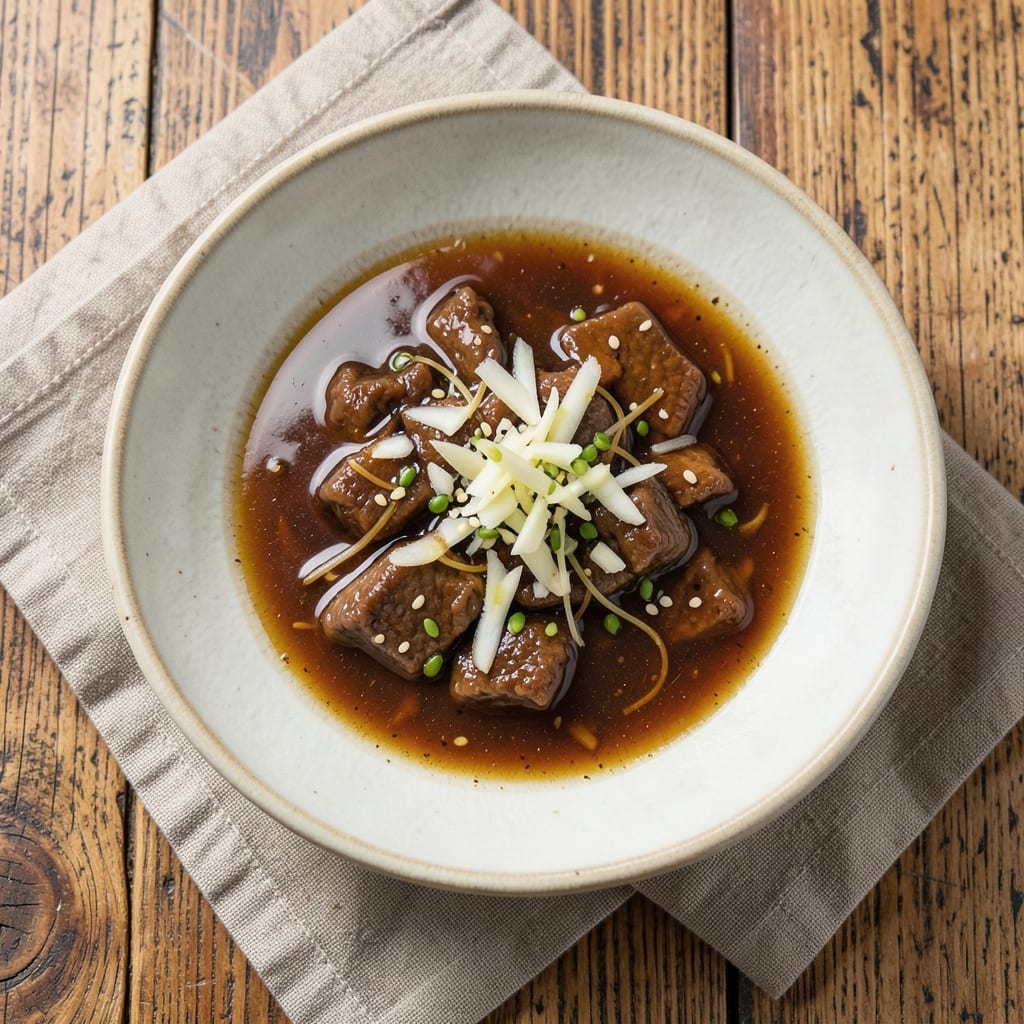
This Asian beef stir-fry sauce recipe transforms ordinary stir-fries into restaurant-quality meals with just 10 minutes of active time. The secret lies in balancing bold flavors—salty soy, umami oyster sauce, and a touch of sweetness—while keeping the sauce silky and versatile. I developed this blend after years of testing, and it never fails to elevate beef, chicken, or even tofu dishes with that signature Asian depth.
The beauty of this sauce is its simplicity: no fancy ingredients, just pantry staples like soy sauce, ginger, garlic, and a hint of honey. We'll simmer everything together until it thickens slightly, creating a glossy, clingy sauce that coats every bite perfectly. The result? A sauce so flavorful it works as a marinade, stir-fry glaze, or even a dipping sauce for spring rolls.
What makes this recipe truly special is its adaptability. Use it for quick weeknight stir-fries, tenderize meat overnight, or drizzle it over noodles for instant restaurant vibes. The sauce keeps well in the fridge for up to a week, so you can make a big batch and have it ready whenever cravings strike.
Once you taste the difference between homemade and store-bought, you'll never go back. Let's create this sauce that turns simple proteins into something extraordinary.
Ingredients for asian beef stir fry sauce
Pantry staples that pack restaurant-level umami flavor in minutes—no shortcuts needed.
| Ingredient | Amount | Notes |
|---|---|---|
| Soy Sauce 🥢 | ½ cup | High-quality light soy preferred |
| Oyster Sauce 🦪 | ¼ cup | Kikkoman or Lee Kum Kee brand |
| Honey 🍯 | 2 tbsp | Pure clover honey preferred |
| Rice Vinegar 🍶 | 2 tbsp | Seasoned rice vinegar works best |
| Sesame Oil 🫒 | 1 tbsp | Toasted sesame oil for aroma |
| Fresh Ginger 🌿 | 1 tbsp | Finely grated, fresh preferred |
| Garlic Cloves 🧄 | 3 cloves | Minced finely for smooth texture |
| Cornstarch 🌾 | 1 tsp | For thickening consistency |
| Sesame Seeds 🌰 | 1 tsp | Toasted for garnish and crunch |
| Red Chili Flakes 🌶️ | ½ tsp | Adjust for heat preference |
The soy and oyster sauces are your flavor anchors. Kikkoman soy sauce or Lee Kum Kee oyster sauce are my go-tos—they've got that perfect balance of saltiness and depth. Grab the light soy, not dark, for this recipe. Fresh ginger and garlic? Don't use jarred minced—it's got weird stuff in it. Buy a small knob of ginger and a few cloves of garlic, grate and mince them yourself. The difference is night and day. For the honey, clover is the most versatile—it's mild enough to not overpower the other flavors but sweet enough to round everything out. If you're at Trader Joe's, their sesame oil is unbeatable for this sauce.
No oyster sauce? Hoisin sauce at half the amount works in a pinch. Short on ginger? Ginger powder at one-third the amount gets you close, but fresh is ideal. The cornstarch is non-negotiable for that silky texture—it's what makes this sauce cling to your stir-fry instead of pooling at the bottom. Want it spicier? Add a dash of Sriracha or sambal oelek instead of chili flakes. The sesame seeds? Toast them in a dry pan for 30 seconds first—they'll add so much more flavor. And if you're making a big batch, double the cornstarch to account for any extra liquid from fresh ingredients.
This sauce keeps beautifully—1 week in the fridge sealed in a jar, or 3 months in the freezerback of your fridge where it's coolest to preserve those fresh flavors longer.
Why You'll Love This Recipe
- Pantry Magic: I swear by this sauce—no fancy shopping needed. Just pull those five staples (soy, oyster, honey, vinegar, sesame oil) from your cupboard, stir, and boom. That’s it. No hidden ingredients, no last-minute grocery runs.
- Umami Bomb: Here’s what sells me—the oyster sauce and soy sauce team up for this deep, savory punch that clings to beef like it’s been simmering for hours. The honey cuts through with just enough sweetness, while the rice vinegar keeps it bright. (Yes, even on a Tuesday night.)
- Meal Prep MVP: This sauce doubles as my weeknight lifesaver. Use half for stir-fry and freeze the rest for takeout nights or quick noodle bowls later. It’s the kind of thing that turns a sad fridge into a full meal—no stress, just flavor.
- Budget Flex: I make this for $3 a batch, and it stretches across three meals. That sesame oil? A little goes a long way. Honestly, it’s the kind of recipe that makes me feel like I’m feeding a crowd without breaking the bank.
Step-by-step instructions for Asian beef stir fry sauce
Here's how to craft a restaurant-quality sauce that balances sweet, salty, and umami in minutes.
Prepare the Aromatics and Base Sauce
In a small bowl, finely grate the 1 tablespoon of fresh ginger using a microplane or the smallest holes on a box grater. I like to press the grated ginger through a fine-mesh strainer to remove any fibrous bits—this ensures a silky texture in your sauce. In the same bowl, mince the 3 cloves of garlic using a sharp knife or garlic press until you have a smooth paste.
Transfer both the grated ginger and minced garlic to a small saucepan. Add the 0.5 cup soy sauce and 0.25 cup oyster sauce, then bring to a gentle simmer over medium heat. Let it cook for 3-4 minutes until the mixture reduces slightly and the aromatics soften. This step builds the foundational umami flavor—don't rush it, as the heat helps meld the ingredients.
Sweeten and Balance the Flavors
Reduce the heat to low and stir in the 2 tablespoons of honey and 2 tablespoons of rice vinegar. The vinegar adds brightness that cuts through the richness of the soy and oyster sauces. Let the mixture simmer for another 2-3 minutes, stirring constantly, until the honey dissolves completely and the sauce begins to thicken slightly. You'll notice a beautiful glossy sheen develop—this indicates the flavors are integrating perfectly.
Taste the sauce at this stage. It should have a deep, savory base with hints of sweetness and acidity. If it needs more balance, you can adjust by adding a splash more rice vinegar for tang or a teaspoon of honey for sweetness. This is your chance to tailor the sauce to your preference before moving forward.
Incorporate the Oil and Spice
Remove the saucepan from heat and let it cool for 1 minute to prevent the sesame oil from scorching. Stir in the 1 tablespoon of sesame oil and 0.5 teaspoon of red chili flakes. The sesame oil adds a nutty aroma and depth, while the chili flakes introduce a subtle heat that enhances the overall complexity. Give it a final taste—you should now have a harmonious blend of sweet, salty, umami, and a touch of spice.
In a small bowl, whisk together the 1 teaspoon of cornstarch with 1 tablespoon of cold water until smooth. Slowly pour this slurry back into the saucepan while stirring constantly over low heat. The sauce will begin to thicken almost immediately—simmer for another 1-2 minutes until it reaches a glossy, coatable consistency. It should cling to the back of a spoon without being gluey.
Finish and Store
Transfer the sauce to a small bowl and let it cool slightly. Toast the 1 teaspoon of sesame seeds in a dry skillet over medium heat for 1-2 minutes until they turn a rich golden brown and release their aroma. Immediately sprinkle them over the sauce to add a final crunchy texture and nutty depth.
For immediate use, your sauce is ready to elevate any stir-fry. For storage, transfer it to an airtight container and refrigerate for up to 1 week. To use later, simply reheat in a small saucepan over low heat while stirring until warmed through. This sauce keeps beautifully and makes a fantastic base for quick weeknight meals—just add it to your stir-fry at the end for maximum flavor impact.
Pro Tips For Making Asian Beef Stir Fry Sauce
- Whisk Before Heating: I learned this the hard way—adding honey and soy sauce to a cold pan makes it clump like glue. Stir everything together in a small bowl first, then pour into the hot wok. The sauce will blend smoother and coat the beef evenly, not separate into sticky patches. ---
- Use Cold Oyster Sauce: Warm oyster sauce too soon, and it turns grainy. Keep it in the fridge until the very end, then drizzle it in just before tossing with the beef. This keeps the sauce silky and prevents that sad, lumpy texture that ruins the whole dish. ---
- Skip the Vinegar Too Early: Rice vinegar cuts through the richness, but add it last—right when you’re plating. If you toss it in too soon, the acid will cook off and leave your sauce tasting flat. A quick splash at the end brightens every bite. ---
- Toast Sesame Oil Separately: Sesame oil burns fast. Heat it in a tiny separate pan until it just shimmers (30 seconds max), then turn off the heat and pour it over the finished stir-fry. This adds aroma without turning your sauce bitter—no more sad, burnt oil notes.
Wine and beer pairings for this asian beef stir fry sauce
Rice Wine Pairings
For an authentic Asian dining experience, pair this sauce with a crisp dry Chinese rice wine like Moutai or Shaoxing wine. The subtle sweetness and nutty notes of these wines complement the sauce's umami depth while cleansing your palate between bites. Serve slightly chilled to enhance the wine's refreshing qualities. 🍶
Japanese Sake Options
A dry junmai sake (like Dassai 23 or Gekkeikan 17) works beautifully with this stir-fry sauce. The sake's clean finish and delicate rice notes harmonize with the sauce's sweet-savory profile. Opt for a fruity ginjo-style sake if you prefer more complexity. Chill the sake to 45°F before serving for the best balance.
Light Beer Pairings
For beer lovers, a crisp Japanese lager such as Asahi Super Dry or Sapporo provides a refreshing contrast. The beer's subtle maltiness won't overpower the sauce but instead enhances its umami richness. Alternatively, a light wheat beer like Sapporo Hazy Little Thing adds a subtle citrus note that brightens the dish.
White Wine Alternatives
If you prefer wine, a dry Riesling (like Dr. Loosen Blue Slate) offers a perfect match. Its bright acidity and hint of honeyed apple complement the sauce's sweet and tangy elements. For a lighter option, a Sauvignon Blanc with its citrusy notes provides a refreshing balance. Serve both wines well-chilled at 45-50°F.
Non-Alcoholic Options
For a non-alcoholic pairing, try sparkling yuzu soda or green tea iced tea. The effervescence and citrus notes of yuzu soda cleanse the palate, while the earthy sweetness of green tea enhances the sauce's umami. Both options keep the meal refreshing and balanced without alcohol. 💚
Nutrition facts
Frequently asked questions
Can I make this sauce without oyster sauce?
Replace the 0.25 cup oyster sauce with 0.25 cup hoisin sauce for a similar depth of flavor, or use 1 tablespoon soy sauce plus 1 tablespoon fish sauce for extra umami. The sauce will still be delicious—just slightly different in texture and complexity.
How do I adjust the heat level?
For milder heat, reduce the red chili flakes to 0.25 teaspoon or omit them entirely. For extra spice, add 1 teaspoon of Sriracha or sambal oelek along with the chili flakes. Always taste as you go—you can't overdo it with heat!
Can I use this sauce for other proteins?
This sauce works beautifully with chicken, shrimp, pork, or tofu—just adjust cooking times for delicate proteins like shrimp (2-3 minutes total). For beef, use it as a marinade for 30 minutes before cooking, or add it at the end of stir-frying. The flavors adapt perfectly to any protein!
Why did my sauce turn out too thin?
If your sauce is too thin, it likely means the cornstarch didn't thicken enough. Next time, whisk the 1 teaspoon cornstarch with 1 tablespoon water more thoroughly, and simmer the sauce for an extra 1-2 minutes after adding it. For immediate fixes, simmer the sauce longer or add 0.5 teaspoon more cornstarch mixed with water.
Can I freeze this sauce?
Yes! Freeze the sauce in ice cube trays for single-use portions or in an airtight container for up to 3 months. Thaw overnight in the fridge and reheat gently over low heat, stirring constantly. The texture may slightly separate, but it'll still taste amazing. Perfect for meal prep!