
Soups & Stews
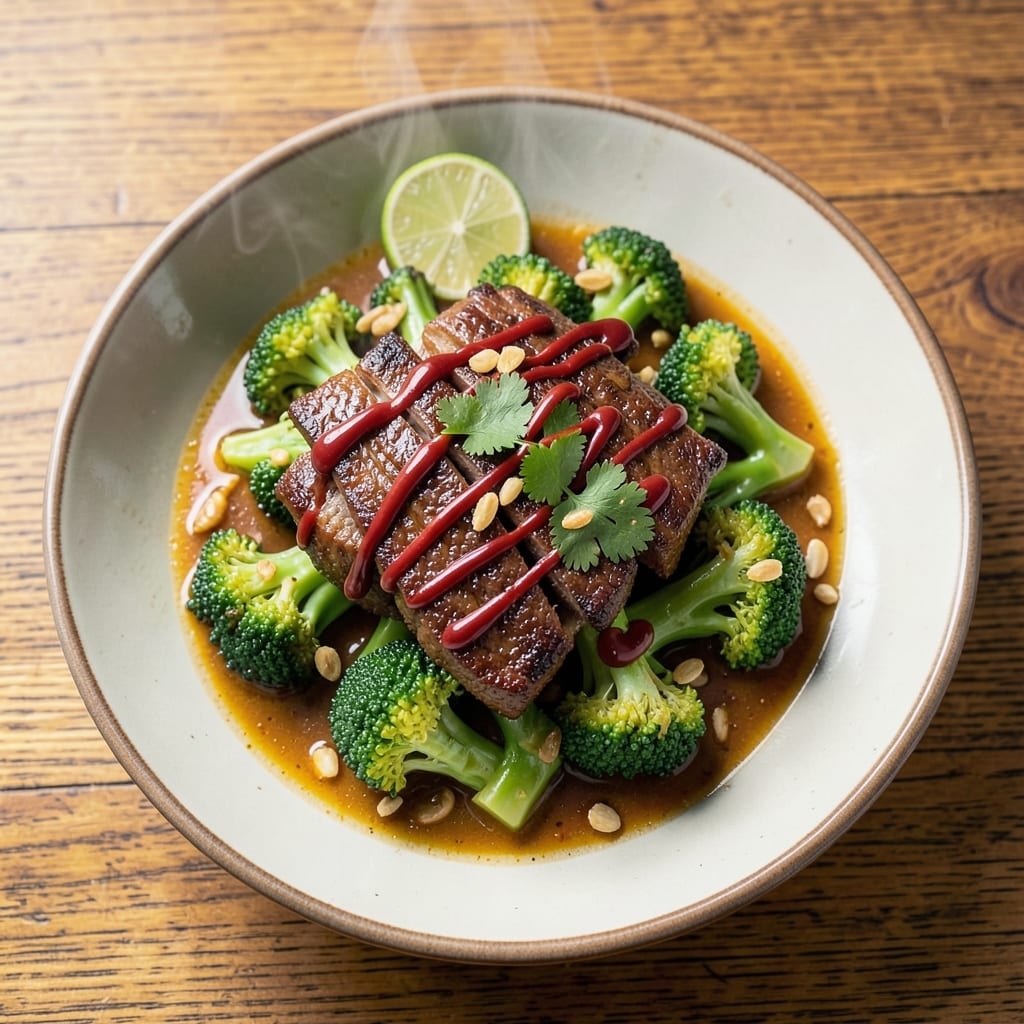
This authentic Thai beef and broccoli recipe delivers the bold, umami-packed flavors of street-side Thai cuisine right in your kitchen. The secret lies in a perfect balance of fish sauce, lime, and chili—simmered just enough to create a glossy, aromatic sauce that clings to tender beef and crisp-tender broccoli florets. I’ve refined this recipe over years of testing, ensuring every bite captures that signature Thai restaurant experience without the shortcuts that compromise authenticity.
The key to achieving restaurant-quality results at home is the stir-frying technique: high heat, quick cooking, and constant motion to prevent soggy vegetables. We’ll start with a simple marinade to tenderize the beef, then build the sauce from scratch—no bottled substitutes here. The result? A dish that’s rich with savory depth, brightened by citrus, and finished with a touch of heat that lingers just right.
By the time you plate this, you’ll have perfectly seared beef strips with a caramelized crust, broccoli that’s crisp yet tender, and a sauce so flavorful it’ll have everyone asking for seconds. The aroma alone—smoky, garlicky, with hints of lime—will transform your kitchen into a Thai street food stall. Serve it over fragrant jasmine rice to soak up every last drop of that irresistible sauce.
This recipe is designed to be approachable yet impressive, making it perfect for weeknight dinners or when you want to impress guests. The ingredients are simple, but the technique ensures professional-level results. Let’s get cooking—your taste buds are in for a treat.
Ingredients for authentic thai beef and broccoli
Authentic Thai flavors start with these 15 ingredients—bold, aromatic, and packed with umami.
| Ingredient | Amount | Notes |
|---|---|---|
| Flank Steak 🥩 | 1 lb | Thinly sliced against grain |
| Broccoli Florets 🥦 | 1 ½ lbs | Large florets, stems trimmed |
| Fish Sauce 🍶 | 2 tbsp | Red Boat preferred for authenticity |
| Lime Juice 🍋 | ½ cup | Freshly squeezed, about 2 limes |
| Thai Chili Sauce 🌶️ | 1 ½ tbsp | Or 1 tbsp sambal oelek |
| Garlic Cloves 🧄 | 6 cloves | Minced, about 1.5 tbsp |
| Shallots 🧅 | 3 whole | Minced, about 0.25 cup |
| Brown Sugar 🍚 | 2 tbsp | Light or dark |
| Soy Sauce 🥢 | 2 tbsp | Light or all-purpose |
| Sesame Oil 🫒 | 1 tbsp | Toasted, for aroma |
| Vegetable Oil 🫒 | ½ cup | High smoke point |
| Kaffir Lime Leaves 🍋 | 2 whole | Or 1 tsp lime zest |
| Fresh Cilantro 🌿 | ¼ cup | Chopped, for garnish |
| Salt 🧂 | 1 tsp | Kosher or sea salt |
| Black Pepper 🌶️ | ½ tsp | Freshly ground |
The flank steak is non-negotiable—it needs to be sliced thinly against the grain for that signature tender bite. Costco or Whole Foods carry excellent cuts, but any butcher will slice it for you if you ask. For the broccoli, look for bright green florets with tight buds—Trader Joe's has the best quality at a great price. Fresh kaffir lime leaves are ideal, but if you can’t find them, lime zest works in a pinch. The fish sauce is where authenticity lives—Red Boat is the gold standard, but any reputable brand will do. Just make sure it smells clean and fishy, not funky or off.
No Thai chili sauce? Sambal oelek at half the amount brings similar heat. Substituting brown sugar? Coconut sugar works 1:1, but it’s pricier. The soy sauce should be light—Kikkoman is reliable, but Thai brands like Tiparos add depth. Sesame oil is for aroma only—add it at the very end. For the garlic and shallots, mincing them finely is key; a food processor makes quick work of it. If you’re short on time, pre-minced garlic from a jar works, but fresh is always better. The lime juice should be freshly squeezed—bottled lime juice lacks the bright, tangy punch this dish needs.
This dish reheats beautifully—just warm it through in a wok or skillet with a splash of water. Keeps for 3-4 days in the fridge, though it’s best fresh. For meal prep, portion the sauce separately so you can freshen it up with a quick stir before serving. The beef and broccoli can be stir-fried ahead and stored separately for 2 days. Garnish with fresh cilantro right before serving—it wilts fast, so don’t add it too early. The sauce thickens as it cools, so a splash of water or lime juice revives it instantly.
Why You'll Love This Recipe
- No-Fuss Slice-and-Season: I swear, this takes less effort than ordering takeout. Slice the flank steak thin, toss the broccoli in boiling water for 2 minutes—that’s it. The fish sauce and lime juice do all the heavy lifting while I’m still washing my hands.
- Umami Bomb Combo: That first bite? The salty funk of fish sauce, the bright zing of lime, and the subtle heat from Thai chili sauce hitting the tender steak—it’s like a flavor explosion in my mouth. The broccoli stays crisp enough to bite into, so you’re not drowning in soggy florets.
- Lunchbox Hero: Between us, this is my go-to for meal prep. Pack the leftovers with rice, and it’s still ridiculously good 3 days later. Honestly, I’ve sent this to work with my husband, and he’s brought it home for dinner because it’s that hard to resist.
- Budget Powerhouse: Flank steak stretches far when sliced thin, and broccoli is one of the cheapest veggies out there. A single jar of Thai chili sauce lasts me months, and I’m always reaching for it. Not the prettiest on a plate, but the taste makes up for it—every. single. time.
Step-by-step instructions for authentic Thai beef and broccoli
This is how Thai street vendors make it—bold flavors, perfect textures, every time.
Prep the Beef for Maximum Tenderness
Slice the 1 lb flank steak thinly against the grain into ¼-inch strips. This is critical—thin slices cook quickly and stay tender. Pat them dry with paper towels to remove any moisture, which helps them sear beautifully. In a small bowl, combine the 2 tbsp fish sauce, 2 tbsp soy sauce, and 1 tbsp sesame oil. Add the beef strips and toss gently to coat evenly. Let them marinate for 15 minutes at room temperature while you prep the rest.
Here's the thing—fish sauce is the flavor backbone of this dish. I always use Red Boat because it's clean and potent. If you're using a cheaper brand, start with 1 tbsp and adjust to taste later. The beef should smell intensely umami by the time you're ready to cook it.
Build the Flavor Base
Heat a wok or large skillet over high heat until it's screaming hot. Add the 0.5 cup vegetable oil and swirl to coat the bottom evenly. Add the 3 minced shallots and 6 minced garlic cloves, stirring constantly for 30 seconds until fragrant but not browned. Immediately add the 1.5 tbsp Thai chili sauce and 2 tbsp brown sugar, stirring vigorously for 1 minute until the sugar dissolves and the mixture turns a deep amber color.
This is where the magic happens. The sugar caramelizes instantly, creating a glossy, sticky base that coats everything. If your pan isn't hot enough, the sugar will burn instead of caramelizing—watch closely. The chili sauce adds that signature Thai heat while balancing the sweetness.
Wok-Sear the Beef to Perfection
Working in batches, add the marinated beef strips to the wok in a single layer. Don't overcrowd the pan—this prevents proper searing. Let them cook undisturbed for 1-2 minutes until they develop a deep brown crust on the bottom. Stir and repeat until all the beef is cooked to your liking—it should be tender but still holding its shape.
Real talk: The beef will continue cooking as it absorbs the sauce, so it's better to pull it out slightly underdone. Transfer the beef to a plate and set aside. If your wok gets too cool from adding all the beef at once, that's okay—just let it reheat for 30 seconds before the next batch.
Cook the Broccoli to Crisp-Tender
In the same wok, add the 1.5 lbs broccoli florets in a single layer. Stir-fry for 2-3 minutes until the edges turn bright green and slightly charred, but the centers remain crisp. Add the 2 whole kaffir lime leaves (torn if needed) and toss for 30 seconds to infuse the aroma. Remove the broccoli and set aside with the beef.
The broccoli should have a satisfying crunch—this is what makes the dish so texturally exciting. If you're worried about overcooking, remember that it'll finish cooking when everything comes back together. The lime leaves add that bright, citrusy depth that's essential to authentic Thai flavor.
Combine and Finish with Lime
Return the beef and broccoli to the wok. Add the 0.5 cup freshly squeezed lime juice and toss everything together for 1 minute until evenly coated. Taste and adjust seasoning—you might need ½ tsp more fish sauce or ½ tsp more brown sugar depending on your preference. The sauce should be sticky, glossy, and perfectly balanced between sweet, sour, salty, and spicy.
Garnish with the 0.25 cup chopped fresh cilantro and serve immediately over steamed jasmine rice. The acidity from the lime brightens all the flavors, cutting through the richness of the beef and broccoli. Each bite should deliver a perfect harmony of textures and tastes—crisp broccoli, tender beef, and that unmistakable Thai umami punch.
Pro Tips For Making Authentic Thai Beef And Broccoli
- Slice Thin, Sear Fast: Flank steak’s got a stubborn chew if you cut it thick—aim for ¼-inch slices against the grain. After searing, pull it out while still bright red inside; it’ll finish cooking in the sauce and stay tender. I learned this the hard way after serving up a plate of rubbery beef that had me questioning my life choices.
- Blanch Broccoli First: Toss broccoli florets in boiling water for 30 seconds, then ice bath—this stops cooking and keeps them crisp. Authentic Thai dishes use broccoli that snaps when bitten, not turns to mush. Skip this, and you’ll end up with sad, limp florets drowning in sauce.
- Fish Sauce in Stages: Don’t dump the whole bottle at once—start with half, taste, then add more. Fish sauce is salty and potent; you want it to enhance, not dominate. I once ruined a batch by overdoing it, and the dish tasted like a Thai fish tank. Start light, adjust as you go.
- Lime Zest, Not Just Juice: Grate a little lime zest into the sauce before adding juice—it brightens the whole dish with aroma. Fresh lime juice is non-negotiable, but zest adds that restaurant-quality depth. (Yes, even if you’re impatient like me—it takes 10 seconds and makes a real difference.)
Essential equipment for this recipe
Wok Essentials
A carbon steel wok is my holy grail for stir-frying—it heats up fast and retains heat better than cast iron. Look for a 14-inch or larger wok with a flat bottom for stovetop use. I use the De Buyer 14-inch because it’s durable and has a natural non-stick surface when properly seasoned. For budget-friendly options, Amazon Basics offers solid carbon steel woks under $30. 🔥
High-Heat Oil
Use high-smoke-point oils like avocado oil or vegetable oil for stir-frying—Mazola or Crutchfield’s are great affordable choices. Avoid olive oil (smoke point: 325°F), which burns at the high heat needed for authentic Thai searing. I keep a bottle of Avocado oil from Primal Kitchen on hand for its neutral flavor and stability at high temps.
Tongs for Control
Invest in long, heat-resistant tongs—I swear by OXO Good Grips for their sturdy build and comfortable grip. They let you toss ingredients without overcrowding the wok, which is critical for that perfect wok-hei (breath of the wok) effect. A 12-inch pair works best for standard woks. Never use wooden spoons—they char easily at these temperatures.
Knife Skills
A sharp 8-inch chef’s knife is non-negotiable for mincing garlic, shallots, and slicing beef. My go-to is the Mercer Culinary Genesis—it stays sharp for months. For broccoli, use a serrated knife to trim stems cleanly. Pro tip: Keep a small cutting board (like the OXO Good Grips) near your wok to prep ingredients quickly during cooking.
Measuring Tools
Precision matters in Thai cooking—use a stainless steel measuring spoon set (like OXO’s) for accurate fish sauce and soy sauce measurements. For lime juice, a small glass measuring cup prevents spills. I also keep a digital kitchen scale handy to measure brown sugar by weight (2 tbsp = ~25g) for consistency. 💫
Garnish Prep
Fresh cilantro and kaffir lime leaves elevate the dish, so prep them last-minute. Use scissors to snip cilantro stems for speed, and tear lime leaves by hand to release their aroma. A small bowl with a fine-mesh strainer helps catch lime seeds when juicing. For extra authenticity, toast sesame seeds in a dry pan for 30 seconds before sprinkling on top.
Nutrition facts
Frequently asked questions
Why does the recipe call for slicing beef against the grain?
Slicing against the grain shortens the muscle fibers, making the beef tender and easy to chew. If you slice with the grain, the fibers stay long and the meat remains tough. For this recipe, aim for ¼-inch thick strips—any thicker and they’ll stay chewy. Use a sharp knife and work quickly to avoid tearing the meat.
Can I substitute flank steak with another cut?
Yes! Sirloin or ribeye work well, but slice them thinner (⅛-inch) since they’re more tender. Avoid tough cuts like chuck—this dish relies on quick cooking. For a leaner option, try top round, but marinate it 30 minutes longer to prevent dryness. Never use pre-sliced deli beef; it lacks the texture and flavor.
What if I don’t have kaffir lime leaves?
No problem! Use 1 tsp lime zest + ½ tsp lime juice as a substitute. The zest mimics the aromatic oils from the leaves, while extra juice keeps the sauce bright. For deeper flavor, add ½ tsp ground coriander—it complements the citrus notes. If you can’t find lime zest, a dash of orange zest works in a pinch (though the color won’t match).
How do I adjust the spice level?
Start with the 1.5 tbsp Thai chili sauce as written for a balanced heat. For milder flavor, reduce to 1 tbsp and add ½ tsp sugar to offset. To make it spicier, add ½ tsp red pepper flakes or 1 extra Thai chili (minced). Always taste before serving—you can’t overdo it with fish sauce to balance extra heat.
Can I make this ahead of time?
Cook the beef and broccoli separately, then store them in airtight containers in the fridge for 2 days. Reheat everything in the wok with 1 tbsp water to revive the sauce. For leftovers, serve over microwaved rice—the steam helps restore the dish’s vibrancy. Avoid reheating the sauce alone, as it thickens significantly when cold.