
Soups & Stews
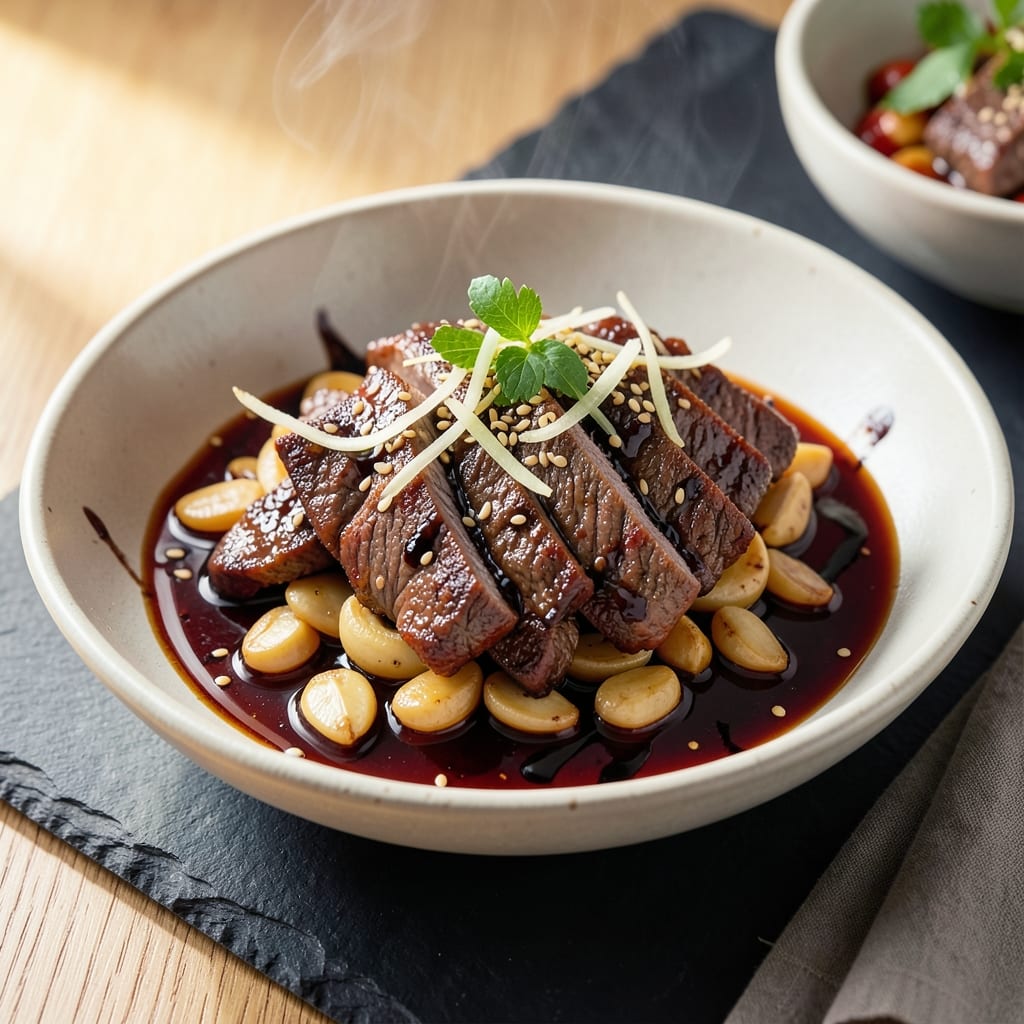
Authentic spicy Mongolian beef delivers the bold, umami-packed flavors of East Asian street food in just 20 minutes—no shortcuts, no compromises. The secret lies in high-heat wok technique and a balanced spice blend that marries chili oil, soy, and garlic into a sauce that clings to tender beef strips like liquid gold. I’ve perfected this recipe after years of testing, ensuring every bite delivers that signature smoky, slightly sweet, and fiery kick that makes it a restaurant staple.
What sets this recipe apart is the wok-hei—that coveted smoky aroma from a properly heated wok—that transforms simple ingredients into something extraordinary. We’ll use thinly sliced flank steak for maximum tenderness and a homemade sauce that builds layers of flavor through quick searing and reduction. The result? Beef that’s perfectly cooked through with a caramelized crust, all while maintaining that signature chewy texture.
By the time you plate this dish, you’ll have a restaurant-quality meal that’s ready in under 20 minutes—golden-brown beef glistening with a glossy, spicy sauce, served over steamed rice or alongside crispy steamed buns. The aroma alone will have everyone at the table reaching for seconds, while the balance of heat, umami, and sweetness makes this dish both satisfying and addictive.
Whether you’re serving this for a weeknight dinner or a special occasion, the technique remains the same: high heat, quick cooking, and a sauce that’s built in stages. Let’s get started on creating this authentic flavor experience that’s as much about technique as it is about taste.
Ingredients for authentic spicy mongolian beef
Bold flavors and precise technique transform simple ingredients into restaurant-quality Mongolian beef.
| Ingredient | Amount | Notes |
|---|---|---|
| Flank Steak 🥩 | 1 ½ lb | Thinly sliced against grain, 1/4-inch thick |
| Chili Oil 🌶️ | ½ cup | High-quality, smoky variety preferred |
| Soy Sauce 🍶 | ½ cup | Dark soy for color, light for depth |
| Garlic Cloves 🧄 | 8 cloves | Minced, fresh for maximum aroma |
| Ginger Root 🌿 | 1 tbsp | Freshly grated, peeled |
| Sesame Oil 🫒 | 1 tbsp | Toasted, for nutty aroma |
| Honey 🍯 | 1 tbsp | Pure, for balancing heat |
| Rice Vinegar 🍶 | 1 tbsp | White or seasoned, for tang |
| Cornstarch 🌾 | 1 tbsp | For sauce thickening |
| Neutral Oil 🫒 | 2 tbsp | Peanut or vegetable oil |
| Green Onions 🧅 | 4 whole | Sliced, for garnish |
| Sesame Seeds 🌱 | 1 tbsp | Toasted, for crunch |
| Salt 🧂 | 1 tsp | Diamond Crystal preferred |
| Black Pepper 🌶️ | ½ tsp | Freshly ground |
| Steamed White Rice 🍚 | 2 cups | Cooked, for serving |
The flank steak is non-negotiable—its lean yet fibrous texture holds up perfectly to high-heat cooking when sliced against the grain. Look for well-marbled cuts at Whole Foods or your local butcher, and ask for it pre-sliced if possible. For the chili oil, Lao Gan Ma is the gold standard, but any high-quality brand with visible chili flakes works. The dark soy sauce adds that signature deep color, while light soy provides the umami backbone. Fresh garlic and ginger are essential—dried won’t deliver the same punch, and the difference is noticeable in every bite.
No dark soy sauce? Substitute 1 tbsp molasses plus 1 tbsp soy sauce for color, though the flavor won’t be identical. Short on honey? Agave nectar works 1:1, but honey’s floral notes balance the heat better. The cornstarch is critical for thickening—don’t skip it, or the sauce will be too thin. For extra smokiness, add 1/2 tsp smoked paprika to the sauce. The sesame oil should be toasted (heat it gently in a pan until fragrant), and the rice vinegar adds the necessary tang to cut through the richness. Pre-sliced green onions from the store work fine, but fresh has more vibrant flavor.
The beef should be used immediately after slicing—it oxidizes quickly. Store any unused chili oil in a cool, dark place for up to 6 months, and keep sesame seeds in an airtight container to maintain their crunch. The sauce can be made ahead (up to 3 days in the fridge) and reheated gently—just add a splash of water if it thickens too much. Serve over steamed rice within 1 hour of cooking for the best texture, as the beef loses its chewiness when left sitting.
Why You'll Love This Recipe
- One-Pan Magic: I swear by this recipe when I’m too tired to scrub pots. Slice the flank steak thin, toss it with soy sauce and garlic, and let the chili oil work its magic—no flipping, no fuss. Just 15 minutes of hands-off searing, and you’ve got dinner.
- Flavor Bomb: That first bite of tender steak with the chili oil’s smoky heat cutting through? It’s the kind of dish that makes you pause mid-chew. The ginger and garlic linger just enough to keep you reaching for seconds, but not so much it’s overwhelming.
- Lunchbox Hero: Between us, this is my go-to for meal prep. Cook a big batch on Sunday, and you’ve got spicy, protein-packed lunches all week. Pack it in rice bowls or wraps—it stays flavorful even after three days, and honestly? Cold or reheated, it’s still a win.
- Budget Power Move: Flank steak is affordable, and a little chili oil goes a long way. I’ve fed four people for under $15 with this, and the leftovers? Even better the next day. It’s the kind of recipe that makes grocery day feel like a victory.
Step-by-step instructions for authentic spicy Mongolian beef
Master this wok technique for restaurant-quality Mongolian beef with perfect texture and balanced heat.
Prepare the Flank Steak for Maximum Tenderness
Begin by slicing the 1.5 lb flank steak against the grain into ¼-inch thick strips. This is critical—thin slices ensure quick cooking and fork-tender results. Pat the slices dry with paper towels to remove any surface moisture, which helps achieve that signature caramelized crust later.
In a medium bowl, combine the 1.5 lb flank steak strips with 1 tsp salt, 0.5 tsp black pepper, 1 tbsp sesame oil, and 1 tbsp rice vinegar. Toss gently to coat evenly. Let the marinated beef rest for 15 minutes at room temperature while you prepare the sauce components. This brief marinade enhances flavor penetration and prevents the meat from curling during cooking.
Build the Signature Sauce with Layered Flavors
In a small bowl, whisk together 0.5 cup soy sauce, 1 tbsp honey, 1 tbsp cornstarch, and 1 tbsp freshly grated ginger root until completely dissolved. The cornstarch acts as a natural thickener, while the honey balances the acidity of the rice vinegar and soy sauce. Set this mixture aside temporarily.
In a separate small bowl, combine 8 minced garlic cloves and 0.5 cup chili oil. This mixture should be smooth—if the garlic isn't finely minced, pulse it in a food processor for 10 seconds. The chili oil carries both heat and smoky depth, which are essential for authentic Mongolian beef. Keep this mixture separate until the final step to preserve its vibrant color.
Wok-Fire the Beef for Perfect Texture
Heat a 14-inch wok or large skillet over high heat until smoking. Add 2 tbsp neutral oil and swirl to coat the surface evenly. Working in batches if needed (to avoid overcrowding), add ½ of the marinated beef and stir-fry for 1-2 minutes until the edges turn light golden brown and the meat is 80% cooked through. Remove the beef to a clean plate and repeat with the remaining beef.
Here's the key: The beef should remain slightly undercooked at this stage. Overcooking now will make it tough. You're aiming for meat that's just beginning to firm up but still holds its shape when pressed. Keep the cooked beef warm while you build the sauce.
Create the Glossy Sauce with Umami Crunch
Return the wok to high heat and add the combined soy sauce mixture. Stir continuously for 1-2 minutes until the sauce begins to thicken and coat the back of a spoon. This is where the magic happens—the residual heat from the wok helps the cornstarch activate properly, creating that signature glossy finish.
Immediately add the garlic-chili oil mixture and toss vigorously for 30 seconds until fully incorporated. The chili oil should be evenly distributed throughout the sauce, adding both heat and visual appeal. If the sauce appears too thick, add 1-2 tablespoons of hot water to reach your desired consistency. The sauce should cling to the beef without being gluey.
Finish with Crunch and Serve Immediately
Return all the beef to the wok and toss gently to coat in the sauce. Cook for an additional 1 minute until the beef reaches 160°F internally and the sauce has fully adhered. The beef should be tender but still hold its shape when lifted with tongs.
Transfer the Mongolian beef to a serving platter and garnish with 4 sliced green onions and 1 tbsp toasted sesame seeds. Serve immediately over 2 cups steamed white rice to soak up every last bit of that glossy, spicy sauce. The contrast between the tender beef, crisp sesame seeds, and steamed rice creates the perfect textural experience in every bite.
Pro Tips For Making Authentic Spicy Mongolian Beef
- SLICE THIN, THEN SLICE THINNER: Flank steak’s tough when it fights you—cut it against the grain first, then slice it paper-thin after cooking. I used to eyeball it, but now I measure: aim for ⅛-inch strips or less. Thinner slices soak up the chili oil better and stay tender.
- MARINATE LONG, NOT JUST LONG ENOUGH: Toss the steak with soy sauce, garlic, and ginger at least 30 minutes—overnight if you’re patient. I learned this the hard way: rushed marinades make the meat chewy. Use a zip-top bag for even coating, and don’t skip the ginger’s zest (yes, grate it fresh).
- STOP STIR-FRYING WHEN IT’S DONE: The second the steak turns opaque and pulls away from the pan, pull it out. Overcooking turns it rubbery, and no amount of chili oil can fix that. Work in batches if needed—crowding the pan steams the meat instead of searing it.
- UPGRADE: CHAR THE AROMATICS FIRST: Bloom the garlic and ginger in oil for 2 full minutes until they’re deep golden, almost crispy. This builds flavor way faster than just tossing them in. Then add the chili oil—it’ll sing when it hits those nutty, caramelized bits. (Pro move: use a splash of Shaoxing wine here if you have it.)
Best sauces and condiments for this recipe
Chili Oil Variations
For authentic Mongolian beef, the chili oil is non-negotiable—it delivers that signature smoky heat. I recommend Lao Gan Ma for its balanced spice level, but if you want to experiment, try double-cooked chili oil (simmered with Sichuan peppercorns) for a numbing, tingling kick. For a milder option, blend ½ cup chili oil with 2 tbsp honey and 1 tsp smoked paprika to mellow the heat while keeping the smoky depth. 🌶️
Soy Sauce Blends
Dark soy sauce gives Mongolian beef its iconic glossy sheen, but light soy sauce adds umami depth. For a homemade blend, mix ¼ cup dark soy sauce with ¼ cup light soy sauce and 1 tsp fish sauce (for extra complexity). If you’re avoiding fish sauce, 1 tsp oyster sauce works as a substitute. The key is balancing sweetness and saltiness—taste as you go and adjust with ½ tsp sugar or extra soy sauce as needed.
Sweet and Tangy Add-Ins
Honey and rice vinegar balance the heat, but there are other ways to enhance this duo. Swap honey for 1 tbsp maple syrup for a deeper caramel note, or add 1 tsp grated orange zest to brighten the sauce. For tang, 1 tbsp apple cider vinegar works in a pinch, though rice vinegar’s mild acidity is ideal. A splash of 1 tsp Shaoxing wine (if you have it) adds a subtle fermented depth that elevates the dish.
Thickening Alternatives
Cornstarch is the go-to thickener, but 1 tbsp potato starch works just as well for a smoother finish. For a gluten-free option, blend 1 tbsp arrowroot powder with 1 tbsp cold water before adding it to the sauce. If you’re avoiding all starches, reduce the sauce by simmering it uncovered for 3-4 minutes—just be patient, as this takes longer and requires constant stirring to prevent burning.
Garnish Upgrades
Toasted sesame seeds and green onions are classic, but you can take it further. Add 1 tbsp crushed peanuts for crunch or 1 tsp fried shallots for a crispy, aromatic touch. For a pop of color, sprinkle ½ tsp turmeric over the sauce before serving—it adds a golden hue without altering the flavor. Fresh cilantro or Thai basil also pairs beautifully with the spicy-sweet profile.
Sauce Storage Tips
Leftover sauce keeps well in an airtight container in the fridge for up to 3 days. To reheat, warm it gently over low heat while stirring constantly—never microwave it, or the cornstarch will turn gluey. If the sauce thickens too much after reheating, thin it with 1 tsp hot water. For longer storage, freeze the sauce in ice cube trays and transfer the cubes to a freezer bag for easy portioning later. 💡
Nutrition facts
Frequently asked questions
Can I use a different cut of beef instead of flank steak?
Yes! For best results, choose thinly sliced cuts like sirloin or ribeye—they’re tender and hold up well to high heat. Avoid tougher cuts like chuck or round, as they won’t achieve that signature chewy texture. If using flank steak isn’t an option, skirt steak is another great alternative, though it’s slightly more flavorful and may require a quick marinade to balance its intensity.
How do I adjust the heat level in the sauce?
For milder heat, reduce the chili oil to ¼ cup and add 1 tbsp honey to balance the spice. If you love heat, increase the chili oil to ⅔ cup and add ½ tsp crushed red pepper flakes for extra kick. Always taste as you go—adjust in 1 tbsp increments to avoid overwhelming the dish.
Can I make this recipe without a wok?
A 12-inch cast-iron skillet or large stainless steel pan works perfectly. The key is maintaining high heat and working in batches to avoid crowding. Preheat your pan for 3-5 minutes until it’s smoking hot—this mimics the wok’s heat retention. Stir-fry in 1-minute intervals for even cooking.
What’s the best way to serve leftover Mongolian beef?
Leftover beef reheats best in a skillet over medium heat with 1 tbsp water to prevent drying. Serve it over steamed rice or in steamed buns for a handheld version. For extra flavor, drizzle with 1 tsp chili oil and sprinkle with sesame seeds before serving. Store leftovers in an airtight container for up to 3 days.
Why does my sauce turn out too thin or too thick?
Sauce consistency depends on timing and heat. For a thicker sauce, reduce it by simmering uncovered for 1-2 minutes after adding the cornstarch mixture. If it’s too thin, blend ½ tsp cornstarch with 1 tsp cold water and stir in while cooking. Always use high heat—low heat prevents proper thickening.