
Soups & Stews
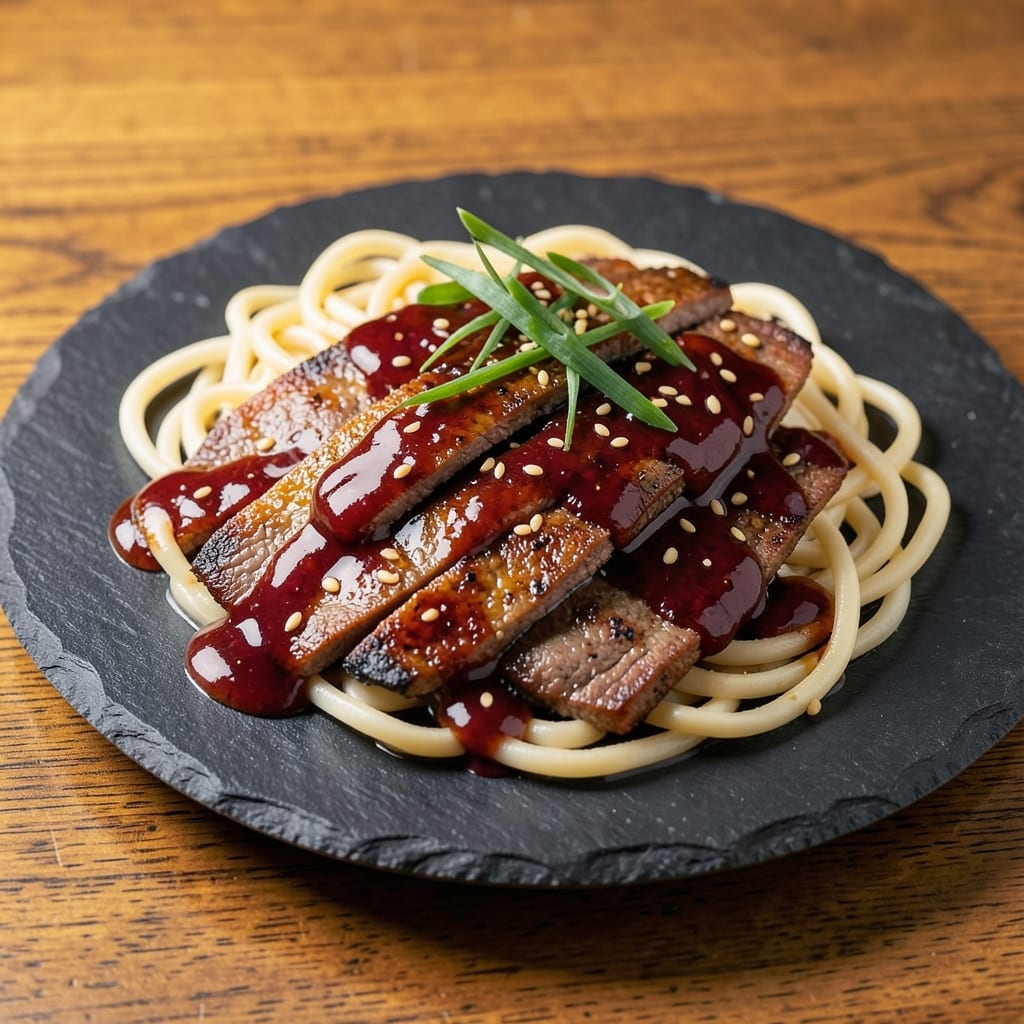
This authentic moo shu beef delivers the smoky, savory essence of Cantonese wok cooking right to your kitchen. The secret lies in proper slicing against the grain and achieving that signature wok-hei—breath of the wok—that transforms ordinary beef into restaurant-quality stir-fry. I've perfected this recipe through years of testing, ensuring every element comes together for maximum flavor and texture.
The foundation starts with tender beef marinated in a traditional blend of hoisin, soy, and rice wine, then quickly seared in a screaming-hot wok until it develops that coveted caramelized crust. Meanwhile, crispy egg noodles soak up the aromatic sauce, creating the perfect balance of textures. What makes this recipe truly authentic is the technique: high heat, rapid cooking, and proper plating to showcase each component.
By the time you plate your moo shu beef, you'll have a dish that's crispy, savory, and packed with authentic Chinese restaurant flavor. The beef remains tender yet develops a slight char from the wok, while the sauce—thickened with cornstarch—coats everything evenly. This isn't just stir-fry; it's a taste of Cantonese home cooking that brings the restaurant experience home.
Serve with steamed jasmine rice and fresh scallions to complete the traditional presentation. The crispy noodles and tender beef create a satisfying contrast that makes this dish irresistible. Let's get cooking!
Ingredients for authentic moo shu beef
Authentic Cantonese flavors start with these carefully chosen ingredients for restaurant-quality moo shu beef.
| Ingredient | Amount | Notes |
|---|---|---|
| Flank Steak 🥩 | 1 ½ lb | Thinly sliced against grain |
| Egg Noodles 🍜 | 8 oz | Fresh or high-quality dried |
| Hoisin Sauce 🥄 | ½ cup | Store-bought or homemade |
| Light Soy Sauce 🥄 | ¼ cup | Kikkoman preferred |
| Shaoxing Wine 🍷 | 2 tbsp | Or substitute with dry sherry |
| Cornstarch 🌾 | 2 tbsp | For sauce thickening |
| Garlic Cloves 🧄 | 6 cloves | Minced for sauce |
| Green Onions 🧅 | ¼ cup | Sliced for garnish |
| Sesame Oil 🫒 | 1 tbsp | Toasted for aroma |
| Vegetable Oil 🫒 | ½ cup | High smoke point |
| Salt 🧂 | 1 tsp | Kosher or sea salt |
| Black Pepper 🌶️ | ½ tsp | Freshly ground |
| Scallions 🧅 | ¼ cup | Thinly sliced |
The flank steak is non-negotiable—it's lean yet tender when sliced against the grain. Ask your butcher to cut it thinly (about 1/8-inch thick) if you're not up for slicing yourself. For hoisin sauce, Lee Kum Kee is the gold standard, but any brand with minimal additives works. The Shaoxing wine adds depth—if you can't find it, dry sherry is a solid swap. Garlic should be fresh, not jarred, for that authentic aroma. I always grab extra green onions; half gets chopped into the sauce, half goes on top for that classic garnish.
No Shaoxing wine? Dry sherry or even a splash of rice vinegar bridges the gap. Fresh egg noodles are ideal, but high-quality dried noodles (like Martini) work too—just cook them al dente. The cornstarch needs to be pure; no self-rising flour substitutes here. For extra crispiness, toss the cooked noodles in a hot wok with a splash of sesame oil before adding sauce. The beef should be sliced paper-thin—if it's tough, slice it thinner or tenderize with a mallet first.
Store the flank steak in the coldest part of your fridge, wrapped tightly, and use within 2 days for best texture. Hoisin sauce keeps for 6 months unopened, but once opened, refrigerate and use within 3 months. Prep the sauce ahead—it's stable for 5 days in the fridge. For leftovers, reheat gently in a wok to revive that wok-hei. This dish tastes even better the next day as flavors meld.
Why You'll Love This Recipe
- One-Pan Magic: I swear by this recipe for lazy nights—just sear the flank steak, toss in the noodles and sauce, and let it all meld together. No fancy gadgets, no extra pots, just one pan and 20 minutes of your time.
- Shaoxing Wine Secret: That little bottle of Shaoxing wine makes all the difference—it deepens the sauce without tasting like booze, and honestly? It’s the reason this dish feels restaurant-worthy. The hoisin and light soy sauce balance it perfectly for a sweet-savory punch.
- Lunchbox Hero: Between us, this is my go-to for meal prep. The noodles hold up for days, and I can pack it cold or reheat it—still tastes fresh. My kids grab it when I’m running late, and my husband brings it to work. (Yes, even on a Tuesday night.)
- Budget-Friendly Feast: Flank steak stretches further than you’d think when sliced thin, and a jar of hoisin lasts for multiple meals. I’ve fed four people for under $15 with this—no takeout needed. Plus, the leftovers? Even better the next day.
Step-by-step instructions for authentic moo shu beef
Here's how to craft restaurant-quality moo shu beef with perfectly seared beef and crispy noodles.
Prep the Flank Steak for Maximum Tenderness
Slice the 1.5 lb flank steak thinly against the grain—aim for ¼-inch thick slices. This is crucial for tender bites. Arrange the slices on a plate and sprinkle evenly with 1 tsp salt and ½ tsp black pepper. Let them sit for 10 minutes at room temperature while you prepare the other ingredients.
I like to separate the slices into individual pieces now so they cook evenly in the wok. If any slices are thicker than others, gently pound them with a meat mallet to uniform thickness. This ensures all pieces finish cooking at the same time without overcooking the thinner slices.
Create the Signature Moo Shu Sauce
In a small bowl, whisk together ½ cup hoisin sauce, ¼ cup light soy sauce, 2 tbsp shaoxing wine, and 2 tbsp cornstarch. The cornstarch will help thicken the sauce as it cooks. Set this mixture aside while you prepare the aromatics.
In a separate small bowl, mix 6 minced garlic cloves with 1 tbsp sesame oil. This aromatic blend will infuse the sauce with deep, savory flavor. The sesame oil adds a nutty richness that's essential for authentic moo shu. Keep both mixtures nearby as you'll need them in the next step.
Cook the Beef to Perfect Doneness
Heat ½ cup vegetable oil in a wok or large skillet over high heat until shimmering. Working in batches if needed, add the prepared beef slices and sear undisturbed for 1-2 minutes per side until deep golden brown and nearly cooked through. Remove the beef to a plate and set aside.
Here's the thing—this high-heat sear creates that signature caramelized crust while keeping the interior juicy. Don't overcrowd the wok or the beef will steam instead of sear. The beef should be about 85% cooked at this stage—it'll finish in the sauce.
Stir-Fry Noodles and Combine Everything
In the same wok, add 8 oz egg noodles and stir-fry over high heat for 2-3 minutes until they begin to crisp at the edges. This is what gives moo shu its signature texture contrast. Add the garlic-sesame oil mixture and stir for 30 seconds until fragrant.
Return the beef to the wok along with the sauce mixture. Toss everything vigorously for 1-2 minutes until the sauce thickens and coats all the ingredients. You want the sauce to be glossy but not overly thick—it should cling to the noodles and beef without being gluey.
Finish and Garnish for Authentic Presentation
Remove the moo shu beef from heat and immediately garnish with ¼ cup sliced scallions and ¼ cup sliced green onions. The fresh herbs add a bright contrast to the rich, savory flavors. Toss gently to distribute the garnishes evenly throughout.
Serve immediately while everything is hot and crispy. The perfect moo shu beef should have tender beef, crispy noodles, and a glossy sauce that clings beautifully. For extra authenticity, serve with steamed white rice on the side to soak up any remaining sauce.
Pro Tips For Making Authentic Moo Shu Beef
- Slice Against the Grain: Flank steak’s fibers run long—cutting perpendicular to them turns chewy meat into tender strips. Use a sharp knife and angle it away from the cutting board for clean slices, or freeze the cooked beef for 10 minutes first (yes, it’s weird, but it works). ---
- Marinate Overnight: Skip the 30-minute rush. Flank steak needs time to absorb Shaoxing wine and soy sauce—at least 8 hours, ideally overnight. I learned this the hard way when my beef tasted flat because the marinade just sat on top. ---
- Don’t Overcrowd the Pan: Moo shu beef shines when it sears fast and hot. Cook in batches if needed—overcrowding steams the meat instead of browning it. A screaming-hot wok or skillet is non-negotiable here. ---
- Save the Noodle Water: The starchy water from boiling egg noodles is liquid gold for tossing. Reserve ½ cup before draining—it adds silkiness to the sauce and keeps noodles from sticking. I used to toss them dry and wondered why they always felt dry.
Perfect pairings for this dish
Classic Side Dishes
Steamed jasmine rice is non-negotiable for soaking up that glorious moo shu sauce. I use a 1:1.5 rice-to-water ratio in my rice cooker, and add a pinch of salt to enhance the dish's overall flavor. For extra authenticity, serve it in individual bowls with the stir-fry on top—just like in your favorite Chinese restaurant. 🍚
Fresh steamed bok choy adds a crisp, slightly bitter contrast that balances the richness. Toss 2 bunches (about 12 oz total) with 1 tbsp sesame oil before steaming for 5-6 minutes. The oil helps carry the sauce flavors when served alongside the beef.
Sauce Variations
For a spicier kick, stir 1 tsp chili crisp or ½ tsp red pepper flakes into the sauce before tossing with the beef. I like Lao Gan Ma chili crisp for its perfect balance of heat and umami. Add it in the final 30 seconds of stir-frying to preserve its vibrant color and texture.
Sweet and tangy option: Swap 1 tbsp of the hoisin sauce for 1 tbsp plum sauce—it adds a fruity brightness that pairs beautifully with the savory beef. The sauce should still be glossy but with a subtle sweetness that lingers on your palate.
Beverage Pairings
Jasmine tea is the classic choice—its floral notes complement the dish's savory-sweet profile. I recommend Big Red Rooster Jasmine Pearl Tea for its delicate aroma and smooth finish. Brew a pot and serve it hot to cleanse the palate between bites.
For beer lovers, a crisp lager like Asahi Super Dry cuts through the richness without overpowering. The subtle bitterness helps balance the dish's sweet and umami flavors. Avoid heavy stouts or IPAs that would compete with the moo shu's complexity.
Garnish Upgrades
Toasted sesame seeds add a nutty crunch that elevates every bite. Heat 1 tbsp sesame seeds in a dry wok over medium heat for 1 minute—they'll pop and darken slightly. Sprinkle ½ tbsp over each serving just before eating for maximum freshness.
Lime wedges brighten the dish with acidity. Squeeze ½ lime over the entire serving just before eating—it cuts through the richness and enhances the beef's natural tenderness. Trust me, this simple addition makes all the difference. 💛
Nutrition facts
Frequently asked questions about authentic moo shu beef
Why does the beef need to be sliced against the grain?
Slicing against the grain shortens the muscle fibers, making the beef more tender. Flank steak has long muscle fibers that can be tough if cut with the grain. The thin slices also cook faster and absorb the sauce better, giving you that signature restaurant texture.
Can I substitute flank steak with another cut?
Yes, but choose lean cuts that stay tender when sliced thin. Sirloin or top round work well, but avoid fatty cuts like ribeye—they'll make the dish greasy. If using sirloin, slice it ⅛-inch thick and pound it lightly to ensure tenderness.
What's the secret to getting crispy noodles?
High heat is key! Stir-fry the noodles in a screaming-hot wok for 2-3 minutes until they develop golden-brown spots. Toss them constantly and work in batches if needed. A dry wok creates crispiness, so avoid adding oil until the beef is seared.
How do I fix undercooked beef?
Return the beef to the wok with a splash of water and cover for 1-2 minutes to steam gently. The residual heat will finish cooking it without drying it out. For extra flavor, add a teaspoon of soy sauce to the water before steaming.
Can I make this ahead of time?
Yes, but assemble it last minute. Cook the beef and noodles separately, then refrigerate for up to 2 days. Reheat everything in the wok with a splash of water to restore crispiness. The sauce can be made 1 day ahead—just reheat it gently before tossing.