
Main Courses
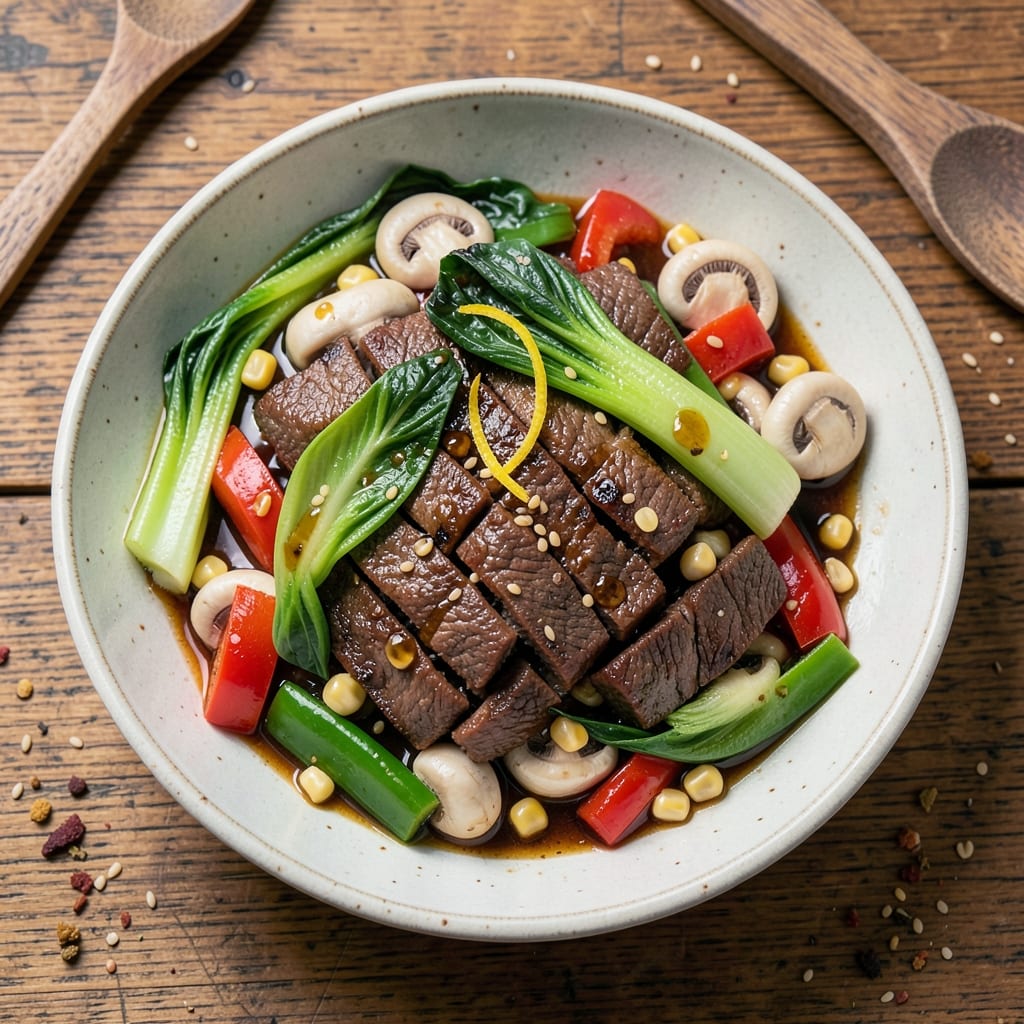
This authentic Chinese beef stir-fry delivers restaurant-quality wok-hei flavor in just 20 minutes—where tender beef and crisp vegetables meet a savory-sweet sauce. The secret lies in high-heat searing and proper sauce reduction, techniques that transform simple ingredients into a dish bursting with umami and aromatic depth. I’ve perfected this recipe after years of testing, ensuring every bite captures the essence of Cantonese home cooking.
What sets this stir-fry apart is the balance of textures: crisp-tender beef slices, vibrant bell peppers, and onions that caramelize just enough to sweetness the dish. The sauce—a harmonious blend of soy, oyster, and a touch of sugar—coats the ingredients without overwhelming them, while a cornstarch slurry ensures that signature glossy finish. This isn’t just another stir-fry; it’s a foolproof method that respects tradition while adapting to home kitchens.
By the time you’re done, your kitchen will smell like a bustling dim sum parlor, and your plate will be piled high with beef that’s juicy yet firm, vegetables that retain their crunch, and a sauce that clings perfectly. The key is working quickly over high heat, which builds that iconic wok-hei—the smoky, slightly charred aroma that defines authentic Chinese stir-fries. Serve it over steamed rice or noodles for the full experience.
This recipe scales beautifully for weeknight dinners or gatherings, and the leftovers reheat just as well. Whether you’re feeding a family or craving a quick, satisfying meal, this beef stir-fry delivers restaurant-quality results without the fuss. Let’s get cooking!
Ingredients for authentic chinese beef stir fry
Restaurant-quality wok-hei flavor starts with these carefully selected ingredients for authentic Cantonese beef stir-fry.
| Ingredient | Amount | Notes |
|---|---|---|
| Flank Steak 🥩 | 1 ½ lb | Thinly sliced against grain for tenderness |
| Cornstarch 🌾 | 2 tbsp | For tenderizing beef and sauce slurry |
| Light Soy Sauce 🥄 | ½ cup | High-quality brand for authentic flavor |
| Dark Soy Sauce 🥄 | 1 tbsp | For color depth and umami |
| Oyster Sauce 🦪 | 3 tbsp | Premium quality for authentic umami |
| Sesame Oil 🫒 | 1 tbsp | Toasted for aromatic finish |
| Granulated Sugar 🍚 | 1 tbsp | Balances savory-sweet profile |
| Garlic Cloves 🧄 | 6 cloves | Minced for aromatic base |
| Fresh Ginger 🌿 | 1 tbsp | Finely grated for zesty brightness |
| Red Bell Pepper 🌶️ | 1 whole | Sliced into 1-inch strips |
| Yellow Onion 🧅 | 1 whole | Cut into 1/2-inch slices |
| Green Onion 🧅 | 3 whole | Cut into 1-inch pieces for garnish |
| Vegetable Oil 🫒 | ½ cup | High smoke point for wok searing |
| Dried Red Chili Flakes 🌶️ | ½ tsp | Adjust for desired heat level |
| Salt 🧂 | 1 tsp | Kosher salt for seasoning |
The flank steak is non-negotiable for this dish—its lean yet tender texture transforms with proper slicing. Look for well-marbled cuts at Whole Foods or your local Asian market, where butchers often slice it for you. If you're slicing at home, freeze the meat for 20 minutes first to make it easier to cut against the grain. La Choy or Lee Kum Kee sauces elevate the dish, but homemade oyster sauce (simmered with dried oysters and soy) takes it to another level. For the bell peppers, red or yellow work best—their natural sweetness complements the beef perfectly. If you can't find fresh ginger, substitute with 1 tsp ground ginger, though fresh is always preferred for that bright zing.
No oyster sauce? Hoisin sauce works in a pinch, though it's sweeter. The sesame oil should be toasted—skip the flavored kind from the bottle and toast your own by heating 1 tbsp neutral oil with 1 tsp sesame seeds until fragrant, then strain. For the cornstarch slurry, use 1 tbsp cornstarch + 2 tbsp cold water—this creates that signature glossy finish. The chili flakes can be omitted entirely if you're sensitive to heat, but trust me, a light sprinkle adds that authentic wok-hei kick without overpowering. If you're prepping ahead, slice all vegetables and store them separately in airtight containers for up to 3 days—just don't wash them until ready to cook.
This stir-fry reheats beautifully—microwave for 1-2 minutes with a splash of water to restore moisture. Store leftovers in an airtight container for up to 4 days in the fridge, or freeze for 3 months. The sauce thickens when chilled, so add a splash of water when reheating. For extra authenticity, serve over jasmine rice (steamed with a splash of rice vinegar) or egg noodles tossed with a pinch of salt. The beef and vegetables can be prepped 1 hour ahead—just keep them separate until cooking to maintain crispness. Double the recipe for a crowd—it's that easy.
Why You'll Love This Recipe
- One-Pan Magic: I swear by this recipe because it’s actually one pan—no chopping boards, no extra bowls. The cornstarch tenderizes the flank steak while it cooks, and the soy sauces caramelize right in the wok. Less cleanup, more time to actually eat it.
- Umami Bomb: That combo of light and dark soy sauce with oyster sauce? It’s the secret weapon. The beef gets this perfect balance—salty, sweet, and deep—without tasting like a sauce dump. Honestly, I’ve tried shortcuts, but nothing beats the real deal.
- Lunchbox Hero: Between us, this is my go-to for meal prep. Double the batch, pack it in containers, and it reheats like a dream—still crispy edges, still packed with flavor. My kids (yes, even the picky one) bring it back for seconds. No sad leftovers here.
- Budget Powerhouse: Flank steak stretches far—I feed four for under $15, and the sauces are cheap staples. The cornstarch trick makes it feel fancy without breaking the bank. It’s the kind of dish that makes me proud of my grocery bill.
Step-by-step instructions for authentic Chinese beef stir fry
Master the wok technique and balance of flavors for restaurant-quality beef stir fry at home.
Marinate and Prep the Beef for Maximum Tenderness
Slice the 1.5 lb flank steak thinly against the grain into ¼-inch thick strips. Place in a bowl and add the 2 tbsp cornstarch, tossing to coat evenly. This creates a delicate crust that tenderizes the meat during cooking. Let the beef sit for 15 minutes while you prep the vegetables.
While waiting, slice the 1 whole yellow onion into ½-inch rings and the 1 whole red bell pepper into 1-inch strips. Cut the 3 whole green onions into 1-inch pieces for garnish. Peel and finely grate the 1 tbsp fresh ginger and mince the 6 cloves garlic. Keep all prepped ingredients within reach for efficient cooking.
Build the Flavor Base with Aromatics and Sauce
Heat 0.5 cup vegetable oil in a wok or large skillet over high heat until shimmering. Add the yellow onion and red bell pepper strips, stir-frying for 2-3 minutes until softened but not browned. Push the vegetables to one side and add the minced garlic and grated ginger, cooking for 30 seconds until fragrant.
In a small bowl, whisk together the 0.5 cup light soy sauce, 1 tbsp dark soy sauce, 3 tbsp oyster sauce, 1 tbsp granulated sugar, and 0.5 tsp dried red chili flakes. This sauce should be smooth with no lumps. Keep it nearby as you'll add it in the next step. The dark soy sauce adds that signature deep color while balancing the brightness of the light soy.
Stir-Fry the Beef to Perfect Doneness
Working in batches if needed, add the cornstarch-coated beef to the hot wok in a single layer. Stir-fry vigorously for 1-2 minutes until the edges become lightly browned but the centers remain slightly pink. The high heat and constant motion prevent the beef from overcooking while developing that signature wok-hei flavor.
Once the beef is nearly cooked, pour the sauce over the beef and vegetables. Add the 1 tbsp sesame oil and toss everything together for 1-2 minutes until the sauce coats the beef evenly and the vegetables are tender-crisp. The beef should reach an internal temperature of 145°F - use an instant-read thermometer to check the thickest piece.
Finish and Serve with Proper Texture
Remove the stir fry from heat and let it rest for 2-3 minutes. This allows the juices to redistribute throughout the beef, ensuring each bite remains moist. Stir in the green onion pieces just before serving to maintain their bright color and fresh flavor.
Serve immediately over steamed jasmine rice or noodles. The dish should have a glossy sheen from the sauce, vibrant colors from the vegetables, and perfectly tender beef that's still slightly chewy. For best results, serve while the wok-hei (breath of the wok) aroma is still strong - this is what makes authentic Chinese stir fry so distinctive.
Pro Tips For Making Authentic Chinese Beef Stir Fry
- Slice Against the Grain: Flank steak’s tough fibers need a fight—cut it into ¼-inch strips perpendicular to the grain, or you’ll end up with chewy, rubbery beef instead of tender, fork-friendly pieces. (Yes, even if it looks like you’re butchering a science project.)
- Marinate with Dark Soy: Skip the light soy in the marinade—use only dark soy sauce (about 1 tablespoon) for 15–20 minutes before cooking. It’s sticky enough to help the cornstarch cling while adding that deep, caramelized color without overpowering the flavor. (I learned this the hard way after staring at pale, sad beef.)
- Start Hot, Finish Fast: Blister the beef in a screaming-hot wok for 30 seconds until the edges brown—then remove it. Add your stir-fry veggies (if using) and aromatics, then toss the beef back in just to warm through. Crowding the pan steams the meat; high heat keeps it juicy. (Your future self will curse you if you skip this.)
- Toss Cornstarch Like a Pro: Mix the beef with 1–2 teaspoons of cornstarch after it’s seared, not before. A quick toss coats it evenly without making it gummy—then cook it for 1–2 minutes until the edges crisp. (This isn’t the prettiest method, but it’s the tastiest.)
Perfect pairings for this authentic chinese beef stir fry
Rice Pairings
Steamed jasmine rice is my go-to pairing—its delicate floral aroma complements the beef's savory depth without overpowering. Cook 1.5 cups jasmine rice with 2 cups water and a pinch of salt for perfectly fluffy grains. For extra authenticity, add 1 tsp rice vinegar to the cooking water before steaming. 🍚
For a heartier option, try steamed egg noodles tossed with a pinch of salt and a drizzle of toasted sesame oil. The noodles soak up the stir-fry's sauce beautifully, creating a satisfying, cohesive bite. I like to cook 8 oz fresh egg noodles until al dente, then toss them with 1 tsp sesame oil before serving.
Vegetable Sides
A simple steamed bok choy with garlic adds freshness and balance to the rich stir-fry. Blanch 2 whole bok choy in boiling water for 2 minutes, then drain and toss with 1 tsp toasted sesame oil. The crisp-tender texture contrasts perfectly with the beef's tenderness. 🥬
For a crunchy element, serve with quick-pickled cucumbers. Thinly slice 1 English cucumber, toss with 2 tbsp rice vinegar, 1 tsp sugar, and ½ tsp salt. Let sit for 15 minutes before serving to cut through the dish's richness.
Beverage Pairings
A crisp green tea like Dragon Well or Jasmine Pearl cleanses the palate between bites. The tea's light floral notes enhance the dish's aromatic complexity without competing. Serve it chilled for a refreshing contrast to the warm stir-fry. ☕
For beer lovers, a light lager like Tsingtao or Sapporo works beautifully. The beer's subtle maltiness complements the soy and oyster sauce, while its effervescence refreshes the palate. Avoid heavy ales or IPAs, which can overpower the dish's delicate flavors. 🍺
Garnishes for Elevation
Finish your dish with toasted sesame seeds and extra green onions for color and texture. Sprinkle 1 tsp toasted sesame seeds over the top just before serving, and scatter the reserved green onion pieces for a pop of freshness. These simple garnishes add visual appeal and a final aromatic punch. ✨
For a bold finish, drizzle with chili oil—mix 2 tbsp neutral oil with ½ tsp red chili flakes and ½ tsp garlic powder, then heat until fragrant. A few drops elevate the dish with a smoky, spicy kick that mirrors traditional Sichuan flavors.
Nutrition facts
Frequently asked questions
Can I use a different cut of beef instead of flank steak?
Yes! Sirloin or ribeye work well—they're more tender and forgiving. Avoid tougher cuts like chuck, as they won't achieve the same texture. If using sirloin, slice it ⅛-inch thick for faster cooking. The key is always slicing against the grain to maximize tenderness.
What's the secret to getting that wok-hei aroma?
Wok-hei comes from high heat and proper ventilation. Use a wok or large skillet on maximum heat until oil shimmers. Stir-fry in batches to avoid crowding, and keep the pan moving constantly. A well-ventilated kitchen helps too—open windows or use a fan to circulate that smoky aroma.
How do I adjust the recipe for spicier heat?
For extra kick, add 1 tsp Sichuan peppercorns (toasted and crushed) to the oil or increase chili flakes to 1 tsp. For a smoother heat, stir in 1 tbsp chili oil (homemade or store-bought) at the end. Always taste as you go—authentic Chinese stir-fries balance heat with umami, so don't overdo it.
Can I make this ahead of time?
Prep ingredients 1 day ahead (slice beef and veggies, make sauce), but cook fresh for best texture. If reheating, use low heat with a splash of water to restore moisture. The sauce thickens when chilled, so thin it with 1 tsp water before reheating. For leftovers, store in an airtight container for 3-4 days.
Why is my beef tough instead of tender?
Overcooking or thick slices are the usual culprits. Always cook beef in 1-2 minutes batches on high heat—it should be slightly pink (145°F) inside. Slice against the grain and use cornstarch to create a tenderizing crust. If using a non-stick pan, increase heat slightly to mimic wok temperatures.