
Soups & Stews
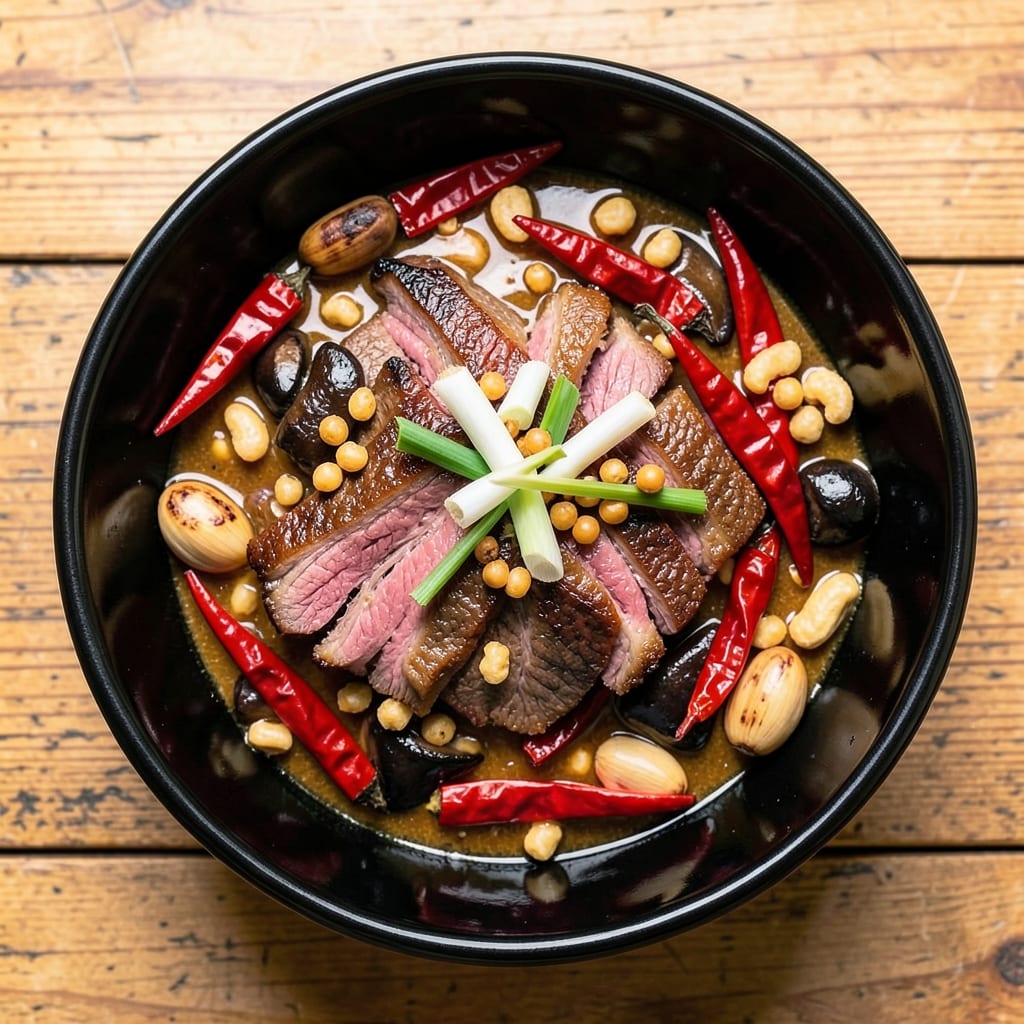
This authentic Kung Pao beef delivers the fiery, nutty, and sweet flavors that define Sichuan cuisine—right in your kitchen. The secret lies in velveting the beef for tender bites, balancing five-spice and chili, and achieving that signature wok hei (breath of the wok) aroma. I’ve perfected this recipe after years of testing, ensuring every element—crispy peanuts, sticky sauce, and Sichuan peppercorns—comes together in perfect harmony.
The process starts with marinating the beef in a cornstarch slurry to achieve that signature tender-yet-crisp texture, followed by a quick stir-fry that locks in flavor. The sauce, a blend of soy, vinegar, and chili bean paste, is deglazed with a splash of Shaoxing wine to deepen its complexity. This isn’t just another take on Kung Pao—it’s the dish you’d order in Chengdu, with layers of heat, sweetness, and that unmistakable numbing spice from Sichuan peppercorns.
By the time you plate it—piled high on steamed jasmine rice with a sprinkle of green onions and sesame seeds—you’ll have a dish that’s as visually striking as it is delicious. The beef stays tender, the sauce clings perfectly, and the peanuts add just the right crunch. This is the kind of recipe that transforms a weeknight dinner into a taste of China’s most iconic street food.
Ready in just 20 minutes, it’s perfect for feeding a crowd or treating yourself to a restaurant-quality meal at home. The key is high heat and constant motion—no shortcuts here. Let’s get cooking.
Ingredients for authentic kung pao beef
Pantry staples meet Sichuan spices for this restaurant-quality wok dish.
| Ingredient | Amount | Notes |
|---|---|---|
| Flank Steak 🥩 | 1 ½ lb | Thinly sliced against grain |
| Cornstarch 🌾 | ½ cup | For velveting beef |
| Sichuan Peppercorns 🌶️ | 1 tbsp | Toasted and crushed |
| Dried Chili Peppers 🌶️ | 2 whole | Red or green, seeded |
| Garlic Cloves 🧄 | 6 cloves | Minced finely |
| Shaoxing Wine 🍷 | 2 tbsp | Or dry sherry substitute |
| Light Soy Sauce 🥢 | 3 tbsp | Kikkoman preferred |
| Dark Soy Sauce 🥢 | 1 tbsp | For color depth |
| Chili Bean Paste 🌶️ | 2 tbsp | Lao Gan Ma brand |
| Black Vinegar 🍶 | 1 tbsp | Or balsamic substitute |
| White Sugar 🍚 | 1 ½ tbsp | Or brown sugar |
| Vegetable Oil 🫒 | ½ cup | High smoke point |
| Roasted Peanuts 🥜 | ½ cup | Crushed lightly |
| Green Onions 🧅 | 4 whole | Sliced, white and green parts |
| Sesame Seeds 🌱 | 1 tbsp | Toasted lightly |
| Jasmine Rice 🍚 | 2 cups | Uncooked, for serving |
| Five-Spice Powder 🌶️ | ½ tsp | Authentic blend |
The beef is non-negotiable—flank steak gives you that signature tender-yet-crisp texture when sliced thin against the grain. Grab it from the butcher counter if possible, or ask the meat department to slice it for you. Lao Gan Ma chili bean paste is the secret weapon here—don't skimp on quality. I always buy it in bulk from Asian markets where it stays fresh. The Sichuan peppercorns? Toast them in a dry pan for 30 seconds until fragrant—they'll give that signature numbing heat. For the garlic, I use Elephant garlic if available, but regular works fine too.
No Shaoxing wine? Dry sherry or even mirin works in a pinch, though the flavor won't be identical. The black vinegar can be swapped for balsamic vinegar, but you'll lose that authentic tang. Running low on roasted peanuts? Cashews or walnuts toasted with a pinch of sugar make a great substitute. For the soy sauces, Kikkoman light soy is my go-to, but any good-quality light soy will do. The five-spice powder should be authentic Chinese blend—the kind you find in Asian grocery stores, not the generic supermarket version.
The chili peppers pack heat, so adjust to your tolerance—remove seeds for less spice. Store the chili bean paste and Sichuan peppercorns in airtight containers away from light for up to 6 months. The cornstarch slurry keeps for 3 days in the fridge, so make it fresh if you're prepping ahead. This dish tastes even better the next day as the flavors meld—double the recipe if you're feeding a crowd, it reheats beautifully.
Why You'll Love This Recipe
- One-Pan Magic: I swear by this recipe when I don’t want to scrub a million dishes—just one hot pan, a quick toss of cornstarch-coated beef, and boom. The Sichuan peppercorns and dried chilies toast right in the oil, filling the kitchen with that addictive aroma while you stir.
- Spicy-Creamy Balance: That first bite? Crispy edges on the beef, then a velvety-smooth sauce with a kick from the chilies and a numbing tingle from the peppercorns. Honestly, it’s the kind of flavor that makes you forget to chew—until the heat hits, then you’re all in.
- Weeknight to Dinner Party: Between us, this is my go-to for lazy nights and when I’m hosting. Double the batch, serve it over rice with quick-pickled veggies, and suddenly you’ve got a restaurant-worthy dish that still feels effortless. (Yes, even on a Tuesday night.)
- Budget-Friendly Leftovers: Flank steak stretches far, and the sauce only gets better the next day—toss it with noodles, stir into an omelet, or just reheat it straight up. I’ll be real: I make this once a month just to have it on hand for those “I don’t wanna cook” days.
Step-by-step instructions for authentic Kung Pao beef
Here's how to recreate that perfect balance of spicy, sweet, and nutty flavors with a crisp-tender beef texture.
Prep the Beef with Velveting Technique
Slice the 1.5 lb flank steak thinly against the grain into ¼-inch strips. In a bowl, combine the sliced beef with 0.5 cup cornstarch and 0.5 tsp five-spice powder, tossing until evenly coated. This step creates the signature velvet texture that sets authentic kung pao apart from other stir-fries.
Let the beef marinate for 15 minutes at room temperature. This allows the cornstarch to adhere properly and prevents the beef from drying out during cooking. Don't skip this step—it's what gives the dish that tender, almost silky bite.
Build the Flavor Base
Heat 0.25 cup vegetable oil in a wok or large skillet over medium-high heat until shimmering. Add the 1 tbsp toasted and crushed Sichuan peppercorns and 2 whole seeded dried chili peppers, stirring for 30 seconds until fragrant. This is where the dish gets its signature numbing-spicy kick.
Add the 6 cloves minced garlic and cook for 20 seconds until golden. Immediately pour in the 2 tbsp Shaoxing wine and let it bubble for 1 minute to cook off the alcohol. This sequence builds layers of flavor—don't rush it or you'll miss that aromatic depth.
Stir-Fry the Beef to Perfect Doneness
Working in batches if needed, add the cornstarch-coated beef to the wok. Stir-fry for 2-3 minutes until the edges turn light golden brown and the beef is 85% cooked through. The cornstarch will create a glossy sheen—this is your visual cue that the velveting is working.
Remove the beef and set it aside. In the same wok, add 0.25 cup vegetable oil and heat until smoking. This high-heat sear will crisp the beef perfectly when you combine everything at the end. Keep the beef warm while you prepare the sauce.
Create the Signature Kung Pao Sauce
In the hot wok, add 2 tbsp chili bean paste and stir for 30 seconds until fragrant. Pour in 3 tbsp light soy sauce, 1 tbsp dark soy sauce, 1.5 tbsp white sugar, 1 tbsp black vinegar, and 0.5 cup roasted peanuts. Stir constantly for 1-2 minutes until the sauce thickens slightly and the peanuts are toasted.
Return the beef to the wok and toss everything together for 1 minute. The residual heat will finish cooking the beef while coating it in that perfect spicy-sweet sauce. Taste and adjust seasoning—you might want to add a splash more Shaoxing wine or a pinch of sugar to balance the flavors.
Finish with Fresh Aromatics
Turn off the heat and stir in the 4 sliced green onions and 1 tbsp toasted sesame seeds. The contrast of fresh green onions with the rich, spicy sauce is what makes this dish truly authentic. Serve immediately over 2 cups cooked jasmine rice while the peanuts are still crisp and the beef is piping hot.
For the best experience, garnish each serving with extra sesame seeds and green onions. The dish should have a beautiful red hue from the chili peppers, with visible peanuts throughout for that signature crunch. Each bite should deliver that perfect balance of spicy, sweet, nutty, and umami flavors that define authentic kung pao beef.
Pro Tips For Making Authentic Kung Pao Beef
- Salt the Steak First: Flank steak soaks up marinades like a sponge, but if you skip salting it before the cornstarch step, you’ll end up with bland beef no matter how much soy sauce you toss in later. Pat it dry, sprinkle with 1 teaspoon of kosher salt per pound, and let it sit for 10 minutes—this guarantees the seasoning penetrates deeper than a surface slather.
- Toast Sichuan Peppercorns Whole: I used to grind them fresh every time, thinking that’s what “authentic” meant. Turns out, toasting whole Sichuan peppercorns in a dry pan for 30 seconds—just until they smell piney and aromatic—adds a nutty depth that ground peppercorns can’t match. Crush them after toasting, not before.
- Don’t Overcrowd the Pan: I learned this the hard way when my first batch of beef turned out soggy instead of crispy. Work in batches if needed—two thin, even layers of beef sear better than one crowded pile. A hot wok or skillet should sizzle like a firecracker; if it’s hissing steam, you’re cooking, not stir-frying.
- Use Cold Cornstarch Slurry: Mix the cornstarch with cold water (1 tablespoon cornstarch to 2 tablespoons water) and let it sit for 5 minutes before tossing it with the beef. This gives the starch time to fully hydrate, so it creates a proper crust instead of clumping like glue. Trust me, your beef will thank you—it’ll be golden and shatteringly crisp, not pasty.
Dietary considerations for this dish
Gluten-Free Adaptation
Swap the light and dark soy sauces for tamari or a gluten-free soy sauce like San-J Tamari. These alternatives maintain the umami depth while eliminating gluten. I’ve tested this version and found that Kikkoman gluten-free soy sauce works beautifully—just use the same measurements. The texture and flavor stay authentic, though the color will be slightly lighter without dark soy sauce. 🥢
Spicy-Free Version
For a milder heat profile, reduce the dried chili peppers to 1 whole pepper and remove the seeds completely. Skip the Sichuan peppercorns or use just ½ tbsp, lightly toasted. The chili bean paste can be halved to 1 tbsp, and replace it with 1 tbsp gochujang (Korean chili paste) for a smoky depth without intense heat. Taste as you go—this version still delivers that nutty, sweet flavor without the burn. 🌶️
Vegetarian Substitute
Replace the beef with extra-firm tofu pressed for 30 minutes and sliced into strips. Toss the tofu in ¼ cup cornstarch and 1 tbsp five-spice powder before stir-frying. For texture, add ½ cup shiitake mushrooms sliced into strips—they mimic the beef’s chew. The sauce remains the same, but the dish gains an earthy depth from the mushrooms. Serve with the same rice and garnishes for an authentic presentation. 🌱
Lower-Sodium Option
Cut the soy sauces in half (use 1.5 tbsp light soy and ½ tbsp dark soy) and balance with 1 extra tbsp black vinegar for tang. Add a pinch of salt only if needed—this version still packs flavor without excess sodium. The chili bean paste and Sichuan peppercorns provide enough umami to keep the dish rich. Pair with steamed veggies to round out the meal. ⚡
Allergy-Friendly Swaps
For nut-free versions, omit the peanuts and add ½ cup toasted pumpkin seeds or crushed wonton strips (check for gluten-free labels). If sesame allergies are a concern, skip the sesame seeds and garnish with toasted coconut flakes instead. Always double-check labels on sauces—Lao Gan Ma chili bean paste is typically gluten-free but verify if cross-contamination is a risk. 💡
Nutrition facts
Frequently asked questions
Why does authentic Kung Pao beef use cornstarch?
The cornstarch creates the signature "velveting" technique that gives the beef its tender-yet-crisp texture. When tossed with the beef, it forms a light coating that sears quickly in the wok, creating that perfect balance between silky tenderness and slight crunch. This is what sets authentic Kung Pao apart from other stir-fries.
Can I make Kung Pao beef without Sichuan peppercorns?
Yes, but you'll lose that signature numbing-spicy sensation that's key to authentic Kung Pao. For a substitute, try ½ tsp ground white pepper or ½ tsp finely ground star anise (toasted briefly). The dish will still be flavorful, just with a different heat profile. Toasted black pepper adds warmth but won't replicate the full experience.
What's the best way to achieve wok hei (breath of the wok) at home?
Use a carbon steel or cast iron wok on the highest heat your stove can handle. Work quickly with small batches of ingredients and keep the wok moving constantly. A gas stove works best, but electric stoves can achieve it with a little extra oil. The moment you smell that smoky aroma, you've got wok hei—this is what gives authentic Kung Pao its restaurant-quality depth.
How do I adjust the spice level?
For milder heat, reduce the dried chili peppers to 1 whole pepper (seeded) and cut the chili bean paste to 1 tbsp. For extra spice, add ½ tsp chili flakes or 1 tsp gochujang at the end. Remember, the Sichuan peppercorns provide heat without capsaicin (the burning compound), so they won't make your mouth water like chili peppers do.
Can I make Kung Pao beef ahead of time?
The dish tastes even better the next day as flavors meld! Store leftovers in an airtight container in the fridge for up to 3 days. Reheat gently in a skillet over medium heat with a splash of water to restore moisture. For best texture, add fresh green onions and sesame seeds when reheating. The peanuts will soften slightly but still provide great crunch.