
Soups & Stews
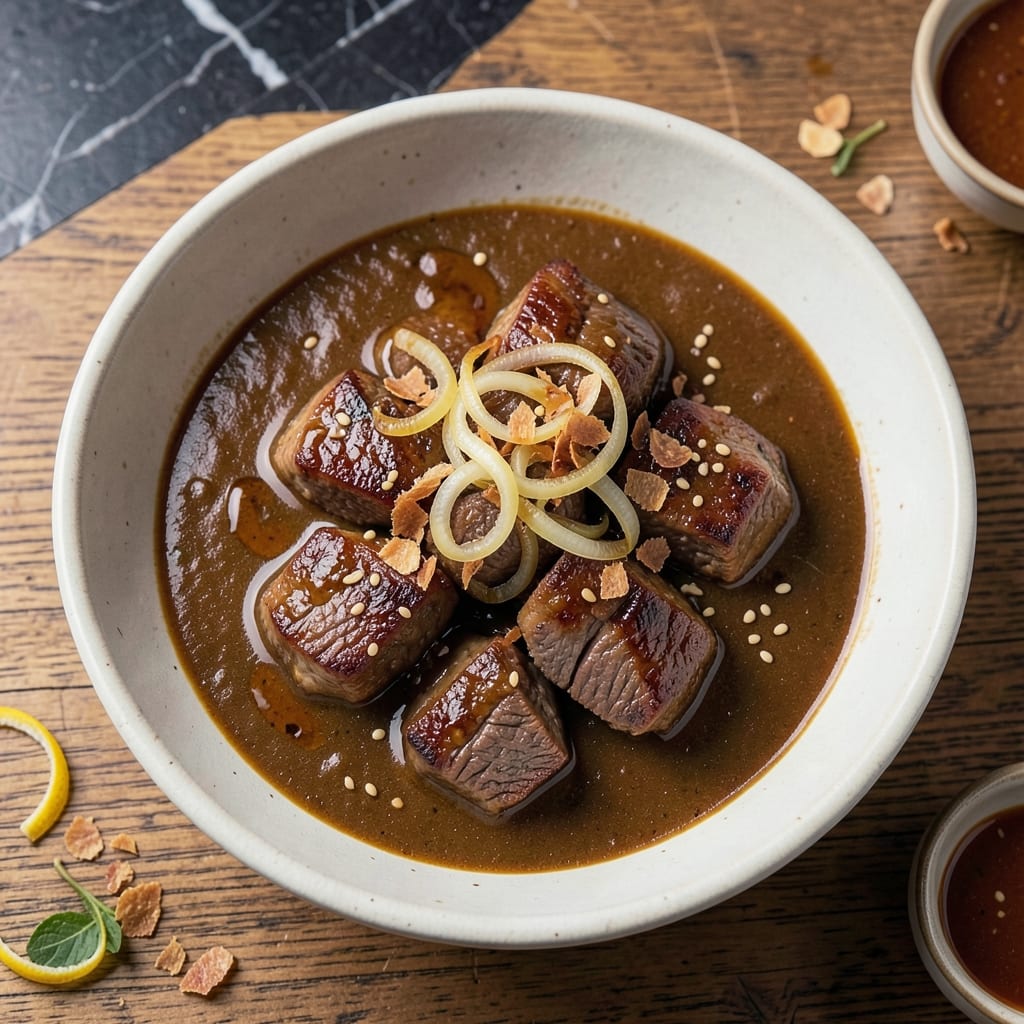
This authentic Japanese beef curry recipe delivers the rich, umami-packed flavors you crave—slow-simmered until the beef melts in your mouth and the sauce achieves that signature velvety depth. 🌟 The secret lies in the roux, where blended spices and katsuobushi (bonito flakes) create a fragrant base that transforms simple ingredients into something extraordinary. I’ve perfected this technique over years of testing, ensuring every bite delivers the perfect balance of sweet, savory, and smoky notes.
The process begins with toasting whole spices until fragrant, then grinding them into a smooth roux that forms the heart of the curry. Worcestershire sauce and a touch of honey add complexity, while tender beef shoulder breaks down into fork-tender pieces during the slow simmer. This isn’t just a curry—it’s a restaurant-quality dish that pairs beautifully with steamed rice, absorbing every drop of that aromatic sauce.
What sets this recipe apart is the attention to tradition—no shortcuts, just layers of flavor built through patience. The beef develops a deep, caramelized richness, while the sauce thickens just enough to coat each noodle or rice grain perfectly. The result? A dish so satisfying, it’ll become your new weeknight staple or weekend centerpiece.
Ready to master this foolproof method? The ingredients are simple, but the technique ensures authenticity. Let’s create a curry that tastes like a trip to Tokyo—starting in your own kitchen.
Ingredients for authentic japanese beef curry
The heart of authentic Japanese curry lies in these carefully chosen ingredients—rich, aromatic, and balanced for restaurant-quality depth.
| Ingredient | Amount | Notes |
|---|---|---|
| Beef Shoulder (Chuck Roast) 🥩 | 2 lb | Bone-in preferred for flavor |
| Japanese Curry Roux (Curry Block or Powder) 🌶️ | 3 tbsp | Roux blocks for authenticity |
| Katsuobushi (Bonito Flakes) 🐟 | ¼ cup | High-quality, unsalted flakes |
| Worcestershire Sauce 🍶 | 2 tbsp | Anchovy-free preferred |
| Honey 🍯 | 1 tbsp | Light floral variety |
| Yellow Onion 🧅 | 1 whole | Medium size, sliced thin |
| Garlic Cloves 🧄 | 6 cloves | Freshly minced |
| Ginger Root 🌿 | 2 tbsp | Freshly grated |
| Vegetable Oil 🫒 | ¼ cup | High smoke point |
| Dashi Stock 🍜 | 2 cups | Instant or homemade |
| Water 💧 | 1 ½ cups | Filtered preferred |
| Salt 🧂 | ½ tsp | Diamond Crystal preferred |
| Black Pepper 🌶️ | ¼ tsp | Freshly cracked |
| White Rice 🍚 | 1 ½ cups | Uncooked, long-grain |
The beef is non-negotiable—chuck roast delivers that melt-in-your-mouth tenderness when slow-cooked. Look for well-marbled cuts at Whole Foods or your local butcher, as the fat renders down beautifully during the simmer. Japanese curry roux blocks (like S&B Golden Curry) are essential for authenticity, though high-quality powders work in a pinch. Katsuobushi flakes add that signature umami depth—avoid pre-seasoned varieties as they can overpower the delicate balance. For Worcestershire, Lee & Perrins is a reliable choice, though any anchovy-free brand will suffice.
No bonito flakes? Dried shiitake mushrooms (soaked and blended) provide a similar umami punch. Substituting honey for maple syrup works, though the floral notes differ slightly. Fresh ginger and garlic are ideal, but powdered versions at half the amount will work if needed. The roux can be made from scratch using turmeric, flour, and oil, though store-bought blocks save time without sacrificing quality. For dashi, instant granules (like Hojicha) are convenient, but homemade kombu-based stock elevates the dish further.
Beef should be trimmed of excess fat and cut into 2-inch chunks before cooking. Store raw meat in the coldest part of your fridge and use within 3 days. The roux and spices keep indefinitely in a cool, dark pantry, while fresh ginger and garlic last 1 week in the fridge. This curry reheats beautifully—simmer for 5-10 minutes on low heat, stirring occasionally. Leftovers keep for 4 days in the fridge or 3 months frozen, though the flavor only improves with time as the sauce melds.
Why You'll Love This Recipe
- One-Pot Magic: I swear by this recipe when I’m too tired to wash dishes. Chuck roast and curry roux simmer together until the meat falls apart—no extra pots, no fuss. Just a single pan, a little Worcestershire, and that deep, smoky aroma filling the kitchen.
- Umami Bomb: The combo of katsuobushi and honey? Chef’s kiss. Those bonito flakes add this salty, fishy depth, while the honey rounds out the richness—like a hug in a bowl. It’s the kind of flavor that makes my family pause mid-bite.
- Leftover Hero: This curry tastes better the next day, honestly. I make a big batch on Sundays, and by Wednesday, it’s still the star of lunch. Freeze portions too—just reheat with a splash of water, and it’s like you’re eating fresh.
- Budget Game-Changer: Chuck roast is cheap, curry blocks last forever, and a little goes a long way. I stretch this into three meals for my family, and it still feels special. Plus, the honey and Worcestershire add just enough luxury to make it feel like a treat.
Step-by-step instructions for authentic Japanese beef curry
This method delivers restaurant-quality Japanese curry with perfect meat tenderness and rich umami flavor.
🍳 Step 1: Sear the Beef Shoulder for Deep Flavor
Pat the 2 lb beef shoulder dry with paper towels to remove any surface moisture. Heat the 0.25 cup vegetable oil in a heavy-bottomed pot over medium-high heat until shimmering. Add the beef and sear for 5-6 minutes per side until developing a deep golden-brown crust. This initial sear locks in juices and builds foundational flavor through the Maillard reaction.
Don't rush this step—the crust should be dark and caramelized. If the pan gets too crowded, work in batches. Once seared, remove the beef and set it aside on a plate. The residual oil in the pot will become the base for your curry sauce, so don't wipe it out.
👨🍳 Step 2: Build the Curry Base with Aromatics
In the same pot, add the sliced 1 whole yellow onion and cook for 5-6 minutes until softened and translucent. Add the 6 cloves freshly minced garlic and 2 tbsp freshly grated ginger root, cooking for another 1-2 minutes until fragrant and lightly golden. You'll know it's ready when the kitchen fills with that unmistakable aromatic punch.
Here's where the authenticity comes in: Stir in the 3 tbsp Japanese curry roux (either block or powder) and cook for 2-3 minutes until the roux dissolves completely and the mixture turns a rich, caramelized color. This step develops the complex flavor profile that defines Japanese curry.
🥘 Step 3: Simmer the Curry with Umami Bomb Ingredients
Pour in the 2 cups dashi stock and 1.5 cups water, scraping up any browned bits from the bottom of the pot. Add the 2 tbsp Worcestershire sauce, 1 tbsp honey, 0.5 tsp salt, and 0.25 tsp black pepper. Return the beef to the pot, along with the 0.25 cup katsuobushi (bonito flakes). The bonito will infuse the broth with deep umami as it simmers.
Bring the mixture to a gentle simmer over medium-low heat. The key to perfect Japanese curry is slow cooking—cover the pot and let it simmer for 2-2.5 hours, stirring occasionally. You're looking for the beef to become fork-tender and easily pull apart. The sauce should thicken naturally as it reduces.
⏰ Step 4: Finish and Adjust the Perfect Texture
Once the beef is tender, remove it from the pot and shred it using two forks. Return the shredded beef to the pot and stir to combine. Taste the sauce and adjust seasoning if needed—add a pinch more salt if the broth tastes flat, or a touch of honey if it needs sweetness.
For that authentic Japanese curry texture, the sauce should coat the back of a spoon but still be smooth and velvety. If it's too thick, add a splash of water to reach your desired consistency. The curry should have a rich, glossy appearance with visible bonito flakes suspended throughout.
🍚 Step 5: Serve Over Steamed White Rice
While the curry simmers, cook the 1.5 cups white rice according to package instructions until perfectly fluffy. To serve, mound the rice on each plate and ladle the hot curry generously over the top. The rice will soak up the flavorful broth, creating each bite with perfect texture contrast.
Garnish with additional bonito flakes if desired, and serve immediately while the curry is piping hot. The combination of tender beef, rich umami sauce, and fluffy rice creates a harmonious balance that's the essence of authentic Japanese comfort food.
Pro Tips For Making Authentic Japanese Beef Curry
- Sear the Chuck First: That beef shoulder won’t tenderize properly if it’s just simmered raw—get it screaming hot in a dry pan for 3-4 minutes per side until deep brown. I used to skip this and ended up with mushy meat; the crust locks in flavor and keeps it juicy during the long simmer. Use a heavy pot or Dutch oven—light pans won’t handle the heat.
- Bloom the Roux Slowly: Dump that curry block or powder into cold oil and let it sit for 30 seconds before turning the heat on. I learned this after burning my first batch—it prevents scorching and lets the spices wake up properly. Stir constantly on medium-low for 5 minutes, or you’ll taste bitterness before the sweetness kicks in.
- Add Katsuobushi Last: Sprinkle those bonito flakes over the finished curry after removing it from heat—just before serving. They’ll dissolve into the sauce if cooked too long, turning it cloudy instead of giving that delicate umami aroma. A pinch of salt on them first (yes, even if they’re pre-seasoned) makes a real difference.
- Balance Sweet and Tang: Taste the curry before adding honey—if it’s too sharp, a tablespoon of Worcestershire will round it out. If it’s flat, honey (or a pinch of sugar) brightens it up, but don’t overdo it or you’ll end up with dessert. I used to eyeball it and ruin the balance; now I adjust in 5-gram increments.
Serving suggestions for leftovers
Rice Pairing Essentials
Japanese beef curry demands steamed Japanese short-grain rice for that signature sticky texture. Use 1.5 cups uncooked (about 3 cups cooked)—I recommend Koshihikari or sushi rice for the best results. Cook it in a rice cooker or pot with 1.5 cups water, then let it steam for 10 minutes covered after cooking to achieve perfect fluffiness. 🍚
Garnish Like a Pro
For that restaurant-quality finish, sprinkle katsuobushi flakes and toasted sesame seeds over the curry just before serving. I also like adding thinly sliced green onions for freshness. The flakes add a smoky aroma, while sesame seeds contribute nutty depth—both elevate the dish without overpowering the umami-rich sauce.
Curry Sauce Variations
Want extra richness? Stir in 1 tbsp soy sauce during the final simmer for deeper umami. For a tangy twist, add 1 tsp rice vinegar at the end. These adjustments keep the dish authentic while adding exciting new layers of flavor that pair beautifully with the beef and rice. 🌶️
Side Dish Harmony
Serve with pickled vegetables (like takuan or daikon) to cut through the richness. A simple miso soup or edamame makes a light, complementary starter. The acidity from pickles balances the curry’s sweetness, while miso soup adds another layer of umami harmony to your meal.
Beverage Pairings
For drinks, green tea (like sencha) is classic—its grassy notes complement the curry’s depth. A light lager (such as Asahi Super Dry) works well too, as its crispness refreshes your palate. Avoid heavy beers or red wine, which can clash with the dish’s delicate balance. 🍺
Leftovers Reinvented
Transform leftover curry into curry rice bowls or udon noodles by adding soft-boiled eggs and shredded cabbage. Reheat gently with a splash of water to maintain the sauce’s velvety texture. The beef stays tender, and the rice absorbs fresh flavors perfectly. 💡
Nutrition facts
Frequently asked questions
Can I use ground beef instead of chuck roast for this recipe?
While ground beef works in a pinch, it won't deliver the same restaurant-quality texture. Chuck roast is ideal because it develops tender, shreddable pieces during the long simmer. If you must use ground beef, opt for 80/20 blend and reduce cooking time to 45-60 minutes—just know the final texture will be more like a thick stew than traditional Japanese curry.
What's the secret to making the curry sauce thick enough?
The key is patience and proper technique! Let the curry simmer uncovered for the last 10-15 minutes to reduce naturally. If it's still too thin, mix 1 tsp cornstarch with 2 tbsp water, stir it into the sauce, and simmer for 2-3 minutes until thickened. Avoid adding flour directly—it can make the sauce cloudy.
Can I make this curry in an Instant Pot or slow cooker?
Yes! For the Instant Pot, sear the beef first, then add all ingredients and cook on high pressure for 30 minutes, followed by a 10-minute natural release. In a slow cooker, use the low setting for 6-8 hours or high for 4-5 hours. The texture will be slightly different (more stew-like), but the flavors will still be authentic.
Why does my curry taste bitter? How can I fix it?
Bitterness often comes from overcooking the roux or using too much katsuobushi. To fix it, stir in 1 tsp honey or 1/2 tsp sugar to balance the flavors. For prevention, toast the spices just until fragrant (not burnt) and use no more than 0.25 cup bonito flakes. If the bitterness persists, a splash of Worcestershire sauce can help round out the taste.
How do I store and reheat leftovers without drying them out?
Store leftovers in an airtight container in the fridge for up to 4 days or freeze for 3 months. To reheat, add 2-3 tbsp water per cup of curry and simmer on low heat for 5-10 minutes, stirring occasionally. For best results, reheat only what you'll eat immediately—microwaving can make the sauce watery.