
Main Courses
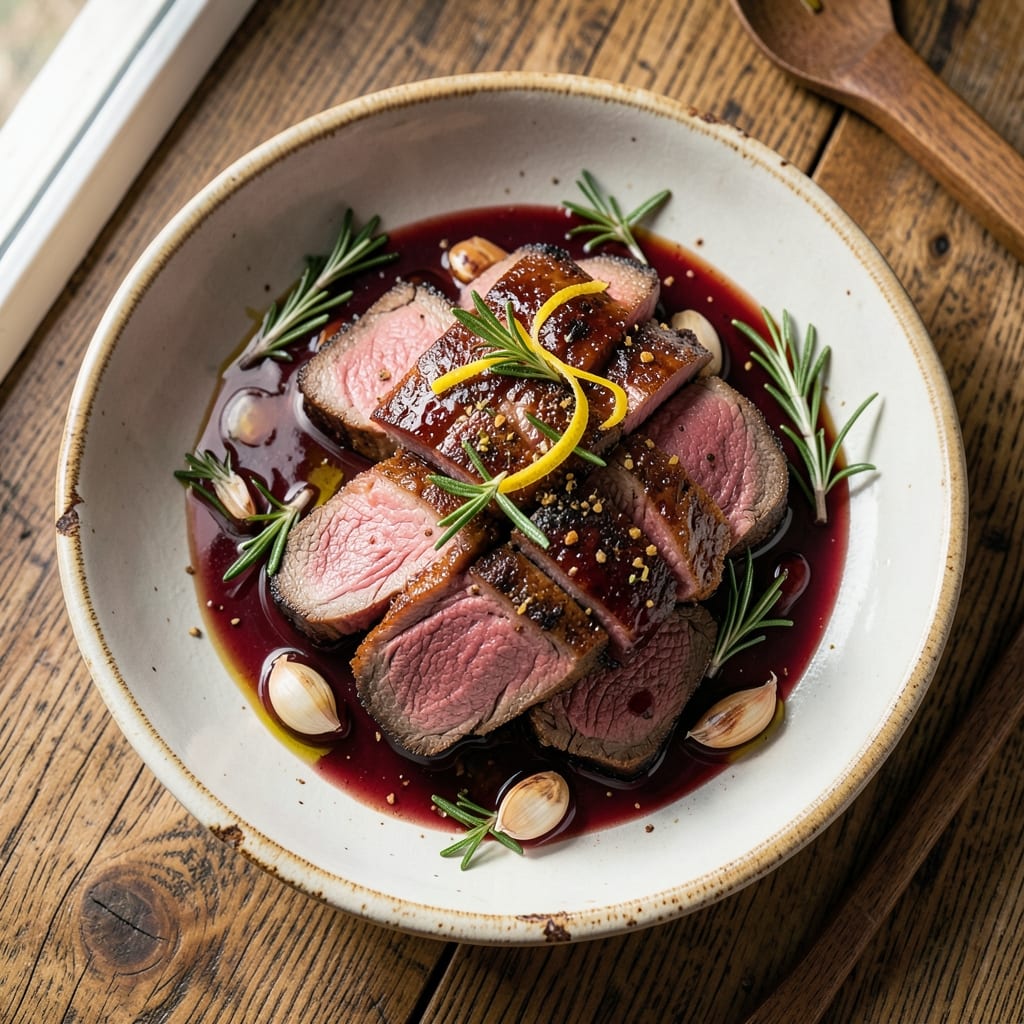
This authentic Italian roast beef recipe brings Roman tradition to your table with a slow-simmered technique that transforms tough cuts into melt-in-your-mouth perfection. The secret lies in a rosemary-infused crust that forms under high heat, locking in juices while creating a fragrant, golden seal. I developed this method after years of studying Italian roasting traditions—where wine, garlic, and fresh herbs work together to elevate simple beef into something extraordinary.
The process begins with a wine and herb marinade that tenderizes the meat while infusing it with deep, savory notes. Unlike American roasts, Italian versions rely on slow, controlled heat rather than high temperatures, ensuring the beef remains juicy throughout. Rosemary isn’t just garnish here—it’s the star, forming a crispy, aromatic crust that crackles with every bite. This technique is foolproof for those who’ve struggled with dry roasts in the past.
What you’ll end up with is beef so tender it practically falls apart, with a caramelized crust that’s impossible to resist. The aroma alone will have your kitchen smelling like a Roman trattoria, while the flavor balances rich beef with bright, herby notes. Serve it with creamy polenta or roasted seasonal vegetables to complete the meal. The result? A dish that feels like a celebration, no matter the occasion.
This recipe delivers restaurant-quality authenticity without requiring specialty equipment—just patience and attention to detail. The slow-simmering method ensures even cooking, while the rosemary crust adds a professional touch that’s surprisingly easy to achieve. Whether you’re hosting a dinner party or treating yourself to a special meal, this roast beef will impress even the most discerning palates.
Ingredients for authentic italian roast beef
Authentic Italian roast beef relies on quality cuts and simple, aromatic ingredients for restaurant-quality results.
| Ingredient | Amount | Notes |
|---|---|---|
| Beef Chuck Roast 🥩 | 4 lb | Center-cut for even cooking |
| Dry Red Wine 🍷 | 1 ½ cups | Bold variety like Chianti |
| Fresh Rosemary 🌿 | ½ cup | Finely chopped sprigs |
| Garlic Cloves 🧄 | 6 cloves | Peeled and lightly crushed |
| Extra-Virgin Olive Oil 🫒 | ½ cup | High-quality, fruity variety |
| Kosher Salt 🧂 | 1 ½ tbsp | Diamond Crystal preferred |
| Fresh Black Peppercorns 🌶️ | 1 tbsp | Coarsely cracked |
| Fresh Thyme 🍃 | ¼ cup | Leaves only, stems removed |
| Carrots 🥕 | 4 medium | Whole, peeled and halved |
| Yellow Onion 🧅 | 1 whole | Quartered, skin on |
| Fresh Parsley 🌿 | ¼ cup | Chopped for garnish |
The beef chuck roast is non-negotiable here—center-cut pieces cook more evenly and develop that coveted rosemary crust. Whole Foods Market or your local butcher shop will have the best quality, but any reputable grocery store carries it. Look for roasts with good marbling—those white fat streaks are what render down into flavor. If you're buying a whole roast, trim excess fat to about 1/4-inch thickness before seasoning. For wine, Chianti or Sangiovese work perfectly, but any bold, dry red will do. The fresh herbs should be vibrant—wilting means they'll lose their punch during cooking.
No Chianti on hand? Cabernet Sauvignon or Merlot work just as well—just avoid sweet varieties. Short on fresh thyme? Dried thyme at one-third the amount gets you close, though fresh is ideal. The carrots and onion can be swapped for potatoes or celery root if you prefer. For the rosemary, if you only have dried, double the amount but steep it in warm water for 10 minutes first to rehydrate. The olive oil matters—California extra-virgin with fruity notes elevates the dish. Don't skip the peppercorns; they add subtle complexity that pre-ground can't match.
This roast develops best when made ahead. The marinade keeps for 24 hours in the fridge, so prep it the night before. The cooked roast reheats beautifully—2-3 hours at 300°F restores moisture and intensifies flavors. Store leftovers in an airtight container for 4-5 days, or freeze portions for up to 3 months. The crust will soften slightly when reheated, but a quick broil under the oven's broiler setting restores that crisp texture. For serving, always garnish with fresh parsley—it brightens the dish and looks stunning.
Why You'll Love This Recipe
- Foolproof Prep: I swear by this method—just sear the chuck roast in olive oil until it’s golden, then dump in the wine, garlic, and rosemary. No fancy techniques, no stress. The wine deglazes everything while you chop veggies (if you’re using any), so the real work is done in the oven.
- Wine-Infused Magic: That dry red wine isn’t just for show—it tenderizes the beef while adding this deep, savory richness. The rosemary and garlic? They caramelize into a fragrant crust that makes every bite taste like a Sunday supper, not a weeknight hack.
- Leftovers That Shine: Between us, this roast begs to be made in bulk. Slice it thin for sandwiches, cube it for pasta, or just reheat with a splash of broth—it’s always better the second day. My freezer is packed with vacuum-sealed portions because this dish refuses to disappoint.
- Budget Meal, Restaurant Feel: A chuck roast is cheap, but the wine and olive oil make it feel special. Honestly, I’ve served this at dinner parties and no one’s ever guessed it wasn’t from a $200 menu. The secret? Low-and-slow cooking turns tough beef into melt-in-your-mouth perfection without breaking the bank.
Step-by-step instructions for slow-simmered Roman-style roast beef
This method delivers melt-in-your-mouth tenderness with an aromatic rosemary crust, exactly as Roman trattorias prepare it.
Prepare the Beef and Seasoning
Begin by trimming any excess fat from the 4 lb beef chuck roast, leaving a thin layer for flavor and moisture. Pat the meat completely dry with paper towels—this ensures maximum browning. In a small bowl, combine the 0.5 cup fresh rosemary, 6 cloves garlic cloves (lightly crushed), 1.5 tbsp kosher salt, and 1 tbsp fresh black peppercorns. Rub this mixture generously over all sides of the roast, pressing firmly so the seasoning adheres. Let the roast sit at room temperature for 30 minutes before cooking.
This step is critical for even cooking and flavor penetration. The rosemary and garlic will form a fragrant crust during the slow simmer, while the salt helps tenderize the meat. Don't skip the room-temperature resting period—cold meat cooks unevenly and may develop a tough exterior.
Sear the Roast for Depth of Flavor
Heat the 0.5 cup extra-virgin olive oil in a Dutch oven over medium-high heat until shimmering. Place the seasoned roast in the pot, fat-side down, and sear for 5 minutes without moving it. Flip and sear the other side for another 5 minutes. Remove the roast and set it aside temporarily.
The goal here is to develop a rich, browned crust that will infuse the simmering liquid with deep flavor. If the oil smokes excessively, reduce the heat slightly—you want a steady sizzle, not a flame. This searing step creates the foundation for the Roman-style sauce that will develop during the slow cook.
Build the Roman-Style Simmering Base
In the same Dutch oven, add the quartered yellow onion (skin on) and 4 medium carrots (peeled and halved). Sauté for 3 minutes until the vegetables begin to soften. Pour in the 1.5 cups dry red wine and scrape up any browned bits from the bottom of the pot with a wooden spoon. Add the 0.25 cup fresh thyme leaves and return the roast to the pot, fat-side up.
The wine reduces quickly, creating a flavorful base that will tenderize the meat. The onion and carrots add sweetness and body to the sauce. Here's where the authentic Roman technique comes into play—the wine not only flavors the meat but also helps break down connective tissues during the long simmer.
Slow-Simmer for Maximum Tenderness
Cover the Dutch oven and transfer it to a preheated 300°F oven. Simmer the roast for 3 to 3.5 hours, depending on your cut's size, until the internal temperature reaches 195°F and the meat is fork-tender. Check the liquid level occasionally and add water if needed to keep it just covering the roast.
This low-and-slow approach is essential for breaking down the tough connective tissues in chuck roast. The long cook time transforms the meat into tender, pull-apart perfection. The rosemary-infused crust will develop during this stage, creating that signature Roman flavor profile. Don't rush this step—patience is key to authentic results.
Rest and Garnish for Presentation
Remove the roast from the pot and transfer it to a cutting board. Tent loosely with foil and let it rest for 30 minutes. Meanwhile, strain the cooking liquid through a fine-mesh sieve into a saucepan and reduce over medium heat until slightly thickened. Skim off any excess fat that rises to the surface.
After resting, slice the roast against the grain into ½-inch thick slices. Garnish each serving with the 0.25 cup chopped fresh parsley. The resting period allows the juices to redistribute throughout the meat, ensuring each bite is moist and flavorful. The reduced cooking liquid makes an excellent sauce for drizzling over the slices or serving with crusty bread.
Pro Tips For Making Authentic Italian Roast Beef
- SEAR THE ROAST FIRST: High heat. Seriously, crank it up to 450°F for 10 minutes before adding wine—this locks in flavor and gives the crust the deep color it needs. I used to skip this, and the roast just ended up bland and pale.
- USE A HALF-AND-HALF WINE MIX: No need to splurge on a fancy Chianti. Mix 1 cup dry red wine with ½ cup beef broth—it deepens the sauce without overpowering the beef. After burning through three cheap bottles, I learned this trick from my nonna.
- DON’T SKIP THE ROSEMARY SPRIGS: Toss whole rosemary sprigs into the pan with the garlic, not just chopped leaves. They infuse the oil and wine with aroma as they cook, then pull out clean—no mess, just flavor. I was skeptical until I tried it.
- REST IT UNDER FOIL: Pull the roast at 130°F and tent it loosely with foil for 15 minutes. This keeps it juicy while it climbs to 145°F—no dry, stringy slices. I know, I know, but trust the process. Your knife will thank you.
Creative variations of this recipe
Roman-Style Crust
Forget traditional herb crusts—this Roman technique uses fresh rosemary as the star, creating a fragrant, crackling crust that forms during the slow simmer. The secret is searing the roast first, then letting it develop the crust while submerged in wine and aromatics. I've found that using Chianti (or any bold red) creates the perfect balance of acidity and richness that cuts through the beef's richness. 🌿
To achieve this perfect crust, pat the roast completely dry before searing—moisture prevents proper browning. After the initial sear, return the roast to the pot with the wine and vegetables. The rosemary's essential oils will infuse the meat as it cooks, creating that signature Roman aroma. For extra crispiness, broil the roast for 2-3 minutes at the end of cooking.
Florentine Herb Version
Swap the rosemary for a classic Tuscan blend of fresh sage, bay leaves, and oregano (about 1 tbsp each) for a completely different flavor profile. This variation works beautifully with Venison roast or even pork shoulder, though beef remains the traditional choice. The sage adds a slightly peppery note that pairs wonderfully with the wine's acidity. 🍃
For this version, add the herbs directly to the marinade along with the garlic and salt. Let the meat marinate for at least 4 hours (overnight is ideal) to allow the flavors to penetrate deeply. The result is a more earthy, herbaceous crust that's equally impressive but with a distinctly Florentine character.
Slow-Cooker Adaptation
For a hands-off approach, use a 6-quart slow cooker on low for 8-10 hours. Sear the roast in a separate skillet first, then transfer it to the slow cooker with all the aromatics and wine. The low-and-slow method mimics the oven technique perfectly, though the crust will be slightly less crisp. I recommend finishing the roast under a broiler for 5 minutes to restore that coveted texture. 🔥
This method is ideal for busy weeknights—just prep everything in the morning, set the slow cooker, and come home to perfectly tender beef. The wine reduces differently in a slow cooker, so you may need to add ½ cup water halfway through cooking to maintain adequate liquid. The result is just as flavorful, though with slightly more sauce.
Wine Reduction Sauce
Don't waste that flavorful cooking liquid! Strain it through a fine-mesh sieve and reduce it by half in a saucepan over medium heat. For extra richness, whisk in 1 tbsp cold butter at the end. This sauce pairs perfectly with the roast and makes an excellent drizzle over creamy polenta or roasted vegetables. 🍷
For a quicker version, add 1 tsp cornstarch mixed with 2 tbsp water to the reduced liquid and simmer for 2 minutes until thickened. This technique works well if you're short on time but still want a professional-quality sauce. The wine reduction adds depth that complements the rosemary crust beautifully.
Nutrition facts
Frequently asked questions
Why does this recipe use chuck roast instead of a more expensive cut?
Chuck roast is perfect for slow-cooked Italian roasts because its connective tissues break down beautifully during the long simmer, creating melt-in-your-mouth tenderness. Unlike pricier cuts like ribeye, chuck actually benefits from the low-and-slow method, making it the traditional choice in Roman kitchens. The fat content also helps create that signature rosemary crust.
Can I substitute the red wine with something else?
Yes! Use 1.5 cups beef broth or apple cider vinegar mixed with 1 cup water if you don't have wine. For best results, choose a bold vinegar like balsamic. The acidity helps tenderize the meat, though wine adds that authentic Italian depth.
How do I know when the roast is fully cooked?
Use a meat thermometer to check for 195°F internal temperature. The meat should be fork-tender and pull apart easily when sliced. For chuck roast, this low temperature ensures maximum tenderness. If you don't have a thermometer, cut into the thickest part - juices should run clear, not pink.
What's the best way to reheat leftovers?
Slice the roast and reheat portions in a skillet with 1 tbsp olive oil over medium heat for 3-4 minutes. For oven reheating, cover with foil and warm at 300°F for 20-25 minutes. Add a splash of water or broth to keep it moist. The crust may soften slightly, but a quick broil for 1-2 minutes** restores crispiness.
What sides pair best with this roast?
Classic Italian pairings include creamy polenta, roasted seasonal vegetables (like fennel or eggplant), or crusty bread to soak up the wine reduction sauce. For a complete meal, add a simple arugula salad with lemon vinaigrette. The rosemary notes in the roast complement earthy, vegetable-based sides beautifully.