Soups & Stews
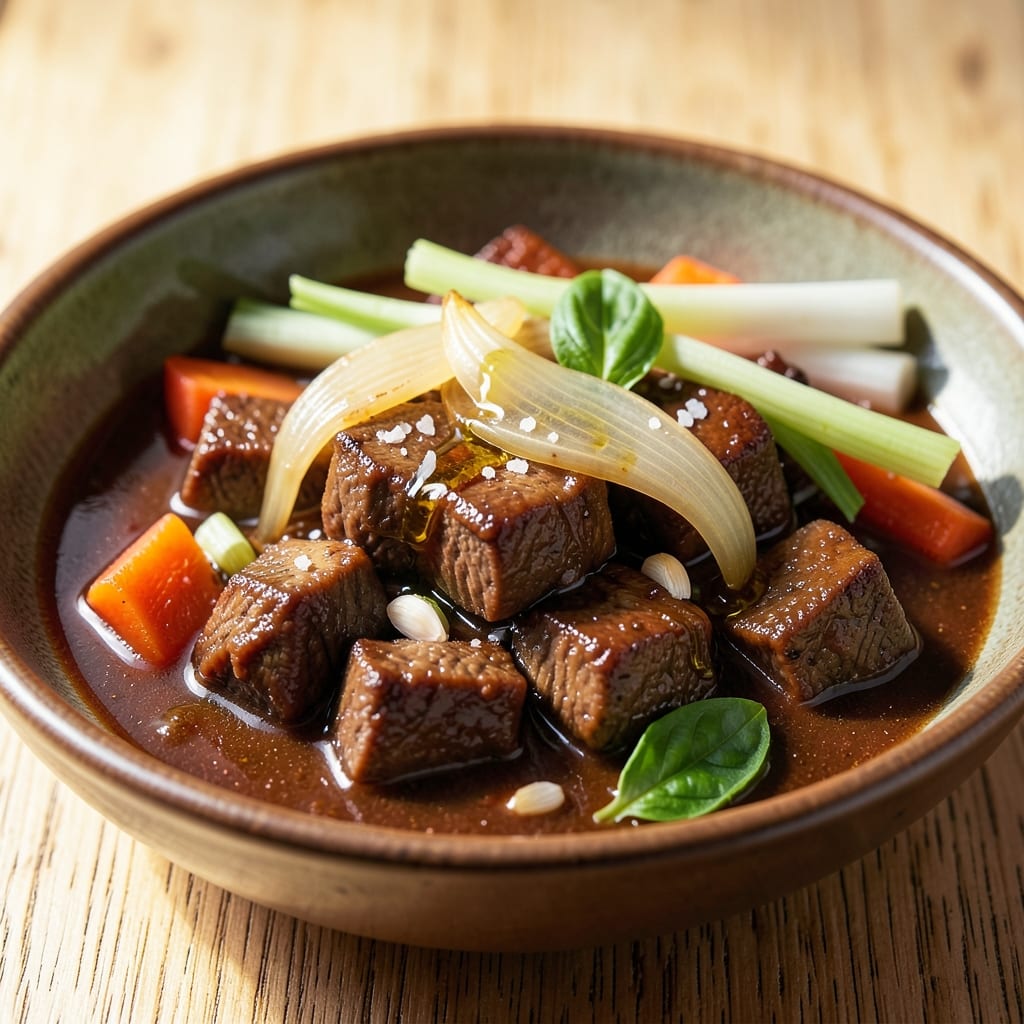
This authentic beef ragu recipe transforms simple ingredients into a deeply flavorful Italian classic that tastes like Nonna's kitchen. The secret lies in slow-simmering beef until it's fork-tender, building layers of umami through wine reduction and aromatic vegetables. I've perfected this technique over years of testing, ensuring every bite delivers that perfect balance of richness and depth.
What sets this ragu apart is the traditional approach: browning the beef deeply to develop a rich fond, deglazing with red wine to create a velvety base, and simmering for hours until the meat practically melts in your mouth. The result is a sauce that clings to pasta perfectly, with complex flavors that improve as it sits. This isn't just another beef stew—it's a restaurant-quality dish you can make at home.
The beauty of authentic ragu is its versatility—serve it over al dente pappardelle, creamy polenta, or even crusty bread to soak up every last drop of that luxurious sauce. The slow cooking process transforms tough cuts into tender pieces while developing deep, caramelized flavors that define Italian comfort food. This recipe delivers on both authenticity and satisfaction, making it perfect for family dinners or special occasions.
Once you taste the difference between this homemade version and store-bought sauces, you'll never go back. The key is patience and attention to detail, but the reward is a dish that feels like a hug in a bowl. Let's create something truly special together.
Ingredients for authentic beef ragu
Simple ingredients that build layers of umami—this is where Nonna's magic starts.
| Ingredient | Amount | Notes |
|---|---|---|
| Chuck Roast 🥩 | 2 ½ lb | Well-marbled, cut into 1.5-inch cubes |
| Extra-Virgin Olive Oil 🫒 | ½ cup | For browning beef and sautéing |
| Carrots 🥕 | 2 whole | Medium-sized, peeled and sliced |
| Celery Stalks 🧅 | 2 whole | Cleaned, trimmed, chopped |
| Yellow Onion 🧅 | 1 whole | Medium, peeled and chopped |
| Garlic Cloves 🧄 | 6 cloves | Fresh, peeled and minced |
| Dry Red Wine 🍷 | 1 ½ cups | Bold, like Cabernet Sauvignon |
| Tomato Paste 🍅 | ½ cup | High-quality, smooth |
| Beef Broth 💧 | 3 cups | Homemade or quality store-bought |
| Fresh Rosemary 🌿 | ¼ cup | Chopped, stems removed |
| Fresh Thyme 🌿 | ¼ cup | Leaves only, chopped |
| Bay Leaves 🌿 | 2 whole | Fresh preferred, dried if needed |
| Kosher Salt 🧂 | 1 ½ tsp | Diamond Crystal preferred |
| Freshly Ground Black Pepper 🌶️ | 1 tsp | Coarsely cracked |
| Pappardelle Pasta 🍝 | 12 oz | Fresh or high-quality dried |
The beef is non-negotiable—chuck roast with good marbling gives that melt-in-your-mouth texture. Costco or Whole Foods usually have the best cuts, but any butcher will work if you ask for well-marbled chuck. Cut it yourself if possible—1.5-inch cubes cook evenly and develop that deep fond. The carrots, celery, and onion are your aromatic base, so don't skimp on freshness. Trader Joe's has great pre-chopped mirepoix if you're short on time, but fresh is always better.
No red wine? Beef broth with 1 tbsp balsamic vinegar works in a pinch, though purists will notice the difference. Fresh herbs make all the difference—dried thyme at one-third the amount is fine, but rosemary needs to be fresh for that piney kick. The tomato paste can be the squeeze-tube kind from Trader Joe's—it's perfect for this. For the pasta, De Cecco or Barilla are my go-tos, but any good-quality dried works. Fresh pappardelle is ideal if you want that authentic texture, but dried is fine too.
This sauce tastes even better the next day—3-4 days in the fridge, 3 months frozen. Portion it into containers with a layer of olive oil on top to preserve freshness. The pasta? Cook it al dente, then toss with a splash of pasta water and some of that luxurious ragu. Leftovers reheat beautifully—just warm gently on the stove with a splash of broth if it's too thick.
Why You'll Love This Recipe
- One-Pot Magic: I swear by this—just dump the chuck roast, chopped veggies, and a splash of wine into one pot. The onions caramelize right there while the beef tenderizes, and honestly? No extra pans means less stress and more time to actually enjoy dinner.
- Deep, Slow Love: That chuck roast breaks down into melt-in-your-mouth perfection, while the olive oil and celery stalks build a rich, earthy base. Here’s what sold me—the first bite has this layered flavor, like a hug from your nonna, but with way less guilt.
- Leftovers That Shine: Between us, this ragu begs to be reheated. Toss it over pasta the next day, or pile it on toast with a fried egg—it’s my go-to for lazy lunches. (Yes, even on a Tuesday night.) The flavors only get better as it sits, like a good wine.
- Budget Hero: Chuck roast is cheap, but it feels fancy. You’re getting a whole pot of hearty, restaurant-quality ragu for the price of one steak. Plus, the veggies stretch the meal, so you’re feeding a crowd without breaking the bank. My wallet thanks me every time.
Step-by-step instructions for slow-simmered beef ragu
This method delivers restaurant-quality ragu with deep, complex flavors and perfect texture.
Sear the Chuck Roast for Maximum Flavor
Heat a large Dutch oven over medium-high heat until very hot. Add the 2.5 lb chuck roast cut into 1.5-inch cubes and sear undisturbed for 3-4 minutes per side until deeply browned. This step develops the rich, caramelized crust that forms the flavor base of your ragu.
Work in batches if needed to avoid crowding the pan. Once browned, transfer the beef to a plate. You'll notice the meat releases easily from the pan when properly seared—this indicates a good crust formation. Reserve any browned bits that fall into the pan; they're packed with flavor.
Build the Aromatic Vegetable Base
In the same Dutch oven, add the 0.5 cup extra-virgin olive oil and heat over medium heat. Add the 2 whole carrots, 2 whole celery stalks, and 1 whole yellow onion, all chopped. Sauté for 8-10 minutes until the vegetables soften and begin to caramelize.
Add the 6 cloves garlic cloves and cook for another 1 minute until fragrant. Here's where the magic happens—these vegetables form the flavor foundation of your ragu. You'll smell their sweetness developing as they cook down. If the vegetables start to stick, add a splash of beef broth to deglaze and lift the browned bits.
Deglaze and Simmer the Wine
Pour in the 1.5 cups dry red wine and scrape up all the browned bits from the bottom of the pan. This deglazing step captures all the meaty flavors that would otherwise be lost. Let the wine simmer for 5-7 minutes until reduced by half, intensifying its flavor.
Stir in the 0.5 cup tomato paste and cook for 2 minutes until it darkens slightly. The tomato paste will thicken the sauce and add a subtle sweetness that balances the acidity of the wine. At this point, you should have a rich, slightly thickened base that coats the back of a spoon.
Slow-Simmer the Ragu to Perfection
Return the seared beef to the Dutch oven along with the 3 cups beef broth, 0.25 cup fresh rosemary, 0.25 cup fresh thyme, 2 whole bay leaves, 1.5 tsp kosher salt, and 1 tsp freshly ground black pepper. Bring to a gentle simmer, then reduce heat to low and cover partially.
Simmer for 2.5-3 hours until the beef is fork-tender and the sauce has thickened significantly. Here's the key: you want the beef to fall apart easily when pierced with a fork, but still retain some bite. The sauce should coat the back of a spoon and have a velvety texture. Stir occasionally and add more beef broth if needed to keep the ragu moist.
Finish and Serve with Pappardelle
Remove the 2 whole bay leaves and adjust seasoning if needed. Cook the 12 oz pappardelle pasta according to package directions until al dente. Reserve 1 cup pasta water before draining.
Toss the drained pasta with the ragu, adding pasta water as needed to reach your desired consistency. The ragu should cling beautifully to each strand of pasta. Serve immediately with additional fresh rosemary and freshly ground black pepper for a touch of brightness. Each bite should deliver tender beef, rich sauce, and perfectly al dente pasta in perfect harmony.
Pro Tips For Making Authentic Beef Ragu
- Sear the Chuck Roast Hard: I learned this the hard way—skipping the crust means flavorless ragu. Hit the chuck roast with a hot pan and olive oil until deep brown on all sides. No need for fancy cuts; just let it sit until the edges resist a knife. This isn’t about speed; it’s about locking in that meaty depth.
- Dice the Aromatics Small: Thinly sliced carrots, celery, and onion cook faster and sweeten the ragu. My grandmother swore by this, and she was right: tiny pieces melt into the sauce instead of turning to mush. Aim for 1/8-inch slices—yes, it takes a few extra minutes, but the texture changes everything.
- Deglaze with Wine, Not Water: After browning the meat, splash in a glass of red wine and let it bubble. The alcohol burns off, but the wine’s acidity pulls flavors from the pan. Water just makes a thin sauce—skip it. If you’re short on wine, dry white works, but red is the real deal.
- Stir the Pot Often at First: The first 20 minutes are critical. Stirring frequently prevents sticking and helps the vegetables break down evenly. I was skeptical until I tried it—now I set a timer. Later, you can reduce heat and let it simmer undisturbed, but early attention pays off.
Common mistakes when making your authentic beef ragu
Skipping the Sear
One of the biggest mistakes is skipping the sear on the beef. That golden-brown crust, called the Maillard reaction, is where all the deep, meaty flavor develops. If you don't sear your chuck roast properly, your ragu will taste flat and one-dimensional. I've made this mistake early on—my first attempts tasted like beef broth with vegetables. Always take your time with this step, even if it means working in batches. 🔥
Using Lean Cuts
Another common error is using lean cuts of beef like sirloin or flank steak. Ragu requires marbled beef—the fat within the muscle breaks down during slow cooking, keeping the meat tender and moist. Chuck roast is perfect because it has just the right balance of fat and connective tissue. If you accidentally grab a leaner cut, your ragu will end up dry and tough. Stick to chuck, brisket, or short ribs for the best results.
Not Deglazing Properly
Many home cooks pour in the wine and immediately add the broth without scraping up all those delicious browned bits from the bottom of the pan. Those bits are packed with flavor—deglazing is where you capture them. After searing the beef and sautéing the vegetables, use a wooden spoon to scrape every last bit from the bottom. This simple step makes a world of difference in the depth of your ragu's flavor.
Rushing the Simmer
Patience is key with ragu, and I can't stress this enough: don't rush the simmering process. If you try to speed things up by increasing the heat, the beef will toughen instead of tenderizing. The goal is to break down the connective tissue, which takes time—2.5 to 3 hours minimum. I've seen people walk away from the stove for just 30 minutes, only to come back to a sauce that's still thin and beef that's still chewy. Set a timer and let it do its thing.
Ignoring the Wine Reduction
Some recipes call for adding the wine all at once and then immediately adding the broth, but that's a missed opportunity. The wine needs time to reduce by half—this intensifies its flavor and adds depth to the sauce. If you skip this step, your ragu will taste more like diluted wine than a rich, concentrated sauce. Let that wine bubble away until it's reduced to about ¾ cup, then proceed with the tomato paste and broth. This is where the magic happens. ✨
Over-Salting Early
It's tempting to add all the salt at once, but seasoning ragu is an ongoing process. If you over-salt early, you'll end up with a bland sauce because the flavors can't develop properly. Instead, add half the salt at the beginning and taste as you go. You can always add more later, but you can't take it out. I usually add the remaining salt during the final 30 minutes of cooking, just before serving. This ensures every bite is perfectly balanced.
Nutrition facts
Frequently asked questions
Can I substitute wine with something else if I don't drink alcohol?
Use 1.5 cups beef broth plus 1 tablespoon balsamic vinegar for the same acidity and depth. For extra richness, add 1 teaspoon soy sauce or 1 teaspoon Worcestershire sauce. The wine reduction step is crucial for flavor—just let the broth reduce by half before adding tomato paste.
How do I know when the beef is perfectly tender?
The beef should be fork-tender—it should easily shred with a fork but still have a slight resistance. Test a piece after 2.5 hours of simmering, then adjust time as needed. If it's still tough, add ½ cup beef broth and simmer 30 more minutes. Never rush this—tender beef makes all the difference!
What's the best pasta to serve with this ragu?
Pappardelle is ideal (12 oz for 6 servings), but tagliatelle or fettuccine work beautifully too. For extra authenticity, use fresh egg pasta—its texture holds up perfectly to the rich sauce. Avoid thin noodles like spaghetti, as they can get lost in the sauce.
Can I make this ragu in a slow cooker?
Yes! Brown the beef first in a skillet, then transfer everything to the slow cooker. Cook on low for 7-8 hours or high for 4-5 hours, adding broth as needed. The slow cooker keeps the sauce tender, but you'll lose some of the caramelized depth from the Dutch oven. For best results, finish with a quick stovetop reduction to thicken the sauce.
Why does my ragu taste thin or watery?
This usually happens from one of three issues: not enough simmering time, adding too much broth, or not reducing the wine properly. Let the sauce reduce naturally—if it's still thin after 3 hours, remove the lid and simmer uncovered for 15-20 minutes to thicken. For extra richness, stir in 1 tablespoon tomato paste or 1 teaspoon cornstarch mixed with water.