
Soups & Stews
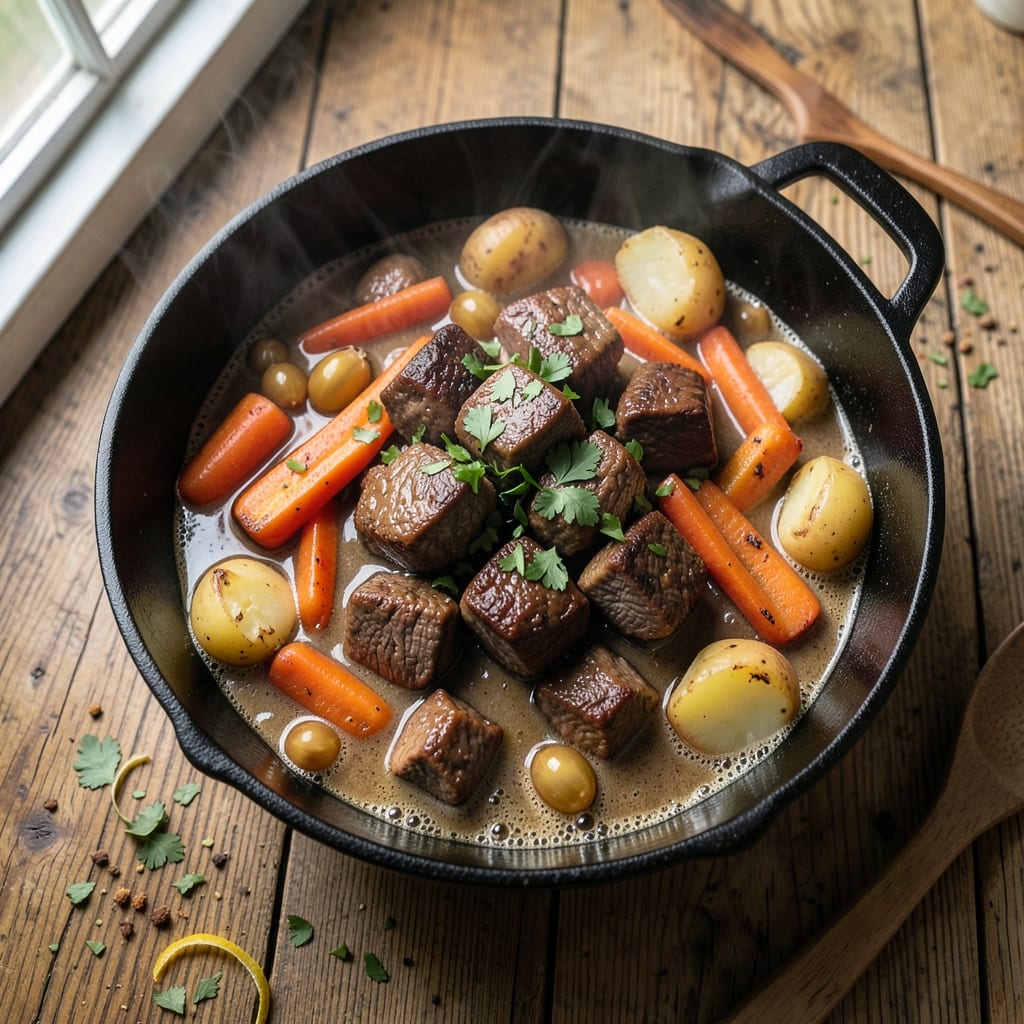
This authentic Irish beef stew delivers the deep, rich flavors that make it a cornerstone of Irish home cooking. The secret lies in slow-simmering tough cuts of beef with Guinness stout, transforming them into fork-tender perfection while building layers of aromatic depth. I've perfected this recipe over years of testing, ensuring every bite captures the hearty tradition without sacrificing modern convenience.
The key to authentic Irish beef stew is patience—allowing the meat to break down over hours while vegetables caramelize and herbs infuse the broth. A proper Dutch oven or heavy pot is essential for even heat distribution, though an Instant Pot offers a quicker alternative without compromising flavor. The Guinness isn't just an ingredient; it's the soul of the dish, adding malty richness that balances the earthy root vegetables and savory beef.
What you'll end up with is a stew so deeply flavorful it tastes like a homecoming—thick with tender beef, caramelized onions, and potatoes that soak up every drop of that velvety Guinness-infused broth. The aroma alone will have everyone gathering around the table, and the first bite delivers that perfect harmony of smoky, savory, and slightly sweet notes that define Irish comfort food.
This recipe works beautifully as a standalone meal or paired with traditional Irish sides like soda bread or colcannon. The leftovers only improve with time, making it ideal for meal prep or feeding a crowd. Let's get started on creating this timeless classic that brings a taste of Ireland to your kitchen.
Ingredients for authentic irish beef stew
Six hearty ingredients and one magical ingredient—Guinness—that make this Irish classic unforgettable.
| Ingredient | Amount | Notes |
|---|---|---|
| Beef Chuck Roast 🥩 | 3 lb | Cut into 1.5-inch cubes (ask butcher) |
| Yellow Onions 🧅 | 2 whole | Chopped into 1/2-inch pieces |
| Carrots 🥕 | 4 whole | Cut into 1-inch chunks (baby carrots work) |
| Russet Potatoes 🥔 | 2 lb | Cut into 1-inch cubes (peeled or unpeeled) |
| Guinness Stout 🍺 | 1 cup | Plus 1 cup for deglazing (use cold) |
| Beef Broth 💧 | 4 cups | Low-sodium preferred (or homemade) |
| Tomato Paste 🍅 | 2 tbsp | Squeeze tube or canned (no water added) |
| Fresh Thyme 🌿 | 2 tbsp | Leaves only (dried works at 1/3 amount) |
| Fresh Parsley 🌿 | ¼ cup | Chopped for garnish (optional) |
| Garlic Cloves 🧄 | 4 cloves | Minced (or 1 tsp garlic powder) |
| Olive Oil 🫒 | 2 tbsp | For browning meat (or butter) |
| Salt 🧂 | 1 ½ tsp | Kosher or sea salt (adjust to taste) |
| Black Pepper 🌶️ | 1 tsp | Freshly ground (pre-ground is fine) |
| Bay Leaves 🍃 | 2 whole | Remove before serving |
The beef is non-negotiable—chuck roast with good marbling breaks down beautifully. Costco or local butcher shops usually carry it pre-cut, but ask for it cut into 1.5-inch cubes if buying whole. If you can't find chuck, sirloin tips work in a pinch, though they won't be as tender. The Guinness? Buy two bottles—one for cooking, one to drink. The cold, unopened bottle goes in the pot for deglazing later. For the potatoes, Russets or Yukon Golds hold up best to long cooking—they won't turn to mush like red potatoes.
No Guinness? Stout beer or even dark ale works, but the flavor won't be identical. Short on thyme? Dried thyme at one-third the amount is fine, but fresh has that bright aroma you can't replicate. The tomato paste is your secret weapon—it deepens the color and adds sweetness without overpowering. Squeeze tubes from Trader Joe's are perfect here because you only need a small amount. For the carrots, orange or rainbow varieties add color, but regular carrots work just as well. If you're using baby carrots, leave the skins on—they're pre-peeled and save time.
This stew tastes even better the next day—make extra if you can. Store in the fridge for 4-5 days or freeze for up to 3 months. The broth thickens as it cools, so add a splash of water or broth when reheating if it's too thick. I like to portion it into individual containers so it's ready for quick lunches. Soda bread pairs perfectly—pick up a loaf from the Irish section at Whole Foods or make your own if you're feeling ambitious.
Why You'll Love This Recipe
- One-Pot Magic: I swear by this—just dump everything in a heavy pot, simmer, and walk away. The chuck roast practically melts itself while the potatoes soak up all that rich Guinness flavor. No chopping like a fine-diner, no fussing over layers.
- Guinness Kiss: That dark, malty stout isn’t just for drinking—it’s the secret weapon. It deepens the beef’s savoriness while balancing the sweetness of the carrots and onions. Honestly, I’d argue it’s better than wine in this dish.
- Leftovers That Love You: This stew tastes better the next day, and I’m not lying. The potatoes get tender, the beef gets fall-apart, and the flavors meld into pure comfort. Pack it for lunch or reheat for dinner—it’s my go-to for lazy days.
- Budget-Friendly Feast: A chuck roast stretches further than you’d think, especially with potatoes and carrots bulking it up. I’ve fed six people for under $20, and everyone leaves happy. (Yes, even my picky teenager.)
Step-by-step instructions for slow-simmered Irish beef stew
Here's how to make this hearty stew with deep, authentic flavors that'll have you reaching for seconds.
Brown the Beef Chuck Roast in Batches
Heat a heavy pot or Dutch oven over medium-high heat and add the 2 tablespoons olive oil. Working in batches if needed, add the 3 lb beef chuck roast cut into 1.5-inch cubes and brown on all sides. This should take about 8-10 minutes total, with about 2 minutes per side for each piece.
Don't rush this step—the deep brown color creates the rich foundation for your stew. You'll know it's ready when the meat releases easily from the pan and has developed a nice crust. Transfer the browned beef to a plate and set aside.
Sauté the Vegetables and Deglaze
In the same pot, add the 2 whole yellow onions chopped into ½-inch pieces and the 4 whole carrots cut into 1-inch chunks. Cook for 5 minutes until the onions soften and begin to caramelize slightly. Add the 4 cloves garlic minced and the 2 tablespoons fresh thyme leaves, cooking for another 1 minute until fragrant.
Pour in the 1 cup Guinness stout and scrape up all the browned bits from the bottom of the pot with a wooden spoon. This deglazing step captures all the flavor you just built. Let it simmer for 2-3 minutes until the alcohol smell dissipates and the liquid reduces slightly.
Build the Stew Base with Tomato Paste
Stir in the 2 tablespoons tomato paste and cook for 1 minute until it darkens slightly and blends smoothly with the other ingredients. This adds depth and helps thicken the stew as it simmers. Add the 4 cups beef broth, the 1.5 teaspoons salt, and the 1 teaspoon black pepper.
Return the browned beef to the pot along with the 2 whole bay leaves. Bring everything to a gentle boil, then reduce the heat to low so it maintains a gentle simmer—you should see just a few small bubbles breaking the surface occasionally.
Slow Simmer for Tender Perfection
Cover the pot and let the stew simmer gently for 1½ hours. This long, slow cooking time is what makes the beef incredibly tender and allows all the flavors to meld together beautifully. Check occasionally and add a splash of water if the liquid reduces too much.
After 1½ hours, add the 2 lb russet potatoes cut into 1-inch cubes. Return the lid and continue simmering for another 45-60 minutes until the potatoes are fork-tender and the stew has thickened to your desired consistency. The potatoes should absorb some of the liquid but still have a slight bite.
Finish and Serve with Fresh Herbs
Remove the 2 whole bay leaves before serving. Taste and adjust the seasoning if needed—you might want to add a pinch more salt or pepper. Ladle the stew into bowls and garnish with the ¼ cup chopped fresh parsley for a pop of color and freshness.
Serve immediately with crusty bread to soak up all that rich, flavorful broth. This stew tastes even better the next day as the flavors continue to develop, so make extra if you can—it's the kind of dish that's always welcome on cold days.
Pro Tips For Making Authentic Irish Beef Stew
- SEAR THE CHUCK FIRST: Don’t just toss that beef in cold—get it browned deeply in a hot pot with oil before adding anything. I learned this the hard way: pale meat means flavorless broth. Use 3-4 minutes per side until it’s got a crust, then pull it out and set it aside. That crust is where the depth of flavor lives.
- CHOP POTATOES LARGE: Small diced potatoes turn to mush in Irish stew. Cut them into 1.5-inch chunks—they’ll soften but stay intact, soaking up the Guinness without falling apart. (Yes, even if it looks rustic, that’s the point.)
- DON’T BOIL THE GUINNESS: Guinness stout is delicate—if you let the stew boil, it’ll turn bitter and skunky. Keep the heat at a gentle simmer, just bubbles breaking the surface, not rolling over. After 2 hours, lower it to a whisper if needed. Patience here makes all the difference.
- ADD CARROTS LAST: Toss carrots in with the onions and beef, and they’ll turn to mush before the potatoes are done. Wait until the stew’s halfway cooked, then add them—about 45 minutes in. They’ll stay crisp-tender and brighten the dish without disappearing. (Trust me, I’ve eaten both versions.)
Make-ahead tips for authentic irish beef stew
Prep Ahead Strategy
Start by prepping all your ingredients the night before—chop onions, carrots, and potatoes into uniform pieces and store them in separate airtight containers in the fridge. The beef can be cubed and refrigerated too, but don't brown it yet. This saves 30 minutes of prep time on cooking day. I always use quart-sized glass containers from Pyrex because they stack neatly in my fridge. 💡
Slow Cooker Adaptation
For a hands-off approach, brown the beef and sauté the vegetables as directed, then transfer everything to a 6-quart slow cooker. Add the remaining ingredients and cook on LOW for 8 hours or HIGH for 5-6 hours. The slow cooker maintains consistent heat, which is perfect for tenderizing the beef. I recommend using a Hamilton Beach slow cooker for even better results—it has a removable stoneware insert that's easy to clean.
Freezer-Friendly Prep
Make a double batch and freeze half for later! Portion the stew into quart-sized freezer bags or glass storage containers, leaving 1 inch of headspace for expansion. Label with the date and freeze for up to 3 months. When ready to eat, thaw overnight in the fridge, then reheat on the stovetop with ¼ cup water or broth to restore moisture. This is my go-to method for busy weeks. ❄️
Instant Pot Shortcut
Use your Instant Pot to cut cooking time to just 60 minutes—perfect for weeknights. After browning the beef and sautéing the veggies, add all ingredients and cook on HIGH PRESSURE for 40 minutes, then natural release for 15 minutes. The potatoes will absorb the broth beautifully, and the beef will be fork-tender. I love this method because it delivers restaurant-quality results in a fraction of the time.
Vegetable Pre-Cooking
For an extra-thick stew, parboil the potatoes for 5 minutes before adding them to the pot. This ensures they hold their shape while absorbing the rich broth. I also like to par-cook the carrots for 3 minutes if I'm short on time—they'll still soften further during the long simmer but won't turn to mush. This technique is especially helpful when you're feeding a crowd and need everything to cook evenly. 🥕
Broth Boosting
Enhance the flavor by making your own beef broth ahead of time. Simmer leftover beef bones with 2 onions, 2 carrots, 2 celery stalks, and 4 garlic cloves for 4-6 hours. Strain and store in 1-cup portions in the freezer. When ready to make the stew, just thaw and use the homemade broth instead of store-bought. The depth of flavor is unmatched, and it's a great way to reduce food waste. 💧
Nutrition facts
Frequently asked questions
Why does authentic Irish beef stew need to simmer for so long?
The long simmer—2-3 hours total—is essential for transforming tough beef chuck into tender, fork-friendly pieces while developing deep, complex flavors. The slow cooking breaks down collagen in the meat and allows the Guinness and vegetables to meld into a rich, velvety broth. Think of it like a fondue of flavors building over time!
Can I substitute Guinness with another beer?
While nothing beats the authentic taste of Guinness, you can use stout or dark ale in a pinch. Avoid light beers—they won't provide the same malty depth. For non-alcoholic versions, try Guinness 0.0% or non-alcoholic stout, or use 2 tablespoons of coffee mixed with 1 cup water to mimic the roasted notes. The flavor won't be identical, but it'll still be delicious!
What's the best way to reheat leftover Irish beef stew?
Gently reheat on the stovetop over low heat with a splash of water or beef broth to restore moisture. Avoid microwaving—it can make the potatoes mushy. For even better results, reheat in a lightly oiled Dutch oven covered with a lid. The stew tastes even better the next day as flavors continue developing!
How do I make this stew thicker or thinner?
For a thicker stew, simmer uncovered for 10-15 minutes to reduce the liquid. If it's too thick, add ¼ cup beef broth or water at a time until reaching your desired consistency. The potatoes will absorb some liquid as they cook, so don't worry about adding too much early on. The perfect texture should coat the back of a spoon lightly!
What's the best cut of beef for authentic Irish beef stew?
Chuck roast is the gold standard—it's affordable, flavorful, and breaks down beautifully during long cooking. Sirloin tips or stew meat work too, though they may be slightly less tender. Avoid lean cuts like filet mignon—they'll dry out. Ask your butcher to cut the beef into 1.5-inch cubes for even cooking!