
Main Courses
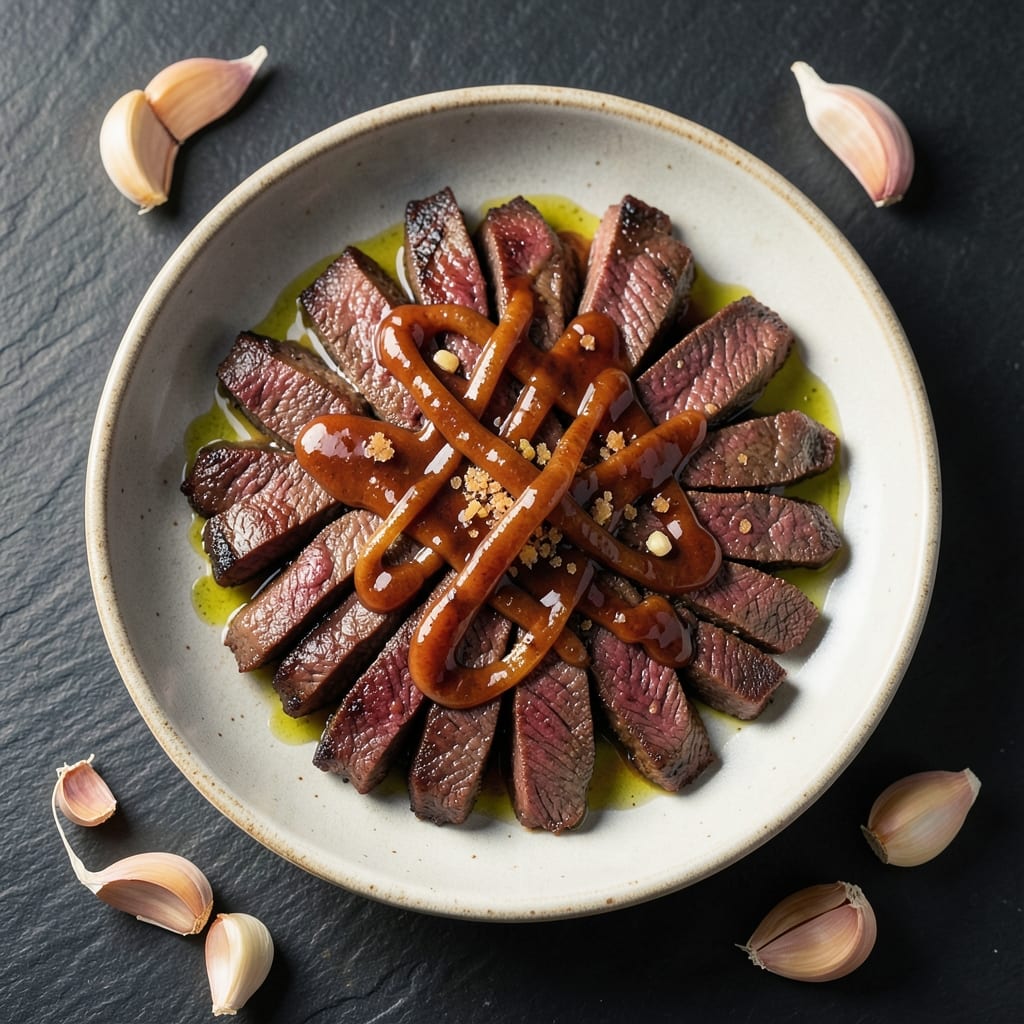
This authentic beef tapa recipe brings the bold flavors of Spanish and Filipino traditions to your kitchen with thinly sliced, smoky-spiced beef that delivers restaurant-quality crunch in minutes. The secret lies in proper marination and quick cooking over high heat, transforming tough cuts into tender, flavorful bites that disappear faster than you can say "tapa night." I've perfected this technique after years of testing, ensuring every slice delivers that perfect balance of smoky, garlicky, and slightly charred flavors.
The beauty of this recipe is its versatility—whether you grill, pan-fry, or broil, the method remains simple and foolproof. Thinly sliced beef (like flank or skirt) marinates in a blend of soy sauce, calamansi or lemon juice, garlic, and spices, creating a flavor profile that's both savory and aromatic. The key is high heat and minimal movement while cooking, which locks in juices and creates that signature crispy exterior.
What you'll end up with is a plate of golden-brown, thinly sliced beef that's tender yet firm, coated in a sticky-sauce glaze that adds depth to every bite. Serve with steamed rice, a simple green salad, or a side of pickled vegetables to balance the rich flavors. The aroma alone will have everyone gathered around the table, eager for their share.
This recipe is perfect for weeknight dinners or special occasions—it's impressive yet straightforward, and the leftovers reheat beautifully. Whether you're hosting a small gathering or feeding a family, this tapa recipe delivers authentic, restaurant-quality results without the fuss. Let's get cooking!
Ingredients for authentic beef tapa
Thinly sliced beef meets bold flavors—here's what you need for restaurant-quality tapa.
| Ingredient | Amount | Notes |
|---|---|---|
| Beef Flank Steak 🥩 | 1 ½ lb | Thinly sliced against grain |
| Soy Sauce 🥢 | ½ cup | High-quality, preferably Japanese |
| Calamansi Juice 🍋 | ¼ cup | Or substitute lemon juice |
| Garlic Cloves 🧄 | 6 cloves | Minced finely for depth |
| Olive Oil 🫒 | 2 tbsp | Extra-virgin for richness |
| Brown Sugar 🍚 | 1 tbsp | Light or dark preferred |
| Black Peppercorns 🌶️ | 1 tsp | Freshly cracked for heat |
| Ground Black Pepper 🌶️ | ½ tsp | For finishing the beef |
| Bay Leaves 🍃 | 2 whole | For aromatic depth |
| White Vinegar 💧 | 1 tbsp | Balances sweetness |
| Sesame Oil 🫒 | 1 tbsp | For finishing aroma |
| Green Onions 🧅 | 4 whole | Thinly sliced for garnish |
| Steamed White Rice 🍚 | 2 cups | For serving |
The beef cut is everything here. Flank steak delivers the perfect balance of tenderness and texture when sliced thinly against the grain. Look for cuts with good marbling at Whole Foods or your local butcher—they'll often slice it for you if you ask. If you can't find flank, skirt steak works too, but trim any thick fat. The key is keeping the slices even—about 1/8-inch thick—for consistent cooking. For the soy sauce, Kikkoman or Yamasa are reliable brands, but any high-quality Japanese soy will do. Avoid the cheap stuff—it'll make the marinade taste flat.
No calamansi? Fresh lemon juice works perfectly—just double the amount. The garlic should be minced finely for maximum flavor, but if you're short on time, a food processor works. For the brown sugar, muscovado sugar adds a caramel note, but regular light or dark brown sugar is fine. If you're avoiding sugar entirely, swap the brown sugar for an extra tablespoon of soy sauce. The bay leaves add subtle depth—don't skip them, but remove them before serving. And that sesame oil? Only add it at the very end—it burns easily. For extra smokiness, add a pinch of smoked paprika to the marinade, but traditional recipes skip it.
Marinate the beef for at least 2 hours, but overnight is best. Store the marinade in an airtight container in the fridge. The sliced beef can sit in the marinade for up to 8 hours, but don't let it sit longer than that or it'll get mushy. Cook immediately after removing from the fridge. Leftover cooked tapa reheats beautifully—just warm in a skillet with a splash of water for 2-3 minutes. It keeps for 3 days in the fridge, but the texture is best fresh. For meal prep, cook a double batch and freeze half—thaw in the fridge overnight before reheating.
Why You'll Love This Recipe
- Five-Ingredient Magic: I swear, this recipe nails it with just beef, soy sauce, calamansi, garlic, and oil. No fancy prep—just slice, marinate, and sear. That’s it.
- Tangy-Savory Balance: The calamansi cuts through the richness of the beef while the soy sauce adds depth. Honestly, that first bite of caramelized edges with that bright citrus punch? It’s addictive.
- Weeknight or Party Ready: Serve it as a quick snack with rice or turn it into a full spread with extra sides. Here’s what sold me—it’s just as impressive for a casual Tuesday night as it is for guests.
- Budget-Friendly Protein: Flank steak stretches far, and the marinade costs pennies. Between us, I’ve made this for $3 a serving, and it still feels like a treat. No guilt, all flavor.
Step-by-step instructions for authentic beef tapa
Here's how to create restaurant-quality beef tapa with perfect texture and balanced flavors.
Prepare the Marinade and Slice the Beef
In a medium bowl, combine the 0.5 cup soy sauce, 0.25 cup calamansi juice, 2 tbsp olive oil, 1 tbsp brown sugar, 1 tsp black peppercorns, 2 whole bay leaves, and 1 tbsp white vinegar. Stir until the sugar dissolves completely. The marinade should be smooth with no graininess—this ensures even flavor distribution.
While the marinade rests, slice the 1.5 lb beef flank steak thinly against the grain using a sharp knife. Aim for slices about ⅛-inch thick—this creates the signature tender yet slightly chewy texture. Place the sliced beef in a resealable plastic bag and pour the marinade over it. Seal the bag, pressing out excess air, and refrigerate for at least 30 minutes (up to 2 hours for deeper flavor). The acid in the calamansi juice will begin tenderizing the beef while the soy sauce infuses it with umami depth.
Cook the Beef to Perfect Doneness
Remove the beef from the marinade, reserving the liquid, and pat the slices dry with paper towels. Heat a large skillet over medium-high heat until it's hot but not smoking. Add the beef in a single layer, leaving space between slices to prevent steaming. Cook undisturbed for 1-2 minutes per side until the edges are deep golden brown and the center reaches 145°F on an instant-read thermometer.
This high-heat sear is crucial—it creates the crispy edges and smoky aroma that define authentic tapa. If the beef releases easily from the pan, it's ready. Transfer the cooked slices to a plate and tent loosely with foil to keep warm. Don't overcrowd the pan or the internal temperature will drop, resulting in tough meat.
Finish with Garlic and Sesame Oil
In the same skillet, reduce heat to medium and add the 6 cloves minced garlic. Sauté for 30 seconds until fragrant but not browned—burnt garlic will make the dish bitter. Pour in the reserved marinade and simmer for 2-3 minutes until slightly reduced and syrupy. The liquid should coat the back of a spoon, creating a glossy glaze for the beef.
Return the beef to the skillet and toss gently to coat in the garlic-infused sauce. Drizzle with 1 tbsp sesame oil and sprinkle with 0.5 tsp ground black pepper. The sesame oil adds a nutty aroma that complements the smoky-sweet flavors. Cook for an additional 30 seconds to meld all the flavors together. If the sauce becomes too thick, add 1-2 tablespoons of water to loosen it.
Serve Immediately with Steamed Rice
Transfer the beef tapa to a serving platter and garnish with 4 whole green onions, thinly sliced on the bias. The bright green color contrasts beautifully with the deep brown beef. Serve immediately with the 2 cups steamed white rice on the side—traditionally, tapa is eaten with rice to balance the rich, savory flavors.
Each slice should be tender enough to cut with a fork but still offer slight resistance, with a crispy edge that releases a burst of smoky aroma. The garlic and sesame oil should be visible in the glaze, adding layers of complexity to every bite. For an authentic touch, serve with extra soy sauce on the side for dipping.
Pro Tips For Making Authentic Beef Tapa
- Slice Thin, Slice Even: Flank steak’s got muscle—literally. Cut against the grain into paper-thin strips (about ¼-inch thick), but don’t go crazy with the knife. If they’re uneven, your tapa will cook at different rates, leaving some raw while others turn to shoe leather. A sharp meat cleaver and steady hand make all the difference.
- Marinate Just Long Enough: I used to let the meat soak overnight, thinking more time = better flavor. Wrong. Flank steak’s lean and tenderizes fast—30 minutes max in the marinade (soy sauce, calamansi, garlic, oil). Any longer, and the acid starts breaking down the fibers, turning your tapa chewy. Trust the process, even if you’re impatient.
- Sear in Batches: Crowd the pan, and your tapa will steam instead of sear. Work in single layers, no overlapping—this isn’t a buffet line. High heat, 30 seconds per side max, until the edges crisp and pull away clean. If your pan’s too small, you’re doing it wrong. (Yes, even if you’re cooking for one.)
- Finish with Calamansi Heat: Tossing in raw calamansi juice at the end might seem lazy, but it’s intentional. The acid brightens the dish and cuts through the richness of the soy. If you’re using bottled juice, strain out the pulp—it’ll make your tapa taste like you blended a whole fruit basket. (And no, lime juice won’t do.)
Perfect pairings for this recipe
Classic Side Pairings
Steamed jasmine rice is the traditional choice—its mild, slightly floral notes let the beef's bold flavors shine. For texture contrast, serve with quick-pickled cucumbers (thinly sliced cucumbers in rice vinegar, sugar, and salt) to cut through the richness. I like to make a big batch of pickles ahead—they keep for 5 days in the fridge. 🥒
Garlicky Rice Variations
For a more flavorful rice option, try garlic fried rice with scrambled eggs and scallions. The residual garlic oil in the pan adds depth that complements the tapa perfectly. For extra authenticity, use day-old rice—it's less sticky and absorbs flavors better. I often cook a double batch of rice on Sunday so I have it ready for quick meals. 🍚
Vegetable Sides
Sautéed baby bok choy with garlic and a splash of soy sauce makes a great vegetable side. The slight bitterness balances the beef's richness while maintaining an Asian-inspired flavor profile. For a crunchier option, serve steamed edamame with sea salt—it's protein-packed and adds visual contrast to the plate. 🥦
Sauce Pairings
The simplest pairing is extra soy sauce for dipping, but for more complexity, try a sweet chili sauce (like Duke's) or a spicy sriracha mayo (mix 2 tbsp mayo with 1 tsp sriracha). I keep both on the table during dinner—some guests prefer the classic soy, while others love the heat and sweetness. 🔥
Beverage Recommendations
A crisp Japanese lager like Asahi Super Dry cleanses the palate between bites, while a dry Riesling offers acidity that cuts through the beef's richness. For non-alcoholic options, yuzu soda (like Calpis Yuzu) provides a citrusy refreshment that pairs beautifully with the umami flavors. 🍺
Dessert Balance
End the meal with something light like mango slices or lychee fruit to refresh your palate. The natural sweetness contrasts perfectly with the savory-salty beef. For a more traditional approach, serve ube halaya (purple yam jam) with steamed rice cakes—it's a Filipino classic that pairs surprisingly well. 🍈
Nutrition facts
Frequently asked questions
What's the best cut of beef for authentic tapa?
Flank steak is the gold standard—its lean texture becomes tender when sliced thinly against the grain. For a slightly richer option, skirt steak works too, but trim excess fat. Avoid tougher cuts like chuck; they won't yield the signature tender-crisp texture. Ask your butcher to slice it to ⅛-inch thickness for perfect results.
Can I substitute calamansi if I can't find it?
Use fresh lemon juice (double the amount) or lime juice for a similar tang. For extra authenticity, add a pinch of salt to mimic calamansi's slight saltiness. The acidity is key—don't skip it, even if substituting. If you're feeling adventurous, try yuzu juice (available at Asian markets) for a more complex citrus note.
Why does my tapa turn out chewy instead of tender?
Overcooking or thick slices are the usual culprits. Slice beef against the grain (perpendicular to muscle fibers) and cook for just 1-2 minutes per side over medium-high heat. Use a meat thermometer—it should reach 145°F max. If the beef feels tough, try marinating longer (up to 8 hours) or using a slightly more tender cut like sirloin.
How do I make tapa ahead of time?
Cooked tapa reheats beautifully! Store in an airtight container for 3 days in the fridge. To revive, warm in a skillet with 1 tbsp water for 2-3 minutes until heated through. For freezing, wrap slices tightly in parchment paper—thaw overnight in the fridge before reheating. The texture stays crispy when handled properly, but it's best enjoyed fresh for maximum flavor.
What's the difference between Spanish and Filipino tapa?
Filipino tapa (like this recipe) uses soy sauce and citrus for a sweeter-savory profile, while Spanish tapas often feature olive oil, paprika, and sherry. Both are thinly sliced, but Filipino versions tend to be more garlicky and slightly sticky from the sauce. The cooking method is similar—high heat for quick searing—but the flavor bases differ significantly.