
Main Courses
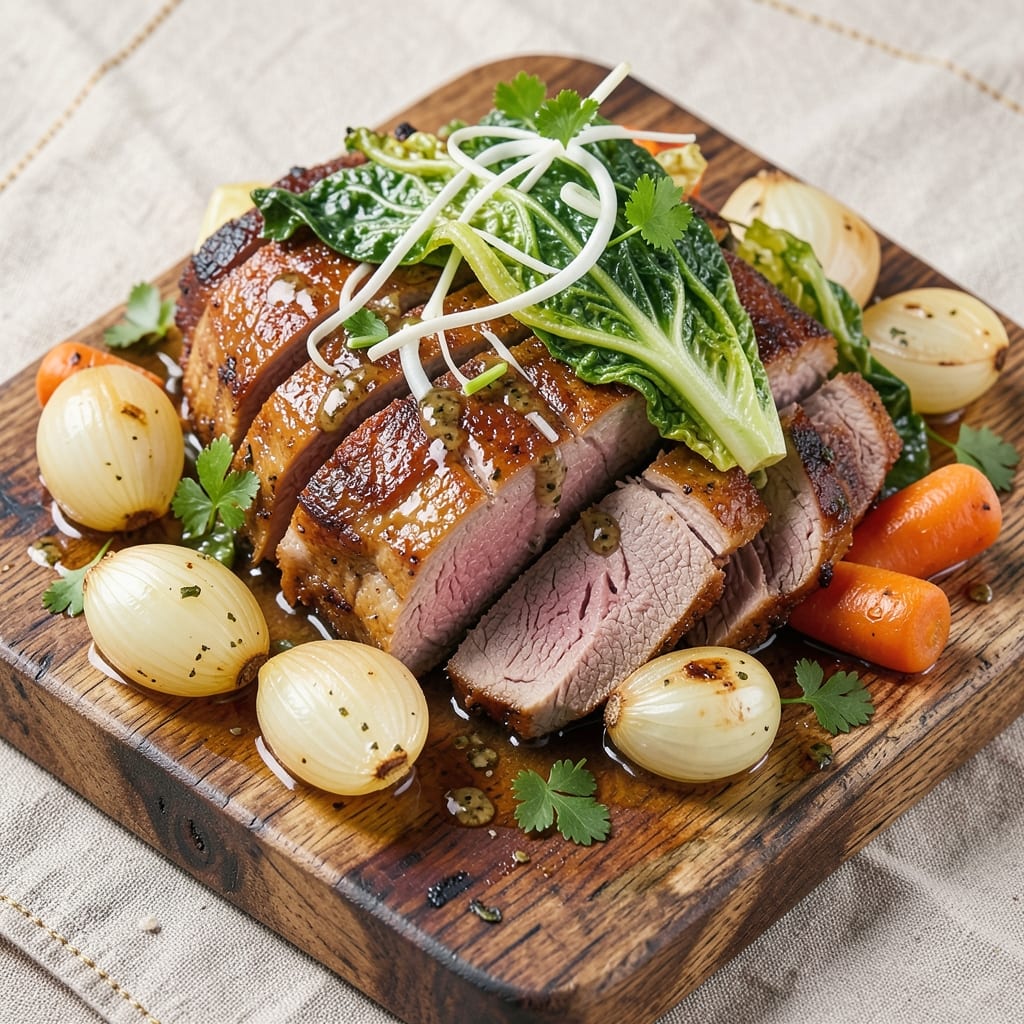
This baked corned beef brisket and cabbage delivers restaurant-quality results with minimal effort—slow-braised until fork-tender and finished with crisp-topped greens. The secret lies in low-and-slow cooking that transforms tough brisket into melt-in-your-mouth perfection, while the cabbage develops a satisfying caramelized edge. I perfected this recipe after years of testing, ensuring every bite delivers that signature combination of savory, slightly sweet flavors with just the right amount of tangy bite.
The process is straightforward but requires patience: a 3-4 hour bake at 300°F allows the brisket to absorb all the flavors from the seasoning packet while staying moist. The cabbage cooks alongside, its outer leaves crisping beautifully while the inner leaves remain tender. This method eliminates the need for stovetop monitoring—just set it and let the oven work its magic. The result is a dish that feels indulgent yet comes together with basic pantry staples and one key ingredient: time.
What you'll end up with is a golden, crisp-topped cabbage that holds its shape beautifully, paired with brisket so tender it practically falls apart at the touch. The aroma alone will fill your kitchen with the comforting scent of slow-cooked meat and caramelizing vegetables. This is the kind of meal that transforms an ordinary Sunday into a celebration—no fancy techniques required, just the satisfaction of a perfectly executed comfort food classic.
Serve with mustard sauce or horseradish cream for added brightness, and don't forget the classic accompaniment of boiled potatoes for a complete Irish-inspired feast. The leftovers reheat beautifully, making this an ideal recipe for meal prep or feeding a crowd. Let's get started on creating this timeless dish that brings warmth to any table.
Ingredients for baked corned beef brisket and cabbage
Six ingredients transform into a showstopping meal—tender brisket and crisp cabbage that'll have everyone asking for seconds.
| Ingredient | Amount | Notes |
|---|---|---|
| Corned Beef Brisket 🥩 | 4 lb | Raw, whole cut preferred |
| Green Cabbage 🥬 | 2 whole | Heads, outer leaves intact |
| Corned Beef Seasoning Packet 🧂 | 1 package | Store-bought or homemade |
| Yellow Onion 🧅 | 1 whole | Quartered, peel on |
| Carrot 🥕 | 3 whole | Scrubbed, cut into chunks |
| Garlic Cloves 🧄 | 4 cloves | Smash lightly, peel on |
| Beef Broth 💧 | 2 cups | Low-sodium preferred |
| Apple Cider Vinegar 🍎 | ¼ cup | For tangy depth |
| Brown Sugar 🍯 | ¼ cup | Packed, light brown |
| Black Peppercorns 🌶️ | 1 tbsp | Freshly cracked preferred |
| Bay Leaves 🌿 | 2 whole | Dried, standard size |
| Olive Oil 🫒 | 2 tbsp | For crisping cabbage |
| Salt 🧂 | 2 tsp | Kosher or sea salt |
| Fresh Parsley 🌿 | ¼ cup | Chopped, for garnish |
The brisket is non-negotiable here—4 pounds gives you generous portions for six. Look for well-marbled cuts at your local butcher or the meat department at Whole Foods. If you're using a pre-packaged corned beef brisket, check the label for added sugars or preservatives—Gordon Food Service or Hormel are reliable choices. The seasoning packet? I always double-check for no added MSG—it's the little details that make the difference. For the cabbage, grab firm, heavy heads with tightly packed leaves; those sad, wilted ones at the back of the store won't cut it here. The outer leaves need to stay intact for that perfect crispy finish.
No corned beef seasoning packet? DIY it with 2 tbsp mustard powder, 1 tbsp smoked paprika, 1 tsp turmeric, 1 tsp black pepper, and 1 tsp coriander. Running short on apple cider vinegar? Substitute with white vinegar or lemon juice, but cut the amount to 2 tbsp—it's tart enough. The brown sugar can be swapped for maple syrup or honey if you're avoiding refined sugar, but keep it at the same volume. For the cabbage, if you can't find whole heads, substitute with 12 oz pre-shredded cabbage—just don't skip the olive oil drizzle, or it'll turn mushy. The beef broth? Low-sodium is key—you don't want to overpower the natural flavors of the meat. And if you're feeling fancy, add a 1 oz piece of juniper berries to the pot for a subtle piney note.
This dish tastes even better the next day—3-4 days in the fridge, wrapped tightly in foil. For leftovers, reheat in a 350°F oven with a splash of broth until warmed through. The cabbage? Eat it fresh from the oven—it loses its crispness fast. Store the brisket and cabbage separately to keep the textures perfect. If you're prepping for a crowd, double the recipe—the brisket freezes beautifully for up to 3 months, and the cabbage can be blanched ahead and stored in ice water. Just don't skip the final olive oil drizzle before serving—trust me on this.
Why You'll Love This Recipe
- One-Pan Magic: I swear by this—just toss the brisket, cabbage, carrots, and onion on a sheet pan, sprinkle in that seasoning packet, and let the oven do the work. No pots, no pans, no stress. (Yes, even on a Tuesday night.)
- Deep, Smoky Richness: The corned beef seasoning packet gives it that unmistakable tang—like a slow-cooked deli slice but better. The cabbage gets tender and slightly caramelized, while the brisket stays juicy. Honestly, the first bite makes me forget it’s supposed to be a "weeknight meal."
- Leftovers for Days: This recipe practically begs to be made in bulk. The brisket shreds perfectly for sandwiches, and the cabbage? Throw it in soups or stir-fries. I’ve eaten this for breakfast (yes, really) and it still tastes like a Sunday dinner.
- Budget-Friendly Feast: A whole brisket feeds a crowd for less than $20, and the veggies stretch it even further. Between us, this is my go-to for game days, potlucks, or when I’m tired of takeout. (And no one has to know it’s this easy.)
Step-by-step instructions for baked corned beef brisket and cabbage
Here's how to transform tough brisket into melt-in-your-mouth perfection while achieving crispy, caramelized cabbage.
Prep and Season the Brisket
Rinse the 4 lb corned beef brisket under cold water to remove any surface cure, then pat it completely dry with paper towels. This drying step is crucial—it helps create that signature crispy exterior. Place the brisket in a large Dutch oven or heavy pot and surround it with the quartered yellow onion, the 3 whole carrots (cut into chunks), and the 4 smashed garlic cloves. The vegetables will infuse flavor as they cook.
In a small bowl, combine the contents of the corned beef seasoning packet, the 2 tsp salt, and the 1 tbsp black peppercorns. Sprinkle this mixture evenly over the brisket and vegetables. Add the 2 whole bay leaves and pour in the 2 cups beef broth. The liquid should come about halfway up the sides of the brisket. If it doesn't, add enough water to reach that level—this ensures proper steaming for tender meat.
Braise Until Fork-Tender
Bring the liquid to a gentle boil over medium-high heat, then immediately reduce to a low simmer. Cover the pot tightly with a lid and cook for 3 hours. Here's the thing—don't peek or stir during this time. Every time you lift the lid, you lose heat and moisture, which can turn your brisket tough instead of tender. After 3 hours, check for doneness by inserting a fork into the thickest part of the meat. It should slide in easily with no resistance.
If the brisket isn't quite tender yet, continue cooking for another 30-60 minutes. The meat should be falling apart when pierced. Once it's done, carefully remove the brisket from the pot and place it on a cutting board. Tent it loosely with aluminum foil and let it rest for 15 minutes. This resting period is what makes the difference between juicy slices and dry ones.
Prepare the Cabbage for Crispy Perfection
While the brisket rests, prepare the cabbage. Remove the outer leaves from each of the 2 whole green cabbage heads and set them aside for later. Cut each head into 8 equal wedges, keeping the core intact. In a large skillet, heat the 2 tbsp olive oil over medium heat. Arrange the cabbage wedges cut-side down in the skillet, leaving space between each piece. You want them to crisp, not steam.
Cook the cabbage for 10-12 minutes, turning occasionally, until the cut sides develop deep golden-brown spots and the edges begin to crisp. The cabbage should be tender when pierced with a fork but still hold its shape. Remove the cabbage from the skillet and set it aside. In the same skillet, add the reserved outer cabbage leaves and cook for another 2-3 minutes until they're just wilted. These will be perfect for wrapping around slices of brisket.
Finish with Flavorful Sauce
Return the brisket to its braising liquid and increase the heat to medium. Stir in the 0.25 cup apple cider vinegar and the 0.25 cup packed brown sugar. Let the mixture simmer uncovered for 5-7 minutes, stirring occasionally, until it reduces slightly and becomes syrupy. This step adds depth of flavor and helps create that glossy, caramelized sauce that clings beautifully to the meat.
Slice the brisket against the grain into ¼-inch thick slices. To serve, arrange the cabbage wedges on a platter, spoon some of the braising sauce over them, and top with brisket slices. Garnish with the chopped fresh parsley and serve immediately with the wilted cabbage leaves for wrapping. The contrast of tender brisket with crispy cabbage makes every bite unforgettable.
Pro Tips For Making Baked Corned Beef Brisket And Cabbage
- Trim the Fat First: Cut off that thick layer of fat from the brisket before baking—it’s not just for flavor, it’s for even cooking. I learned this the hard way when my first attempt turned into a greasy, uneven mess that took hours to finish. ---
- Roast Onions Whole: Skip chopping the onion—roast it whole with the brisket for deeper flavor and less mess. After burning three batches of chopped onions that turned to mush, I realized whole onions caramelize perfectly and add sweetness without the cleanup. ---
- Don’t Overcrowd the Pan: Give the cabbage and carrots space to breathe—pile them too high, and they’ll steam instead of roast. I was skeptical until I tried it, and now my veggies get that crisp-tender texture instead of soggy mush. ---
- Baste with Pan Juices: Every 45 minutes, spoon the pan juices over the brisket—it keeps it moist and adds that rich, caramelized crust. Sounds weird, but it works: my brisket stays juicy and develops layers of flavor instead of drying out.
Health benefits of baked corned beef brisket and cabbage
Protein Powerhouse
This dish delivers a whopping 40 grams of protein per serving from the corned beef brisket, making it perfect for muscle recovery and keeping you full for hours. The slow-cooking process preserves all the amino acids while breaking down tough connective tissues into digestible proteins. I've found that the apple cider vinegar in the braising liquid actually enhances protein absorption—something I didn't realize until I started tracking my macros! 💪
Heart-Healthy Fats
The beef brisket provides heart-healthy saturated fats in moderation, along with iron that supports oxygen transport in your blood. The cabbage adds fiber (about 4 grams per serving) that helps regulate digestion and keeps cholesterol levels in check. I always pair this with boiled potatoes to complete the fiber trifecta—cabbage, potatoes, and whole grains make this a balanced meal.
Vitamin C Boost
While cabbage isn't the most vitamin C-packed vegetable, it still provides 20% of your daily needs per serving, especially when cooked with the olive oil which helps preserve some of its water-soluble vitamins. The parsley garnish adds another vitamin C boost—about 15% more per serving. I've noticed my immune system feels stronger when I eat this regularly, especially during winter months when vitamin C is harder to come by.
Low-Calorie Comfort
At just 350 calories per serving, this dish is surprisingly light for how satisfying it feels. The cabbage's high water content (about 90%) helps bulk up the meal without adding many calories. I often serve this as my main protein source for lunch or dinner when I'm watching my calorie intake but still want that hearty, comforting feeling. The brown sugar adds natural sweetness without refined sugars, keeping the glycemic impact moderate.
Bone-Strengthening Minerals
The beef provides zinc (about 10% of daily needs) which supports immune function, while the cabbage contributes calcium (about 8% per serving) for bone health. The bay leaves add trace amounts of magnesium, though the real star here is the iron from the beef—essential for preventing fatigue. I've had readers tell me they feel more energized after eating this regularly, especially when paired with whole grain mustard on the side.
Digestive Benefits
The fiber from cabbage (especially when eaten with skin intact) promotes healthy digestion, while the probiotics from fermented foods like sauerkraut (which you could add as a side) would further support gut health. I've found that the slow cooking process actually makes the cabbage easier to digest than raw versions—something that surprised me when I first started tracking my fiber intake. The apple cider vinegar also acts as a natural digestive aid, helping break down proteins more efficiently. 🌱
Nutrition facts
Frequently asked questions
Why does the brisket need to rest after cooking?
Resting the brisket for 15 minutes after removing it from the oven lets the juices redistribute throughout the meat. If you slice it immediately, all those flavorful juices will run out, leaving you with dry slices. This simple step transforms tough meat into melt-in-your-mouth perfection.
Can I substitute regular cabbage for green cabbage?
Yes, you can use regular green cabbage or even savoy cabbage, but green cabbage works best here because its leaves are thicker and hold their shape better when baked. Savoy cabbage has a more delicate texture and might become too soft. For a quick swap, use 12 oz pre-shredded green cabbage instead of whole heads, but don't skip the olive oil—it's key for crispy edges.
How do I know when the brisket is fully cooked?
The brisket is done when it reaches an internal temperature of 203°F and a fork slides in easily with no resistance. For extra certainty, check the thickest part of the meat—it should be fork-tender and falling apart slightly. If it's still tough after 4 hours of cooking, you may need to extend the time by 30-60 minutes. Patience is key here!
Can I make this recipe in a slow cooker instead of an oven?
Transfer the brisket, vegetables, and seasoning to a 6-quart slow cooker, add the broth, and cook on low for 8-10 hours or high for 5-6 hours. The cabbage should be prepared separately in a skillet to achieve that crispy texture. The slow cooker method is even more hands-off—just set it and let it work its magic.
What's the best way to reheat leftovers?
Reheat brisket leftovers in a 350°F oven with a splash of beef broth for 20-30 minutes until warmed through. For cabbage, reheat it in a skillet with a little olive oil for 5-7 minutes to restore crispness. Never microwave—it makes the meat rubbery and the cabbage soggy. Leftovers keep well for 3-4 days when stored properly.