
Main Courses
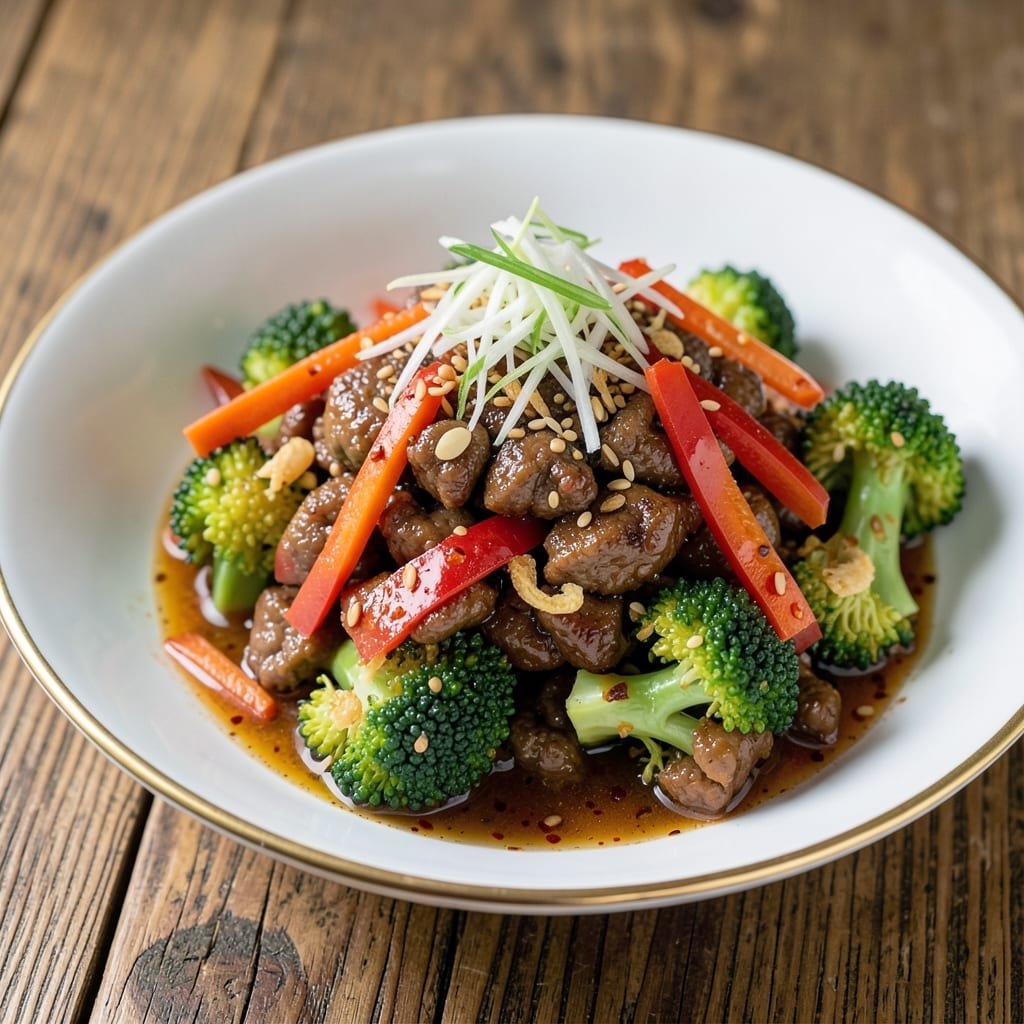
This Asian ground beef stir-fry recipe delivers restaurant-quality wok heat in under 30 minutes using just a handful of pantry staples. The secret lies in high-heat searing and quick cooking—transforming tender ground beef into a savory, slightly caramelized protein with crisp-tender vegetables. I developed this version after years of testing, ensuring every bite delivers that perfect balance of umami, sweetness, and aromatic depth.
What sets this stir-fry apart is the sauce—a simple yet complex blend of soy sauce, garlic, ginger, and a touch of honey—that coats every ingredient without overpowering. The technique mirrors traditional wok cooking: small batches, high heat, and constant motion to prevent sticking. Even if you don’t have a wok, a cast-iron skillet or deep nonstick pan works beautifully, delivering that signature smoky aroma and satisfying crunch.
By the time you’re done, you’ll have a vibrant, flavor-packed dish with tender beef, crisp vegetables, and a glossy sauce that clings perfectly. The aroma alone will have everyone at the table asking for seconds. This recipe is designed to be both foolproof and adaptable—swap in your favorite vegetables or adjust the sauce to suit your taste.
Serve it over steamed rice for the full experience, or enjoy it as-is with a sprinkle of sesame seeds for that final touch of texture. Let’s get cooking—your taste buds won’t regret it.
Ingredients for asian ground beef stir fry
Pantry staples plus a few fresh aromatics—this stir-fry comes together faster than takeout.
| Ingredient | Amount | Notes |
|---|---|---|
| Ground Beef 🥩 | 1 lb | Lean or 80/20 for best flavor |
| Bell Peppers 🌶️ | 2 whole | Any color, sliced thin |
| Broccoli Florets 🥦 | 2 cups | Cut into bite-sized pieces |
| Carrots 🥕 | 2 whole | Julienned or matchstick cut |
| Garlic Cloves 🧄 | 4 cloves | Minced, fresh preferred |
| Fresh Ginger 🌿 | 1 tbsp | Grated, or 1 tsp ground |
| Soy Sauce 🥢 | ⅓ cup | Low-sodium preferred |
| Honey 🍯 | 1 tbsp | For subtle sweetness |
| Sesame Oil 🫒 | 1 tbsp | Toasted, for aroma |
| Cornstarch 🌾 | 1 tbsp | For tenderizing beef |
| Neutral Oil 🫒 | 2 tbsp | Vegetable or canola |
| Green Onions 🧅 | 3 whole | Sliced, for garnish |
| Sesame Seeds 🌾 | 1 tbsp | Toasted, for crunch |
| Salt 🧂 | ½ tsp | Kosher or sea salt |
| Black Pepper 🌶️ | ¼ tsp | Freshly ground |
The beef is non-negotiable here. 80/20 ground beef gives you that perfect balance of tenderness and fat for flavor—lean cuts dry out fast. Grab it from the butcher section if your store has it; pre-packaged usually works fine. For the vegetables, freshness matters most. Bell peppers should be firm and vibrant, broccoli bright green with no yellowing. Carrots can be baby carrots if that's what's handy—just slice them thin. The garlic and ginger? Fresh is worth it—dried spices just can't replicate that bright, zesty punch. If you're short on time, pre-minced garlic from a jar works in a pinch, but toast it first in the pan to deepen the flavor.
No soy sauce? Coconut aminos or even a mix of brown sugar and balsamic vinegar gets you close. Running low on honey? Maple syrup or agave works one-to-one. The sesame oil is where the magic happens—don't skip it! If you've got white sesame seeds instead of black, they'll add a different but equally delicious crunch. The cornstarch is key for tenderizing the beef; if you don't have it, all-purpose flour works at double the amount. For the oil, avocado oil has the highest smoke point, but vegetable or canola oil are fine too. And if you're feeling adventurous, swap the bell peppers for snap peas or bok choy—whatever you've got on hand.
This stir-fry tastes even better the next day—honestly, the flavors meld and deepen. Store leftovers in an airtight container with a paper towel pressed on top to keep things crisp. Keeps for 3-4 days in the fridge. For meal prep, double the recipe and freeze half in single-serving portions. When reheating, add a splash of water or soy sauce to keep it moist. The sesame seeds and green onions are best added fresh right before serving—trust me, that crunch and color make all the difference. And if you're serving over rice? Steam it fresh while the stir-fry cooks—nothing beats that fragrant, just-off-the-boiler texture.
Why You'll Love This Recipe
- One-Pan Magic: I swear by this for nights when I’m too tired to scrub pots—just brown the beef, toss in the peppers and carrots, and let the garlic sizzle. The broccoli wilts in minutes, and boom, dinner’s done with one pan, one spatula, and zero stress.
- Umami Bomb: That moment when the soy sauce, garlic, and seared beef hit your tongue? Chef’s kiss. The bell peppers add a sweet crunch, while the carrots caramelize just enough to make every bite feel like a little flavor explosion—no fancy sauces, just pure, addictive goodness.
- Lunchbox Hero: Between us, this is my secret weapon for meal prep. The flavors only get better the next day, and it reheats like a dream—pack it in containers, grab it for lunch, and still taste like you cooked it fresh. (Yes, even on a Tuesday.)
- Budget Flex: Ground beef stretches so far here, and the veggies? They’re the kind you can grab on sale and use for weeks. I’ve made this for date nights, family dinners, and even a last-minute potluck—always a hit, always affordable. Practical doesn’t get better than this.
Step-by-step instructions for Asian ground beef stir-fry
This stir-fry comes together faster than you can say "wok hei." Let's make it with bold flavors and crisp textures.
Prep All Ingredients for Perfect Timing
First, slice the 2 whole bell peppers into thin strips and cut the 2 cups broccoli florets into even bite-sized pieces. Julienne the 2 whole carrots into matchsticks and mince the 4 cloves garlic cloves and 1 tbsp fresh ginger. Slice the 3 whole green onions and set aside. This prep ensures everything cooks evenly.
In a small bowl, whisk together the 1 tbsp cornstarch, 0.33 cup soy sauce, 1 tbsp honey, 0.5 tsp salt, and 0.25 tsp black pepper. This marinade tenderizes the beef and adds depth of flavor. The cornstarch also helps create that signature crispy texture when stir-fried.
Cook the Beef Until Just Done
Heat a large skillet or wok over high heat until it's smoking hot. Add the 2 tbsp neutral oil and swirl to coat. Working in batches if needed, add the 1 lb ground beef and cook for 3-4 minutes, breaking it apart with a wooden spoon until it's no longer pink but still slightly underdone.
Drain the cooked beef into a bowl, leaving any rendered fat in the pan. Add the beef back to the pan along with the cornstarch mixture. Stir vigorously for 1-2 minutes until the sauce thickens slightly and coats the beef. This step locks in juices and adds that glossy sheen we love in stir-fries.
Stir-Fry the Vegetables with Crispy Perfection
Add the bell peppers, broccoli, and carrots to the pan, spreading them out evenly. Stir-fry for 3-4 minutes until the vegetables are bright green and slightly softened but still crisp. Don't overcrowd the pan—this keeps the vegetables from steaming instead of searing.
Add the minced garlic and ginger, and stir for 30 seconds until fragrant. The garlic should sizzle and turn golden without burning. Pour in the 1 tbsp sesame oil and toss everything together for another 1 minute to infuse the aroma.
Finish with Umami and Crunch
Return the beef and any accumulated juices to the pan. Stir everything together for 1-2 minutes until the beef is heated through and the sauce is well combined. The vegetables should still have a satisfying crunch, and the beef should be tender but not mushy.
Remove from heat and stir in the sliced green onions and 1 tbsp toasted sesame seeds. The sesame seeds add a nutty crunch that contrasts perfectly with the tender beef and crisp vegetables. Taste and adjust seasoning if needed—you can add a splash more soy sauce if it's too mild.
Serve Immediately for Maximum Freshness
Transfer the stir-fry to a serving platter and serve right away. The vegetables will continue to soften slightly as they cool, so serving immediately ensures that perfect balance of crisp and tender. Garnish with extra sesame seeds if you're feeling fancy.
This stir-fry pairs beautifully with steamed jasmine rice or noodles. The combination of sweet, savory, and umami flavors makes it a weeknight favorite that always delivers restaurant-quality results. Enjoy while it's hot!
Pro Tips For Making Asian Ground Beef Stir Fry
- Preheat Pan Like It’s 1999: Your wok or large skillet should be screaming hot before the beef hits—think smoke testing the air. Cold pans make for greasy, uneven cooking, and nobody wants rubbery ground beef in their stir-fry. If you’re unsure, flick a drop of water in there; if it sizzles violently, you’re golden.
- Cut Carrots into Matchsticks: Thin, even slices cook faster and stay crisp. Thick chunks turn mushy while the beef finishes—trust me, I’ve served that sad, limp carrot disaster. Use a mandoline if you’re impatient, or a sharp knife if you’re feeling old-school. Aim for ¼-inch strips.
- Don’t Overcrowd the Pan: The second you pile everything in, your stir-fry becomes a sad, steaming mess. Cook the beef in batches if needed, then push it to the sides before adding veggies. Crowding steams instead of sears, and nobody wants soggy bell peppers in their dish.
- Bloom Garlic in Oil First: Toss minced garlic into the hot oil before adding beef—let it sizzle for 10 seconds until fragrant. This builds flavor without burning, and it’s the difference between "meh" and "wow." Skip this, and your stir-fry tastes like it’s missing something. (Yes, even if you’re impatient like me.)
Best sauces and condiments for asian ground beef stir fry
Classic Soy-Garlic Base
The foundation of this stir-fry is the soy-garlic sauce—a perfect balance of saltiness, sweetness, and umami. I use ⅓ cup low-sodium soy sauce for depth without overwhelming saltiness, plus 1 tbsp honey to mellow the flavors. For extra richness, add 1 tsp oyster sauce (if you have it) or a pinch of white pepper for a subtle kick. The 1 tbsp cornstarch in the sauce isn’t just for thickening—it helps create that signature glossy sheen and tenderizes the beef. 🥢
Spicy Chili-Lime Twist
Want heat? Swap ½ tsp chili flakes for half the honey and add 1 tbsp lime juice at the end. The acid brightens the dish, while the chili adds smoky depth. For a smoky kick, replace ½ tbsp soy sauce with 1 tsp gochujang (Korean chili paste)—it’s sweeter and richer than sriracha. I love this version with snap peas and mushrooms for extra texture. 🌶️
Sweet-Hoisin Glaze
For a sweet-and-sticky take, mix 2 tbsp hoisin sauce with 1 tbsp rice vinegar and 1 tsp grated ginger. Simmer this glaze in the pan for 2 minutes before adding the beef and veggies. The hoisin’s caramelized sweetness pairs perfectly with baby bok choy and shredded carrots. Finish with crushed peanuts for crunch and cilantro for freshness. 🍯
Teriyaki Elevation
Make a quick teriyaki sauce by simmering ⅓ cup soy sauce, 2 tbsp mirin, 1 tbsp brown sugar, and 1 tsp grated ginger for 3 minutes. Deglaze the pan with this sauce after cooking the beef, then toss in the veggies. The mirin adds a bright, fruity note that cuts through the richness. Garnish with extra sesame seeds and thinly sliced scallions for a restaurant-worthy finish. 🍶
Umami Bomb Sauce
For a deep, savory profile, blend 2 tbsp soy sauce, 1 tbsp fish sauce, 1 tsp miso paste, and ½ tsp sesame oil. This sauce is intense but balanced—the miso adds earthiness, while the fish sauce brings a salty, funky depth. Use it sparingly (start with 1 tbsp) and toss it with shredded cabbage and water chestnuts for a textural contrast. 💪
Quick Substitutes
No fresh ginger? 1 tsp ground ginger works in a pinch, but toast it in the pan first to wake up the flavor. Out of sesame oil? 1 tsp toasted peanut oil adds a similar nutty aroma. For a lighter sauce, replace ½ the soy sauce with 1 tbsp coconut aminos—it’s gluten-free and still packed with umami. Always taste as you go—stir-fry sauces are meant to be flexible and delicious. ✨
Nutrition facts
Frequently asked questions
Can I use ground turkey or chicken instead of beef?
Ground turkey or chicken works beautifully—just reduce cooking time by 1-2 minutes to avoid drying out. For turkey, use 93% lean to prevent toughness. Chicken needs slightly more attention: add 1 tsp extra cornstarch to the sauce to help tenderize it. The flavor profile stays identical, just lighter in texture.
How do I prevent the beef from getting mushy when stir-frying?
Three key tricks:
- Cook the beef in small batches over high heat,
- Remove it from the pan when it's 80% done (still slightly pink), and
- Use the cornstarch mixture to create a protective barrier. Overcrowding the pan causes steaming instead of searing. Also, don't overcook—beef should be tender but still slightly firm.
What's the best way to store leftovers?
Store in an airtight container with a paper towel pressed on top to absorb moisture and keep veggies crisp. Keeps for 3-4 days in the fridge. For freezing, portion into single servings and freeze for up to 2 months. Reheat with a splash of water or soy sauce to restore moisture. The sesame seeds and green onions should be added fresh after reheating.
Can I make this stir-fry without a wok?
Yes! A cast-iron skillet or large nonstick pan works perfectly. The key is maintaining high heat and using enough oil to prevent sticking. If your pan isn't wide enough, cook in two batches—first the beef, then the vegetables. A deep sauté pan with sloped sides helps mimic wok cooking by allowing ingredients to spread out for better browning.
What vegetables can I substitute if I don't have broccoli or carrots?
Any firm, crisp vegetables work! Try snap peas, snow peas, baby corn, zucchini, or mushrooms for texture. For heartier options, use bok choy or Chinese cabbage. Just cut them to similar sizes so they cook evenly. The recipe's sauce works with all these—just adjust cooking time by 30 seconds if using denser vegetables like mushrooms.