Main Courses
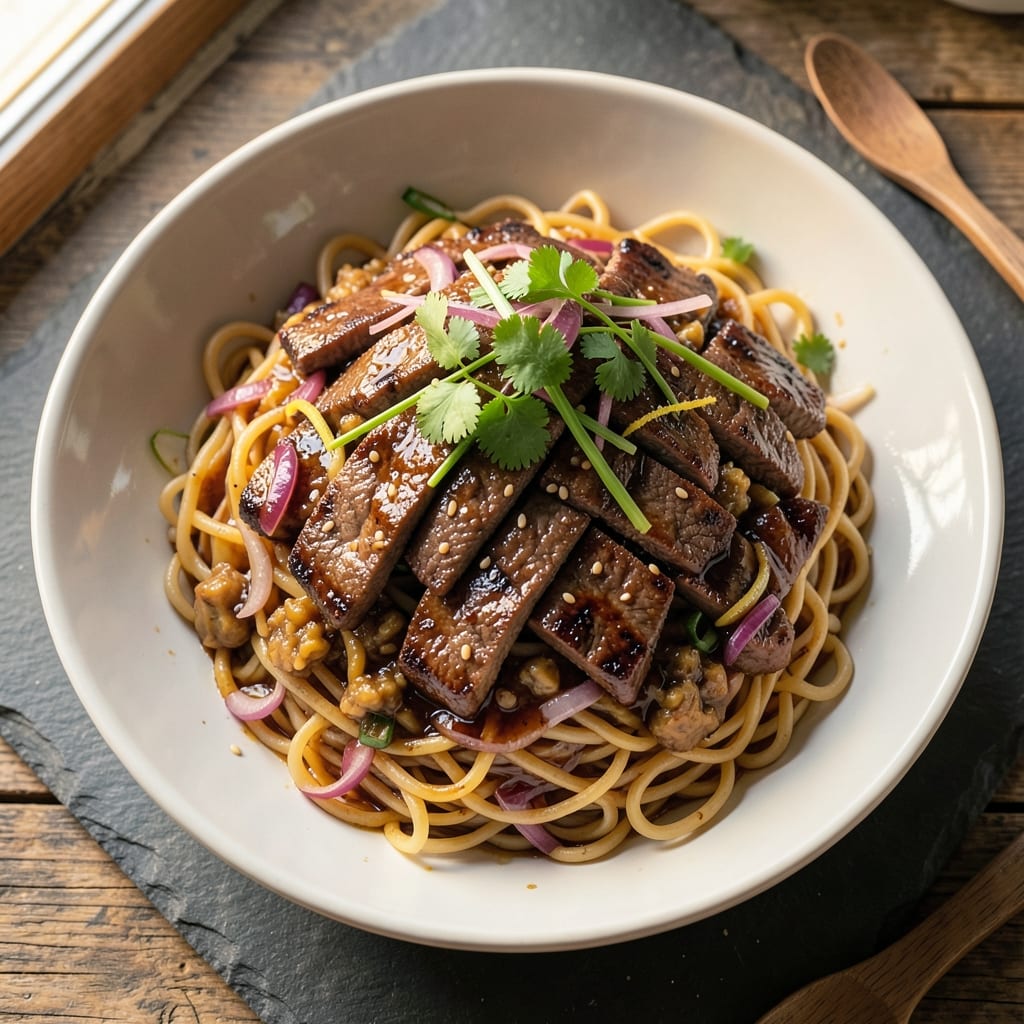
This Asian beef stir fry recipe with noodles delivers restaurant-quality wok-hei flavor in under 30 minutes. After years of takeout cravings, I finally cracked the code for tender, caramelized beef bites and perfectly chewy noodles that hold up to the sauce. The secret? High-heat searing paired with a balanced soy-ginger sauce that coats every bite without overpowering the beef.
What makes this recipe special is the technique: thinly sliced beef gets marinated in a simple soy-ginger mixture, then stir-fried until it develops that signature wok char. Meanwhile, fresh egg noodles cook just until al dente, so they stay chewy when tossed with the beef and sauce. I've tested this with both rice noodles and egg noodles—both work, but egg noodles hold their shape better when served.
By the time you plate it, you'll have perfectly caramelized beef with crisp edges, noodles that have just the right bite, and a sauce that's tangy, slightly sweet, and packed with umami. The aroma alone will have everyone gathering at the table. Garnish with green onions and sesame seeds for that final restaurant touch.
This recipe scales beautifully—double the ingredients for a crowd, or halve it for a quick weeknight dinner. The beef marinade can be prepped ahead, and the sauce comes together in minutes. Let's get cooking!
Ingredients for asian beef stir fry recipe with noodles
Restaurant-quality wok-hei flavor starts with these 15 essential ingredients—simple but powerful.
| Ingredient | Amount | Notes |
|---|---|---|
| Flank Steak 🥩 | 1 lb | Thinly sliced against the grain |
| Egg Noodles 🍜 | 8 oz | Fresh or dried, al dente preferred |
| Low-Sodium Soy Sauce 🥢 | ⅓ cup | For balanced flavor |
| Sesame Oil 🫒 | 1 tbsp | Toasted for aroma |
| Fresh Ginger 🧄 | 2 tbsp | Finely grated, peeled |
| Garlic Cloves 🧄 | 4 cloves | Minced, fresh preferred |
| Brown Sugar 🍯 | 2 tbsp | Light or dark variety |
| Vegetable Oil 🫒 | 2 tbsp | High smoke point |
| Green Onions 🧅 | 3 whole | Thinly sliced, for garnish |
| Toasted Sesame Seeds 🌾 | 1 tbsp | For garnish |
| Red Bell Pepper 🍆 | 1 whole | Thinly sliced, optional |
| Kosher Salt 🧂 | 1 ½ tsp | Diamond Crystal preferred |
| Black Pepper 🌶️ | ½ tsp | Freshly ground |
| Cornstarch 🌾 | 1 tbsp | For tenderizing beef |
| Rice Vinegar 🍶 | 1 tbsp | For sauce tang |
The beef is non-negotiable for authentic texture. Flank steak delivers that signature chew when sliced thinly against the grain. Most butchers will slice it for you—just ask! If you can't find flank, sirloin or ribeye work in a pinch, but they'll be slightly less tender. For the noodles, fresh egg noodles from the Asian aisle hold up better than rice noodles when stir-fried—they stay chewy without turning mushy. If you're using dried, cook them al dente and rinse in cold water to stop the cooking. Soy sauce? Low-sodium is key here—you want to control the salt level yourself.
No sesame oil? Neutral oil plus a pinch of toasted sesame seeds mimics the flavor. Fresh ginger and garlic can be swapped for powdered versions at half the amount, but fresh is worth it—they add brightness that dried can't match. The red bell pepper is optional but adds color and a subtle sweetness that balances the savory sauce. For the sauce, rice vinegar is essential—it cuts through the richness of the soy and brown sugar. If you're out, a splash of lime juice works too. The cornstarch isn't just for thickening—it helps tenderize the beef when marinated for 15-20 minutes before cooking.
Prep ahead like a pro: marinate the beef with soy sauce, ginger, garlic, brown sugar, and cornstarch for up to 4 hours in the fridge. The sauce keeps for 5 days in the fridge, so make extra for next time. Fresh ginger and garlic store in the freezer—just peel and freeze whole cloves. The sesame seeds? Buy them whole and toast them yourself in a dry pan for 30 seconds—they'll taste 100 times better than pre-toasted. This dish reheats beautifully—just add a splash of water to the pan and stir-fry for 2 minutes over high heat.
Why You'll Love This Recipe
- One-Pan Magic: I swear by this recipe on nights when I’m too tired to scrub pots—just toss everything in one skillet, and the noodles soak up that caramelized soy-ginger sauce while the steak gets perfectly seared. Honestly, the cleanup couldn’t be simpler.
- Umami Bomb: That low-sodium soy sauce and sesame oil combo? It’s the secret weapon here. The ginger adds a bright kick, but the real star is the beef—tender, slightly charred, and packed with savory depth that makes every bite worth it.
- Lunchbox Hero: Between us, this is my go-to for meal prep. I’ll cook a big batch on Sunday, and by Wednesday, I’m still pulling out containers of flavorful noodles and beef that taste like they were made fresh. (Yes, even on a Tuesday night.)
- Budget Powerhouse: Flank steak stretches further than you’d think when sliced thin, and egg noodles are cheap but satisfying. I’ll be real: this feeds four for under $15, and the leftovers? Even better reheated the next day with a sprinkle of green onions.
Step-by-step instructions for Asian beef stir fry with noodles
This method delivers perfectly caramelized beef and wok-hot noodles with balanced seasoning.
Prep the Flank Steak for Maximum Tenderness
Slice the 1 lb flank steak thinly against the grain into ¼-inch thick strips. This is critical—thin slices ensure quick cooking and tender bites. Place the sliced steak in a bowl and add the 1 tbsp cornstarch, 1.5 tsp kosher salt, and 0.5 tsp black pepper. Toss gently to coat evenly, ensuring each piece gets an even dusting.
Let the steak marinate for 15 minutes at room temperature while you prep the remaining ingredients. The cornstarch creates a light crust that locks in juices during cooking, while the salt and pepper season deeply. If you're short on time, even 5 minutes of marinating will help, but longer is better for flavor penetration.
Cook the Beef to Perfect Doneness
Heat a large wok or skillet over high heat until it's smoking hot. Add the 2 tbsp vegetable oil and swirl to coat the bottom. Working in batches (don't overcrowd), add the steak strips and sear undisturbed for 1-2 minutes until the edges turn deep golden brown and the centers remain slightly pink. This high heat creates that signature wok-char flavor.
Transfer the cooked steak to a plate and set aside. The beef should be 80% cooked at this stage—it will finish in the sauce. If your pan isn't hot enough, the steak will steam instead of sear, resulting in soggy, flavorless meat. If this happens, increase the heat and try again with fresh oil.
Build the Stir-Fry Sauce and Cook the Aromatics
In the same wok, reduce heat to medium-high and add the 2 tbsp vegetable oil if needed. Add the 2 tbsp finely grated fresh ginger and 4 minced garlic cloves, stirring constantly for 30 seconds until fragrant. Add the 1 whole red bell pepper, sliced into thin strips, and stir-fry for 2 minutes until slightly softened but still crisp.
Pour in the 0.33 cup low-sodium soy sauce, 2 tbsp brown sugar, and 1 tbsp rice vinegar. Bring to a simmer and let reduce by half (1-2 minutes) until the sauce thickens slightly. The sugar will begin to caramelize, adding depth of flavor. If the sauce reduces too quickly, add 1-2 tablespoons water to maintain balance.
Combine Everything for the Final Stir-Fry
Return the cooked beef to the wok and add the 8 oz egg noodles. Toss everything vigorously for 2-3 minutes until the noodles are heated through and coated in the sauce. The noodles should be al dente—if they're still firm, they'll finish cooking in the residual heat. If they're too soft, they'll turn mushy.
Drizzle with 1 tbsp sesame oil and toss once more to distribute. The sesame oil adds a nutty aroma that elevates the dish. Taste and adjust seasoning—add a splash more soy sauce if needed, or a pinch of sugar if the vinegar makes it too tart. The sauce should coat the noodles and beef without being overly saucy.
Garnish and Serve Immediately
Transfer the stir-fry to serving plates and garnish with 3 thinly sliced green onions and 1 tbsp toasted sesame seeds. The green onions add freshness, while the sesame seeds contribute texture and visual appeal. Serve immediately while the noodles are wok-hot—this dish doesn't wait. The contrast between the caramelized beef, chewy noodles, and vibrant vegetables makes every bite exciting.
For best results, serve with extra soy sauce on the side for dipping. The beef should be tender but still slightly chewy, the noodles firm yet tender, and the sauce balanced between salty, sweet, and tangy. Leftovers can be refrigerated for up to 2 days, but the texture will change—best enjoyed fresh.
Pro Tips For Making Asian Beef Stir Fry Recipe With Noodles
- CRANK THE HEAT FIRST: That flank steak needs a screaming-hot pan—no medium or low. I used to start gentle, and the meat would turn out chewy instead of tender. Once the oil shimmers and the steak hits the pan, turn it down just enough to keep it sizzling, not smoking. The first 30 seconds at max heat build that crust that locks in flavor.
- SLICE AGAINST THE GRAIN—THEN AGAIN: Cut the steak thinly, but don’t stop after the first pass. After slicing against the grain, turn the pieces 90 degrees and slice again—this breaks up the fibers even more. I learned this the hard way when my stir-fry had stubborn chewy bits. For flank steak, aim for paper-thin strips, not steakhouse slices.
- GINGER: GRATE IT FINE, THEN TOAST: Skip the pre-minced ginger—it’s too wet and loses impact. Use a microplane for fresh ginger, then toss it in the hot pan for 10 seconds until fragrant. That quick toast deepens the flavor without burning. (Yes, even if you’re impatient like me—just don’t walk away.)
- SAVE THE NOODLES’ WATER: Don’t drain those egg noodles completely. Reserve ¼ cup of the starchy cooking water, then toss the noodles with the stir-fry sauce and a splash of that water at the end. It’ll make the sauce cling instead of turning the noodles dry. I skip this, and the dish feels flat—add it, and it sticks together like it’s supposed to.
Pro cooking tips for asian beef stir fry recipe with noodles
High-Heat Mastery
Your wok or skillet needs to be smoking hot before adding the beef—this is non-negotiable for that signature wok-hei flavor. I use a 14-inch carbon steel wok from Mauviel because it heats up fast and retains heat. If you don’t have a wok, a heavy-bottomed cast iron skillet works too. Preheat it over high heat for 3-5 minutes until it’s nearly smoking before adding oil. 🔥
Batch Cooking Beef
Never overcrowd your pan! Cook the beef in 2 batches if needed—this ensures each piece gets that perfect deep golden brown crust. I like to spread the strips out in a single layer, giving them space to sear. If your pan isn’t hot enough, the beef will steam instead of caramelize, resulting in bland, mushy bites. Trust me, I’ve learned this the hard way.
Sauce Reduction Tricks
The sauce should reduce by about half—this is what creates that glossy, sticky finish. If it reduces too quickly, add 1-2 tablespoons water to keep it balanced. I like to taste the sauce before combining everything—it should be slightly thick but still pourable. If it’s too thin, simmer it longer; if too thick, thin it with a splash of water or a pinch of cornstarch slurry.
Noodle Timing
Cook your noodles al dente—they’ll finish cooking in the residual heat of the stir-fry. For egg noodles, I use 2 minutes less than package instructions, then rinse them in cold water to stop the cooking. This keeps them chewy and prevents them from turning mushy when tossed with the sauce. Pro tip: Taste a noodle before adding it to the wok—it should have a slight bite.
Sesame Oil Finish
Add the 1 tablespoon sesame oil at the very end—just before serving. This step is crucial because sesame oil has a low smoke point and can burn if added too early. Toss it in gently and serve immediately. The aroma alone will have everyone at the table reaching for seconds. 💫
Garnish Like a Pro
Freshly sliced green onions and toasted sesame seeds aren’t just for looks—they add layers of flavor. Thinly slice the green onions on the bias for a pretty presentation, and toast the sesame seeds in a dry pan for 30 seconds until fragrant. Sprinkle them over the top right before serving to keep everything crisp and vibrant.
Nutrition facts
Frequently asked questions
Can I use frozen beef instead of fresh flank steak?
Frozen beef works, but thaw it completely first in the refrigerator (24 hours) and pat it very dry before slicing. The moisture from thawing can make the beef release liquid during cooking, which dilutes the sauce. If you're short on time, use a meat tenderizer mallet to break down the fibers slightly before slicing.
What if I don't have a wok? What pan should I use?
A heavy-bottomed cast iron skillet or stainless steel pan works perfectly—just make sure it's large enough to hold all ingredients without overcrowding. Preheat it over high heat for 3-5 minutes until nearly smoking. A nonstick pan can work too, but avoid stirring too much to prevent sticking.
How do I adjust the recipe for spicier flavor?
Add ½ teaspoon red pepper flakes or 1 teaspoon sriracha to the sauce mixture, or stir in 1 tablespoon chili garlic sauce at the end. For extra heat, sear ½ teaspoon sliced chili peppers with the aromatics. Always taste first—the sauce should complement, not overpower, the beef's natural flavor.
Can I make this ahead of time and reheat it?
While fresh is best, you can prep components ahead: marinate the beef (up to 4 hours), make the sauce (5 days refrigerated), and cook the noodles (1 day refrigerated). To reheat, stir-fry in a hot pan with 1 tablespoon oil for 2-3 minutes until piping hot. The texture won't be identical, but it's still delicious!
Why did my beef turn out tough instead of tender?
This usually happens when the beef isn't sliced thinly enough or cooked at too low heat. Always slice against the grain into ¼-inch strips, and use smoking hot oil for quick searing. Overcrowding the pan also causes steaming instead of searing. Cook in 2 batches if needed, and never stir the beef until it develops a crust.