
Soups & Stews
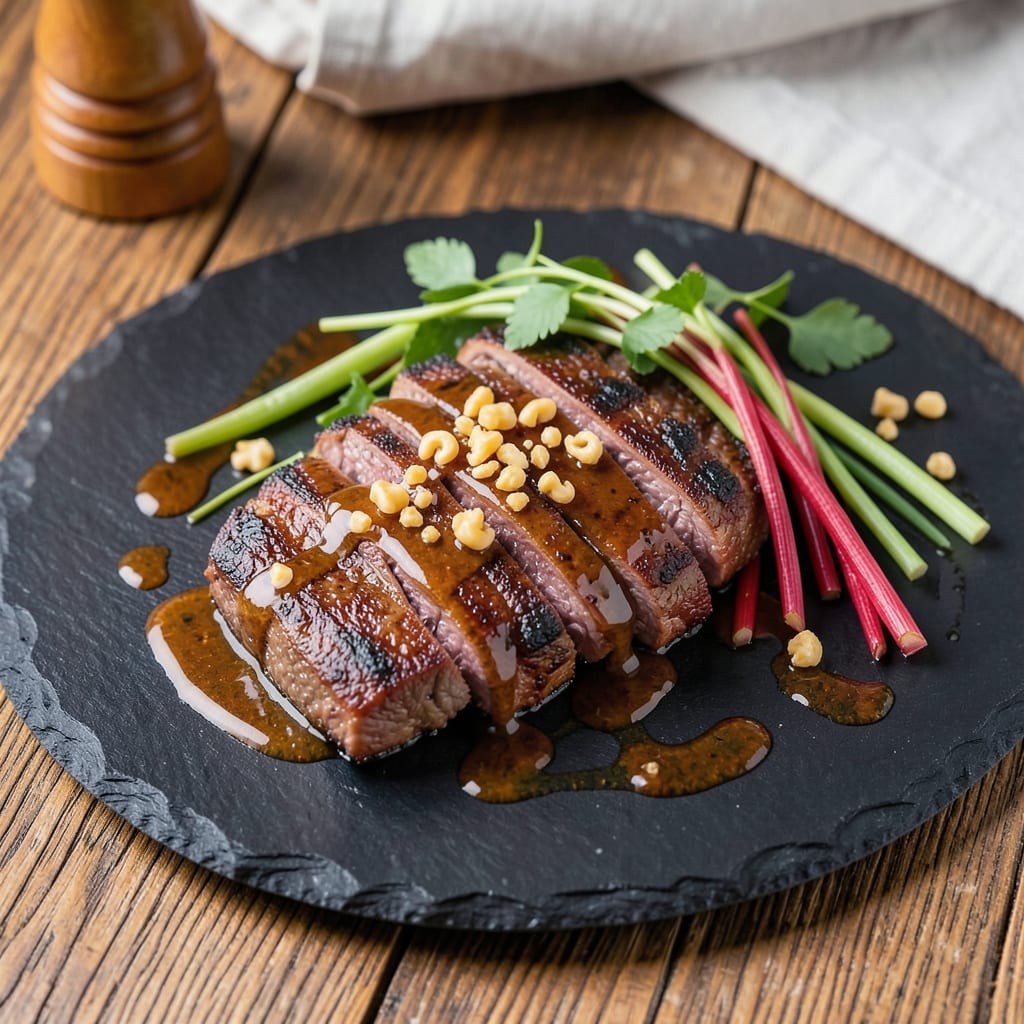
This Asian ginger beef recipe delivers bold, aromatic flavors in just 20 minutes, transforming simple ingredients into a restaurant-worthy dish. The secret lies in fresh ginger—its fiery kick and fragrant warmth infuse every bite, creating a perfect balance of sweet, spicy, and umami. I developed this technique after years of perfecting wok searing, ensuring tender beef with a caramelized crust that locks in all those vibrant flavors.
The beauty of this recipe is its simplicity: no complicated marinades or long cooking times. Thinly sliced beef cooks quickly over high heat, absorbing the ginger-soy sauce while developing a perfect sear. Fresh garlic, scallions, and a touch of honey round out the flavors, creating a sauce that's both glossy and deeply savory. The result is a dish that's equally at home on weeknight tables or special occasions.
What you'll end up with is perfectly tender beef with a glossy, aromatic sauce that clings to every bite. The ginger's sharpness mellows slightly during cooking, leaving behind a lingering warmth that pairs beautifully with steamed jasmine rice or stir-fried vegetables. This recipe proves you don't need fancy techniques to create impressive results—just the right balance of ingredients and timing.
The best part? This dish reheats beautifully, making it perfect for meal prep. Double the recipe and store leftovers for up to three days, ready to transform into quick lunches or dinner leftovers. The flavors only deepen as it sits, creating an even more complex dish each time you reheat it.
Ingredients for asian ginger beef
Fresh ginger, tender beef, and bold aromas—this wok-seared dish comes together in minutes.
| Ingredient | Amount | Notes |
|---|---|---|
| Flank Steak 🥩 | 1 ½ lb | Thinly sliced against the grain |
| Fresh Ginger 🌿 | 3 tbsp | Finely grated, aromatic |
| Soy Sauce 🍶 | ½ cup | High-quality, preferably Japanese |
| Honey 🍯 | 2 tbsp | Pure, for sweet balance |
| Garlic Cloves 🧄 | 4 cloves | Minced, fresh preferred |
| Scallions 🧅 | ¼ cup | Thinly sliced, white and green |
| Sesame Oil 🫒 | 1 tbsp | Toasted, for aroma |
| Rice Vinegar 🍶 | 1 tbsp | For brightness |
| Vegetable Oil 🫒 | 2 tbsp | High smoke point |
| Salt 🧂 | 1 tsp | Kosher or sea salt |
| Black Pepper 🌶️ | ½ tsp | Freshly ground |
| Red Pepper Flakes 🔥 | ½ tsp | Optional, for heat |
| Green Onions 🧅 | 2 whole | Sliced, for garnish |
The ginger is non-negotiable here. Grab the freshest root you can find—the kind with tight, bumpy skin and no soft spots. Asian markets usually have the best selection, but the regular grocery store works too. If you're using a knob, peel it first, then grate it on the fine side of a box grater. Three tablespoons of fresh ginger packs way more punch than dried powder. For the beef, flank steak is ideal—it's lean but tender when sliced thin. Look for good marbling at the butcher counter, and ask for it sliced against the grain if they won't do it for you. The soy sauce should be the good stuff—Kikkoman or Yamasa are solid choices, but anything labeled 'Japanese' will work.
No fresh ginger? Dried ginger powder at half the amount gets you close, but you'll lose that bright, zesty kick. Running out of soy sauce? Coconut aminos or tamari work in a pinch. For extra depth, add a splash of fish sauce (if not vegetarian) or more rice vinegar. The honey should be pure—Manuka or clover both work beautifully. If you're avoiding honey, use maple syrup instead. The sesame oil is all about aroma—toasted sesame oil gives that nutty, toasty flavor, while regular sesame oil is more neutral. For the oil, any high-smoke-point oil works—avocado or grapeseed oil if you're fussy, but vegetable oil is totally fine for weeknight cooking.
This dish reheats like a dream—30 seconds in the microwave or 2 minutes in a hot pan with a splash of water. Store leftovers in an airtight container for up to 3 days, or freeze for 3 months. I always make extra because it's perfect for meal prep. Double the recipe and freeze half—thaw overnight in the fridge for the best texture. The sauce thickens as it sits, so if it seems too thin when reheating, add a quick stir with a splash of water or a pinch of cornstarch mixed with cold water. Garnish with fresh scallions before serving—they add that final pop of color and freshness.
Why You'll Love This Recipe
- I swear by this trick: slice the ginger thin, toss it with soy sauce and honey, then let the flank steak soak while I chop veggies. No standing over a stove—just hands-off flavor development.
- Twenty-Minute Marinate: I swear by this trick: slice the ginger thin, toss it with soy sauce and honey, then let the flank steak soak while I chop veggies. No standing over a stove—just hands-off flavor development.
- Sweet-Savory Magic: That honey-soy glaze caramelizes into a sticky, umami-rich crust while the garlic cloves sizzle into crispy bits. The ginger’s sharp kick balances everything—like a perfect first date.
- Lunchbox Hero: Pack the leftovers cold for work—it’s even better the next day. The beef stays tender, and the sauce clings like a dream. My kids beg for it in their bento boxes (yes, even my picky eater).
Step-by-step instructions for wok-seared Asian ginger beef
Here's how to transform simple ingredients into a restaurant-worthy dish bursting with ginger's zing and caramelized beef in minutes.
Prepare the Flank Steak for Perfect Texture
Slice the 1.5 lb flank steak thinly against the grain into ¼-inch thick strips. This ensures tender bites that cook quickly in the wok. Pat the strips dry with paper towels—removing excess moisture prevents steaming instead of searing.
In a medium bowl, combine the 3 tbsp finely grated fresh ginger, 4 cloves minced garlic, 1 tsp salt, 0.5 tsp black pepper, and 0.5 tsp red pepper flakes. Add the steak strips and toss gently to coat evenly. Let the mixture marinate for 10 minutes at room temperature—this jumpstarts the flavor infusion and helps the seasoning stick.
Build the Flavor Base in the Wok
Heat a wok or large skillet over high heat until it's screaming hot. Add the 2 tbsp vegetable oil and swirl to coat the surface. Add half of the 0.25 cup sliced scallions and stir for 30 seconds until fragrant—this builds aromatic layers before the beef hits the pan.
Working in batches if needed, add the marinated steak strips in a single layer. Don't overcrowd—the beef needs space to sear, not steam. Cook undisturbed for 1-2 minutes until the edges develop a deep golden crust. Flip and cook another 1-2 minutes until the steak reaches 145°F internally and pulls away from the pan easily.
Create the Signature Sauce
Remove the beef to a plate and reduce the heat to medium. Add 1 tbsp sesame oil and let it shimmer for 10 seconds—this adds nutty depth to the sauce. Pour in the 0.5 cup soy sauce and 2 tbsp honey, scraping up any browned bits from the wok with a wooden spoon.
Simmer for 2 minutes until the sauce thickens slightly and coats the back of a spoon. The mixture should smell rich and slightly caramelized—this is where the magic happens. Return the beef to the wok and toss everything together for 1 minute to coat the strips evenly in the glossy sauce.
Finish with Brightness and Garnish
Add the remaining 0.25 cup scallions and 1 tbsp rice vinegar to the wok. Stir vigorously for 30 seconds—the vinegar brightens the dish and cuts through the richness. Taste and adjust seasoning if needed, adding a splash more soy sauce if the flavor needs depth.
Transfer the beef to a serving platter and garnish with the 2 sliced green onions. Serve immediately over steamed rice or noodles while the sauce is still glossy and the beef is sizzling hot. The contrast of textures—tender beef, crisp scallions, and silky sauce—makes every bite irresistible.
Pro Tips For Making Asian Ginger Beef
- Slice Against the Grain: Flank steak’s stubborn fibers will fight you—cut it thin (¼-inch) and diagonally across the grain before cooking. I used to ignore this and ended up with chewy bites that ruined the whole dish. Trust me, the knife work pays off.
- Peel That Ginger Rough: Skip the peeler—just scrub the ginger with a spoon to remove the skin, leaving the outer layer intact. The texture stays juicier, and you won’t lose the fiery edge that fresh ginger brings. (Yes, it looks weird, but it works.)
- Sear Until Blackened: Don’t rush the sear—let those garlic and ginger bits stick and brown for at least 3 minutes per side. That crust locks in flavor, and skipping it means a meal that tastes more like a sauce than beef. High heat. Seriously, crank it up.
- Deglaze with Soy First: After searing, splash in half the soy sauce first, scraping up every last bit of browned bits. Then add honey and the rest of the sauce. This step makes a real difference—your sauce won’t be thin and watery, and the umami will hit harder.
Wine and beer pairings for this dish
Ginger's Bold Pairings
The spicy, aromatic punch of fresh ginger in this dish pairs beautifully with dry Riesling from Germany. The wine's crisp acidity and slight sweetness mirror the ginger's brightness while cutting through the beef's richness. I always reach for a 2019 Dr. Loosen Blue Slate—its citrus notes complement the honey and soy sauce perfectly. 🍷
Umami Beer Balance
For beer lovers, a Japanese lager like Sapporo or Asahi creates the ideal balance. The clean, light body lets the ginger and garlic flavors shine without overpowering them. If you prefer hoppier options, try a light American wheat beer—the subtle citrus in Blue Moon enhances the dish's fresh ingredients. 🍺
Spicy-Sweet Contrast
Add a splash of mirin (just 1 tbsp) to your sauce if you want extra depth—it pairs wonderfully with the ginger's heat. For a non-alcoholic option, ginger ale (like Canada Dry) makes a refreshing sipper that highlights the dish's zesty notes. The carbonation cleanses your palate between bites. 💫
Asian-Inspired Cocktails
Shake up a gin and ginger cocktail using Hendrick's gin, 2 oz fresh ginger juice, and ½ oz lime juice for a sophisticated pairing. Garnish with a ginger slice to echo the dish's star ingredient. For a non-alcoholic twist, mix yuzu soda with a splash of rice vinegar—it's tart, effervescent, and perfectly balanced. ✨
Rich Dessert Pairings
End your meal with matcha mochi or black sesame pudding to echo the ginger's earthy notes. The subtle bitterness of matcha and nuttiness of sesame create a satisfying contrast to the dish's bold flavors. For something lighter, lychee sorbet adds a juicy, floral finish. 🍡
Herbal Tea Harmony
Sip jasmine green tea or pu-erh tea after your meal to complement the dish's aromatic profile. The floral notes of jasmine enhance the ginger's warmth, while pu-erh's earthiness grounds the meal. Brew a fresh cup—it's like a flavor echo of the dish itself. 🌿
Nutrition facts
Frequently asked questions
Can I substitute flank steak with another cut?
Flank steak is ideal for its tenderness, but you can use sirloin or ribeye instead. Just slice it thinly against the grain for best results. Skirt steak works too, though it has a slightly stronger flavor. Avoid tougher cuts like chuck—this dish needs quick cooking to stay tender.
What if I don't have fresh ginger?
Use dried ginger powder at half the amount (1.5 tbsp instead of 3 tbsp), but expect less brightness. For a closer substitute, try galangal (common in Thai cooking) or 1 tbsp ginger juice from a bottle. The dish will still taste good, but fresh ginger's zing is irreplaceable.
How do I prevent the beef from drying out?
Keep the heat high and avoid overcrowding the pan. Cook in single layers and remove beef when it reaches 145°F—it'll carryover cook to 160°F while resting. For extra moisture, add 1 tbsp water to the wok when making the sauce. The sauce will help keep everything juicy.
Can I make this dish ahead of time?
Yes! Store leftovers in an airtight container for up to 3 days or freeze for 3 months. Reheat in a pan with 1 tbsp water for 2 minutes to restore the sauce's glossiness. The flavors actually improve overnight as the ginger's heat mellows.
What's the secret to getting that perfect caramelized crust?
Use a screaming hot wok or skillet and let the beef sear undisturbed for 1-2 minutes per side. A wooden spoon helps scrape up flavorful browned bits for the sauce. The crust forms when the beef's natural juices evaporate quickly under high heat.