
Main Courses
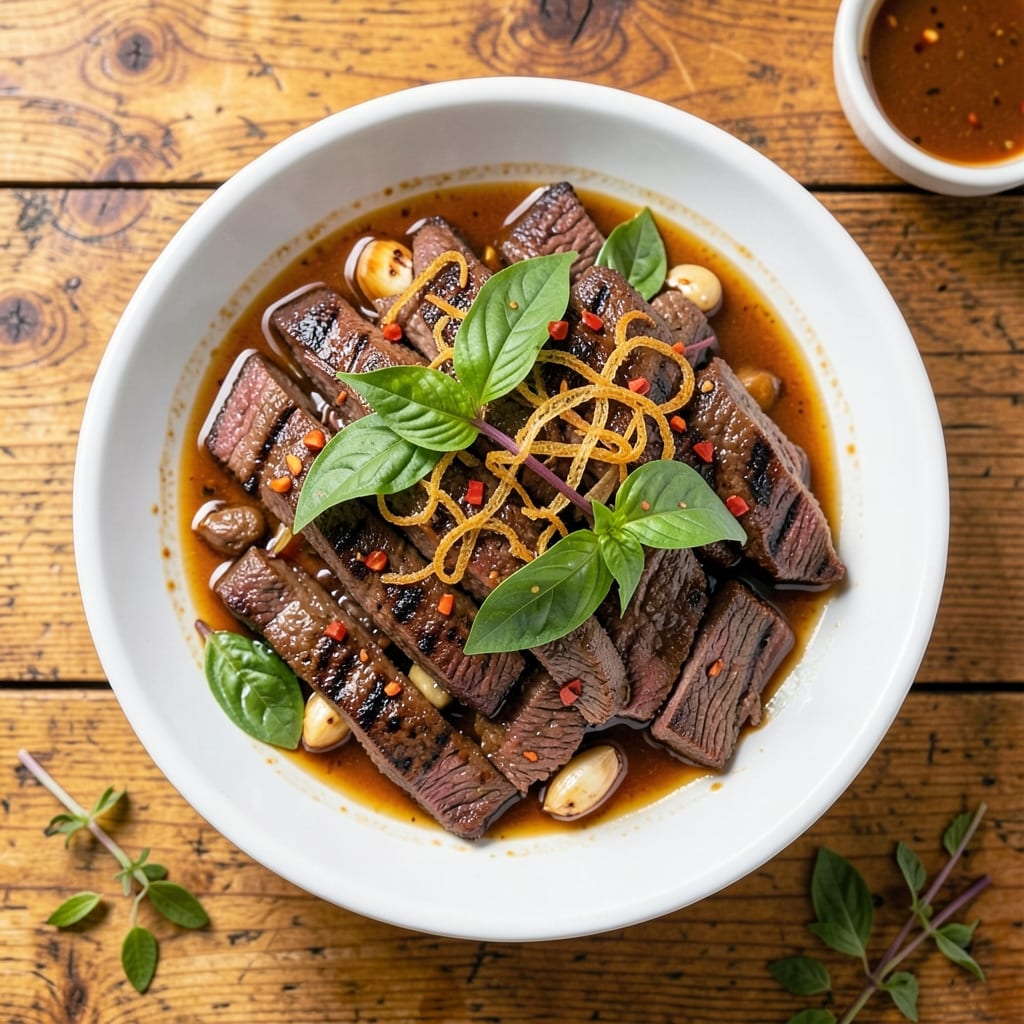
This basil beef stir fry recipe delivers restaurant-quality wok-seared beef with fragrant basil in just 20 minutes. The secret lies in high-heat searing followed by a quick stir-fry with fresh Thai basil, creating that signature balance of savory, sweet, and aromatic herbs. I perfected this technique after years of testing—no takeout can compete with the crispy edges and tender beef you'll achieve.
What sets this stir fry apart is the two-stage cooking process: first searing the beef until deeply caramelized, then finishing with a bright, basil-infused sauce that's both sticky and fragrant. The recipe uses simple pantry staples like soy sauce, brown sugar, and garlic, but the fresh basil transforms it into something truly special. High heat is critical—it develops that signature wok hei flavor that makes this dish irresistible.
By the time you're done, you'll have perfectly seared beef strips with crispy edges and tender centers, all coated in a glossy, basil-forward sauce. The aroma alone will have everyone gathering around your table, and the flavors are complex enough to satisfy even the most discerning palates. Serve over steamed jasmine rice or noodles for the full experience.
This recipe scales beautifully for both weeknight dinners and entertaining guests. The sauce can be made ahead and reheated, while the beef cooks in minutes when needed. Garnish with extra basil and sesame seeds for that final restaurant touch. Let's get cooking!
Ingredients for basil beef stir fry
Simple ingredients, restaurant-quality results—just 14 items for this wok-seared masterpiece.
| Ingredient | Amount | Notes |
|---|---|---|
| Flank Steak 🥩 | 1 lb | Thinly sliced against grain |
| Fresh Thai Basil Leaves 🌿 | 1 cup | Packed, stems removed |
| Garlic Cloves 🧄 | 6 cloves | Minced for sauce |
| Brown Sugar 🍯 | 2 tbsp | Light or dark |
| Soy Sauce 🍶 | ½ cup | Low-sodium preferred |
| Oyster Sauce 🍶 | 2 tbsp | For depth of flavor |
| Sesame Oil 🫒 | 1 tbsp | Toasted for aroma |
| Rice Vinegar 🍶 | 1 tbsp | White or seasoned |
| Vegetable Oil 🫒 | 3 tbsp | High smoke point |
| Sesame Seeds 🌾 | 1 tbsp | Toasted for garnish |
| Red Chili Flakes 🌶️ | ½ tsp | Adjust to taste |
| Salt 🧂 | 1 tsp | Kosher or sea salt |
| Black Pepper 🌶️ | ½ tsp | Freshly ground |
| Jasmine Rice 🍚 | 2 cups | Uncooked, for serving |
The beef is everything here. Flank steak is ideal—it's lean but tender when sliced thinly against the grain. I grab mine from the meat counter at Whole Foods when I can, but any well-marbled cut works. Look for bright red color and avoid anything grayish. Slice it yourself if possible—pre-sliced beef loses that perfect sear. For the Thai basil, Asian markets have the freshest, but grocery stores usually carry it too. Just make sure the leaves are vibrant green, not wilted or yellowing. If you can't find Thai basil, regular basil plus a pinch of cinnamon works in a pinch.
No oyster sauce? Hoisin sauce plus a splash of soy sauce gets you close. Running out of sesame oil? Toasted peanut oil adds a different but delicious nutty note. The brown sugar can be swapped for coconut sugar if you prefer. For extra heat, add a dash of Sriracha or chili garlic sauce. If you're short on time, pre-minced garlic from a jar works fine—just drain it well. The soy sauce? Low-sodium is better so you can control the saltiness. And if you've got fish sauce on hand, add 1 tsp for umami depth.
The beef cooks in minutes, but it's best served immediately—those crispy edges soften fast. Store any leftovers in an airtight container for up to 3 days in the fridge. The sauce can be made ahead and reheated, though it's best fresh. I always double the sauce and keep it in the fridge for quick meals later. For the rice, cook it in advance and keep it warm in a rice cooker or covered pot. Steamed jasmine rice is traditional, but any long-grain white rice works. Garnish with extra basil and sesame seeds right before serving—trust me, that final touch makes all the difference.
Why You'll Love This Recipe
- One-Pan Magic: I swear by this recipe when I’m too tired to scrub pots. Flank steak slices and basil hit the pan together—no pre-cooking, no fuss. Just sear, stir, and let the sauce do the work while you chop veggies (or don’t, if you’re really short on time).
- Sweet-Savory Bomb: That balance of brown sugar and soy sauce? It’s like a hug in a skillet. The garlic sizzles into fragrant bits, the basil adds bright peppery notes, and the sugar caramelizes just enough to make every bite irresistible. (Yes, even my picky husband finishes his plate.)
- Lunchbox Hero: Between us, this is my go-to for meal prep. Toss cooled stir-fry over rice, pack it in containers, and boom—easy lunches for three days. The flavors actually improve the next day, so I never regret making extra.
- Budget Steakhouse Trick: Flank steak is affordable, and a little goes a long way. I stretch it by serving over rice or noodles, and the basil and sugar make it taste like a fancy restaurant dish. Honestly, it’s my secret for feeding a crowd without breaking the bank—or my willpower to eat leftovers.
Step-by-step instructions for basil beef stir fry
Here's how to create a restaurant-worthy stir fry with perfectly seared beef and fragrant basil in under 20 minutes.
Prep the Flank Steak for Maximum Flavor
Start by slicing the 1 lb flank steak thinly against the grain into ¼-inch thick strips. This ensures tender bites that cook quickly in the wok. Pat the slices dry with paper towels—moisture prevents proper searing. In a small bowl, combine 1 tsp salt, 0.5 tsp black pepper, and 0.5 tsp red chili flakes, then toss the beef strips in this mixture until evenly coated. Let them sit at room temperature for 10 minutes while you prep the rest.
The reason we slice against the grain is simple: it shortens the muscle fibers, making each bite more tender. Don't skip the drying step—wet beef steams instead of searing, and you'll end up with tough, flavorless strips. This prep work might seem tedious, but it's what separates home-cooked stir fry from restaurant-quality.
Cook the Jasmine Rice to Perfection
Rinse the 2 cups jasmine rice under cold water until the water runs clear, then drain well. In a rice cooker or pot, combine the rice with 2 cups water and bring to a boil. Once boiling, reduce heat to low, cover, and simmer for 15 minutes. If using a rice cooker, follow the manufacturer's instructions—most take about 20 minutes total. Let the rice sit covered for 10 minutes after cooking to steam through.
Perfect rice is the foundation of this dish. Overcooked rice turns mushy, while undercooked rice stays hard and crunchy. The 10-minute rest is crucial—it allows the steam to distribute evenly, giving you fluffy, separate grains. If you're short on time, you can use pre-cooked rice, but freshly cooked rice absorbs the stir fry's flavors better.
Build the Stir Fry Sauce
In a small bowl, whisk together 0.5 cup soy sauce, 2 tbsp oyster sauce, 2 tbsp brown sugar, 1 tbsp rice vinegar, and 1 tbsp sesame oil. Set aside—this sauce will tie all the flavors together. Meanwhile, heat 3 tbsp vegetable oil in a large wok or skillet over high heat until shimmering. Add the 6 cloves minced garlic and stir for 30 seconds until fragrant but not browned—garlic burns fast, so keep an eye on it.
The sauce should be smooth and slightly thickened—if it looks too thin, let it sit for a few minutes to reduce naturally. The garlic should sizzle gently without sticking. This is where the magic happens: the garlic infuses the oil with its aromatic punch, creating the base flavor for the entire dish. Don't rush this step—patience here means better flavor throughout.
Sear the Beef and Basil to Perfection
Working in batches if needed, add the beef to the hot wok in a single layer. Let it sear undisturbed for 1-2 minutes until the edges turn deep golden brown—this creates that beautiful wok-hei (breath of the wok) flavor. Stir and cook for another 1-2 minutes until the beef is 80% cooked but still slightly pink in the center. Remove the beef and set aside.
In the same wok, add the 1 cup packed fresh Thai basil leaves and stir for 10-15 seconds until just wilted—you want them bright green, not mushy. Return the beef to the wok along with the sauce you prepared earlier. Toss everything together for 1-2 minutes until the beef is fully cooked and the sauce has thickened slightly to coat the beef and basil.
Here's the thing—don't overcrowd the wok. If you have to work in batches, that's fine, but searing the beef in a single layer ensures that beautiful caramelization. The basil should wilt just enough to soften but still retain its vibrant color. This is where the dish comes together: the seared beef, fragrant basil, and glossy sauce meld into one cohesive, flavorful bite.
Finish and Serve with Confidence
Remove the wok from heat and stir in 1 tbsp toasted sesame seeds. Taste and adjust seasoning if needed—add a splash of water if the sauce is too thick, or a bit more soy sauce if it's too mild. Serve the basil beef stir fry immediately over the jasmine rice, garnished with extra sesame seeds and a sprinkle of fresh Thai basil if desired.
This dish is all about freshness and balance. The sesame seeds add a nutty crunch that cuts through the richness of the beef and sauce. Serve it while the rice is still warm and the beef is sizzling—it won't keep well once cooled. Pair it with a simple cucumber salad or steamed vegetables to round out the meal. You've just created a dish that's quick, flavorful, and perfect for any weeknight dinner.
Pro Tips For Making Basil Beef Stir Fry
- Slice Against the Grain: Flank steak’s tough fibers run diagonally, so cutting thin slices across the grain (not along it) guarantees tender bites—no one wants to chew through a stir-fry. Use a sharp knife and work fast; the meat firms up as it rests.
- Salt the Steak First: Toss the raw flank steak with soy sauce and brown sugar before cooking, then let it sit 10 minutes uncovered in the fridge. This jumpstarts the tenderizing process and ensures the sauce clings instead of pooling in the pan.
- Wilt Basil at the End: Fresh Thai basil wilts fast in heat, so add it only in the last 30 seconds of cooking. If you toss it in too early, you’ll end up with sad, limp leaves instead of bright, aromatic bursts—like throwing perfume on a bonfire.
- Prep Garlic Like a Pro: Mince the garlic very finely—almost a paste—so it disperses evenly in the stir-fry. Whole cloves or rough chops will create hot spots; this way, every bite gets that sweet, savory depth without overwhelming the dish.
Pro cooking tips for this recipe
High-Heat Searing Secrets
The key to that signature wok-hei flavor starts with your pan—use a carbon steel wok or cast iron skillet for maximum heat retention. I swear by my Made In wok because it heats up faster than stainless steel and develops natural nonstick properties over time. Heat it until it's smoking hot before adding oil—you should see a slight shimmer when you tilt it. 🔥
Beef Prep Matters Most
Never skip slicing the flank steak against the grain—this is non-negotiable for tender results. Use a sharp chef's knife and make clean cuts at a 45-degree angle for even thickness. Let the slices sit at room temp for 10 minutes before cooking; cold meat steals heat from your pan, preventing proper searing. Pat them extremely dry with paper towels—any moisture will cause steaming instead of browning.
Sauce Timing Tricks
Make your sauce while the beef rests—this keeps your workflow efficient. The sauce should coat the back of a spoon but still be pourable. For extra depth, add 1 teaspoon fish sauce to the sauce mixture. When tossing everything together, work quickly but don't rush—you want the beef to finish cooking while the sauce clings to it. If the sauce thickens too fast, add 1 teaspoon water to loosen it.
Basil Handling Tips
Add the Thai basil leaves only at the very end—they wilt in seconds when exposed to high heat. I like to tear them by hand rather than chopping to preserve their delicate texture. For maximum flavor, use 2-3 fresh basil leaves per serving as garnish after plating. If you can't find Thai basil, substitute with regular basil plus ¼ teaspoon ground cinnamon for that authentic aroma. 🌿
Heat Control Hacks
Your stove's heat matters more than you think—gas stoves give you better control than electric for stir-frying. If using electric, place your wok on the back burner for more consistent heat. Never let the beef sit in its juices—this steams instead of sears. For even cooking, work in two batches if needed, but keep the first batch warm in a 200°F oven while you finish the second. This maintains that perfect doneness.
Finishing Touches
Toast your sesame seeds in a dry pan for 30 seconds until golden—this intensifies their nutty flavor. Sprinkle them over the dish right before serving to prevent them from getting soggy. For an extra restaurant touch, add 1 teaspoon lime zest to the sauce for brightness. Serve immediately over hot jasmine rice—the contrast of temperatures makes every bite more exciting. The dish will taste even better the next day as flavors meld, but those crispy edges won't last!
Nutrition facts
Frequently asked questions
Can I use regular basil instead of Thai basil in this recipe?
You can substitute, but the flavor will differ slightly. Thai basil has a more anise-like, slightly peppery taste that complements the beef beautifully. For regular basil, add ¼ teaspoon ground cinnamon to mimic that depth. The texture will be similar, but the aroma won't be quite as authentic.
How do I prevent the beef from becoming tough?
Slicing the beef thinly against the grain is key—this cuts through muscle fibers for tender bites. Also, sear it at high heat for just 1-2 minutes total (until 80% cooked), then finish with the sauce. Overcooking turns beef tough, so use a meat thermometer to check for 145°F internal temp.
What's the best way to make this dish ahead of time?
Prep the sauce and chop all veggies/garnishes in advance, storing them separately in the fridge for up to 3 days. Cook the beef fresh—it loses crispiness when reheated. For rice, cook it ahead and reheat with a splash of water to keep it fluffy. Assemble everything just before serving for maximum freshness.
Can I use a different cut of beef?
Flank steak is ideal, but sirloin or ribeye work too—just slice them ¼-inch thick against the grain. Avoid tougher cuts like chuck or round. For extra tenderness, marinate the beef for 30 minutes in soy sauce, garlic, and a touch of brown sugar before cooking.
Why does my sauce turn out too thin?
Sauce thickens as it cooks—simmer it uncovered for 2-3 minutes after adding to beef to reduce. If still too thin, mix 1 teaspoon cornstarch with 1 tbsp water, then stir into the sauce. For extra richness, reduce the water in the rice recipe slightly (use 1.75 cups instead of 2 cups).