
Soups & Stews
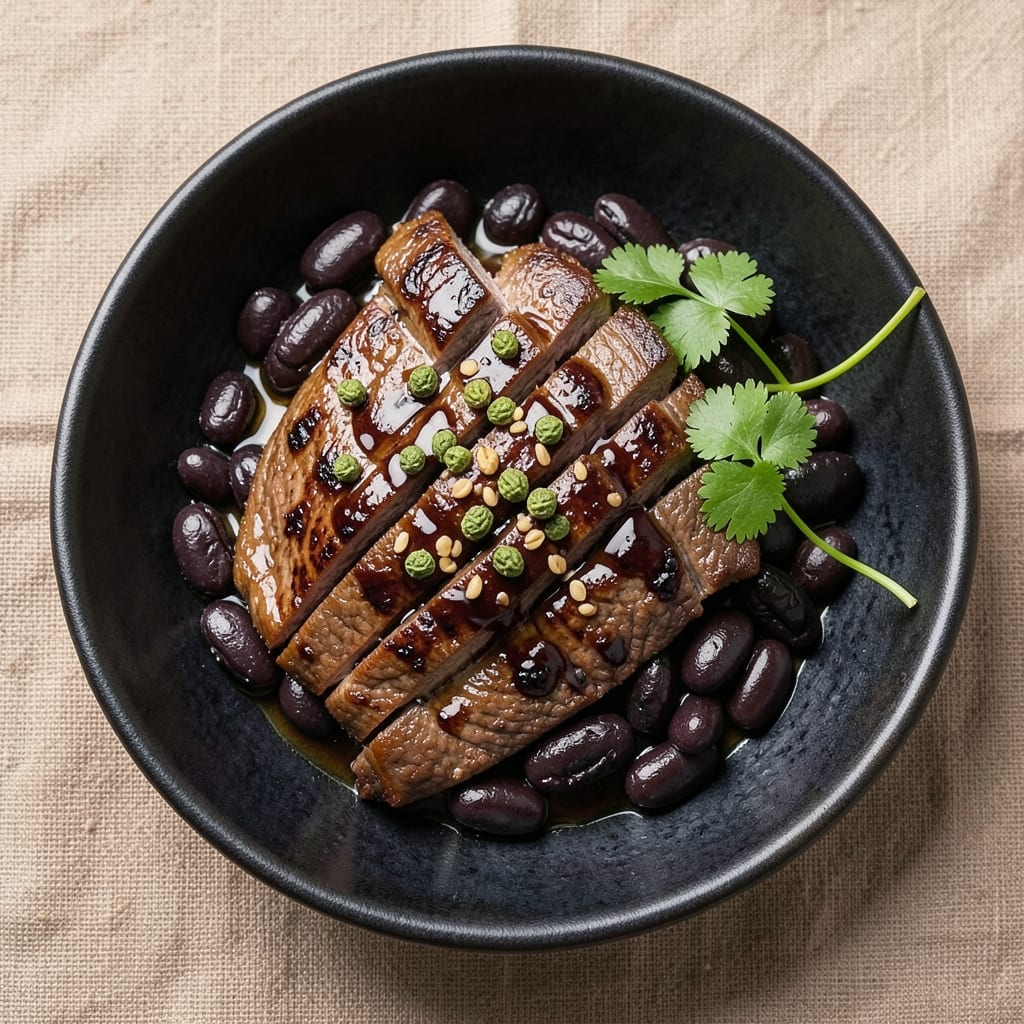
This Asian black pepper beef recipe delivers restaurant-quality depth in a single pan, where wok-seared beef meets Sichuan peppercorn's signature numbing heat. The secret lies in a marinade of fermented black beans and soy that tenderizes while building umami layers, then finishes with a quick stir-fry that locks in juices while developing that signature crunchy crust. I developed this after years of perfecting stir-fry techniques—every element works together to create a dish that's both bold and balanced.
The beauty of this recipe is its simplicity: just four core ingredients transform into a complex, aromatic dish that feels special without requiring advanced skills. Tender beef strips develop a caramelized crust from the wok sear, while the black peppercorns add their signature tingling sensation that lingers just long enough to be memorable. The sauce reduces to a glossy glaze that coats every bite, connecting all the flavors into one cohesive experience. This is the kind of recipe that makes weeknight cooking feel like a culinary achievement.
What you'll end up with is perfectly seared beef with a crisp-tender texture and a sauce that's rich yet bright, all infused with that distinctive peppercorn heat. The aroma alone will have everyone gathering around the table, and each bite delivers layers of flavor that build from the initial crunch to the lingering spice. This dish pairs beautifully with steamed jasmine rice, which soaks up every bit of that flavorful sauce.
Whether you're serving this for a casual dinner or impressing guests, the technique remains the same—just adjust the portion size. The recipe scales effortlessly, making it perfect for both intimate meals and larger gatherings. Let's get started on creating this umami-packed masterpiece that brings Asian restaurant quality to your home kitchen.
Ingredients for asian black pepper beef
Four core ingredients transform into restaurant-quality Asian black pepper beef with bold umami and signature crunch.
| Ingredient | Amount | Notes |
|---|---|---|
| Flank Steak 🥩 | 1 ½ lb | Thinly sliced against grain |
| Sichuan Peppercorns 🌶️ | 1 ½ tbsp | Crushed lightly for aroma |
| Fermented Black Beans 🫘 | ½ cup | Rinsed and chopped |
| Light Soy Sauce 🍶 | ½ cup | Kikkoman preferred |
| Dark Soy Sauce 🍶 | 1 tbsp | For color depth |
| Sesame Oil 🫒 | 1 tbsp | Toasted for aroma |
| Garlic Cloves 🧄 | 6 cloves | Minced finely |
| Ginger Root 🌿 | 1 tbsp | Freshly grated |
| Cornstarch 🌾 | 1 tbsp | For tenderizing marinade |
| Neutral Oil 🫒 | 2 tbsp | Avocado or vegetable |
| Green Onions 🧅 | 3 whole | Sliced for garnish |
| Jasmine Rice 🍚 | 1 ½ cups | Uncooked, for serving |
| Salt 🧂 | 1 tsp | Kosher preferred |
| Black Pepper 🌶️ | ½ tsp | Freshly cracked |
The flank steak is non-negotiable—its lean yet tender texture holds up perfectly to the wok sear. Ask your butcher to slice it thinly against the grain before you even get home, or do it yourself with a sharp knife. For Sichuan peppercorns, Penzeys Spices or Asian markets carry the best quality—look for vibrant, whole berries that haven't lost their aroma. Fermented black beans add that signature funk; Trader Joe's or H Mart sell them pre-packaged, or find them in the Asian aisle at larger grocery stores. The soy sauces should be light and dark varieties—never the cheap bottled kind. If you're using Kikkoman, grab the light soy sauce for the marinade and Kikkoman's dark soy sauce for color development.
No Sichuan peppercorns? Substitute a blend of white pepper and cayenne at half the heat, but you'll lose that signature numbing sensation. Fresh ginger is ideal, but substitute powdered ginger at one-third the amount if needed. For the cornstarch, Bob's Red Mill is a reliable brand—it dissolves perfectly in the marinade. The neutral oil matters here; avocado oil has the highest smoke point for wok-searing, while vegetable oil works in a pinch. Green onions can be swapped for scallions, but the mild sweetness of green onions complements the dish better. If you're short on time, pre-minced garlic from a jar works, though fresh always tastes superior.
This dish reheats beautifully—simply warm in a skillet with a splash of water for 2-3 minutes to revive that caramelized crust. Store the cooked beef in an airtight container for up to 4 days in the fridge, or freeze for 3 months by portioning into single-serving bags. The jasmine rice should be steamed separately and kept warm in a rice cooker or insulated container. For a restaurant-style presentation, serve the beef over rice with a drizzle of the reduced sauce and extra green onions. The flavors actually deepen overnight, making this an ideal make-ahead dish for gatherings.
Why You'll Love This Recipe
- One-Pan Magic: I swear by this recipe because it’s that simple—just sear the steak, toss in the fermented black beans and Sichuan peppercorns, then let the soy sauces do their thing. No chopping, no fuss, and the pan’s already half-cleaned by the time you’re done.
- Numb & Tingling Bliss: Between us, that Sichuan peppercorn heat is next-level—not just spicy, but this electric, numbing tingle that lingers. The dark soy adds depth, while the light soy keeps it balanced. Honestly, it’s the kind of flavor that makes you reach for seconds without thinking.
- Lunchbox Hero: This dish travels like a champ—pack it in containers for work or school, and it stays juicy and flavorful for days. I’ll be real: my kids actually eat their veggies with this, and I’ve never seen them finish a meal faster.
- Budget Powerhouse: A single flank steak feeds four, and the rest of the ingredients? Most are pantry staples or cheap at Asian markets. Leftovers? Even better—reheat and serve over rice or noodles, and it’s still a standout. Not the prettiest, but the taste makes up for it every time.
Step-by-step instructions for wok-searing umami crunch beef
Master this one-pan technique for perfectly tender beef with bold Sichuan flavors.
Marinate the Flank Steak for Maximum Tenderization
In a mixing bowl, combine the 1.5 tbsp Sichuan peppercorns, 1 tbsp cornstarch, 1 tsp salt, and 0.5 tsp black pepper. Lightly crush the Sichuan peppercorns with a mortar and pestle or rolling pin until they release their aromatic oils but remain slightly textured. This creates the signature numbing-spicy crunch without overpowering the dish.
Add the 1.5 lb flank steak to the spice mixture and massage it thoroughly, coating all surfaces. Let it marinate for at least 30 minutes at room temperature (or up to 4 hours in the refrigerator). The cornstarch works as a natural tenderizer while the Sichuan peppercorns infuse the meat with their distinctive flavor profile. Don't skip this step—it's what transforms tough flank steak into fork-tender slices.
Prepare the Fermented Black Bean Sauce Base
In a separate bowl, combine the 0.5 cup fermented black beans, 0.5 cup light soy sauce, 1 tbsp dark soy sauce, 1 tbsp sesame oil, 6 cloves minced garlic, and 1 tbsp freshly grated ginger. Mash the fermented black beans with a fork until you achieve a chunky paste consistency—this releases their deep umami flavor. The dark soy sauce will contribute rich color while the light soy sauce balances with saltiness.
Let this sauce mixture sit for 10 minutes while you prepare the rice. This resting period allows the flavors to meld together, creating a complex base that will elevate the beef. The sesame oil adds nutty depth, while the garlic and ginger provide aromatic warmth. Taste the sauce before proceeding—adjust seasoning if needed, but be mindful that the soy sauces are already quite salty.
Cook the Jasmine Rice to Perfection
Rinse the 1.5 cups jasmine rice thoroughly under cold water until the water runs clear. This removes excess starch that would make the rice mushy. Cook the rice according to package instructions (typically a 1:1.5 rice-to-water ratio) until just tender—it should have a slight bite in the center when done. For best results, use a rice cooker or heavy-bottomed pot that maintains even heat distribution.
While the rice cooks, prepare your wok or large skillet by heating 2 tbsp neutral oil over high heat until shimmering. The high heat is crucial for achieving that signature wok-seared texture. Have your marinated beef and black bean sauce ready to go—this dish moves quickly once you start cooking. The rice should be perfectly cooked and ready to serve alongside the beef.
Wok-Sear the Beef for Maximum Flavor and Texture
Working in batches if necessary, add the marinated beef to the hot wok in a single layer. Let it sear undisturbed for 2-3 minutes until deep brown crust forms on the bottom. This initial searing creates the Maillard reaction that develops the beef's rich flavor. Once browned on one side, flip the beef and cook for another 2-3 minutes until both sides are beautifully caramelized and the internal temperature reaches 145°F for medium-rare.
Remove the beef from the wok and set aside to rest. Add the prepared black bean sauce to the same wok and stir-fry for 1-2 minutes until heated through. The residual heat will create a glossy, flavorful sauce that clings perfectly to the beef. The high heat ensures the sauce doesn't become watery, maintaining its rich texture.
Combine and Garnish for Restaurant-Quality Presentation
Return the beef to the wok with the sauce and toss gently to coat evenly. The beef should absorb the sauce's flavors while maintaining its tender texture. Cook for an additional 1 minute to ensure everything is heated through and properly combined. The Sichuan peppercorns should be visible in the sauce, adding both visual appeal and that signature numbing-spicy crunch.
Divide the 1.5 cups cooked jasmine rice among serving plates and top each portion with the beef and sauce. Garnish with the 3 whole green onions, sliced diagonally for both color and freshness. Serve immediately while the beef is still at its peak tenderness and the sauce is hot. This dish is best enjoyed fresh from the wok when all the flavors are at their most vibrant.
Pro Tips For Making Asian Black Pepper Beef
- SEAR THE STEAK HARD: I used to walk away from the pan too soon, and the beef ended up gray inside with just a sad, thin crust. For this dish, crank the heat to medium-high and let those strips develop a deep brown crust—about 2-3 minutes per side. The caramelized edges hold flavor and make the Sichuan peppercorns sing when they hit your tongue. ---
- TOAST THE PEPPERCORNS: Skip the pre-ground Sichuan peppercorns—whole ones give that signature numbing, citrusy kick. Dry-toast them in a separate pan for 30 seconds until fragrant, then crush lightly with the side of your knife. This releases their oils and prevents bitterness from overcooking in the stir-fry. ---
- SOAK THE BEANS: Fermented black beans are salty, and if you skip soaking, they’ll turn the sauce into a brine. Rinse them well, then soak in warm water for 10 minutes to mellow their punch. Drain before adding to the pan—this keeps the balance of umami without overpowering the beef. ---
- LOW-AND-SLOW FINISH: After searing, resist the urge to blast the beef with high heat. Drop the flame to medium-low and let it cook through gently—flank steak’s tough if rushed. A steady simmer with the fermented black beans and soy sauces for 4-5 minutes ensures tender slices, not chewy ones. (Yes, even if you’re impatient like me.)
Perfect pairings for this dish
Rice Pairings
Steamed jasmine rice is my go-to pairing—its delicate floral aroma and slightly sticky texture perfectly complement the bold Sichuan flavors. Cook 1.5 cups uncooked with a 1:1.5 rice-to-water ratio until just tender. For extra depth, try brown jasmine rice for a nutty contrast that balances the dish's richness. 🍚
Vegetable Sides
Blistered garlic bok choy adds a crisp-tender element that cuts through the beef's richness. Sear whole heads in 1 tbsp neutral oil for 3-4 minutes until wilted but still vibrant. Alternatively, steamed snow peas with a sprinkle of toasted sesame seeds provide a refreshing crunch. Both sides enhance the dish's visual appeal while adding freshness.
Pickled Accents
Quick-pickled cucumbers or radishes in a rice vinegar, sugar, and chili flakes mixture create a tangy contrast that cleanses the palate between bites. Thinly slice ½ cup cucumber and marinate for 15 minutes before serving. The acidity brightens the dish's umami depth while adding vibrant color to your plate.
Dipping Sauces
A simple hoisin sauce drizzle elevates the dish with its sweet-savory balance. Warm 2 tbsp hoisin with 1 tsp rice vinegar and serve in small bowls for dipping. For extra heat, add ½ tsp chili crisp to create a spicy-sweet contrast. The sauce also works as a finishing touch for the beef itself.
Beverage Pairings
A crisp juniper-forward gin cocktail or dry Riesling complements the dish's complex flavors. The gin's botanical notes mirror Sichuan peppercorn's aroma, while the wine's acidity cuts through the richness. For non-alcoholic options, sparkling yuzu soda provides a citrusy refreshment that balances the meal's intensity. 🍷
Nutrition facts
Frequently asked questions
Can I substitute flank steak with another cut of beef?
Yes, but choose cuts with similar texture and tenderness. Skirt steak or sirloin work well, but avoid tougher cuts like chuck roast. Always slice against the grain for maximum tenderness. For extra-lean cuts, marinate for up to 4 hours to ensure proper tenderization.
What's the secret to getting that signature numbing sensation?
The magic comes from lightly crushed Sichuan peppercorns—don't grind them into powder! Toast them briefly in a dry pan for 30 seconds before crushing to enhance their aroma. Use 1.5 tbsp for the full effect, but reduce to 1 tsp if you're sensitive to spice. The numbing sensation builds gradually, so start with less if needed.
Can I make this recipe without fermented black beans?
For a quick substitute, blend ½ cup soy sauce, 1 tbsp miso paste, and 1 tsp fish sauce to mimic the umami depth. Or use ½ cup black bean sauce (like Gochujang for heat) mixed with 1 tbsp soy sauce. The fermented black beans add complexity, but these alternatives work in a pinch.
How do I prevent the beef from drying out during cooking?
Keep the heat high and fast—this recipe relies on quick searing (2-3 minutes per side) to lock in juices. Use a meat thermometer to check for 145°F (medium-rare) and remove immediately. Rest the beef for 5 minutes before slicing to redistribute juices. Overcrowding the pan also causes steaming, so cook in batches if needed.
Can I make this dish ahead of time?
Yes! Cook the beef and sauce completely, then refrigerate in an airtight container for up to 4 days. Reheat gently in a skillet with 1 tbsp water for 2-3 minutes to restore moisture. The flavors actually deepen overnight, making it perfect for meal prep. Just add fresh jasmine rice when serving.