
Main Courses
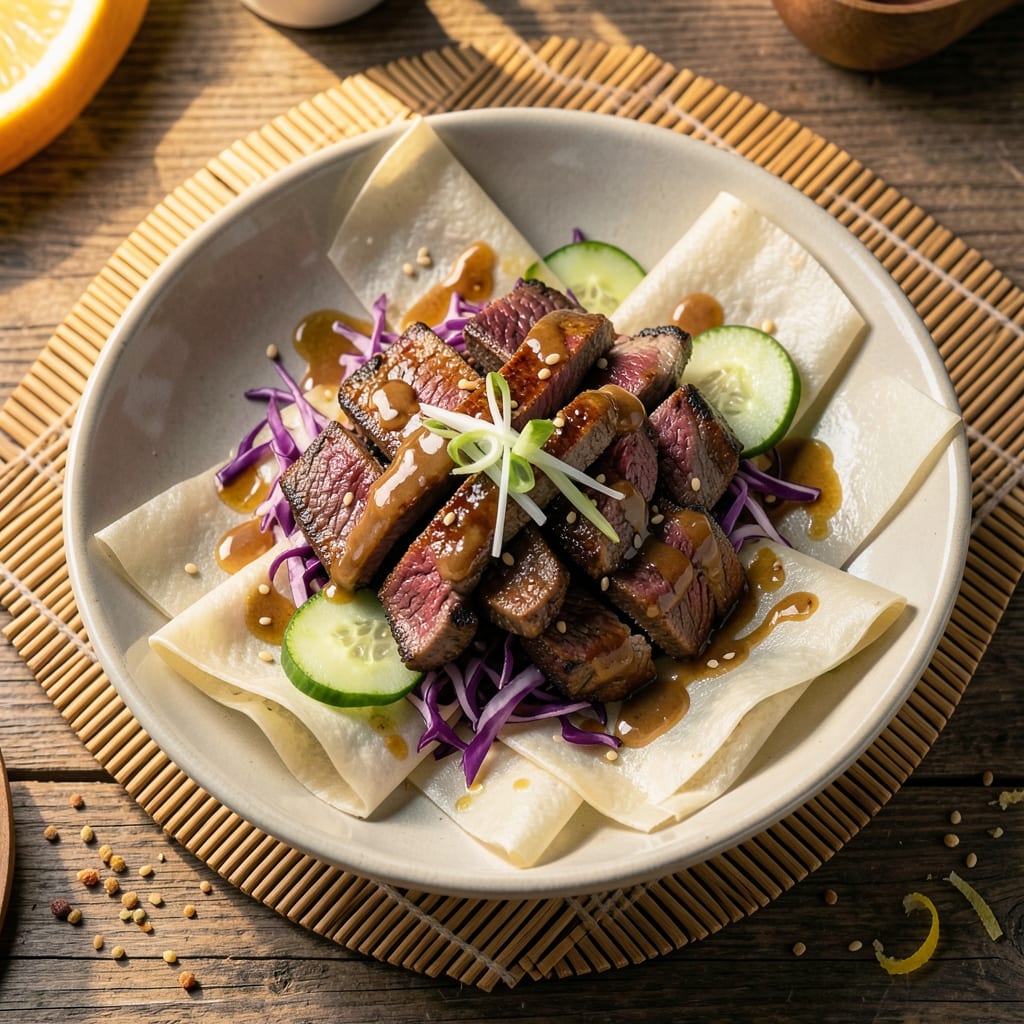
This Asian beef wrap recipe transforms simple ingredients into a restaurant-worthy meal with crispy rice paper and tender stir-fried beef. The secret lies in a quick marinade that tenderizes the beef while infusing it with aromatic flavors, paired with a tangy peanut sauce that ties everything together. I developed this recipe after craving a dish that balanced bold Asian spices with the convenience of a wrap—no heavy frying or complicated techniques required.
What sets these wraps apart is the texture contrast: the crispy rice paper holds up perfectly to the tender beef and vibrant vegetables, while the peanut sauce adds a creamy, nutty depth that complements the savory flavors. The stir-fry method ensures the beef stays juicy and flavorful, with just the right amount of char for depth. Best of all, this recipe comes together in under 30 minutes, making it ideal for weeknight dinners or meal prep.
The result is a dish that’s both satisfying and customizable—swap in your favorite veggies, adjust the spice level, or even use leftover beef for a quick lunch. Each bite delivers a perfect balance of textures and flavors, from the crispy paper to the rich, umami-packed filling. Whether you're serving a crowd or just treating yourself, these wraps are sure to impress.
Pair with a side of cucumber salad or pickled vegetables to round out the meal, and don’t forget the extra sauce for dipping. Here’s how to make them—simple, flavorful, and impossible to resist.
Ingredients for asian beef wrap
Simple ingredients meet bold Asian flavors for restaurant-quality beef wraps in under 30 minutes.
| Ingredient | Amount | Notes |
|---|---|---|
| Flank Steak 🥩 | 1 lb | Thinly sliced against grain |
| Rice Paper Wraps 🍱 | 8 whole | Medium size, store-bought |
| Peanut Butter 🥜 | ½ cup | Natural, unsweetened preferred |
| Soy Sauce 🥢 | ¼ cup | Low sodium preferred |
| Honey 🍯 | 2 tbsp | For peanut sauce sweetness |
| Lime Juice 🍋 | 2 tbsp | Freshly squeezed |
| Sesame Oil 🫒 | 1 tbsp | Toasted sesame oil |
| Garlic Cloves 🧄 | 4 cloves | Minced for marinade |
| Ginger Root 🌿 | 1 tbsp | Freshly grated |
| Vegetable Oil 🫒 | 2 tbsp | High smoke point |
| Red Bell Pepper 🌶️ | 1 whole | Thinly sliced |
| Carrot 🥕 | 1 whole | Julienned or matchstick cut |
| Green Onion 🧅 | 2 whole | Thinly sliced |
| Salt 🧂 | 1 tsp | Kosher or sea salt |
| Black Pepper 🌶️ | ½ tsp | Freshly ground |
| Sriracha 🔥 | 1 tbsp | Adjust for spice preference |
The flank steak is your star—look for well-marbled cuts at Whole Foods or your local butcher. Slice it thinly against the grain for tenderness that holds up to the crispy rice paper. Costco often has pre-sliced flank steak, but if you're cutting it yourself, use a sharp knife and keep it cold until ready to cook. For the rice paper, Asian markets have the best selection—avoid the dried, brittle kind. Fresh rice paper is key for that perfect crispy texture. If you can't find fresh, soak the dried sheets for 10 seconds in warm water before using, but they won't be as crisp.
No peanut butter? Almond butter or tahini works in a pinch, though the flavor shifts slightly. Short on soy sauce? Coconut aminos or tamari are great substitutes. The honey can be swapped for maple syrup or agave, but honey's floral notes complement the peanut sauce beautifully. For extra umami, add a dash of fish sauce (if not avoiding it) or a pinch of MSG. The bell pepper and carrot can be swapped for any crunchy veggie—shredded cabbage or snap peas work well. If you're sensitive to heat, skip the sriracha and add a pinch of sugar to balance the peanut sauce instead.
Prep the peanut sauce ahead—it keeps for 5 days in the fridge and even freezes well for 3 months. Store the rice paper in a sealed bag with a damp paper towel to prevent drying. The cooked beef and veggies can be refrigerated separately for 2 days, then reassembled when ready to eat. For extra crispiness, lightly toast the rice paper in a dry pan for 10 seconds before filling. These wraps reheat beautifully—wrap them in foil and warm in the oven at 350°F for 5 minutes to revive the crisp.
Why You'll Love This Recipe
- No-Marinate Hassle: I slice the flank steak thin—no fancy cuts needed—and toss it in soy sauce, honey, and a dash of peanut butter while I boil water for the rice paper. Five minutes of hands-off time, and you’ve got tender, flavor-packed beef without standing over a bowl.
- Sweet-Salty Magic: That peanut butter-soy-honey glaze? It’s the secret. The peanut butter adds richness, the honey balances the soy’s sharpness, and the rice paper soaks it up like a dream. Honestly, I’ve tried store-bought wraps, but nothing beats the homemade combo—crispy edges, creamy filling, and a bite that sticks with you.
- Lunchbox Hero: Between us, these wraps are my go-to for packed lunches or last-minute dinner guests. I prep the beef ahead, store it in the fridge, and assemble them fresh—no soggy paper here. My college-aged kid snags them for study sessions, and my partner takes them to work. (Yes, even on a Tuesday night.)
- Budget Stretch: Flank steak is affordable, and a jar of peanut butter lasts forever. I stretch the filling by adding shredded carrots or cucumber, and the rice paper is cheaper than buying pre-made wraps. Three meals out of one batch, and I’m still saving cash—plus, leftovers reheat like a champ in the microwave.
Step-by-step instructions for Asian beef wraps
Here's how to create restaurant-quality beef wraps with perfectly marinated steak and crispy rice paper shells.
Marinate and Slice the Flank Steak
In a bowl, combine the 2 tbsp soy sauce, 2 tbsp lime juice, 1 tbsp sesame oil, 1 tbsp freshly grated ginger root, 4 minced garlic cloves, 1 tsp salt, and ½ tsp black pepper. Add the 1 lb flank steak and coat thoroughly, making sure the marinade penetrates all sides. Cover and refrigerate for at least 30 minutes—this ensures tender, flavorful meat.
After marinating, remove the steak and slice it thinly against the grain using a sharp knife. This cutting technique prevents toughness and creates tender bites. Keep the sliced steak in the marinade until ready to cook.
Prepare the Peanut Sauce
In a small bowl, whisk together the ½ cup peanut butter, 2 tbsp honey, and 1 tbsp Sriracha until smooth. Thin the mixture with 1 tbsp lime juice and 1 tbsp sesame oil, whisking continuously until it reaches a pourable consistency. Set aside—this sauce will bind the wraps and add richness.
The sauce should be thick enough to coat a spoon but still spreadable. If it's too stiff, add a splash of warm water to loosen it. Taste and adjust seasoning with a pinch of salt if needed.
Stir-Fry the Vegetables and Beef
Heat 2 tbsp vegetable oil in a large skillet over medium-high heat. Add the 1 whole red bell pepper (sliced) and 1 whole carrot (julienned) and stir-fry for 3-4 minutes until the vegetables begin to soften but still retain their color. Remove and set aside.
In the same skillet, add the marinated steak and cook for 2-3 minutes until it reaches 145°F internally and develops a light sear. The steak should be cooked but still juicy. Return the vegetables to the skillet and toss everything together for 1 minute to combine flavors.
Assemble the Wraps
Fill a shallow bowl with warm water—this keeps the rice paper wraps pliable. Dip 1 rice paper wrap at a time into the water for 5-10 seconds until soft but still pliable. Lay it flat on a clean surface and spread 1 tbsp peanut sauce evenly across the center.
Add ¼ of the beef and vegetable mixture to the sauce, then top with 2 slices of green onion. Fold the sides inward, then roll tightly from the bottom up, tucking in the edges as you go. Repeat with the remaining wraps.
Serve Immediately for Crispy Results
Arrange the wraps seam-side down on a plate and serve immediately while the rice paper is still crisp. The wraps should hold their shape with a slight crunch from the paper and a satisfying blend of spicy, sweet, and savory flavors.
For extra crispiness, you can lightly toast the wrapped sides in a dry skillet over medium heat for 30 seconds per side before serving. Pair with extra peanut sauce on the side for dipping.
Pro Tips For Making Asian Beef Wrap
- SEAR THEN SLICE: Flank steak’s tough fibers need a quick, screaming-hot sear—2-3 minutes per side in a dry pan—before you even think about slicing. I learned this the hard way: thinly slicing raw meat makes it tough as boot leather. Cook it first, then slice against the grain while still warm for tender bites every time.
- SOAK WRAPS IN WARM WATER: Cold rice paper wraps crack like parchment when you try to fold them. Fill a shallow dish with warm (not boiling) water and dip each wrap for 10-15 seconds until pliable—like a wet towel, not a soggy sponge. Works every time, even if you’re impatient like me.
- MIX PEANUT SAUCE LAST: Tossing the steak in peanut butter, soy sauce, and honey too early turns it into a sticky mess. Wait until the meat’s sliced and arranged in the wraps, then brush or drizzle the sauce just before rolling. The heat from the steak will soften the peanut butter without making it greasy.
- REST MEAT 5 MINUTES: Skipping the rest is how you end up with juices pooling at the bottom of your plate. After searing, tent the steak with foil and let it sit—yes, even if you’re starving. The fibers relax, and every bite stays juicy instead of turning into a dry, chewy disappointment. (Your future self will thank you.)
Troubleshooting great asian beef wrap
Rice Paper Too Soft
If your rice paper feels mushy or tears when handling, it’s likely over-soaked. Dip each sheet for just 5-7 seconds in warm water (not hot) and work quickly. I keep a bowl of fresh warm water nearby and dip one sheet at a time—no need to soak multiple sheets ahead. For extra crispiness, pat the soaked sheet dry with a paper towel before assembling. 💫
Beef Overcooking
Flank steak cooks fast—watch for 145°F internal temp (about 2-3 minutes in a hot pan). If it’s tough, you likely sliced with the grain or overcooked. Always slice against the grain and remove from heat as soon as it hits 145°F. Let it rest 5 minutes before slicing to redistribute juices. I use a meat thermometer to avoid guessing. 🌡️
Peanut Sauce Too Thick
If your peanut sauce is stiff, thin it with 1 tsp warm water at a time until it spreads smoothly. I test consistency by drizzling a little on a plate—it should glide like honey. For extra richness, add ½ tsp toasted sesame oil while whisking. If it’s too runny, simmer for 1-2 minutes to thicken slightly. 🥜
Wrap Falling Apart
Tight folding is key! Spread filling 1 inch from the edges and roll firmly from the bottom. If it unravels, your rice paper may be too dry—soak it longer next time. For extra hold, brush the edges with a tiny bit of peanut sauce before rolling. I press the seam side down on a plate while assembling to keep it stable. 🍱
Sauce Too Spicy
Balance heat by adding ½ tsp honey or 1 tsp lime juice to mellow the Sriracha. I also mix in 1 tsp coconut milk for creaminess. For a milder version, reduce Sriracha to ½ tbsp and add ½ tsp grated ginger for depth. Always taste before assembling—adjust gradually. 🌶️
Vegetables Too Crunchy
For softer veggies, stir-fry them for 1 extra minute or add 1 tsp soy sauce to the pan. I like a mix of textures, so I keep bell peppers slightly crisp and carrots tender. If they’re still tough, try steaming for 1 minute before stir-frying. 🥕
Nutrition facts
Frequently asked questions
Can I use regular tortillas instead of rice paper?
Yes! If you can't find rice paper, large flour tortillas work well. For extra crispiness, brush them lightly with oil before filling. The texture will be softer than rice paper, but the flavors will still shine. Just skip the soaking step and assemble as usual.
How do I make this recipe gluten-free?
Swap the rice paper for gluten-free rice paper wrappers (available at Asian markets) and use tamari instead of soy sauce. Check labels on peanut butter and sriracha for hidden gluten. The rest of the ingredients are naturally gluten-free.
Can I prep the filling ahead of time?
Cook the beef and veggies, then store them separately in airtight containers for up to 2 days. Keep the peanut sauce in a jar in the fridge for 5 days. Reheat gently before assembling fresh wraps. The rice paper is best used fresh for crispiness.
What's the best way to reheat these wraps?
Wrap them in foil and warm at 350°F for 5 minutes to revive the crispiness. For extra crunch, toast in a dry skillet for 30 seconds per side after reheating. Avoid microwaving—it makes the rice paper soggy.
Can I add other proteins to this recipe?
Yes! Swap beef for chicken thigh (marinate longer) or shrimp (cook just 1-2 minutes). For tofu, press and pan-fry until crispy before adding to the filling. Adjust cooking times based on protein type.