
Main Courses
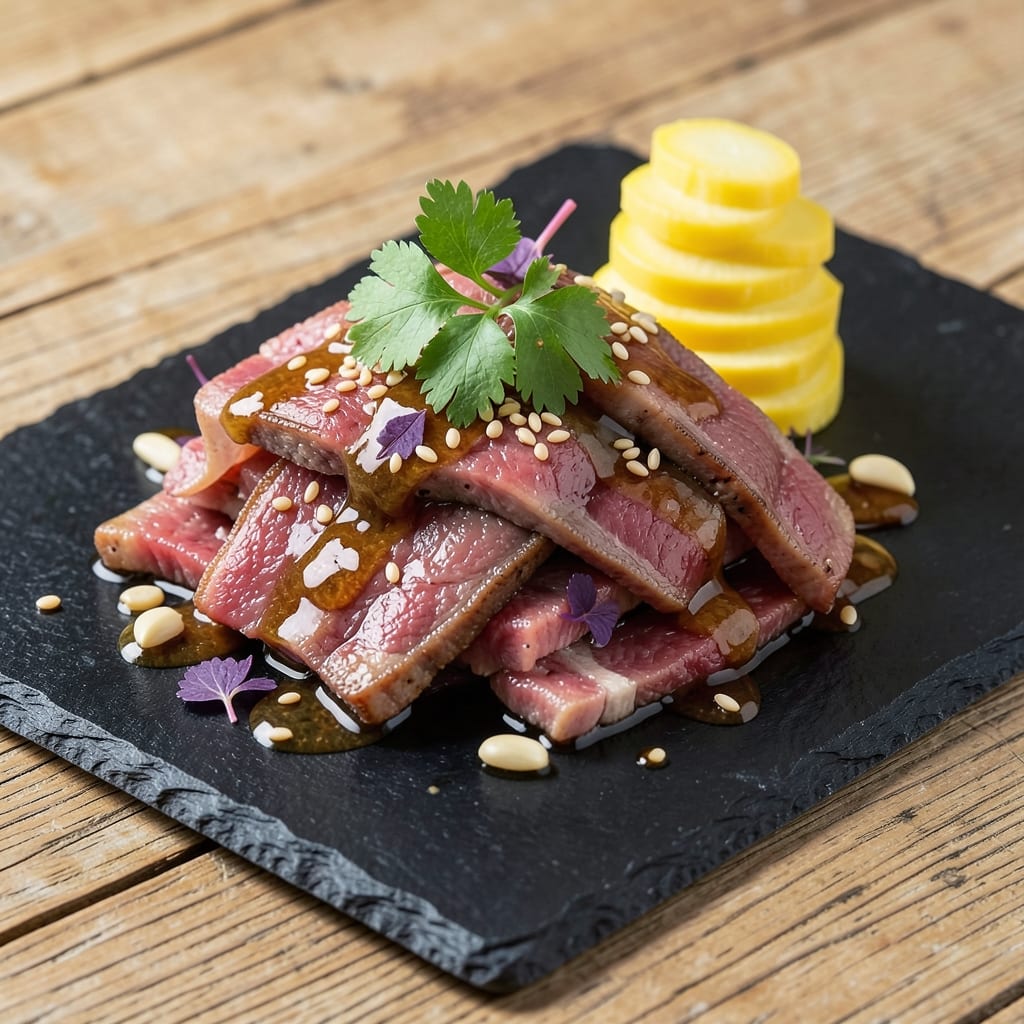
Asian beef tartare recipe transforms raw beef into a luxurious, umami-rich dish that balances silky texture with bold Asian flavors. The secret lies in precision—thinly sliced beef, freshly grated ginger, and a touch of chili create a harmonious bite that’s both refreshing and deeply satisfying. This isn’t just a recipe; it’s an experience that bridges traditional techniques with modern confidence, ensuring every element comes together perfectly.
What sets this version apart is the careful balance of ingredients: high-quality beef (like ribeye or sirloin) is sliced paper-thin for maximum tenderness, while soy sauce, sesame oil, and garlic build layers of flavor without overpowering. The dish stays vibrant with fresh garnishes—scallions, sesame seeds, and pickled vegetables add crunch and acidity, cutting through the richness. Safety is critical, so we’ll cover proper handling and chilling to keep the beef fresh and ready to eat.
The result is a dish that’s elegant yet approachable, perfect for special occasions or a sophisticated weeknight dinner. Each bite delivers a perfect marriage of textures—silky beef, crisp garnishes, and a glossy, aromatic sauce that ties everything together. Whether you’re serving it as a standalone appetizer or pairing it with steamed rice or cucumber salad, this tartare will impress even the most discerning guests.
For those who love customization, we’ll explore variations like Japanese-style (with mirin and yuzu), Korean-inspired (with gochujang), or Thai-infused (with lime and bird’s eye chili). The key is adapting the seasoning while keeping the core technique intact—thin slices, fresh ingredients, and a focus on balance. Let’s get started on creating a dish that’s as visually stunning as it is delicious.
Ingredients for asian beef tartare
Precision-cut beef meets vibrant Asian flavors in this luxurious tartare—where texture and umami harmony create an unforgettable bite.
| Ingredient | Amount | Notes |
|---|---|---|
| Ribeye Steak 🥩 | 12 oz | Center-cut, trimmed of fat, sliced paper-thin |
| Fresh Ginger 🧄 | 1 tbsp | Finely grated, aromatic variety preferred |
| Garlic Cloves 🧄 | 3 cloves | Minced, fresh for optimal flavor |
| Sesame Oil 🫒 | 1 tbsp | Toasted sesame oil for nutty aroma |
| Light Soy Sauce 🥢 | 2 tbsp | Kikkoman preferred for balance |
| Rice Vinegar 🍶 | 1 tbsp | Seasoned variety for subtle sweetness |
| Sesame Seeds 🌾 | 1 tbsp | Toasted for enhanced crunch |
| Scallions 🧅 | 3 whole | Thinly sliced, white and green parts |
| Fresh Chili Peppers 🌶️ | 1 piece | Bird's eye or Thai chili, finely chopped |
| Pickled Vegetables 🥒 | ½ cup | Quick-pickled cucumber or carrot |
| Lime Wedges 🍋 | 2 whole | For serving, freshly cut |
| Diamond Crystal Kosher Salt 🧂 | ½ tsp | For seasoning, fine grain |
| Freshly Ground Black Pepper 🌶️ | ¼ tsp | Cracked peppercorns preferred |
| Ice-Cold Water 💧 | ¼ cup | For rinsing beef slices |
The beef selection is non-negotiable for this dish. Ribeye from the center-cut delivers the perfect balance of tenderness and flavor—avoid fatty sections near the edge. Most high-end butchers or Whole Foods Market carry pre-sliced beef tartare, but for best results, slice it yourself with a sharp knife at home. Look for beef that's bright red and firm to the touch, not discolored or overly soft. If you're using pre-sliced, ensure it's been properly handled and stored at 32°F or below—never thaw at room temperature. For an extra touch of luxury, some chefs recommend briefly searing the slices over a gas flame before serving, though traditional tartare keeps it raw for that signature silky texture.
No sesame oil? Toasted peanut oil offers a similar nutty depth, though the flavor profile shifts slightly. Substituting light soy sauce with tamari or coconut aminos works for gluten-free versions, but the umami balance may vary. Fresh ginger and garlic are essential—dried versions lose their punch. If you can't find bird's eye chili, red pepper flakes at half the amount provide heat without the same fruity brightness. The pickled vegetables? Quick-pickle your own with rice vinegar and a pinch of sugar for 10 minutes max—over-pickling turns them mushy. For the garnishes, toasted sesame seeds can be swapped for crushed peanuts if you're avoiding sesame allergies, though the texture will differ. Always use freshly grated ginger and minced garlic—they make all the difference in this dish.
Safety first: beef tartare must be handled with care. Use separate utensils and cutting boards to avoid cross-contamination, and keep everything chilled until serving. The dish itself stays fresh for 2 hours max at room temperature—serve immediately after preparation. For storage, divide into portions and refrigerate in airtight containers for up to 2 days, though texture may slightly degrade. If you're making ahead, prepare the sauce components separately and assemble just before serving. The garnishes can be prepped in advance, but add them fresh to maintain crispness. This dish is best enjoyed immediately after assembly—its vibrant colors and textures fade with time, so plan accordingly for special occasions.
Why You'll Love This Recipe
- No-Fuss Freshness: I swear by this recipe because it’s the only tartare I’ll make when I’m too tired to fuss. The ribeye freezes solid in 12 hours—no fancy equipment, just my freezer—and thaws in minutes under cold water. Honestly, that’s half the battle won before I even start chopping.
- Umami Bomb: That first bite? Pure flavor explosion. The ribeye’s deep beefiness marries the bright, zesty ginger and garlic, then gets this addictive punch from the sesame oil and light soy—sweet, salty, and just a little funky. It’s the kind of dish that makes people lean in closer when you serve it.
- Party Trick: This is my go-to for game nights or when friends drop by unexpectedly. It looks impressive (thanks to the fresh herbs and sesame seeds), but honestly, it’s just meat and a few pantry staples. Serve it with crispy rice crackers or fresh baguette slices, and suddenly you’re the host who doesn’t stress.
- Budget Flex: I make this twice a month because it stretches my grocery budget without sacrificing quality. A single ribeye feeds four, and the rest of the ingredients cost pennies. Plus, leftovers? Just toss them in a pan for stir-fry the next day—no waste, all flavor.
Step-by-step instructions for Asian beef tartare
Master this delicate balance of textures and flavors with precise technique and fresh ingredients.
Prepare the Ribeye for Perfect Texture
Place the 12 oz ribeye steak on a cutting board and pat it completely dry with paper towels. The fat should be trimmed away to leave only the lean meat. Using a very sharp chef's knife, slice the steak into paper-thin strips—about 1/16-inch thick—working against the grain for maximum tenderness. As you slice, fan the strips out on a plate to prevent overlapping, which would make them cook unevenly.
Real talk: the thinner and more even the slices, the more uniform the final texture. If any slice feels thicker than 1/8-inch, slice it again. This precision ensures every bite delivers that signature silky-smooth quality. Keep the sliced beef uncovered in the refrigerator until ready to use—this prevents any pre-cooking from condensation.
Create the Umami-Packed Marinade
In a medium bowl, combine the 1 tbsp finely grated fresh ginger, 3 minced garlic cloves, 2 tbsp light soy sauce, 1 tbsp rice vinegar, 1 tbsp toasted sesame oil, 0.5 tsp diamond crystal kosher salt, and 0.25 tsp freshly ground black pepper. Whisk vigorously until fully emulsified—this blend forms the flavor foundation for your tartare. The ginger and garlic should be completely dissolved into the liquid, creating a cohesive marinade.
Here's the thing—this marinade needs to infuse the beef quickly but gently. If you add the beef now, it would begin to cook from the acidity. Instead, let this mixture sit at room temperature for 5 minutes while you prepare the next components. This brief rest allows the flavors to meld slightly, creating a more complex base for the beef.
Assemble with Fresh, Crunchy Components
In a separate bowl, combine the 0.5 cup pickled vegetables, 3 thinly sliced scallions (white and green parts separated), 1 tbsp toasted sesame seeds, and 1 finely chopped fresh chili pepper. The pickled vegetables should be drained but retain some of their briny liquid—this adds moisture and tang to the final texture. Gently fold these elements together, reserving the 0.25 cup ice-cold water for later use.
This is where the contrast comes to life: the crisp acidity of the pickled vegetables cuts through the richness of the beef, while the sesame seeds and chili add layers of texture and heat. Keep these components separate from the marinade until the final assembly—this prevents the vegetables from becoming soggy before serving.
Combine and Chill for Optimal Texture
Gently fold the sliced ribeye into the marinade, working quickly but carefully to avoid over-mixing. The beef should be fully coated but not mashed—think of it as gently combining delicate elements. Immediately transfer the mixture to a serving dish and pour the 0.25 cup ice-cold water over the top. This crucial step serves two purposes: it prevents the beef from cooking further and creates a refreshing contrast when served.
Cover the dish and refrigerate for at least 30 minutes before serving. This chilling period allows the flavors to fully integrate while maintaining the beef's silky texture. Don't skip this step—I've learned the hard way that serving immediately results in a slightly warm, less refined dish. The cold water also helps set the proteins just enough to prevent any further cooking when assembled.
Serve with Fresh Lime and Garnishes
Before serving, carefully remove the beef mixture from the refrigerator and let it sit at room temperature for 5-10 minutes. This brief warm-up enhances the aromatic qualities of the dish. Plate the tartare in generous portions, arranging it artfully on chilled serving plates. Garnish each serving with the reserved 2 whole lime wedges, a sprinkle of additional sesame seeds, and a final drizzle of toasted sesame oil for visual appeal and extra flavor.
The lime wedges should be served on the side—each diner can add a squeeze just before eating to brighten the dish with fresh acidity. Serve immediately with crispy rice crackers or toasted baguette slices on the side. The contrast of temperatures and textures—silky beef, crunchy crackers, and tangy lime—makes this tartare truly unforgettable.
Pro Tips For Making Asian Beef Tartare
- Freeze the Steak First: I learned this the hard way—skip it, and you’ll end up with chewy, uneven chunks. Wrap the ribeye in plastic, then freeze it solid (about 2 hours). Slice it while frozen, then let it sit at room temp for 10 minutes before mixing. The cold makes it easier to cut paper-thin slices, and they’ll warm up to room temp just right for tartare.
- Grind the Ginger Fine: Sounds weird, but it works: use a microplane or the smallest holes on a grater for the ginger. You want it almost paste-like, not chunky. This lets the flavor blend smoothly into the beef instead of sitting as little bursts of heat. (Yes, even if you’re impatient like me—just do it.)
- Use Light Soy Sparingly: That bottle of light soy sauce is salty—way saltier than you think. Start with just 1 tablespoon for 200g of beef, then taste as you go. Adding more later is easier than fixing a briny mess. Trust me, I’ve ruined a batch by overdoing it.
- Toast the Garlic Cloves: Mince the garlic after toasting whole cloves in sesame oil until golden (about 2 minutes). The nutty depth they add is non-negotiable for real flavor. Just don’t burn them—keep your eye on the pan. (Your future self will thank you.)
Pro cooking tips for this recipe
Knife Skills Mastery
For silky-smooth tartare, your knife technique makes all the difference. Use a sharp 8-inch chef's knife and slice the 12 oz ribeye against the grain at a 1/16-inch thickness—any thicker and you'll lose that luxurious melt-in-your-mouth texture. I recommend freezing the steak for 30 minutes before slicing to firm it up, then working quickly to maintain even cuts. 🔪
Temperature Control
Never let the beef warm above 45°F before serving—this is critical for both safety and texture. Keep your cutting board and bowls chilled with ice packs underneath while working, and store the sliced beef uncovered in the fridge until ready to assemble. The ice-cold water poured over the final mixture serves two purposes: it prevents overcooking and creates that refreshing contrast when served. 🧊
Flavor Layering
The secret to balanced flavor is building layers, not overwhelming. Start with the soy sauce and rice vinegar as your base, then add the ginger and garlic to develop depth. The toasted sesame oil should be added last—just a drizzle—to preserve its nutty aroma. I like to taste as I go: if the marinade needs more umami, add another ½ tsp soy sauce; for brightness, a splash of lime juice works wonders. 🌶️
Garnish Plating
Presentation transforms tartare from a dish to an experience. Use a ring mold to shape the beef mixture into neat rounds, then arrange the pickled vegetables in concentric circles around the edge. Scatter toasted sesame seeds and thin scallion slices like confetti for visual pop. For extra drama, drizzle with toasted sesame oil in zigzag patterns using a squeeze bottle. 🎨
Safety First
Handle raw beef with gloved hands and separate utensils to prevent cross-contamination. Use a food thermometer to confirm your beef stays at 40°F or below throughout preparation. If you're serving to vulnerable guests, consider briefly searing the beef slices over a gas flame for 10 seconds per side—just enough to kill bacteria while maintaining texture. Always serve with lime wedges so guests can adjust acidity to their preference. ⚠️
Make-Ahead Strategy
Prepare components separately to maximize freshness. Prep the marinade and garnishes up to 24 hours ahead, but store the raw beef slices in a sealed container with paper towels to absorb moisture. Assemble the tartare just 30 minutes before serving—this ensures the beef stays at its prime texture. For parties, arrange garnishes in small bowls so guests can customize their plates. 📅
Nutrition facts
Frequently asked questions about Asian beef tartare
What's the safest way to handle raw beef for tartare?
Always use beef that's been flash-frozen at -4°F for 30 days or purchased as "tartare-grade" from trusted butchers. Work on a separate cutting board with sanitized tools, and keep everything chilled below 40°F. For extra safety, sear slices over a gas flame for 10 seconds per side before serving. Serve immediately with lime wedges so guests can adjust acidity.
Can I substitute ribeye with another cut?
Yes, but choose lean cuts with good marbling for tenderness. Sirloin or strip steak work well—they slice thinly and stay juicy. Avoid fatty cuts like chuck or round, which can make the tartare greasy. For extra flavor, marinate the steak in soy sauce and sesame oil for 1-2 hours before slicing.
How do I adjust the spice level?
For milder heat, reduce the chili to ½ tsp or swap for ½ tsp red pepper flakes. For extra kick, add 1 tsp gochujang or sriracha to the marinade. Always taste the sauce before adding beef—you can't remove excess spice later! Garnish with fresh chili slices on the side for customizable heat.
What's the best way to serve this tartare?
Plate it on chilled glass plates with lime wedges and crispy rice crackers or toasted baguette slices. For presentation, use a ring mold to shape the tartare into neat rounds, then arrange pickled veggies in concentric circles. Drizzle with sesame oil in zigzag patterns for visual appeal. Serve immediately with steamed jasmine rice on the side.
Can I make this vegetarian?
Replace beef with extra-firm tofu or king oyster mushrooms sliced paper-thin. Marinate in the same sauce for 20 minutes, then assemble with all garnishes. For texture, add crumbled fried shallots or toasted walnuts. The umami balance will differ, so taste as you go and adjust with extra soy sauce or mushroom powder.