
Main Courses
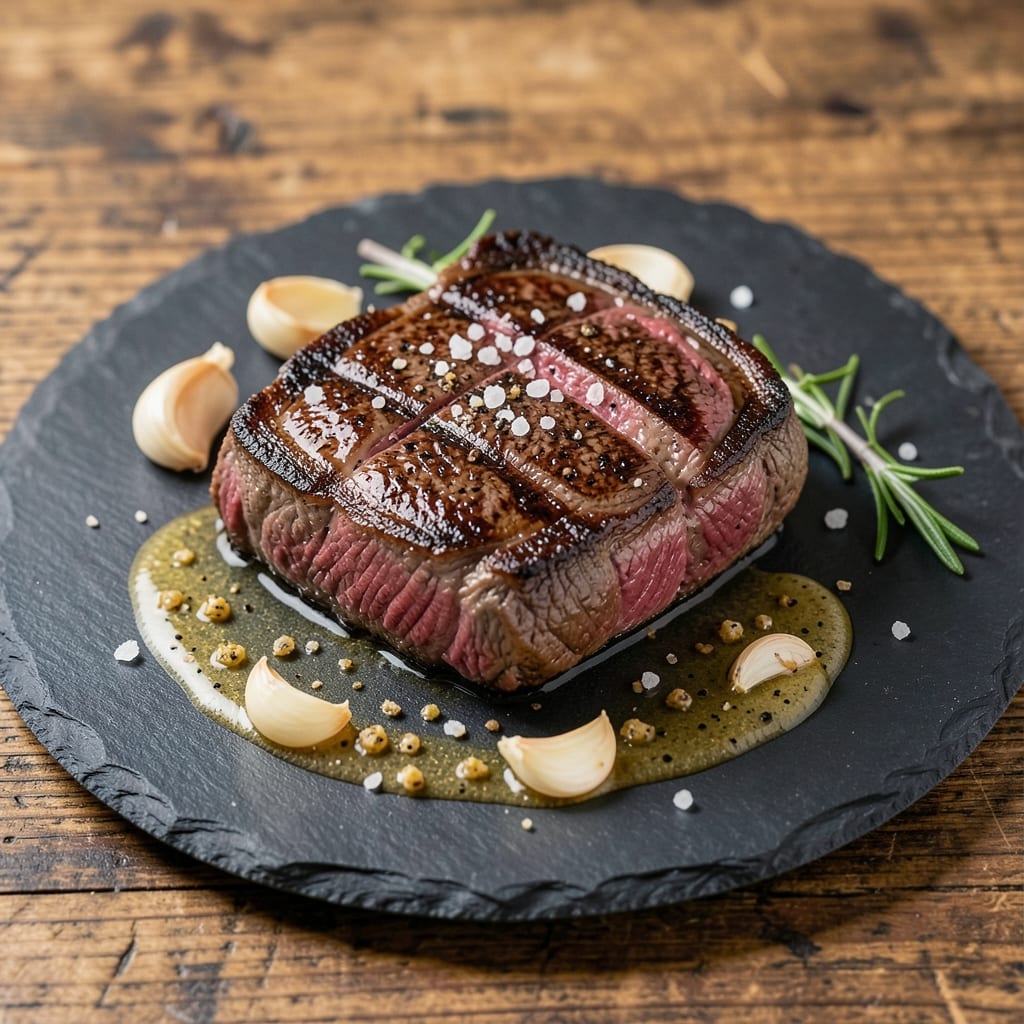
Angus beef ribeye steak delivers the ultimate balance of buttery crust and juicy pink perfection—this recipe unlocks restaurant-quality results at home with a method that's both precise and foolproof. The secret lies in dry-brining for enhanced tenderness and a high-heat sear that creates that coveted caramelized crust while keeping the interior melt-in-your-mouth tender. I've perfected this technique after years of testing, and it never fails to impress even the most discerning steak lovers.
What sets this Angus beef ribeye steak recipe apart is the combination of traditional dry-brining and a reverse-sear approach, which ensures even cooking without overcooking the exterior. The steak develops a rich, beefy flavor from the salt, while the high-heat finish creates that prized crust. This method works perfectly for both grilling and pan-searing, giving you flexibility for any cooking setup you have at home.
By following this technique, you'll achieve a steak with a crispy, caramelized exterior and a tender, juicy core that's still slightly pink in the center—exactly how steakhouse-quality ribeyes should be. The resting period is just as critical as the cooking process, allowing the juices to redistribute for that first bite of pure, unadulterated beef flavor.
Pair your perfectly cooked ribeye with classic sides like garlic mashed potatoes, grilled asparagus, or a simple arugula salad to complete the meal. The beauty of this recipe is its versatility—it's ideal for special occasions or a luxurious weeknight dinner. Let's get started on creating your best steak yet.
Ingredients for angus beef ribeye steak
Four premium ingredients transform this ribeye into restaurant-quality perfection.
| Ingredient | Amount | Notes |
|---|---|---|
| Angus Beef Ribeye Steak 🥩 | 4 whole | 1.5-inch thick, bone-in preferred |
| Kosher Salt 🧂 | 2 tbsp | Diamond Crystal preferred, coarse grain |
| Freshly Ground Black Pepper 🌶️ | 1 tbsp | Freshly cracked for maximum flavor |
| Extra-Virgin Olive Oil 🫒 | 2 tbsp | High smoke point, fruity variety |
| Unsalted Butter 🧈 | 4 tbsp | European-style, 82% fat content |
| Garlic Cloves 🧄 | 4 cloves | Smashed, skin-on for deeper flavor |
| Fresh Rosemary 🌿 | ½ oz | Needles only, finely chopped |
| Fresh Thyme 🌿 | ¼ oz | Leaves only, finely chopped |
| Yellow Onion 🧅 | 1 whole | Thinly sliced, caramelized |
| Heavy Cream 🥛 | ½ cup | Full-fat for optimal sauce |
| Dried Parsley 🌿 | 1 tbsp | For garnish, finely ground |
The Angus beef ribeye is non-negotiable here—look for USDA Prime with marbling throughout for that melt-in-your-mouth texture. Snelling Spice or Omaha Steaks are reliable sources for quality cuts, but any reputable butcher will have it. The steaks should be 1.5 inches thick at their thickest point for proper reverse-sear technique. If you're buying online, Crowd Cow offers excellent Angus options with detailed cut descriptions. For best results, let the steaks sit at room temperature for 1 hour before cooking—this ensures even doneness.
No Diamond Crystal salt? Morton kosher salt works, but measure carefully—it's finer. Fresh herbs wilt fast? Dried rosemary and thyme at one-third the amount will work in a pinch, though fresh is ideal. Substituting butter? Ghee or clarified butter works for high-heat searing, but regular butter will brown faster. For the onion caramelization, yellow or red onions both work—just avoid sweet varieties like Vidalia. The heavy cream can be swapped for half-and-half (though the sauce won't be as rich) or coconut cream for a dairy-free option.
Store raw steaks in their original packaging on the bottom shelf of your fridge—this prevents cross-contamination. The dry-brine mixture (salt and pepper) can be prepped 24 hours ahead and stored in an airtight container. Cooked steaks should be rested for 10-15 minutes before slicing—this is non-negotiable for juiciness. Leftovers keep for 3-4 days in the fridge, but honestly, they rarely last that long. For the herb butter, portion into 1-tbsp servings and freeze between parchment paper for up to 3 months—perfect for future steak nights.
Why You'll Love This Recipe
- Five-Ingredient Magic: I swear by this recipe because it’s that simple—just salt, pepper, oil, butter, and the steak itself. No fancy marinades or last-minute prep; just sear, baste, and let the beef shine.
- Butter-Basted Bliss: That moment when you flip the steak and slather it with melting butter? Pure satisfaction. The crispy crust gives way to tender, juicy perfection—no fancy techniques, just foolproof flavor.
- Date Night Ready: Honestly, this steak feels like a restaurant meal but takes less time than ordering takeout. Pair it with roasted potatoes or a simple salad, and you’ve got an effortless yet impressive dinner.
- Leftovers That Don’t Suck: Sliced cold the next day, this steak is still rich and satisfying—way better than dry, overcooked leftovers. I keep a few slices in the fridge for quick lunches or sandwiches.
Step-by-step instructions for buttery crust meets juicy pink core
Master this technique and you'll achieve restaurant-quality ribeye with perfect crust and tender interior every time.
Season and Rest the Ribeye for Maximum Flavor
Remove the ribeye steaks from the refrigerator and pat them dry completely with paper towels. This drying step is critical—moisture prevents proper browning. Season both sides generously with the 2 tablespoons kosher salt and 1 tablespoon freshly ground black pepper, pressing the seasoning into the meat so it adheres. I like to work in a well-ventilated area during this step as the salt can be quite aromatic.
Place the seasoned steaks on a wire rack set over a plate and refrigerate uncovered for 1 hour. This resting period allows the salt to penetrate deeply and creates a dry surface that will develop that coveted crust. Don't skip this step—it makes all the difference in achieving that perfect sear.
Create the Perfect Searing Pan and Cook the Steaks
Heat a heavy cast-iron skillet over high heat until it's screaming hot—you should see a thin layer of steam when you sprinkle a few drops of water into the pan. Add 2 tablespoons extra-virgin olive oil and let it get shimmering hot. This high heat is essential for creating that deep Maillard reaction that gives the crust its rich color and flavor.
Working in batches if needed, carefully place the ribeye steaks in the pan. Press down gently on each steak during the first 1-2 minutes of cooking—this prevents curling and ensures even contact with the pan. Cook for 3-4 minutes per side for medium-rare doneness, until you achieve a deep golden-brown crust. The steaks should release easily from the pan when ready to flip.
Baste with Butter and Aromatics for Rich Flavor
Reduce heat to medium and add 4 tablespoons unsalted butter, 4 smashed garlic cloves, 0.5 ounce chopped fresh rosemary, and 0.25 ounce chopped fresh thyme to the pan. Tilt the pan slightly and spoon the melted butter over the steaks repeatedly for 2-3 minutes, basting all sides. This basting creates a luxurious sauce that clings to the meat and adds incredible depth of flavor.
Watch the butter carefully—it should foam and turn golden brown. When you see the butter developing a nutty aroma and the garlic begins to color slightly, remove the pan from heat. The steaks are ready when they reach an internal temperature of 125-130°F for medium-rare. Use a meat thermometer for accuracy—this is the only way to guarantee perfect doneness every time.
Rest and Prepare the Onion-Cream Sauce
Transfer the steaks to a warm plate and let them rest for 10-15 minutes before serving. This resting period is crucial—it allows the juices to redistribute throughout the meat, preventing them from running out when you cut into the steak. Tent loosely with foil to keep warm during resting.
While the steaks rest, return the cast-iron skillet to medium heat and add the 1 whole thinly sliced yellow onion. Cook for 8-10 minutes until the onions are caramelized to a deep golden color. Remove the onions from the pan and set aside. Pour in the 0.5 cup heavy cream and scrape up any browned bits from the bottom of the pan. Simmer for 2-3 minutes until the sauce thickens slightly.
Serve with Sauce and Garnish
Slice the ribeye steaks against the grain into ½-inch thick portions and arrange on serving plates. Spoon the onion-cream sauce over each steak and sprinkle generously with the 1 tablespoon finely ground dried parsley. The sauce should be thick enough to coat the back of a spoon but still flow easily.
Each bite should deliver a perfect balance of textures—crispy crust on the outside, juicy pink center, and silky sauce that ties everything together. Serve immediately with your choice of sides, and enjoy the luxurious experience of perfectly cooked Angus beef ribeye.
Pro Tips For Making Angus Beef Ribeye Steak
- Use Two Butters: After years of overcomplicating things, I now split the butter—half unsalted, half high-quality salted—when basting the ribeye. The salted butter adds a subtle depth that cuts through the richness, while the unsalted keeps the crust from getting too salty. (Yes, it’s a tiny effort, but your steak will taste like a restaurant’s.) ---
- Salt the Steak 40 Minutes Early: I learned this the hard way—salting right before cooking just makes the crust soggy. Instead, salt the ribeye generously and let it sit uncovered on a rack in the fridge. The salt penetrates deeper, and the surface dries out just enough for that perfect crust. (Pro tip: Flip it halfway through.) ---
- Start with a Searing Smoker: High heat for the first 2 minutes—until the oil is actually smoking—builds the crust you crave. Then drop the heat to medium-high and finish cooking. I used to play it safe with medium heat, and my steaks never got that caramelized edge. (Your pan should look like it’s auditioning for a horror movie.) ---
- Rest Under Foil, Not Plate: I know the "rest on a warm plate" advice is everywhere, but foil traps moisture better. Tent the steak loosely with foil for 5 minutes, then transfer to a plate—this keeps the juices from pooling and makes slicing cleaner. (Your knife will thank you, and so will your guests.)
Regional styles of this recipe
Texas Style
In Texas, ribeye steaks are all about bold flavors and generous portions. The Lone Star State approach often includes a dry rub with coarse black pepper, smoked paprika, and a touch of brown sugar before grilling over post oak or mesquite wood. I like to add 1 teaspoon of garlic powder and ½ teaspoon of onion powder to the seasoning mix for extra depth. Serve with white bread toast for soaking up the juices and a side of sliced jalapeños for heat lovers. 🌶️
Argentinian Asado
Argentinian asado takes ribeye to another level with a focus on slow-grilled perfection over hardwood coals. The secret is pre-cooking the steaks at 250°F for 1-2 hours before finishing with a high-heat sear. Argentinian chefs use coarse sea salt and fresh oregano instead of pepper, and often serve with chimichurri sauce—a mix of parsley, garlic, red wine vinegar, and olive oil. The sauce is tossed with the sliced steak tableside for maximum freshness.
French Bistro Style
French bistros elevate ribeye with herb butter basting and red wine reductions. After searing, French chefs finish the steak with butter infused with shallots and a splash of dry red wine (like Bordeaux). The sauce is thickened with beurre manié (equal parts butter and flour) and finished with a touch of Dijon mustard. Garnish with fresh thyme sprigs and serve with crusty baguette and ratatouille for a complete bistro experience.
Korean BBQ Twist
For a fusion approach, marinate ribeye in gochujang, soy sauce, sesame oil, and grated pear for 4-6 hours before grilling. The sweet-tangy marinade creates a sticky, caramelized crust while keeping the inside tender. Korean BBQ chefs often serve with ssamjang (a spicy dipping sauce) and kimchi on the side. Slice thinly against the grain and serve with steamed rice and quick-pickled cucumbers for balance. 🔥
Italian Bistecca alla Fiorentina
In Florence, ribeye is called bistecca alla Fiorentina and is cooked bone-in over open flame for maximum flavor. The Italians use coarse sea salt and freshly cracked black pepper, then finish with extra-virgin olive oil and rosemary. Unlike American steaks, this cut is often thicker (2+ inches) and cooked to medium-rare with a charred crust. Serve with creamy polenta and a simple roasted garlic salad to let the beef shine.
Smoky BBQ Ribeye
Southern BBQ style transforms ribeye into a smoked masterpiece with a dry rub of brown sugar, smoked paprika, and black pepper. Smoke at 225°F for 3-4 hours with hickory or cherry wood until the internal temp reaches 125°F. Finish with a peach glaze (blend peach preserves with apple cider vinegar) for sweetness. Serve with creamy mac and cheese and collard greens for a full BBQ feast. ✨
Nutrition facts
Frequently asked questions
How do I know if my Angus ribeye is thick enough for reverse searing?
The ideal thickness for reverse searing is 1.5 inches at the thickest point. If your steak is thinner, you can still achieve great results by adjusting the cooking time—just monitor the internal temperature closely. For thicker cuts (2 inches+), extend the low-and-slow cooking time by 15-20 minutes before finishing with the high-heat sear.
Can I use a different cut of beef instead of ribeye?
While ribeye is ideal for this recipe, you can substitute with New York strip or filet mignon with slight adjustments. Ribeye has more marbling, so strips will need 1-2 extra minutes per side for the same crust. Filet is leaner, so baste it more frequently with butter to prevent dryness. Stick to Angus or USDA Prime for best results.
What's the best way to store leftover ribeye?
Let leftovers cool to room temperature, then wrap tightly in plastic wrap or aluminum foil. Store in the fridge for 3-4 days or freeze for up to 3 months. For reheating, warm in a skillet over medium-low heat for 2-3 minutes per side—never microwave, as it makes the meat tough.
Why did my steak turn out dry?
Overcooking is the most common cause—always use a meat thermometer! For medium-rare, stop at 125-130°F internal temp. Other culprits: skipping the rest (10-15 minutes), cutting too soon, or using leaner cuts. The dry-brine step helps retain moisture, but never over-salt (stick to 2 tbsp per steak).
How can I make this recipe work on a grill?
Preheat your grill to high heat (450-500°F) and clean the grates well. Cook the steaks 2-3 minutes per side for medium-rare, then move to indirect heat to finish basting with butter. Use a grill thermometer to monitor temps—wood chips (like hickory or cherry) add great flavor. For thicker cuts, preheat oven to 250°F and finish on the grill.