
Main Courses
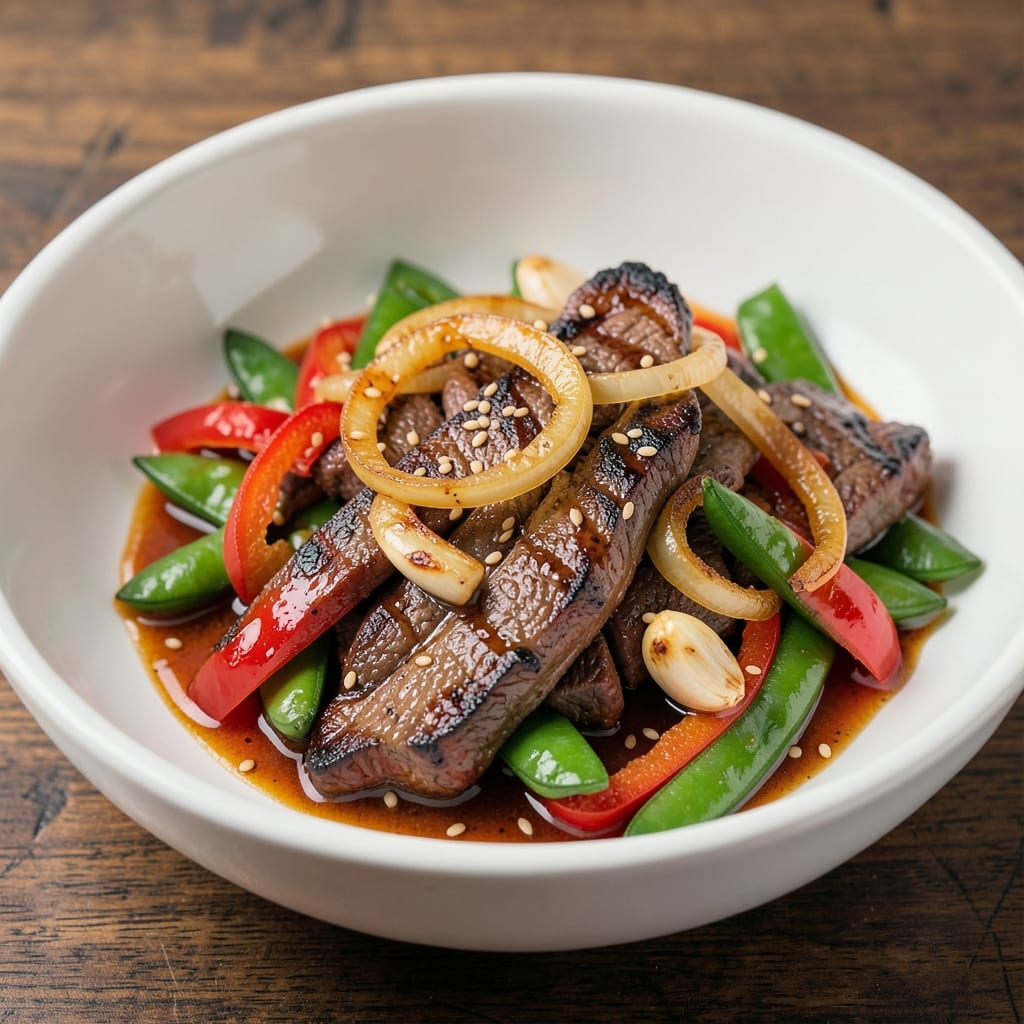
This American beef stir fry recipe delivers restaurant-quality wok crunch in just 20 minutes, transforming simple ingredients into a bold, savory dish that’s perfect for weeknight dinners. The secret lies in high-heat stir-frying and a tangy-sweet sauce that caramelizes beautifully, creating a texture that’s crispy on the outside and tender within. I’ve perfected this technique over years of testing—no fancy equipment required, just a sturdy skillet and a few key steps to ensure every bite is packed with flavor.
The recipe starts with thinly sliced beef that cooks quickly over high heat, locking in juiciness while developing a caramelized crust. A homemade sauce—balancing soy, brown sugar, and a touch of garlic—adds depth without overpowering the beef’s natural richness. Fresh vegetables like bell peppers and snap peas stay crisp-tender, adding color and texture that make this dish as visually appealing as it is delicious. The best part? It’s adaptable—swap in broccoli, carrots, or mushrooms based on what you have on hand.
By the time you’re done, you’ll have a dish that’s hearty enough to stand alone or pair perfectly with steamed jasmine rice, which soaks up every last drop of that sticky, flavorful sauce. The aroma alone—smoky, sweet, and slightly umami—will have everyone at the table asking for seconds. This isn’t just another stir fry; it’s a foolproof, restaurant-quality meal that proves bold flavors don’t require complicated techniques.
Whether you’re feeding a family or meal prepping for the week, this recipe scales effortlessly. The beef stays tender, the sauce clings to every bite, and the leftovers reheat beautifully. Let’s get cooking—your taste buds (and your dinner guests) will thank you.
Ingredients for american beef stir fry
Restaurant-quality beef stir fry starts with these 15 bold ingredients—simple but packed with flavor.
| Ingredient | Amount | Notes |
|---|---|---|
| Flank Steak 🥩 | 1 ½ lb | Thinly sliced against grain |
| Red Bell Peppers 🧅 | 2 whole | Sliced into 1-inch strips |
| Snap Peas 🌱 | 1 cup | Trimmed, fresh or frozen |
| Yellow Onion 🧅 | 1 whole | Thinly sliced, white part only |
| Garlic Cloves 🧄 | 4 cloves | Minced, fresh preferred |
| Sesame Oil 🫒 | 1 tbsp | For aroma, not cooking |
| Soy Sauce 🥄 | ½ cup | High-quality, like Kikkoman |
| Brown Sugar 🍯 | 2 tbsp | Packed, light or dark |
| Rice Vinegar 🍶 | 1 tbsp | White or seasoned |
| Cornstarch 🌾 | 1 tbsp | For sauce thickening |
| Vegetable Oil 🫒 | 3 tbsp | High smoke point |
| Salt 🧂 | 1 tsp | Diamond Crystal preferred |
| Black Pepper 🌶️ | ½ tsp | Freshly ground |
| Green Onions 🧅 | 2 whole | Sliced, for garnish |
| Sesame Seeds 🌱 | 1 tsp | Toasted for garnish |
The beef makes or breaks this dish. Flank steak is ideal—lean but tender when sliced thin against the grain. Costco or Whole Foods carry pre-sliced versions, but if you're slicing yourself, freeze the meat for 30 minutes first—it stays neater. Look for bright red, well-marbled cuts. Snap peas? Trader Joe's frozen are perfect if fresh aren't in season. The bell peppers should be firm with vibrant color—no soft spots. For the garlic, Penzeys brand has the most pungent cloves, but any fresh will do. Toast your sesame seeds in a dry pan for 30 seconds before garnishing—they'll pop with flavor.
No flank steak? Sirloin or ribeye work too—just slice extra thin. Short on snap peas? Broccoli florets or sliced mushrooms hold up well. The sauce is where you can get creative: swap brown sugar for honey or maple syrup (reduce other liquids slightly), or use coconut aminos instead of soy sauce. For extra depth, add a pinch of red pepper flakes to the sauce. The cornstarch is non-negotiable for that signature wok sauce consistency—don't skip it. And if you're prepping ahead, make the sauce first and store it separately for up to 5 days in the fridge.
This dish reheats like a dream—just toss with a splash of water and stir-fry again over high heat. Keeps 3-4 days in the fridge, or freeze portions for 3 months (sauce separates when frozen, so stir well after thawing). For meal prep, cook the beef and veggies separately, then combine when reheating to keep everything crisp. The rice? Jasmine rice is traditional, but any long-grain works. Double the sauce if you're serving with noodles—it's that good.
Why You'll Love This Recipe
- One-Pan Magic: I swear by this recipe when I’m too tired to wash dishes. Slice the flank steak thin, toss it with the bell peppers and onions, and let the garlic work its savory spell—no extra pans, no stress. The snap peas add a satisfying crunch without extra effort.
- Steakhouse Bite for Less: That seared flank steak? It’s tender enough to cut with a fork but holds its shape—just like a restaurant cut, but made in my kitchen. The bell peppers and snap peas keep it bright, so it’s never heavy or boring.
- Lunchbox Hero: Between us, this is my go-to for meal prep. Cook a big batch on Sunday, and I’ve got protein-packed lunches all week. The flavors only get better the next day, and the steak reheats like a dream—no sad, dry leftovers here.
- Budget Boost: Flank steak is affordable, and this recipe stretches it far. Add a handful of rice, and suddenly you’ve got a filling, flavorful meal that costs less than takeout. Plus, the veggies are cheap and easy to find. Win-win.
Step-by-step instructions for American beef stir fry
Here's how to create restaurant-quality stir fry with bold flavors and perfect wok crunch.
🔪 Step 1: Prep Ingredients for Maximum Flavor
Start by slicing the 1.5 lb flank steak thinly against the grain into ¼-inch strips—this ensures tender bites. Pat the strips dry with paper towels to promote a good sear. For the vegetables, slice the 2 whole red bell peppers into 1-inch strips, thinly slice the white part of the 1 whole yellow onion, and trim the 1 cup snap peas if using fresh. Mince the 4 cloves garlic cloves finely—they'll add depth to the sauce.
Here's the thing—proper prep makes all the difference. When you slice the steak against the grain, you're cutting perpendicular to the muscle fibers, which shortens cooking time and prevents tough meat. Keep all prepped ingredients in separate bowls until ready to use, and don't skip trimming the snap peas—those little strings can make your stir fry taste bitter.
🍳 Step 2: Create the Sauce and Sear the Beef
In a small bowl, whisk together the 0.5 cup soy sauce, 2 tbsp brown sugar, 1 tbsp rice vinegar, and 1 tbsp cornstarch. Set this aside while you heat 3 tbsp vegetable oil in a large wok or skillet over high heat until shimmering. Add the steak strips in a single layer and let them sear undisturbed for 1-2 minutes until they develop a deep golden crust.
Don't crowd the pan—this is where you get that signature wok hei, or "breath of the wok." When the steak releases easily from the pan, it's time to flip and cook the other side for another 1-2 minutes. Remove the beef to a plate and set aside. The residual heat will keep it warm while you cook the vegetables.
🍳 Step 3: Stir-Fry Vegetables to Perfect Texture
In the same wok, add a bit more vegetable oil if needed and stir-fry the yellow onion for 1 minute until softened. Add the garlic cloves and cook for 30 seconds until fragrant—this prevents burning. Toss in the red bell peppers and snap peas, stirring constantly for 3-4 minutes until the vegetables are tender-crisp but still vibrant in color.
Watch the heat carefully—you want the vegetables to retain their bright color and slight crunch. If they start to wilt too quickly, reduce the heat slightly. The snap peas should still have a bit of bite when done. Here's where it gets fun—toss in the 1 tbsp sesame oil at the end for that authentic aroma that takes your stir fry from good to amazing.
🥘 Step 4: Combine and Finish with Sauce
Return the seared beef to the wok and pour in the sauce mixture. Stir everything together vigorously for 1-2 minutes until the sauce thickens and coats the beef and vegetables evenly. The cornstarch in the sauce will create that glossy, clingy finish we all love. Taste and adjust seasoning with 1 tsp salt and 0.5 tsp black pepper if needed.
This is the moment that matters: the sauce should be thick enough to coat the back of a spoon but still silky smooth. If it's too thick, add a splash of hot water to loosen it. The beef should be cooked through but still tender, and the vegetables should maintain their vibrant colors and slight crunch. Real talk: don't walk away during this step—constant stirring ensures even cooking and prevents burning.
🍽️ Step 5: Serve with Garnishes and Enjoy
Transfer the stir fry to serving plates and garnish with sliced green onions and toasted sesame seeds. The green onions add a fresh contrast to the rich flavors, while the toasted sesame seeds provide a nutty crunch that ties everything together. Serve immediately over steamed rice or noodles to soak up that delicious sauce.
Each bite should deliver tender beef, crisp-tender vegetables, and a perfectly balanced sauce with sweet, salty, and slightly tangy notes. The wok crunch comes from that high-heat searing and quick cooking—don't let the beef sit too long after cooking, or it'll turn tough. This stir fry is best enjoyed fresh from the wok, so gather everyone around and dig in while it's hot!
Pro Tips For Making American Beef Stir Fry
- Slice Steak Against the Grain: Flank steak’s fibers run long—cutting perpendicular to them makes every bite tender. Grab a sharp knife, angle it low, and slice after resting the meat (yes, even if you’re impatient like me). Thin strips cook faster and don’t turn chewy.
- Blanch Peppers First: Toss sliced red bell peppers in boiling water for 30 seconds, then ice bath. They’ll soften faster in the stir-fry and stay vibrant, not mushy. Snap peas don’t need this, but onions and peppers benefit—trust the process.
- Don’t Overcrowd the Pan: I learned this the hard way—dumping everything in at once steams the beef instead of searing it. Cook onions and garlic first, then pull them out. Add beef in a single layer, let it brown 2 minutes, then toss in veggies. Crowding kills crust.
- Use Garlic Oil for Depth: Mince garlic extra fine (almost paste-like) and sauté it in 1 tablespoon oil until golden—before adding onions. This infuses the whole dish with flavor without burning. Skip the raw garlic cloves; they’ll just sit there unloved.
Health benefits of this american beef stir fry
Lean Protein Power
This beef stir fry delivers high-quality protein with just 1.5 lbs of flank steak—about 50 grams per serving—supporting muscle repair and satiety. Flank steak is leaner than ribeye or sirloin, making it perfect for balanced meals. The high-heat cooking method preserves protein integrity while creating that signature wok crunch. 💪
Iron for Energy
Beef is one of the best sources of heme iron, which your body absorbs more efficiently than plant-based iron. A 6-ounce serving of this stir fry provides 3-4mg of iron—about 20% of your daily needs—helping combat fatigue and support oxygen transport in your blood. Pair with vitamin C-rich veggies (like bell peppers) to boost absorption even further.
Fiber-Rich Veggies
The bell peppers and snap peas add 4-5 grams of fiber per serving, supporting digestion and keeping you full longer. Bell peppers also provide vitamin C (over 100% daily value per serving) and vitamin A for immune function. The crisp-tender texture comes from quick cooking—overcooking would destroy these nutrients. 🥗
Balanced Carbs
While the stir fry itself is low-carb, serving it with jasmine rice (about ½ cup cooked per serving) adds 20-25 grams of complex carbs for sustained energy. The rice also helps balance the meal's protein and fat content. For a lower-carb option, swap rice for cauliflower rice—it reduces carbs by 50% while keeping the dish hearty.
Umami Boost
The soy sauce and sesame oil in this recipe provide glutamates that enhance flavor without adding empty calories. Soy sauce contains isoflavones, plant compounds linked to heart health and bone strength. The garlic and onions add allicin, a compound with anti-inflammatory benefits. Together, these ingredients create a flavor bomb that satisfies cravings while keeping the dish nutritious. 🌶️
Meal Prep Friendly
This stir fry reheats beautifully while retaining most of its nutrients—protein and fiber content stay intact when stored properly. The sauce's cornstarch helps lock in moisture, preventing dryness. For maximum nutrition retention, store components separately (beef, veggies, sauce) and reheat in a skillet over high heat for 2-3 minutes—this mimics the original wok technique and preserves texture and flavor. ⏰
Nutrition facts
Frequently asked questions
Can I use a different cut of beef instead of flank steak?
For best results, choose tender cuts like sirloin, ribeye, or even flank steak substitutes like chicken thighs. The key is slicing thinly against the grain to ensure tenderness. If using chicken, reduce cooking time by about 1-2 minutes since it cooks faster than beef.
How do I prevent the beef from becoming tough?
Tough beef happens when it's overcooked or not sliced properly. Always slice thinly against the grain and cook over high heat for just 1-2 minutes per side. Pat the beef dry before cooking to promote a good sear. Remove it from the pan as soon as it reaches 145°F internal temperature—overcooking is the #1 cause of toughness.
What vegetables work best in this stir fry?
This recipe shines with bell peppers, snap peas, and onions, but you can swap in almost any firm veggie like broccoli, carrots, or mushrooms. Avoid leafy greens—they wilt too quickly. For extra crunch, add water chestnuts or bamboo shoots (they hold up beautifully). The key is using high-heat cooking to keep veggies crisp-tender.
Can I make this stir fry ahead of time?
Yes! Prep the sauce and chop all ingredients in advance, but don't cook the beef or veggies ahead—they lose their texture. Store prepped components separately in the fridge for 2-3 days. When ready to cook, stir-fry everything fresh over high heat for 2-3 minutes to restore that wok crunch. The sauce can be made 5 days ahead and stored separately.
How can I make this stir fry spicier?
Add ½-1 teaspoon of red pepper flakes to the sauce or a dash of Sriracha for heat. For a smoky kick, stir in ½ teaspoon smoked paprika with the garlic. If you love fresh spice, toss in thinly sliced jalapeños at the end of cooking. Always taste first—you can adjust, but you can't take out heat!